A Gluten Free Guide to Poland
Poland surprised me, but then again, much of Eastern Europe has far surpassed my expectations as a celiac. In the cities and in supermarkets, you’re in genuinely good hands: plentiful free-from aisles, strict EU labelling laws, a dedicated certification symbol, and a growing network of certified gluten free restaurants and bakeries. We did get glutened, but that was due to our own negligence rather than someone elses error.
Key Points
- Labelling scheme: EU-regulated allergen labelling applies, plus a Polish-specific “Przekreślony Kłos” (crossed grain) certification symbol for gluten free products.
- Cities: Warsaw, Krakow, Wrocław, Poznań and Gdańsk all have a solid and growing number of certified gluten free restaurants and bakeries.
- Rural areas: Awareness drops off fast. Fewer certified places, less English, and traditional dishes are usually assumed safe by hosts even when they aren’t.
- Eating out law: No law mandates gluten free options on menus, but the Polish Celiac Association runs a certification and training scheme (Menu Bez Glutenu) that restaurants can join voluntarily.
- Stocking up: Supermarkets, even mid-size ones, generally carry a basic gluten free range. Small local shops largely don’t.
- Key phrase to know: “Mam celiakię, nie mogę jeść glutenu” — “I have celiac disease, I can’t eat gluten.”
Contents
Personal Experience
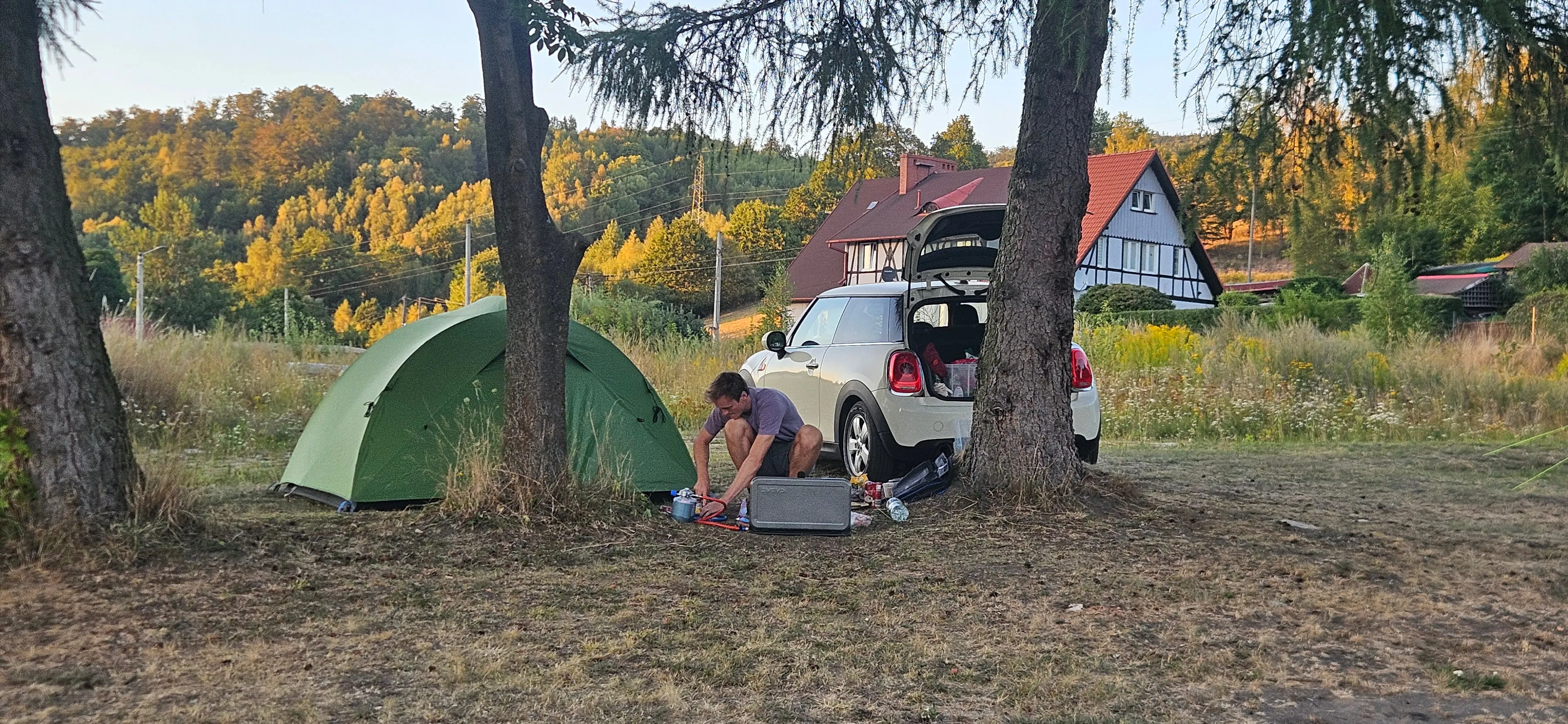
We spent August 2026 driving and camping through the south-west of Poland, part of a longer road trip through the Eastern Bloc. We were self-catering the whole way, cooking every meal ourselves rather than eating out, which meant our experience of Poland was almost entirely a supermarket-and-campsite one rather than a restaurant one.
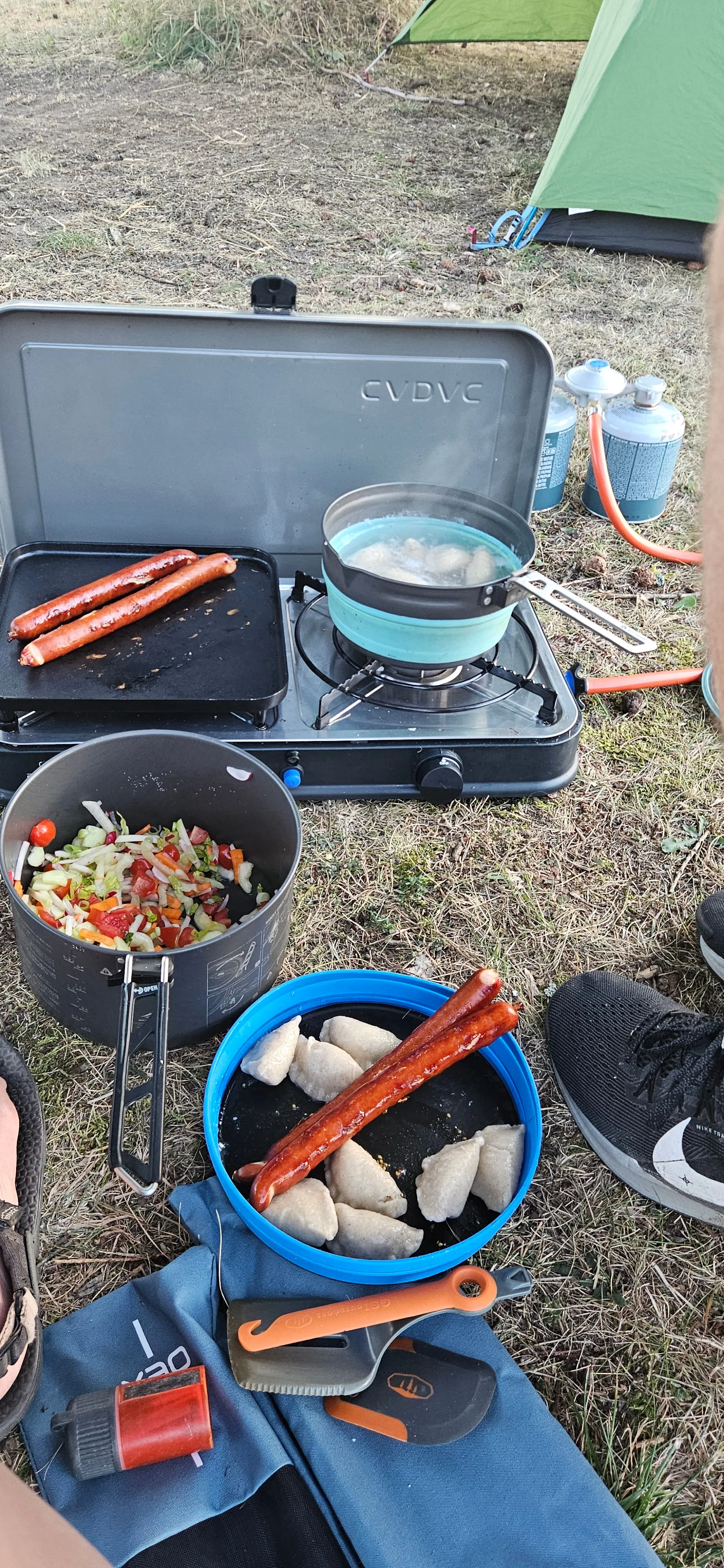
Our go-to shop was Kaufland, and it genuinely impressed me. I wasn’t expecting much from a big-box German hypermarket chain in rural-ish Poland, but the gluten free selection was consistently good wherever we stopped. There was more choice than back in the UK! The standout find was gluten free pierogi in the freezer section — one of Poland’s national dishes, and one that’s very much off-limits in its normal wheat-dough form. They were delicious too.
Ohhhh and the infamous Polish Sausages… they really stood out. How do they make them so much better than what we find back home? They were pretty much almost always gluten-free too. I even forgot about the potential gluten risk when offered sausages from some friendly Poles’ BBQ. That one came back to bite, the glutening was a bad one 😵
Smaller local shops were a different story to the big chains — thin on gluten free stock, if they had any at all, much like the rest of the world. They became a last resort if we couldn’t make it to a supermarket.
On a side note, we managed to get completely caught out by Poland’s national holiday shop opening laws. Assumption day landed on a Saturday, and it was followed by one of Poland’s many non-trading Sundays meaning that the supermarkets were closed all weekend. We ended up popping into the Czech Republic to visit a supermarket. Just thought I’d mention it so that hopefully you don’t get similarly caught out.
Gluten Awareness
Celiac disease is well recognised in Poland at an institutional level, even if day-to-day awareness on the ground, especially outside the big cities, still has some catching up to do. The Polish Celiac Association (Polskie Stowarzyszenie Osób z Celiakią i na Diecie Bezglutenowej) is the main driving force here. Founded in 2006, it runs free dietary counselling, publishes patient guides in partnership with the national health fund (NFZ), and licenses Poland’s own gluten free certification mark.
That mark is the Przekreślony Kłos (“crossed-out grain of wheat”), and it’s what to look for on packaged food. Around 80 Polish producers are currently certified to use it, on top of the standard EU allergen labelling that applies across all prepackaged food sold in Poland — gluten-containing cereals must be clearly declared on ingredient lists, usually in bold.

There’s no legal requirement for restaurants to offer gluten free options or to disclose allergens verbally, but the Celiac Association runs a voluntary certification and training programme for restaurants, cafés and bakeries called Menu Bez Glutenu, which trains staff on cross-contact and safe handling before certifying them. It’s a genuinely useful tool for travelling celiacs, because certification means real staff training rather than just a menu symbol. There’s currently no state refund or subsidy for the cost of gluten free food in Poland, though it’s something the Celiac Association has been actively petitioning for.
Eating Out
We didn’t eat out at all in Poland, so I can’t speak from direct experience here, but between the Celiac Association’s own resources and other celiac travellers’ write-ups, a consistent picture emerges: cities are good, rural areas require more legwork.
Safer Restaurant Types
- Menu Bez Glutenu certified restaurants and cafés — staff trained on cross-contact, clearly marked menus, and increasingly common in Warsaw, Krakow, Wrocław, Poznań and Gdańsk.
- Dedicated 100% gluten free bakeries and restaurants — a growing number of fully GF spots exist in most major cities, removing cross-contact risk entirely.
- Fish and grilled meat restaurants — naturally simple, less reliant on flour and sauces than traditional Polish cooking.
Challenging Restaurant Types
- Traditional milk bars (bar mleczny) — cheap, popular, and almost entirely built around wheat, rye and barley: pierogi, breaded cutlets, and flour-thickened soups.
- Rural inns and countryside restaurants* — fewer certified options and less awareness of cross-contact, even when staff mean well.
- Roadside and campsite food — informally prepared, ingredients not always known even to the person serving it (see: our sausage incident above).
*Rural establishments aren’t necessarily unsafe, just less likely to have staff trained specifically on celiac needs — more questions and more caution are needed than in a certified city restaurant.
Groceries
Supermarket Chains
Kaufland was our main shop throughout the trip, and it consistently had a solid, if not huge, gluten free range — bread, pasta, flour, cakes, beer and the standout gluten free frozen pierogi. Beyond our own experience, here’s how the other major chains stack up based on wider reporting:
- Biedronka — Poland’s most ubiquitous discount chain. Good for basics: gluten free bread and corn pasta are reliably stocked, often under the GoBio range, along with own-brand rolls and some Schär products. Selection is more limited than the bigger hypermarkets.
- Lidl — Availability varies more by store and by season, with Lidl leaning on themed promotional weeks rather than a permanent dedicated section. Worth checking the bio/health aisle specifically. Freshly baked gluten free options (buckwheat ciabatta, corn bread) turn up reasonably often.
- Auchan — The best of the big chains for range, with a genuinely wide selection of ready-made gluten free bread and a large health-food aisle. Prices run higher than the discounters.
- Carrefour — A strong bet for branded specialist products like Schär, and well stocked for gluten free flours and baking mixes if you’re cooking from scratch.
- Netto — Decent for gluten free snacks, pasta and packaged goods, less so for fresh bread.
- Kaufland — Consistently stocked basics across bread, pasta and frozen goods (including the gluten free pierogi that made our trip). A reliable all-rounder if it’s your nearest big chain.
Local Shops
This is where things get harder. Small independent grocers and village shops in the south-west largely didn’t carry dedicated gluten free products, so we leaned on the supermarkets to stock up whenever we passed through a larger town. Żabka, the ubiquitous Polish convenience store chain, is worth knowing about for a different reason: many branches are franchise-run and can legally open on Sundays and public holidays when the big chains can’t, making them a useful emergency backstop even if their gluten free range is minimal.
Naturally gluten free staples that were easy to find everywhere, supermarket or not, included:
- Fresh vegetables, salad and fruit
- Potatoes (a Polish staple in every form)
- Rice and rice cakes (wafle ryżowe)
- Plain meat, fish, and eggs
- Certain cheeses, including smoked sheep’s cheese (oscypek)
- Fermented dairy drinks like kefir and maślanka
Words to Remember
If you’re like me and you find it incredibly hard to remember, and then attempt to pronouce, words from Slavic languages, I would seriously recommend making and printing off a translated gluten free card. While there are English-speaking locals in the country, it is not guaranteed, and trying to describe gluten free with hand motions doesn’t really work.
| English | Polish |
|---|---|
| Gluten | Gluten |
| Gluten free | Bezglutenowy |
| Wheat | Pszenica |
| Rye | Żyto |
| Barley | Jęczmień |
| Oats | Owies |
| Bread | Chleb |
| Flour | Mąka |
| Breaded | Panierowany |
| Thank you | Dziękuję |
Useful phrases for eating out
| English | Polish |
|---|---|
| I have celiac disease, I can’t eat gluten | Mam celiakię, nie mogę jeść glutenu |
| Is this gluten free? | Czy to jest bezglutenowe? |
| Without wheat, rye and barley | Bez pszenicy, żyta i jęczmienia |
| Do you use wheat flour in this? | Czy używacie tu mąki pszennej? |
| Is this cooked separately, without cross-contact? | Czy to jest przygotowane osobno, bez kontaktu z glutenem? |
Conclusions
- Supermarkets, especially Kaufland, Auchan and Biedronka, are a genuinely reliable way to self-cater gluten free in Poland — don’t expect the same from small local shops.
- The gluten free frozen pierogi are worth seeking out if you want to try Poland’s national dish without the risk.
- Polish sausage is often gluten free, but “often” isn’t “always” — always ask before accepting food you haven’t sourced yourself, however friendly the offer.
- Cities have a strong and growing certified restaurant scene through Menu Bez Glutenu; rural areas need more caution and more questions.
- Plan grocery runs around Poland’s strict Sunday trading ban and public holiday closures, or you may end up crossing a border to find groceries, like we did.
FAQs
Yes, with some planning. Cities have certified restaurants, clear EU-standard labelling, and a dedicated gluten free certification symbol. Rural areas and informal food situations (campsites, home cooking) need more caution, since awareness and ingredient knowledge both drop off outside the cities.
Not traditionally — the dough is wheat-based. However, dedicated gluten free versions are increasingly available, both frozen in supermarkets (we found ours at Kaufland) and on the menu at certified gluten free restaurants.
Much of it is, but not all, and fillers or seasonings can introduce gluten without it being obvious. Always check ingredients on packaged sausage, and be cautious with anything homemade or served informally, where you can’t check what’s gone into it.
Based on our trip and wider reporting, Auchan tends to have the widest range, Kaufland and Biedronka are reliable for the basics, and Carrefour is a good bet for specialist branded products like Schär. Lidl’s stock varies more by store.
Yes — we did exactly that, camping and self-catering through the south-west for two weeks. Just plan grocery stops around Poland’s Sunday trading ban and public holiday closures, since even well-stocked supermarkets are completely shut on those days.
Sources
[1] Polish Celiac Association (Polskie Stowarzyszenie Osób z Celiakią i na Diecie Bezglutenowej), available here. [2] National Health Fund (NFZ) patient guide to celiac disease, available here. [3] Statista, “Sunday trading ban in Poland”, available here. [4] PublicHolidays.pl, “Assumption Day”, available here. [5] Legal Nomads, “My Essential Gluten Free Guide to Poland”, available here.
Tags :
Share :
Related Posts

Gluten Free Beer in Argentina
Argentina has a unique and up-and-coming gluten free (GF) beer scene. Local laws have enabled 100% GF beers to emerge in the market, and in recent years it has become more available. In this article, I’ll cover what makes the Argentinian GF beer market so unique, where you can buy it, and which beer
read more
Argentina: A Gluten Free guide
Argentina is surprisingly on it with celiac disease. There is huge awareness of the condition, even in remote parts of the country, and gluten free essentials are widely available in the larger supermarket chains. With a small amount of consideration for which restaurants you visit, it is very feasi
read more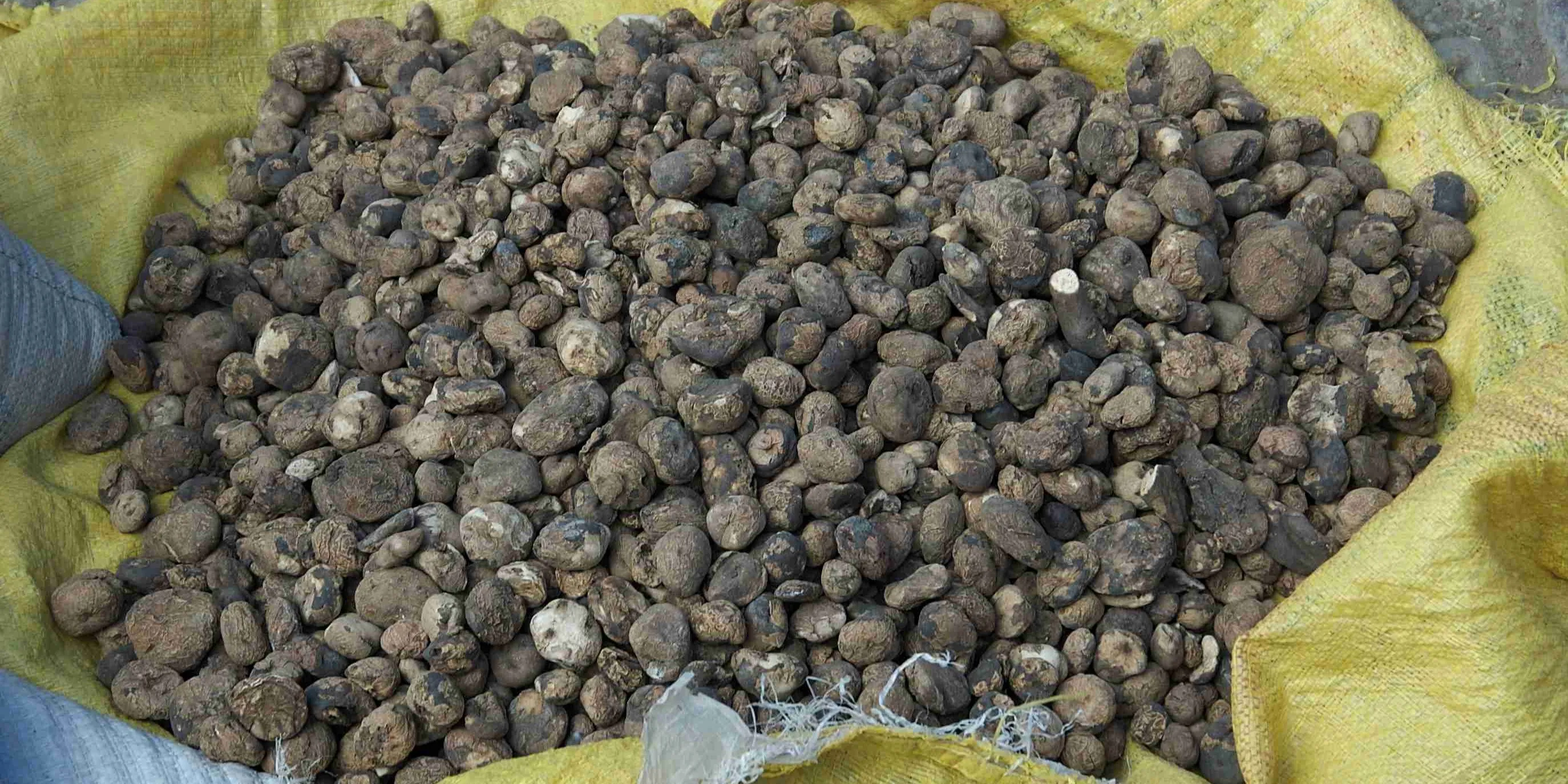
Are Chuños Gluten Free?
Chuños are freeze-dried potatoes, making them naturally gluten free. However, some of the Bolivian and Peruvian dishes they are traditionally used in do contain gluten. They’re a must-try if you’re visiting the region — a unique food item found almost nowhere else in the world.
read more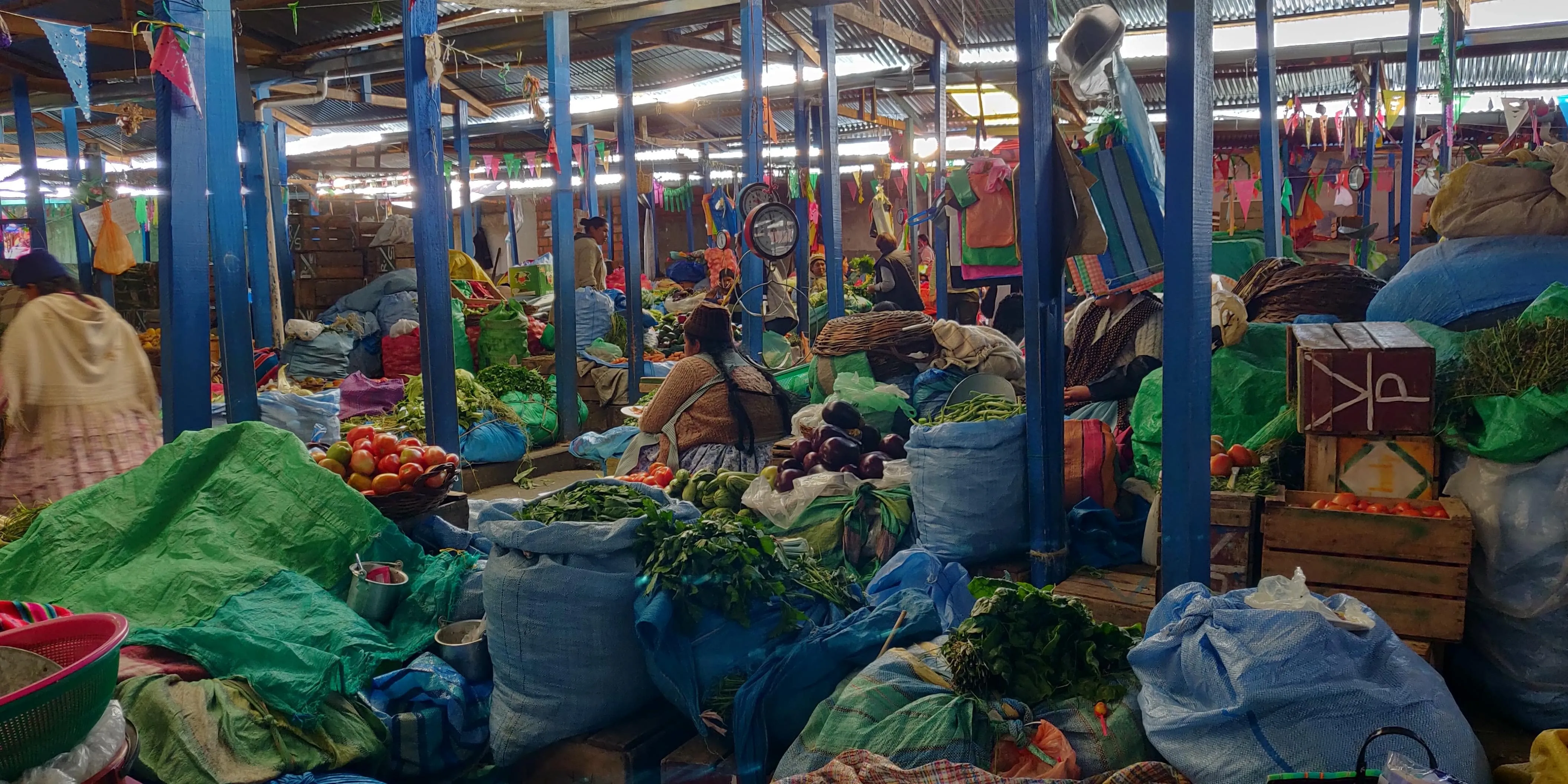
Bolivia: A Gluten Free Guide
Bolivia is one of the more challenging countries to travel through as a celiac. When eating out, there are naturally gluten free dishes, but the level of cross-contamination is high, and wheat flour finds its way to a surprising number of items. If cooking for yourself, naturally gluten free food is
read more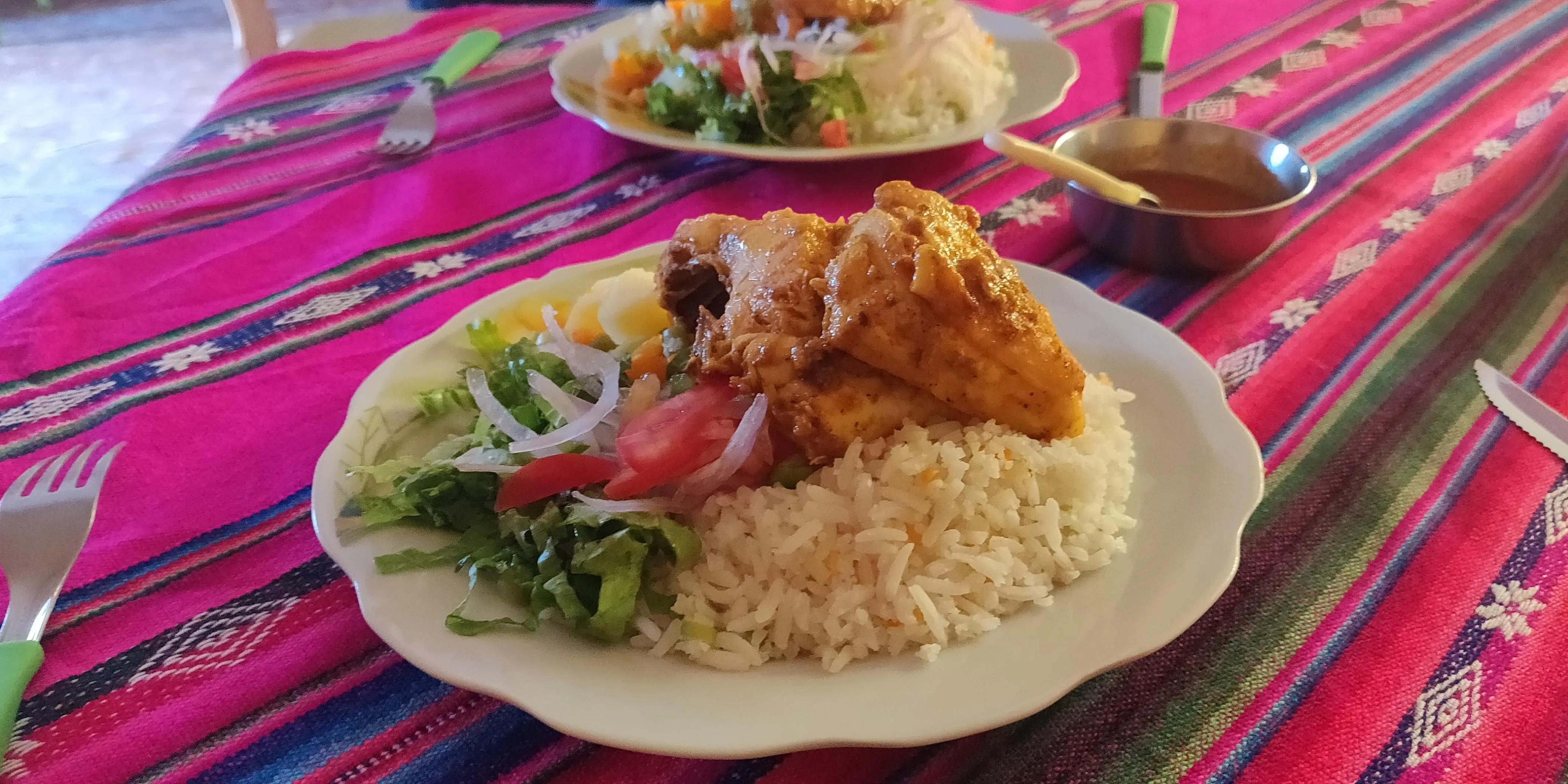
A Complete Guide to Gluten Free Bolivian Restaurant Dishes
Before visiting Bolivia, we did zero research into restaurant food and regretted it deeply. The menus were indecipherable, even with a working knowledge of Spanish. It was difficult to work out what each dish contained, never mind whether it was gluten free or not.
read more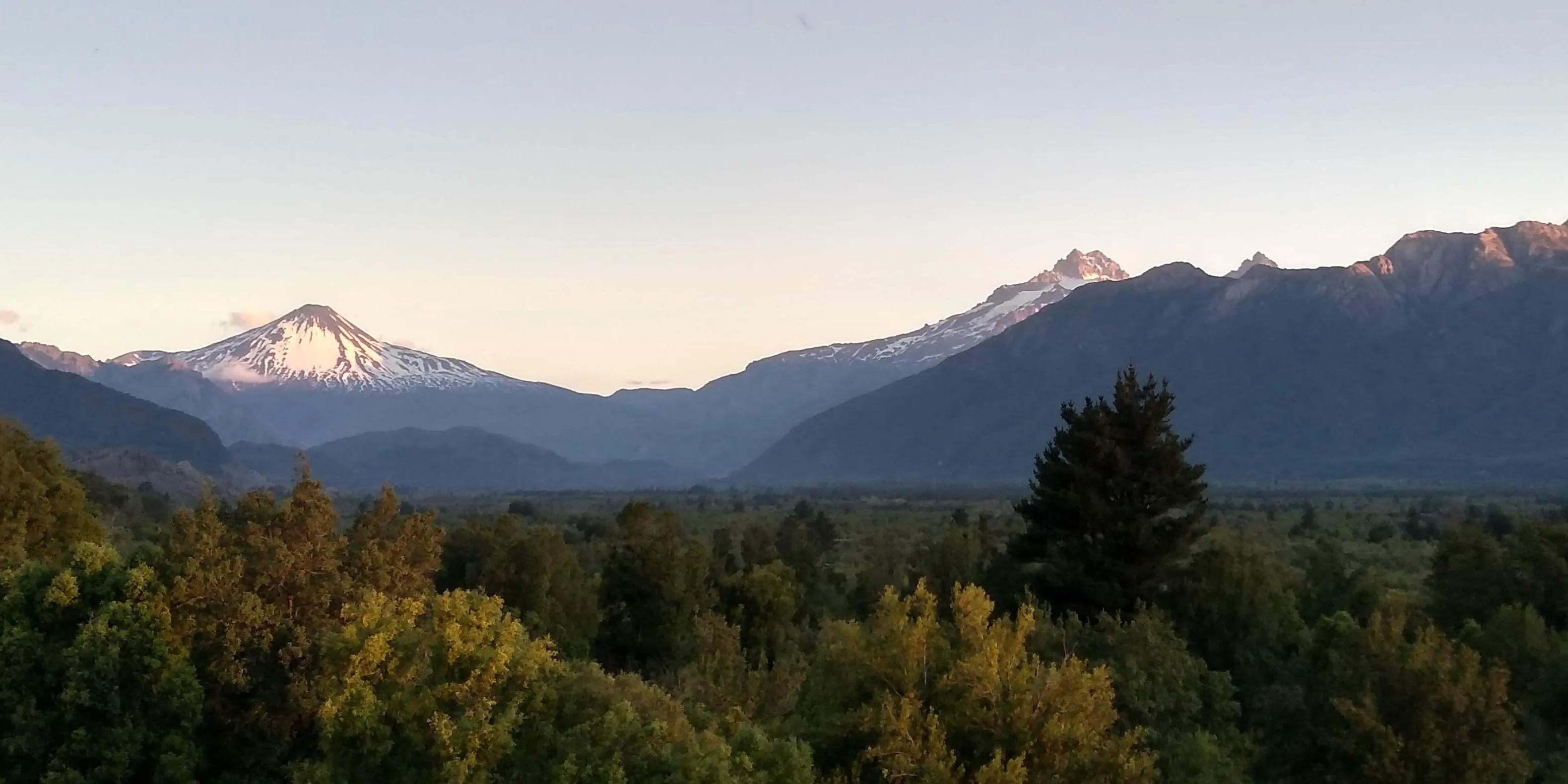
Chile: A Gluten Free Guide
Chile is not the celiac paradise that Argentina is next door, there's no restaurant allergen law, rural options are slim, and staff awareness is inconsistent at best. That said, the Chilean diet leans naturally gluten free, Santiago has a growing dedicated GF scene, and if you're willing to live on
read more
Ecuador: A Gluten Free Guide
Ecuador's traditional diet leans heavily on corn, rice, cassava, and plantains, which makes it a surprisingly good destination for celiacs willing to eat simply. Celiac awareness is low and GF labelling is rare, but the naturally gluten free options, especially through markets and the menu del día,
read more
Is Quinoa Gluten Free?
Yes, quinoa is naturally gluten free. It contains no wheat, barley, or rye, and has been a staple food in the Andes for thousands of years. The catch, and there is one, is cross-contamination. Quinoa is often grown, harvested, and processed alongside gluten-containing grains, which means unlabelled
read more
Mauritania: A Gluten Free Guide
- Mauritania
- Travel
- 22 Mar, 2026
Mauritania is not an easy destination for celiacs. Awareness of gluten and celiac disease is effectively zero, and outside Nouakchott you won't find a single dedicated GF product. That said, the country's cuisine is rice- and meat-heavy enough that eating naturally gluten free is possible — especial
read more
Morocco: A Gluten Free Guide
Morocco is a brilliant place to travel; it has a vibrant culture, interesting landscapes and lovely people. Cycling for 3 months through Morocco taught us that this fantastic country is also one of the toughest for gluten-free travellers. This guide breaks down exactly what food is available off the
read more
Peru: A Gluten Free Guide
Peru is not a country that has caught up with celiac disease. When I was there in 2019, GF labelling was essentially non-existent outside Lima, and restaurant staff in rural areas were more likely to be baffled by the question than helpful. That said, Peru's traditional Andean diet is built on potat
read more
Cusco: A Gluten Free City Guide
Cusco is the most celiac-friendly city in Peru outside Lima, which is not a particularly high bar to clear. That said, the tourist centre has a decent cluster of restaurants that understand the question, mark GF options on their menus, and won't look at you blankly when you mention gluten. The menú
read more
Gluten Free in Romania
Romania is a country of two speeds for celiacs: Bucharest has a genuinely improving GF scene with certified bakeries and dedicated menus, while rural areas still run almost entirely on wheat. Supermarkets in bigger towns will keep you fed either way.
read more
Senegal: A Gluten Free Guide
Senegal is a manageable country for celiacs, largely because so much of the traditional food is naturally gluten free. Thieboudienne and mafé are safe, filling, cheap, and available everywhere. Supermarkets stock no gluten free substitutes to speak of, so if you rely on GF bread or pasta, you'll nee
read more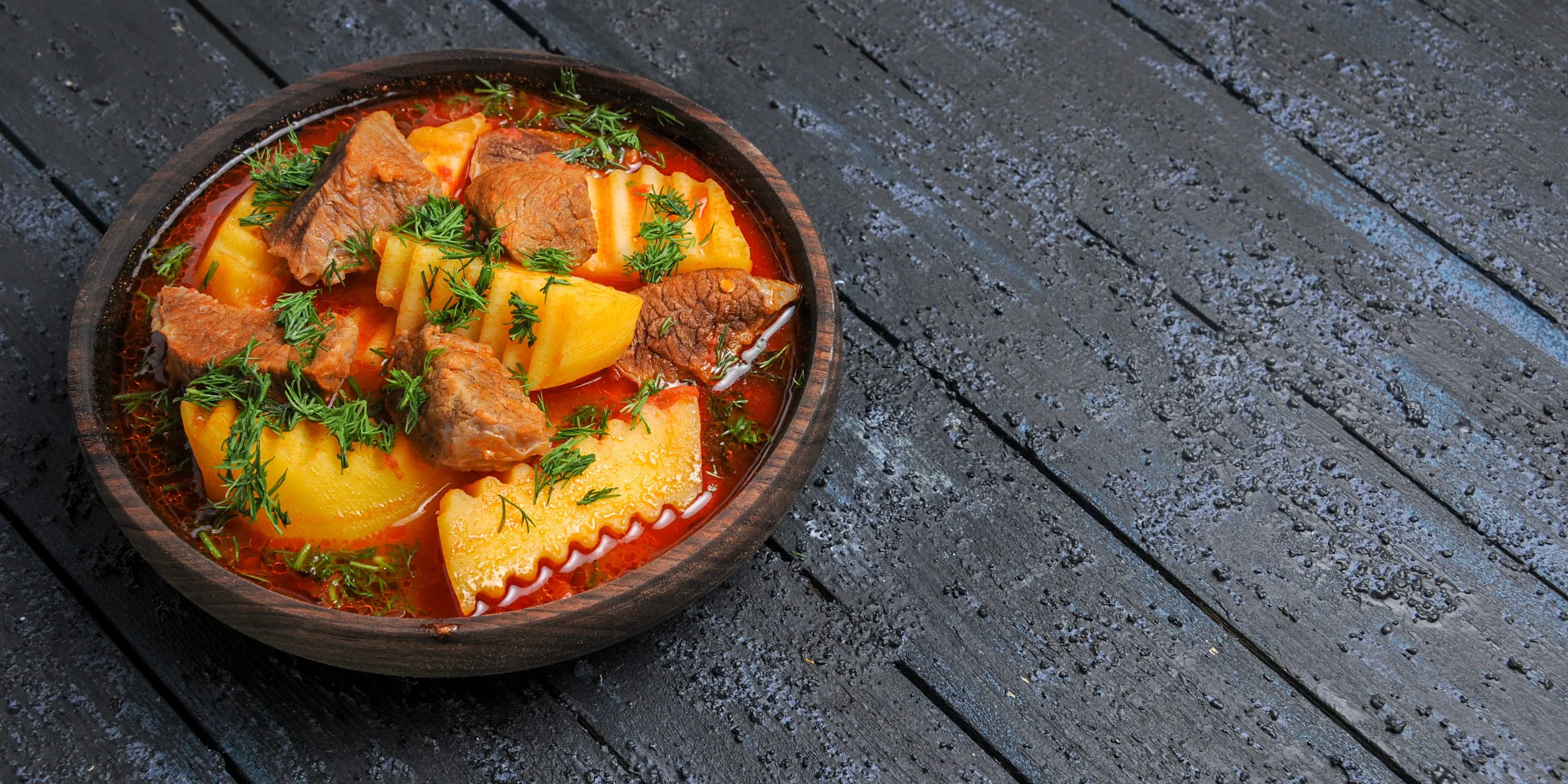
Is Mafe Gluten Free?
Mafe is usually gluten free. It's a rich peanut stew made with meat, tomatoes, and vegetables, with no wheat in the traditional recipe. That said, some cooks thicken it with wheat flour, so it's not one you can order blindly without checking.
read more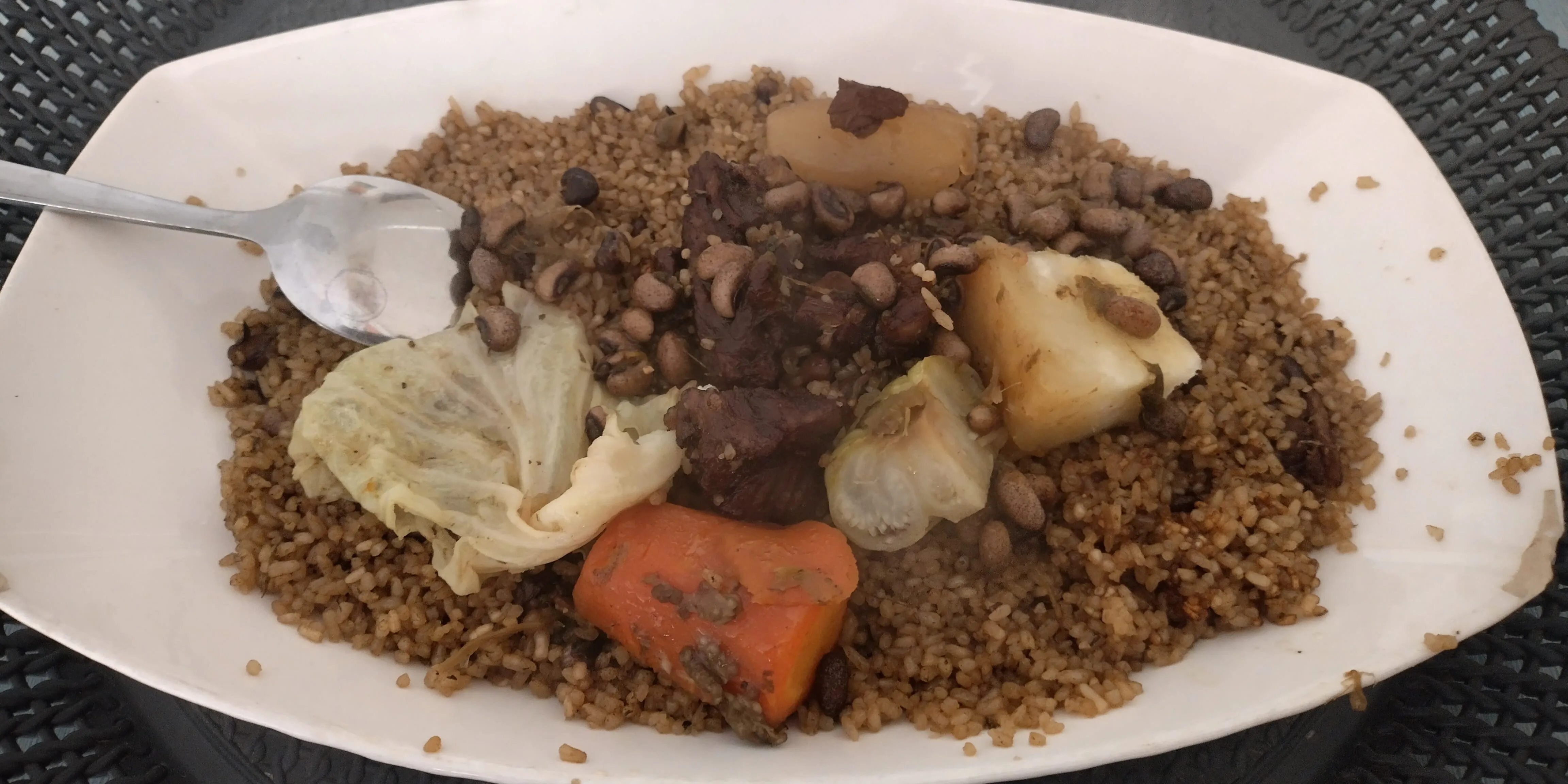
Is Thieboudienne Gluten Free?
Thieboudienne is naturally gluten free, made from rice, fish, tomatoes, and vegetables. The one caveat is the stock cube used in its preparation, which is worth checking, but the main Senegalese brands are GF.
read more
Gluten Free in Mississippi
Mississippi is a mixed bag for celiacs. Chains and Walmart have your back, but local diners and Southern classics are a minefield of shared fryers and flour-dusted everything. Here's what I learned over two months of work trips.
read more
South India: A Gluten Free Guide
India is a beautiful, diverse country with rich food traditions. The South, in particular, is an excellent destination for gluten-free travellers thanks to its reliance on rice, lentils, coconut, vegetables, and spices. This guide focuses on South India, where we spent three weeks exploring, eating
read more
Is Dosa Gluten Free?
Dosa is naturally gluten free, made from a fermented batter of rice and lentils. Most varieties are safe for celiacs, though a handful of dishes served alongside dosa are worth watching out for.
read more
Kenya: A Gluten Free Guide
Kenya is a brilliant country to travel through as a celiac. celiac awareness is virtually zero, but the traditional diet is naturally gluten free, fresh food is abundant, and self-catering is easy and enjoyable.
read more
Is Ugali Gluten Free?
Ugali is Kenya's staple food, eaten by the vast majority of the population at least once a day. It is made from maize flour and water, which makes it naturally gluten free. Here's what a celiac needs to know about eating it safely in Kenya.
read more
Nairobi: A Gluten Free Guide
Nairobi is a great city to visit as a celiac. Celiac awareness is low, but the food scene is excellent, self-catering is easy, and the traditional Kenyan diet is naturally gluten free friendly. Here is what we learned after nearly a month in the city.
read more
Spain: A Gluten Free Guide
Ahhh Spain, lovely Spain. The weather’s (mostly) good, landscapes varied, and gluten free food is abundant. Celiac disease is well known, and there are some good government and third-party resources to help with eating out gluten free. With a bit of care, you can easily travel in Spain and successfu
read more