Mauritania: A Gluten Free Guide
- Will
- Travel
- Mauritania
- 22 Mar, 2026
Mauritania is not an easy destination for celiacs. Gluten awareness is essentially non-existent, and outside of Nouakchott you won’t find a dedicated gluten-free product anywhere. The good news is that much of the local cuisine - thieboudienne, grilled meats and rice dishes - happen to be naturally GF. The bad news is that the further you get from the capital, the harder it gets, and in the desert stretches between towns you’re largely on your own.
Key Points:
- No celiac awareness: The concept of celiac disease is not understood in Mauritania. Communicating your needs clearly in French or Arabic is essential.
- City eating: Nouakchott has the most options — West African staples, plus Yemeni and Indian restaurants that are largely naturally GF-friendly. Nouadhibou has local eateries serving thieboudienne and fried chicken. Atar is bleak.
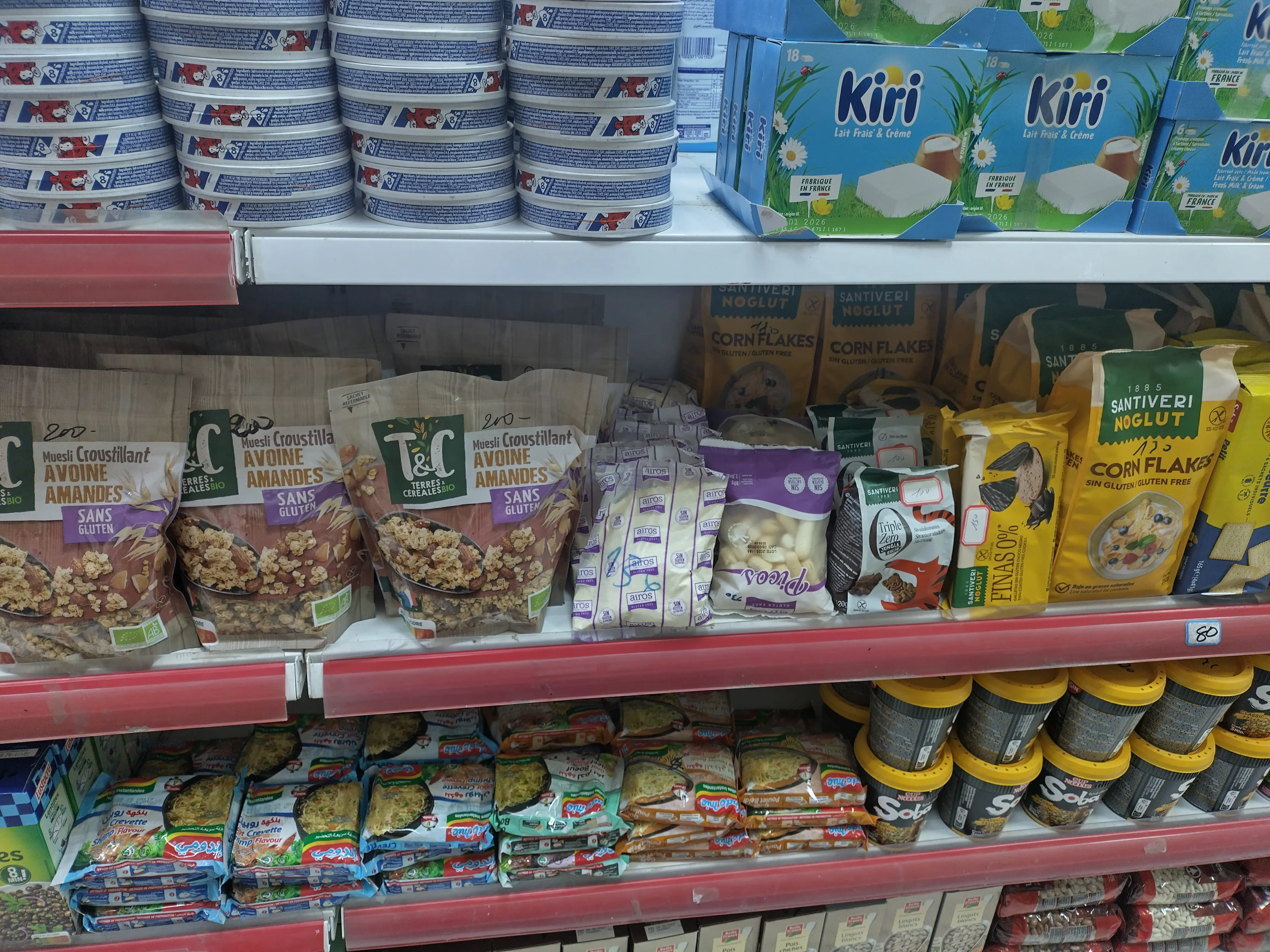
- Gluten-free products: Big Market in Nouakchott is the only place in the country where you’re likely to find imported GF products. They’re expensive European imports.
- Rural stretches: Shops in small towns stock basic produce only. Stock up on dates, chocolate, peanuts, rice, and vegetables before heading into the desert.
Contents
Personal Experience
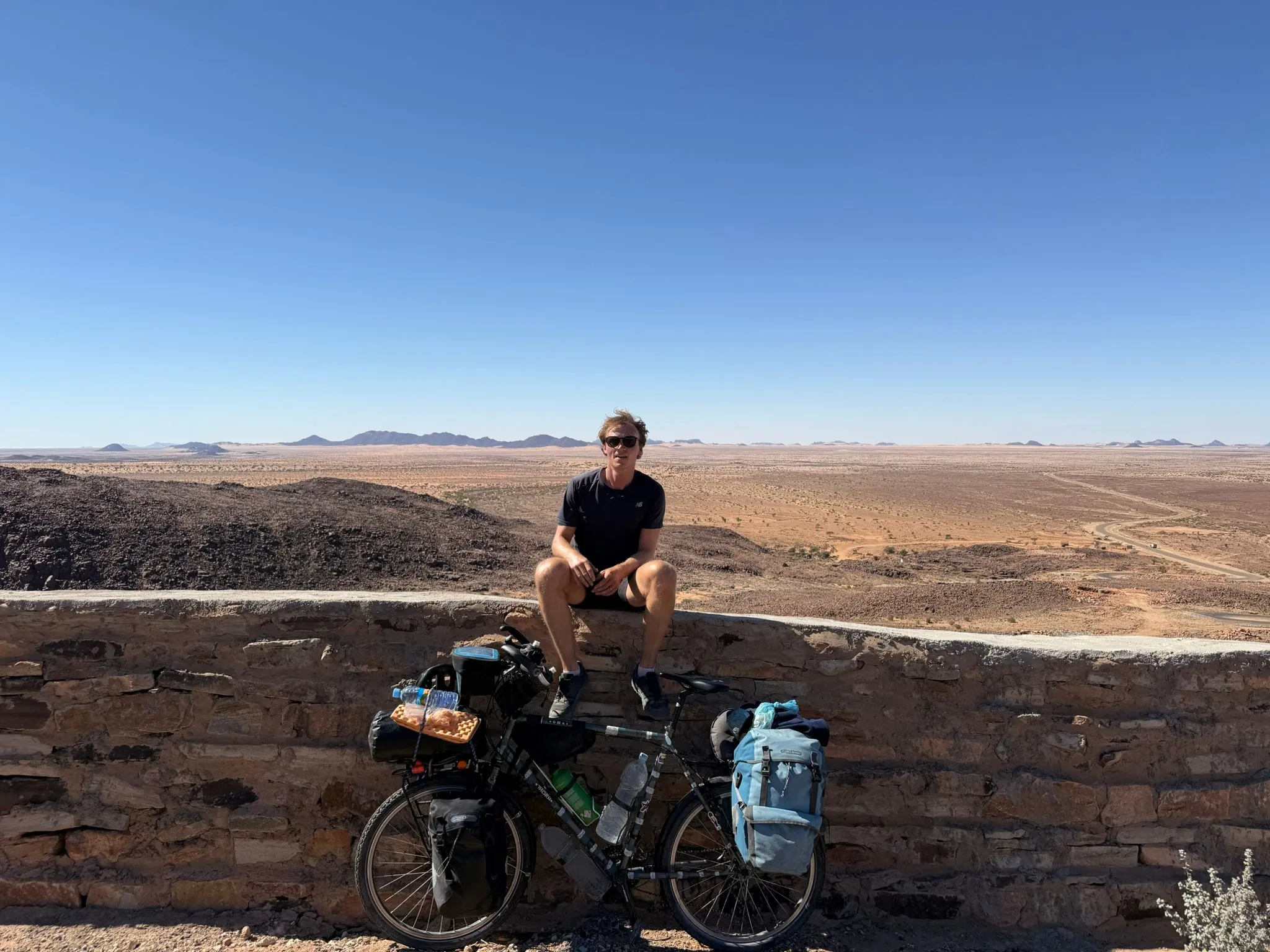
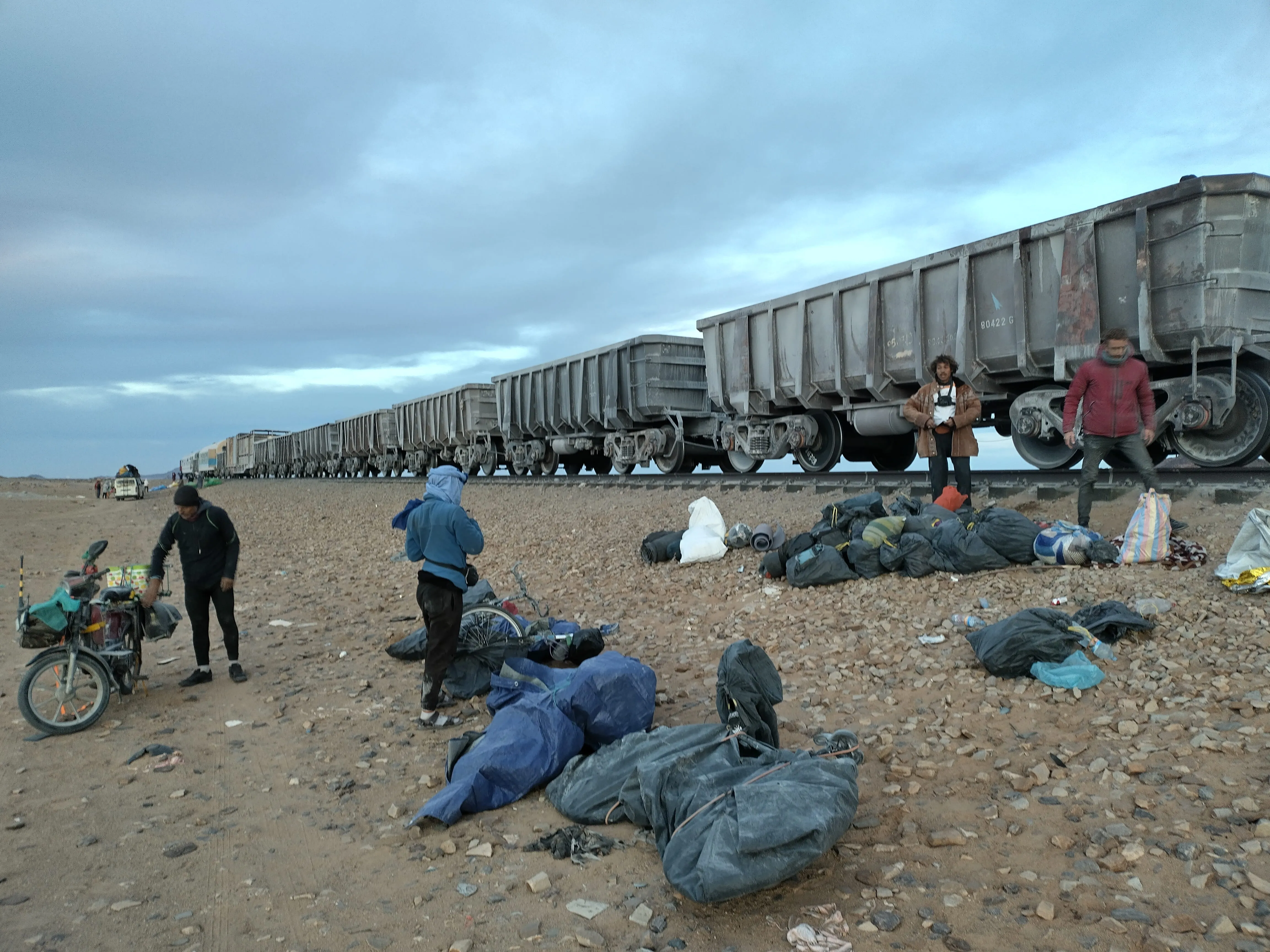
I spent three weeks cycling through Mauritania, riding from Morocco down to the Senegalese border, with a detour on the iron ore train in the north. It was an incredible experience, but certainly had its tough days. For the most part, food went back to the basics, surviving on rice, vegetables, peanuts and dates throughout the desert stretches, then indulging on varied restaurant food in Nouakchott.
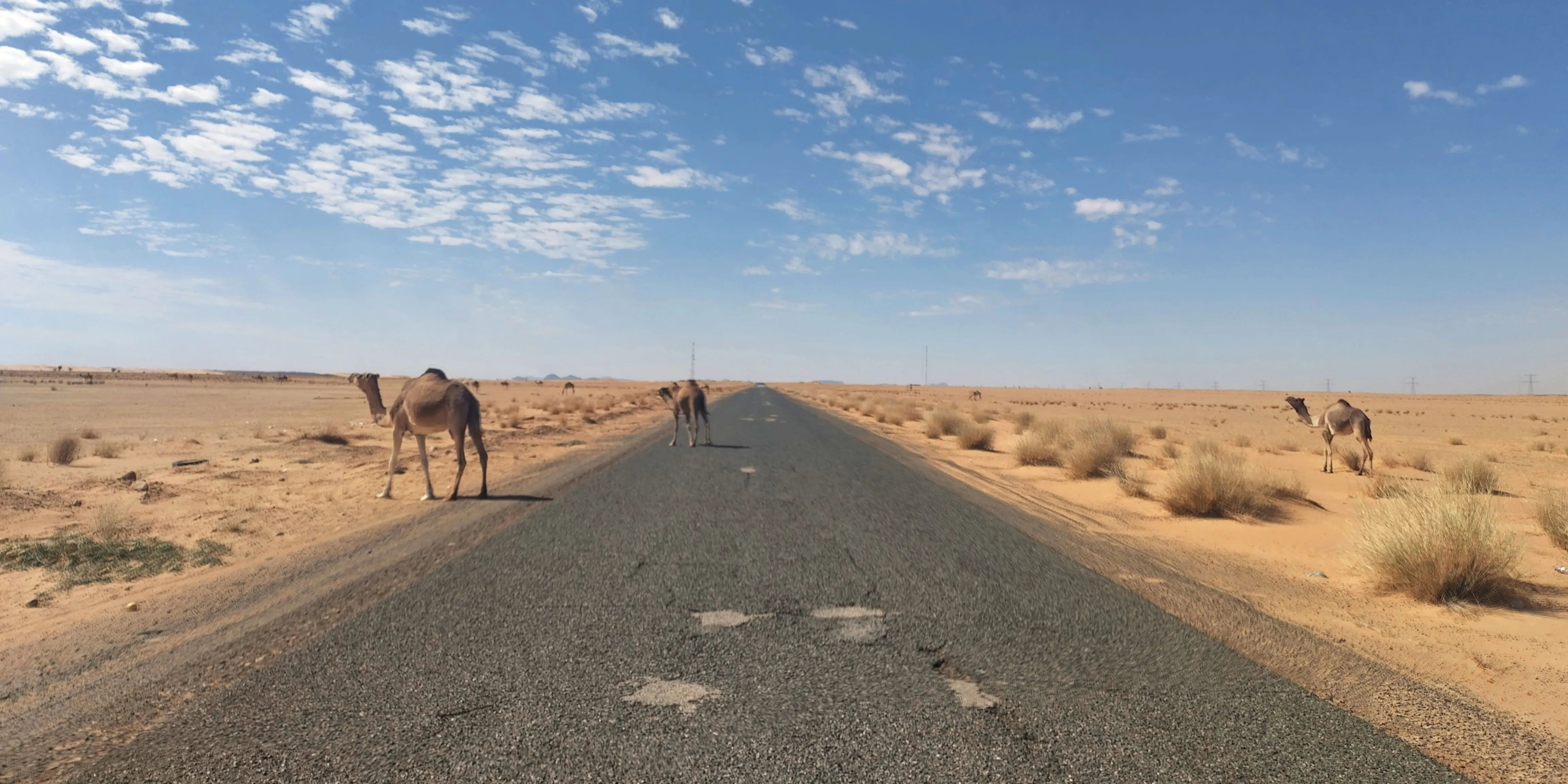
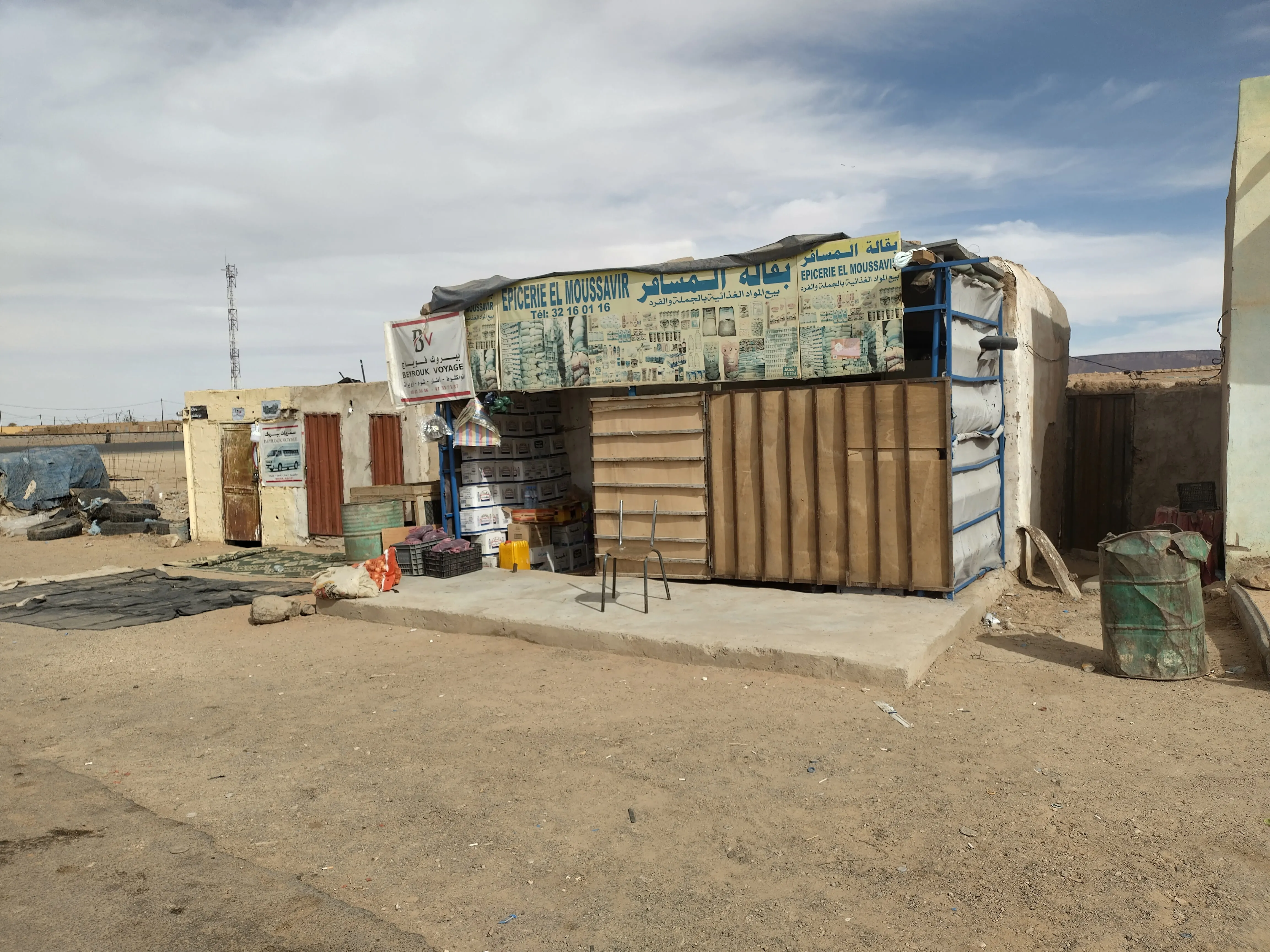
The riding took me through Nouadhibou, up to Choum on the train, down through Atar, and then south via Nouakchott to the border. In the long, dreary desert sections between towns, there were no restaurants, and the occasional small shop that carried the bare basics. To my surprise, nomads lived alongside the tarmacked highways, so I was never too far from people despite feeling like I was in the middle of nowhere.
I’ll be honest and say that the food was certainly not a highlight in Mauritania, especially as a celiac. At times it felt like food became something I had to eat rather than wanted to eat.
Gluten Awareness
There is none, to speak of. Celiac disease is not a recognised concept in Mauritania, and you’re unlikely to encounter anyone in a restaurant or shop who knows what gluten is. This isn’t a slight, it’s just not part of the food culture here. People sometimes struggle to comprehend that you cannot eat bread, a daily staple for most.
If you can’t speak Arabic, communication in French will get you further than anything else. It is widely spoken, particularly in cities and in any establishment catering to visitors. It’s rare to find English-speaking locals. There is no government labelling scheme for gluten-free products, and no legislation around allergen disclosure in restaurants. You’re on your own, which means defaulting to naturally GF dishes and avoiding anything where wheat might be lurking.
Couscous is everywhere in Mauritanian cuisine and is an immediate no. Bread (often a baguette-style loaf, a legacy of French colonial influence) will appear at most meals.
Eating Out
Mauritania is not a country with a developed restaurant scene. Outside of Nouakchott, options are limited to local eateries, and even there, menus are often whatever is being cooked that day. The three main cities on the western route are worth covering separately.
Nouadhibou
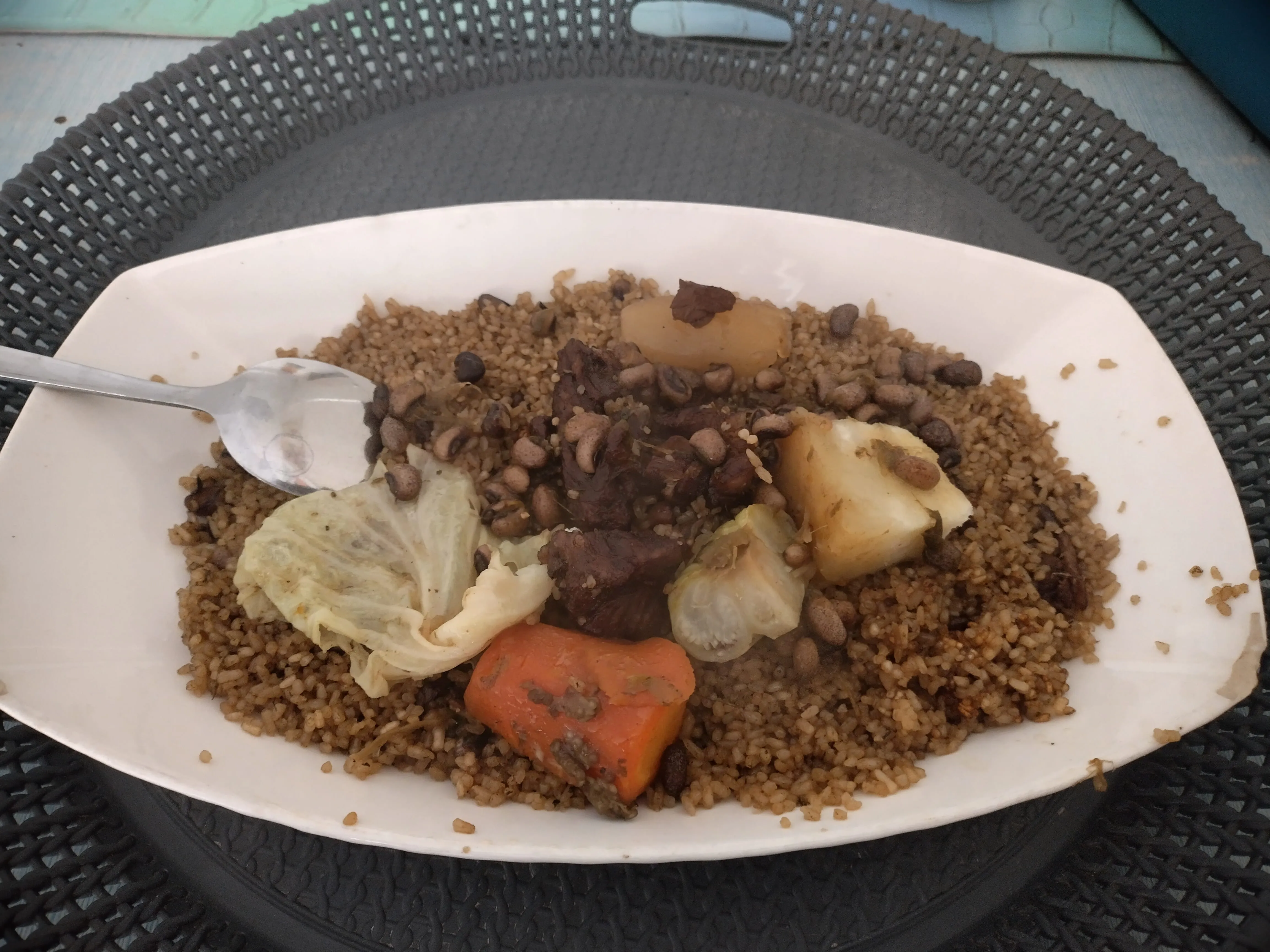
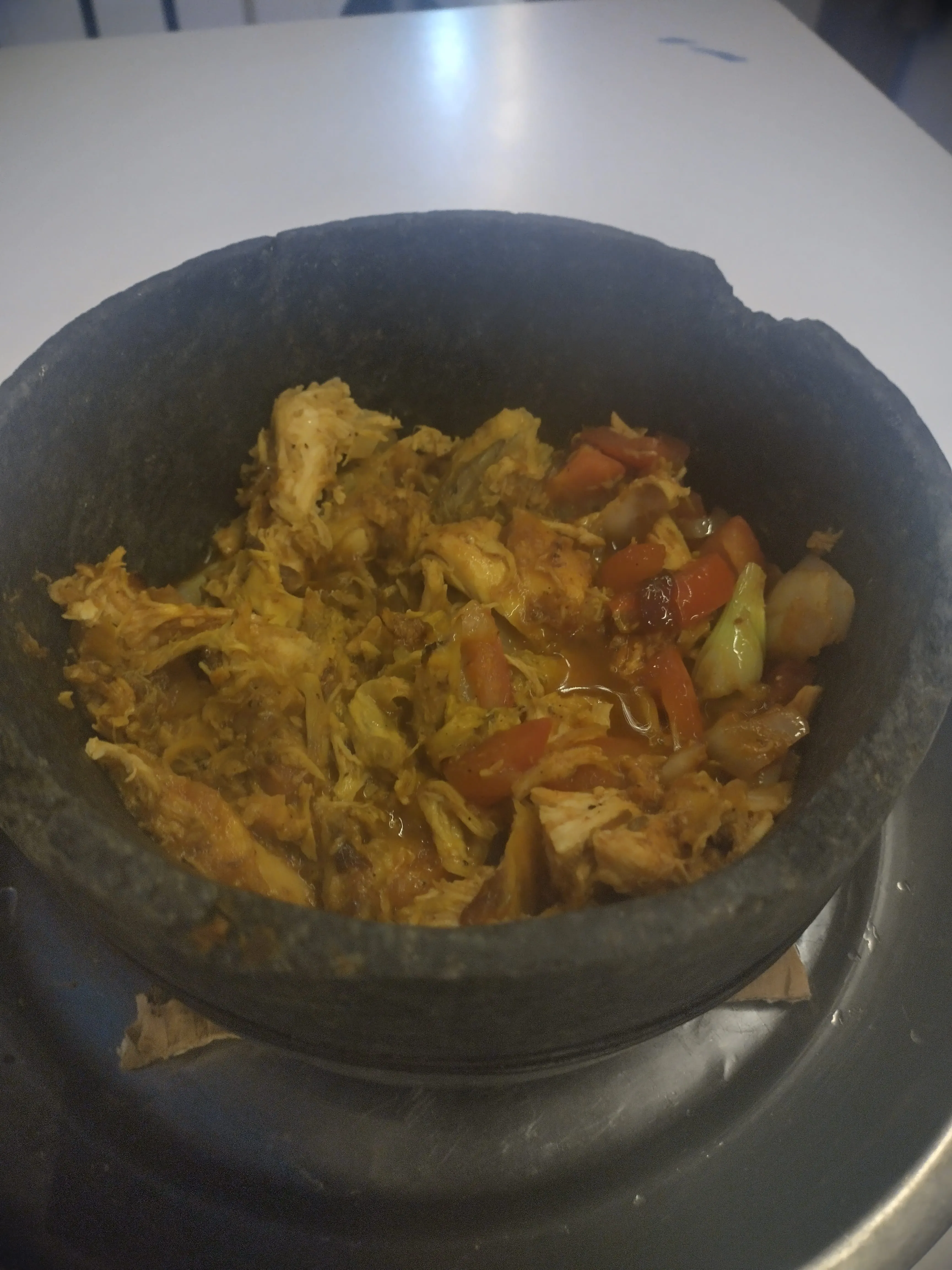
Nouadhibou is the northern port city, and the restaurant scene is local and unfussy. You’ll find West African food: thieboudienne, fried chicken with fries and grilled fish. Most of these are naturally GF, though fried items carry the usual cross-contamination risk from shared oil. I ate thieboudienne several times here without issue — it’s a fish and rice dish cooked in tomato sauce, and it’s a delicious, nutritious option.
Atar
Atar is the gateway to the Adrar region and the food options are pretty bleak. There are a handful of basic local restaurants serving rice and meat dishes, but the town is small and the food scene reflects that. There are a couple of little shops and a well stocked market where you can gather supplies.
Nouakchott
Nouakchott is where things open up. The capital has everything Nouadhibou has, plus a wider variety of international restaurants that happen to suit celiacs well. Yemeni restaurants are a strong bet with their grilled meats, rice, and vegetable dishes forming the backbone of the menu, and cross-contamination risk is lower than in a kitchen churning out wheat-based dishes. Indian restaurants are similarly useful: rice-based dishes, dal and vegetable curries.
The West African staples remain the best default. These include thieboudienne, grilled chicken and yassa poulet (chicken in onion and lemon sauce, served with rice or fries), and can be found all over the city. Watch out for couscous dishes and anything served with bread as the base.
Safer Restaurant Types:
- West African local restaurants — thieboudienne, grilled meats, yassa poulet; all naturally GF if served with rice. Widespread in both Nouadhibou and Nouakchott.
- Yemeni restaurants (Nouakchott) — grilled meats and rice-based dishes dominate. A surprisingly good option for celiacs.
- Indian restaurants (Nouakchott) — rice dishes, lentil dal, vegetable curries. Avoid bread and confirm no wheat-based thickeners in sauces.
Challenging Restaurant Types:
- Anything serving couscous — couscous is made from semolina wheat. It’s a staple and it’ll be offered everywhere. Always ask for rice instead.
- Fried chicken and fries — fries are often fine, but shared fryers with breaded items are a risk. Oil cross-contamination is hard to avoid in smaller local spots.
- Street food stalls — grilled meat skewers can be fine, but pastry-based snacks and sandwiches are common. Assess carefully.
Fast Food Chains: There are no international fast food chains in Mauritania.
Groceries
Supermarkets
There are no supermarket chains in Mauritania. What exists is a collection of independent shops of varying size and stock. The exception is Big Market in Nouakchott, probably the largest supermarket in the country. It’s the only place I found anything resembling dedicated GF products: imported European items, packaged and labelled, and priced accordingly. Still, the stock was limited to pasta, biscuits and oats. If you’re reliant on having GF substitute items, I would recommend you bring your own wth you, if possible.
Outside of Nouakchott, shops in small towns carry basic produce: rice, oil, tinned tomatoes, sardines, chocolate, dates (sometimes) and peanut butter.
Markets
The further you get from the capital, the more you’re relying on naturally GF staples. The markets in smaller towns are good for fresh produce, spices and the following reliably GF items:
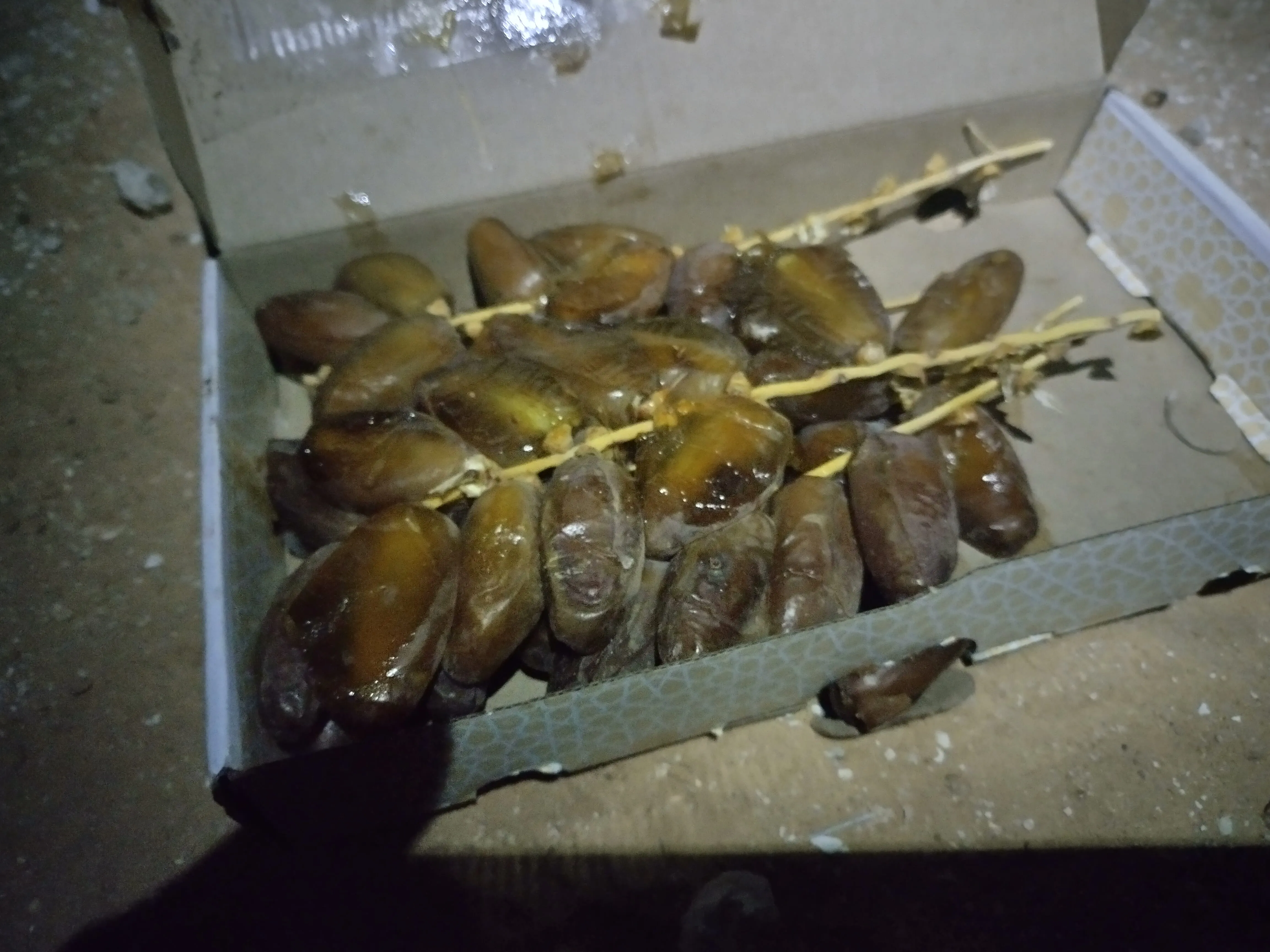
- Dates
- Peanuts — raw or roasted
- Rice
- Vermencilli noodles (I was surprised by this one too)
- Fresh vegetables (onions, tomatoes, sweet potato etc)
- Fresh fruit (bananas, oranges depending on region and apples)
A Note on Food Prices
Mauritania is the worst culprit for charging “tourist prices” that I’ve come across in Africa. Vendors would unashamedly charge ridiculous prices for basic items, multiple times the price you’d pay in Europe for the same product. This was even true for my Arabic-speaking Moroccan friend. I’d try to stick to shops that labelled the price to avoid this. In the markets, I would often move onto the next shop if the quoted price seemed high.
me pedalling through long desert sections.
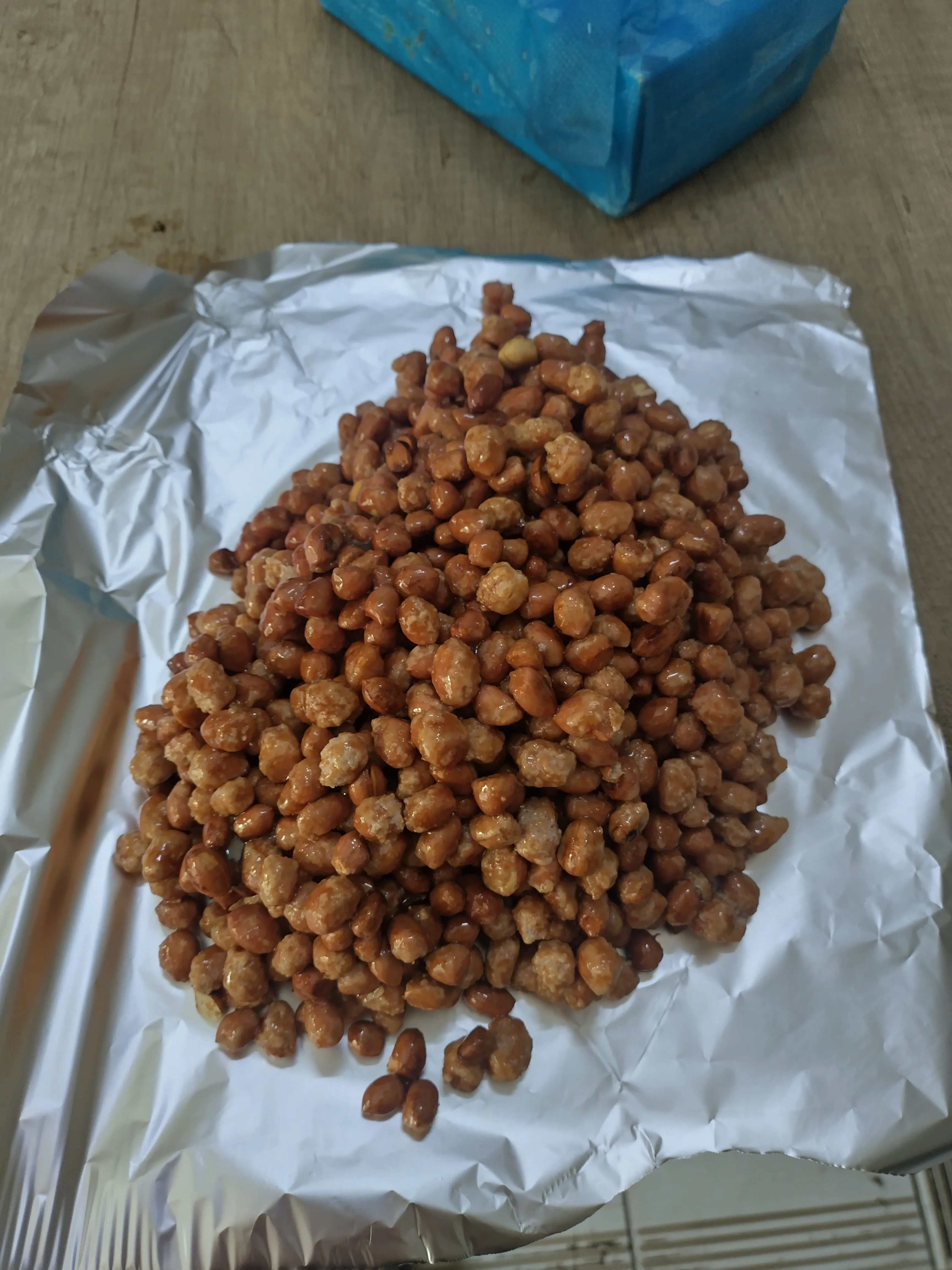
I would caramelise them.
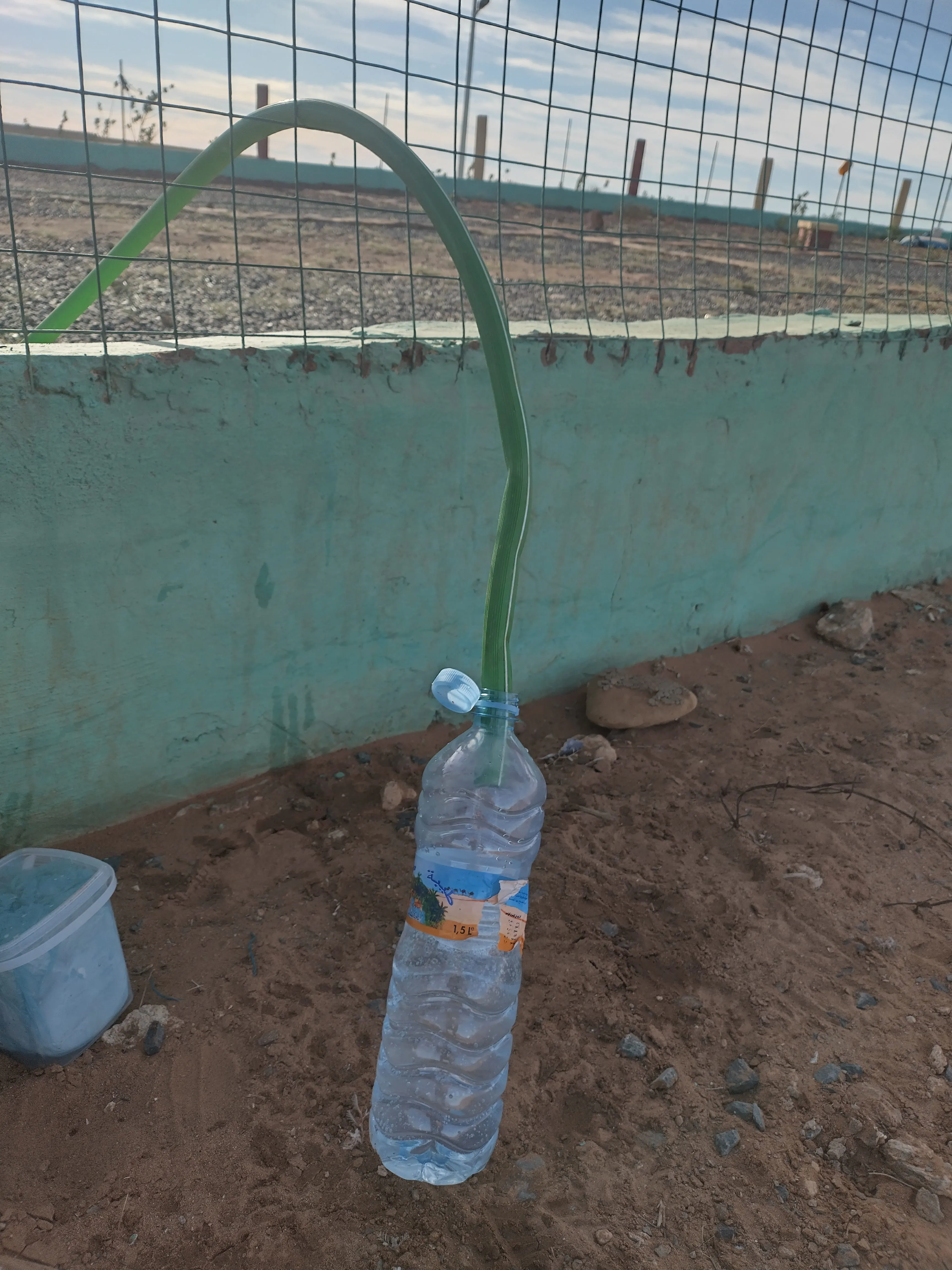
across than food.
Words to Remember
Mauritania’s official language is Arabic (Hassaniya dialect), but French is widely spoken and is your most practical tool for communicating dietary needs.
General Vocabulary
| English | French |
|---|---|
| Gluten | Le gluten |
| Wheat | Le blé |
| Flour | La farine |
| Bread | Le pain |
| Couscous | Le couscous |
| Rice | Le riz |
| Celiac disease | La maladie cœliaque |
| Allergy | L’allergie |
| Without | Sans |
| Ingredients | Les ingrédients |
Useful Phrases for Eating Out
| English | French |
|---|---|
| I am allergic to gluten. | Je suis allergique au gluten. |
| I am allergic to wheat. | Je suis allergique au blé. |
| I cannot eat wheat or flour. | Je ne peux pas manger du blé ou de la farine. |
| Does this dish contain wheat or flour? | Est-ce que ce plat contient du blé ou de la farine ? |
| Can you make it without bread? | Pouvez-vous le préparer sans pain ? |
| Can I have rice instead of couscous? | Puis-je avoir du riz à la place du couscous ? |
| I have celiac disease. | J’ai la maladie cœliaque. |
| It is a medical condition, not a preference. | C’est une condition médicale, pas une préférence. |
| Which dishes do not contain wheat? | Quels plats ne contiennent pas de blé ? |
| Is this made with wheat flour? | Est-ce fait avec de la farine de blé ? |
Conclusions
- Mauritania is manageable for celiacs, but you need to be self-sufficient, and know what to avoid in restaurants.
- The local cuisine is rice and meat-heavy, which works in your favour. Thieboudienne, grilled meat, yassa poulet are all naturally GF staples worth knowing.
- Couscous is a common staple and is made from wheat. Always ask for rice as a substitute.
- Big Market in Nouakchott is the only source of dedicated GF products in the country. If you need substitute items, this is your stop.
- Stock up on dates, peanuts, rice, and tinned goods before heading into desert sections. There will be nothing between towns.
It depends heavily on where you are. In Nouakchott, naturally GF options are relatively easy to find — West African rice dishes, Yemeni and Indian restaurants. In smaller cities and desert areas, you’re largely cooking for yourself. There is no celiac awareness and no GF labelling outside of one supermarket in the capital. With careful planning and a willingness to self-cater, it’s doable.
Big Market in Nouakchott is the only place in the country where I found imported GF products. They are expensive European items — think GF pasta, crackers, and cereals — but they exist. Everywhere else in the country, you’re relying on naturally GF whole foods: rice, vegetables, meat, fish, dates, and peanuts.
Thieboudienne — the national dish of fish and rice cooked in tomato sauce — is your best bet in most restaurants. It’s naturally GF and available everywhere from Nouadhibou to Nouakchott. Grilled meats with rice are another reliable option. The main thing to avoid is couscous, which is made from semolina wheat and appears on most menus.
Use French. French is widely spoken throughout Mauritania, particularly in cities and in any establishment with a menu. The most useful phrase is “Je suis allergique au blé et au gluten — je ne peux pas manger de farine de blé” (I am allergic to wheat and gluten — I cannot eat wheat flour). Pointing to couscous and bread and clearly saying “sans ça” (without that) while asking for rice will take you far in local eateries.
Traditionally, yes. Thieboudienne is a fish and rice dish cooked in tomato sauce with vegetables, and it contains no wheat ingredients. As with any dish, there’s always a small risk of cross-contamination in a busy kitchen, but it’s one of the safer and more reliable options for celiacs eating out in Mauritania.
Tags :
Share :
Related Posts
Gluten Free Beer in Argentina
Argentina has a unique and up-and-coming gluten free (GF) beer scene. Local laws have enabled 100% GF beers to emerge in the market, and in recent years it has become more available. In this article, I’ll cover what makes the Argentinian GF beer market so unique, where you can buy it, and which beer
read more
Argentina: A Gluten Free guide
Argentina is surprisingly on it with celiac disease. There is huge awareness of the condition, even in remote parts of the country, and gluten free essentials are widely available in the larger supermarket chains. With a small amount of consideration for which restaurants you visit, it is very feasi
read more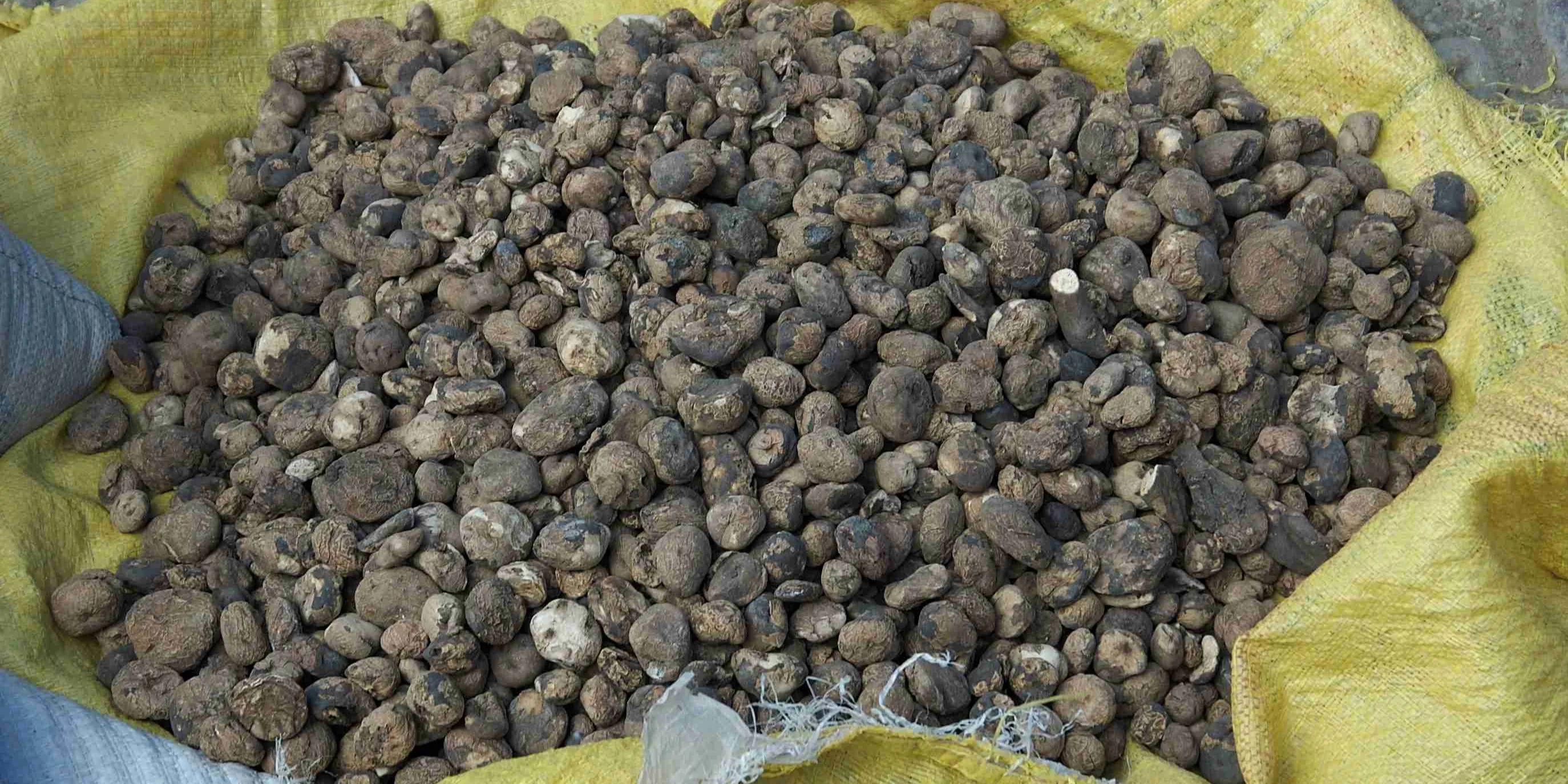
Are Chuños Gluten Free?
Chuños are freeze-dried potatoes, making them naturally gluten free. However, some of the Bolivian and Peruvian dishes they are traditionally used in do contain gluten. They’re a must-try if you’re visiting the region — a unique food item found almost nowhere else in the world.
read more
Bolivia: A Gluten Free Guide
Bolivia is one of the more challenging countries to travel through as a celiac. When eating out, there are naturally gluten free dishes, but the level of cross-contamination is high, and wheat flour finds its way to a surprising number of items. If cooking for yourself, naturally gluten free food is
read more
A Complete Guide to Gluten Free Bolivian Restaurant Dishes
Before visiting Bolivia, we did zero research into restaurant food and regretted it deeply. The menus were indecipherable, even with a working knowledge of Spanish. It was difficult to work out what each dish contained, never mind whether it was gluten free or not.
read more
Chile: A Gluten Free Guide
Chile is not the celiac paradise that Argentina is next door, there's no restaurant allergen law, rural options are slim, and staff awareness is inconsistent at best. That said, the Chilean diet leans naturally gluten free, Santiago has a growing dedicated GF scene, and if you're willing to live on
read more
Ecuador: A Gluten Free Guide
Ecuador's traditional diet leans heavily on corn, rice, cassava, and plantains, which makes it a surprisingly good destination for celiacs willing to eat simply. Celiac awareness is low and GF labelling is rare, but the naturally gluten free options, especially through markets and the menu del día,
read more
Is Quinoa Gluten Free?
Yes, quinoa is naturally gluten free. It contains no wheat, barley, or rye, and has been a staple food in the Andes for thousands of years. The catch, and there is one, is cross-contamination. Quinoa is often grown, harvested, and processed alongside gluten-containing grains, which means unlabelled
read more
Morocco: A Gluten Free Guide
Morocco is a brilliant place to travel; it has a vibrant culture, interesting landscapes and lovely people. Cycling for 3 months through Morocco taught us that this fantastic country is also one of the toughest for gluten-free travellers. This guide breaks down exactly what food is available off the
read more
Peru: A Gluten Free Guide
Peru is not a country that has caught up with celiac disease. When I was there in 2019, GF labelling was essentially non-existent outside Lima, and restaurant staff in rural areas were more likely to be baffled by the question than helpful. That said, Peru's traditional Andean diet is built on potat
read more
Cusco: A Gluten Free City Guide
Cusco is the most celiac-friendly city in Peru outside Lima, which is not a particularly high bar to clear. That said, the tourist centre has a decent cluster of restaurants that understand the question, mark GF options on their menus, and won't look at you blankly when you mention gluten. The menú
read more
A Gluten Free Guide to Poland
Poland surprised me, but then again, much of Eastern Europe has far surpassed my expectations as a celiac. In the cities and in supermarkets, you're in genuinely good hands: plentiful free-from aisles, strict EU labelling laws, a dedicated certification symbol, and a growing network of certified glu
read more
Gluten Free in Romania
Romania is a country of two speeds for celiacs: Bucharest has a genuinely improving GF scene with certified bakeries and dedicated menus, while rural areas still run almost entirely on wheat. Supermarkets in bigger towns will keep you fed either way.
read more
Senegal: A Gluten Free Guide
Senegal is a manageable country for celiacs, largely because so much of the traditional food is naturally gluten free. Thieboudienne and mafé are safe, filling, cheap, and available everywhere. Supermarkets stock no gluten free substitutes to speak of, so if you rely on GF bread or pasta, you'll nee
read more
Is Mafe Gluten Free?
Mafe is usually gluten free. It's a rich peanut stew made with meat, tomatoes, and vegetables, with no wheat in the traditional recipe. That said, some cooks thicken it with wheat flour, so it's not one you can order blindly without checking.
read more
Is Thieboudienne Gluten Free?
Thieboudienne is naturally gluten free, made from rice, fish, tomatoes, and vegetables. The one caveat is the stock cube used in its preparation, which is worth checking, but the main Senegalese brands are GF.
read more
Gluten Free in Mississippi
Mississippi is a mixed bag for celiacs. Chains and Walmart have your back, but local diners and Southern classics are a minefield of shared fryers and flour-dusted everything. Here's what I learned over two months of work trips.
read more
South India: A Gluten Free Guide
India is a beautiful, diverse country with rich food traditions. The South, in particular, is an excellent destination for gluten-free travellers thanks to its reliance on rice, lentils, coconut, vegetables, and spices. This guide focuses on South India, where we spent three weeks exploring, eating
read more
Is Dosa Gluten Free?
Dosa is naturally gluten free, made from a fermented batter of rice and lentils. Most varieties are safe for celiacs, though a handful of dishes served alongside dosa are worth watching out for.
read more
Kenya: A Gluten Free Guide
Kenya is a brilliant country to travel through as a celiac. celiac awareness is virtually zero, but the traditional diet is naturally gluten free, fresh food is abundant, and self-catering is easy and enjoyable.
read more
Is Ugali Gluten Free?
Ugali is Kenya's staple food, eaten by the vast majority of the population at least once a day. It is made from maize flour and water, which makes it naturally gluten free. Here's what a celiac needs to know about eating it safely in Kenya.
read more
Nairobi: A Gluten Free Guide
Nairobi is a great city to visit as a celiac. Celiac awareness is low, but the food scene is excellent, self-catering is easy, and the traditional Kenyan diet is naturally gluten free friendly. Here is what we learned after nearly a month in the city.
read more
Spain: A Gluten Free Guide
Ahhh Spain, lovely Spain. The weather’s (mostly) good, landscapes varied, and gluten free food is abundant. Celiac disease is well known, and there are some good government and third-party resources to help with eating out gluten free. With a bit of care, you can easily travel in Spain and successfu
read more