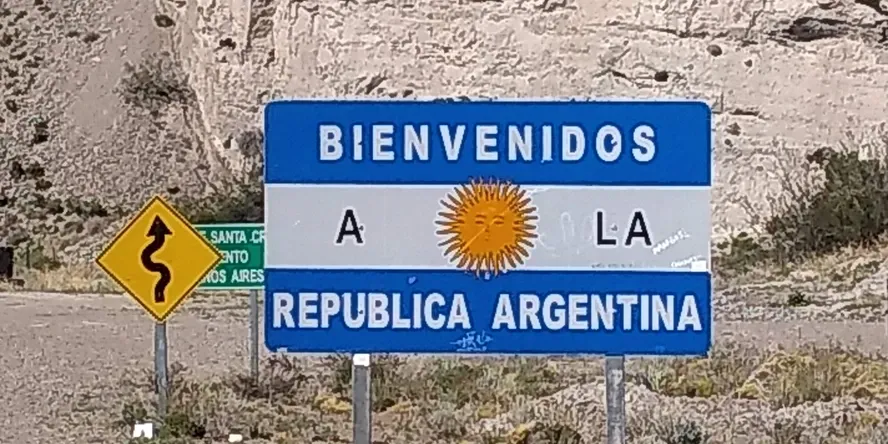
Argentina: A Gluten Free guide
Argentina is surprisingly on it with celiac disease. There is huge awareness of the condition, even in remote parts of the country, and gluten free essentials are widely available in the larger supermarket chains. With a small amount of consideration for which restaurants you visit, it is very feasible to travel through Argentina and not get glutened.
The cities are a celiac’s wonderland, with gluten free supplies widely available, and even dedicated gluten free cafés, restaurants, and shops. In rural areas, access to gluten free substitute items is more limited and you often have to rely on naturally gluten free foods.
Key Points
- GF Labelling: Argentina uses the strict Sin TACC label for guaranteed gluten-free products, making grocery shopping incredibly easy.
- Cities are a Wonderland: Cities offer abundant GF supplies, dedicated GF cafés/shops, and greater dining options.
- Easy Eating out: Restaurants are legally mandated to offer at least one safe GF option, but always verify with staff.
- Stock Up for Remote Travel: GF substitutes are limited in rural areas; stock up in major supermarket chains like Mercadona and Carrefour before heading off-grid.
- Communication: Know the crucial phrase “Soy celíaco” (I am a celiac) to ensure understanding.
Contents
Personal Experience
As a celiac, I found travelling through Argentina easy and stress-free. It is by far the safest Latin American country for a celiac. I spent three months in Argentina and not once got glutened.
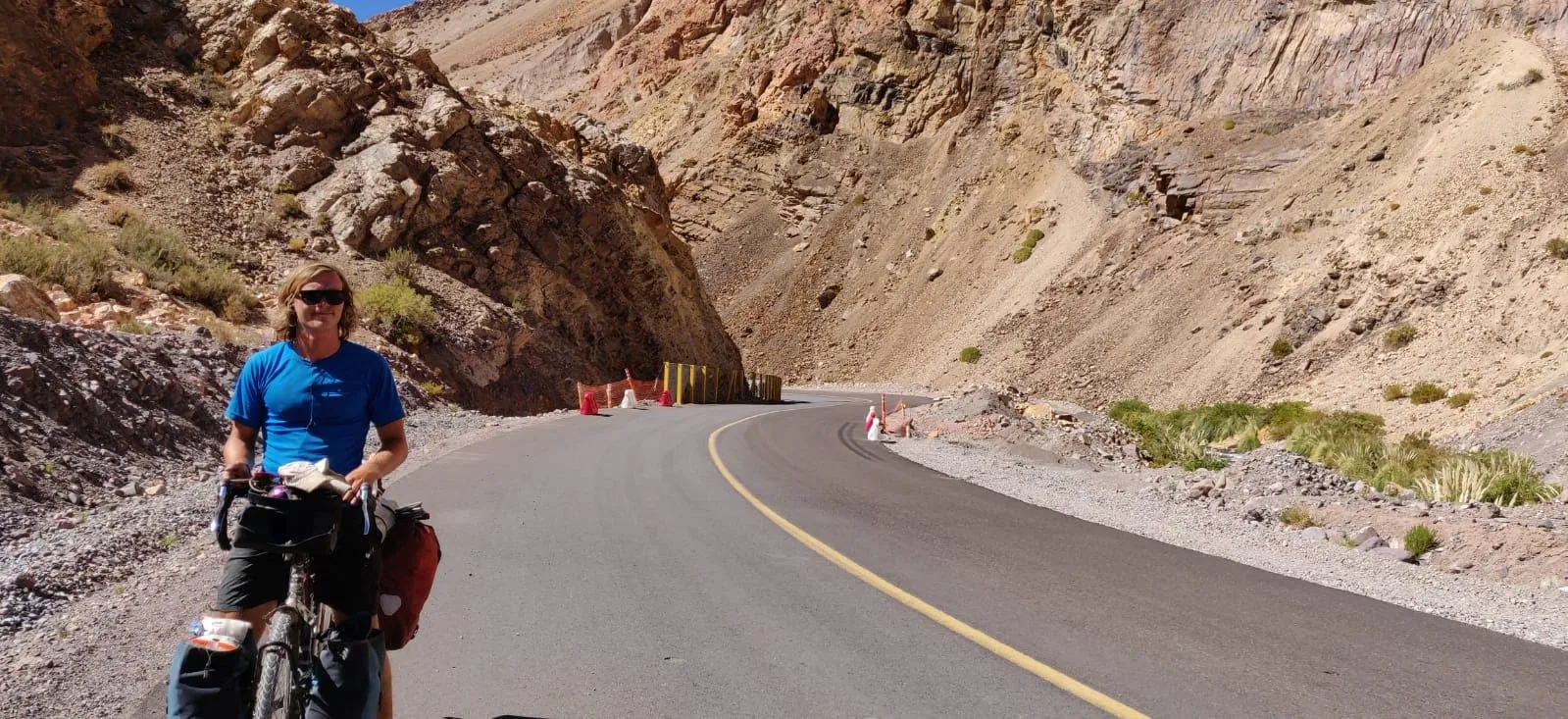
I travelled through the country by bicycle, riding from Patagonia up to the Bolivian border, spending long hours on the Ruta 40. For most of the time, I was travelling alongside the Andes through remote regions, but I also visited larger cities such as Mendoza, San Carlos de Bariloche, Salta, and La Rioja. While my experience may not represent the entire country, I found little difference between the regions I visited.
Argentinians are a friendly population in my experience. Several times, I was offered pastries or bread by locals for free. Often, it’s hard to decline generous, glutenous gifts from people while travelling—it can be taken as rude and ruin what would otherwise be a nice moment. In Argentina this wasn’t the case; people understood when I explained I was a celiac, and no offence was taken. Politeness still helps, though.
Gluten Awareness
If you say “soy celíaco”, 9 out of 10 people will understand what you mean. Thanks to a major government campaign and thorough legislation, there’s a high awareness of the disease (I get the feeling someone in the senate has celiac disease). The country even has an Asociación Celíaca Argentina, something you rarely find outside the western world.
Any product labelled gluten free must be registered with the National Administration of Medicines, Food and Medical Technology (ANMAT). In 2023, there were over 23,000 products registered [1].
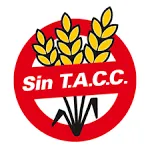
Registered gluten free products are labelled with the Sin TACC symbol (Sin Trigo, Avena, Cebada y Centeno: without wheat, oats, barley or rye). You’ll find this on all sorts of everyday items like rice, meat, and canned goods, along with dedicated gluten free substitutes. When in supermarkets I rarely had to check the ingredient lists on products, I would simply look for the Sin TACC label because it’s so widely used.
The widespread use of the Sin TACC label differs from anywhere else I have visited. There are so many registered products that it’s even possible to avoid foods that “may contain gluten”. The result: an easy life for celiacs.
Eating Out
A law in Argentina mandates that every restaurant must offer at least one safe gluten free option and clearly mark it on the menu, either with the Sin TACC logo or a GF symbol. I’ve never come across another country where this is law.
It’s taking time for all restaurants to comply, and some regions don’t enforce it strongly, so unfortunately it can’t be assumed that every establishment will cater for celiacs. Some restaurants are naturally safer than others; the sections below cover the best and worst types. Keep in mind that how good a restaurant is at catering for celiacs varies heavily on a case-by-case basis. Your best bet is to check local listings on the Find Me Gluten Free app.
Safer Restaurant Types
The following restaurant types are typically the safest, offering at least some naturally gluten free dishes:
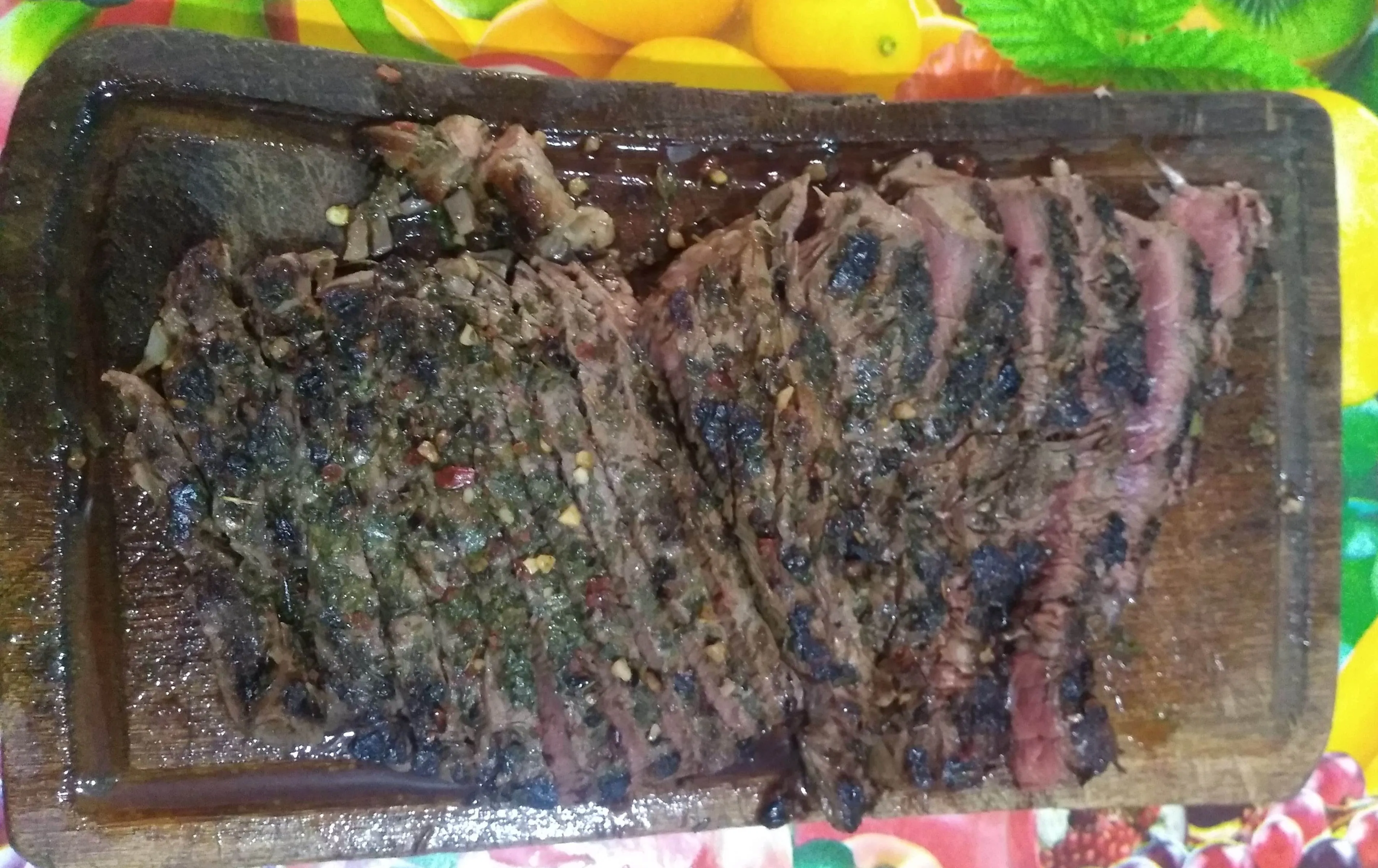
- Parillas – steakhouses
- Marisquerías – seafood restaurants
- Restos – typical restaurants
- Quinchos – grill houses, meat with salad and simple sides
Challenging Restaurant Types
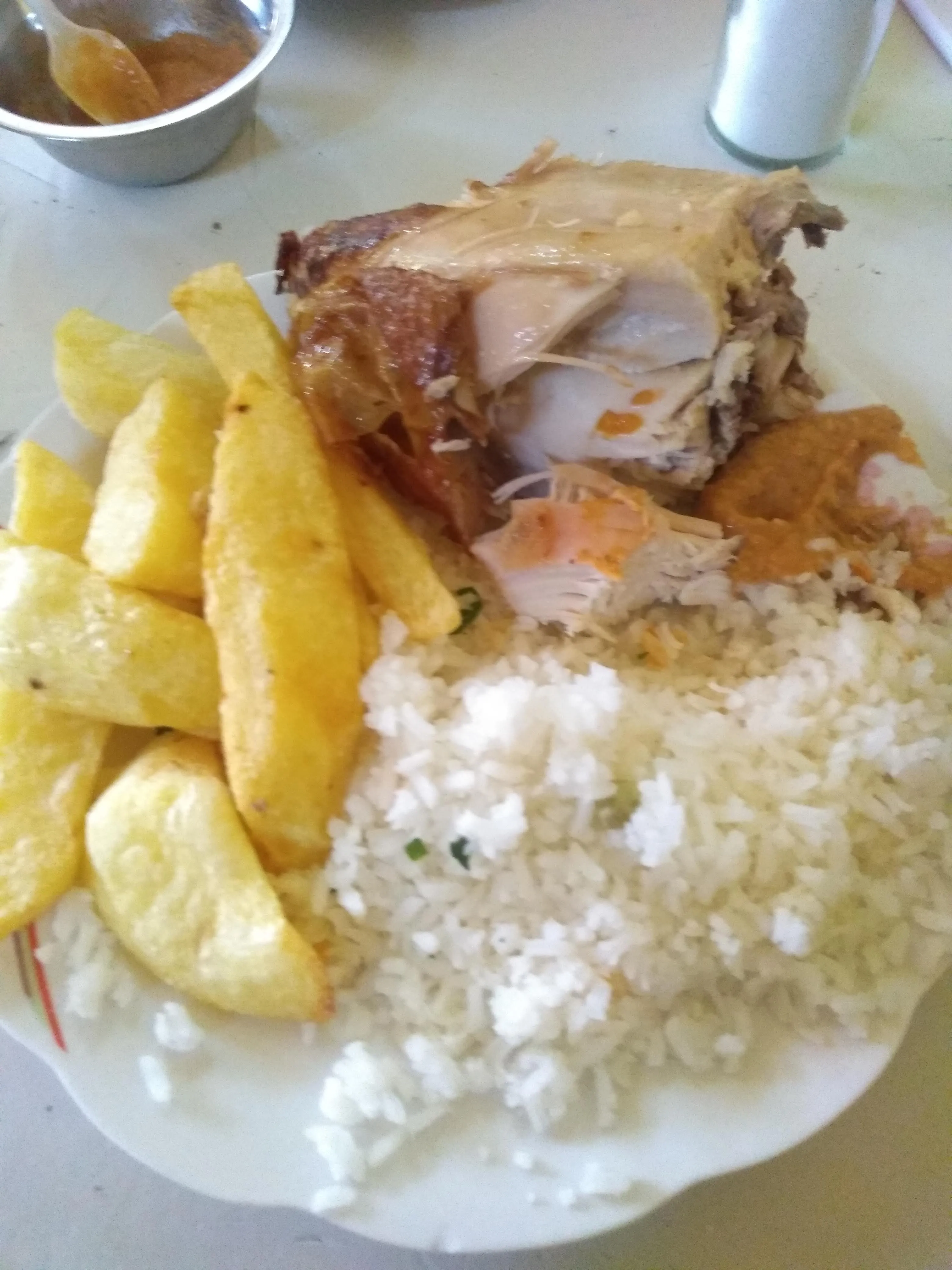
- Bodegones — these are a gluten minefield*
- Cantinas — similar to bodegones but Italian-oriented
- Rotiserías — takeaway fast food
*Bodegones serve homestyle food in a relaxed atmosphere and are a deep part of Argentinian culture, but much of the food they serve is heavily wheat or breadcrumb dependent. Even if they offer a gluten free item on the menu, keep in mind that the kitchen is full of gluten and most operate with one shared fryer.
Fast Food Chains
Unfortunately, no major fast-food chain (McDonald’s, Burger King or Subway) currently offers gluten free buns or a gluten free menu.
Gluten Free Pizza
Pizza is a big deal in Argentina. Some pizzerias make gluten free bases, so you’re in luck!
Dedicated Gluten Free Establishments
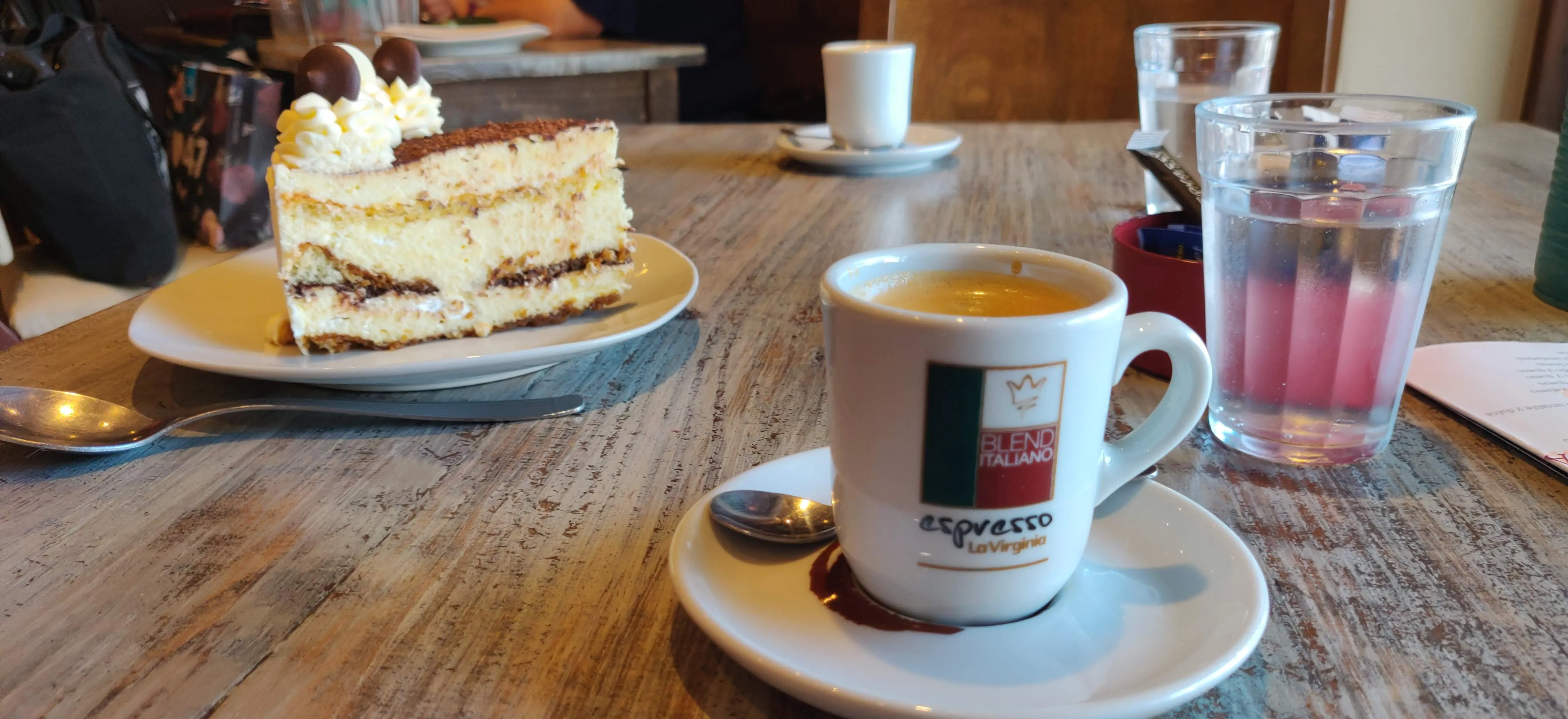
Entirely gluten free bakeries, cafés and restaurants exist across the country. Most big cities have at least one, often several. Here are a few recommendations:
- Ruca Umel – San Carlos de Bariloche
- Enebro Gluten Free – Mendoza
- Zero Gluten Aristides – Mendoza
- Napoli Sin TACC – Salta
Vineyards
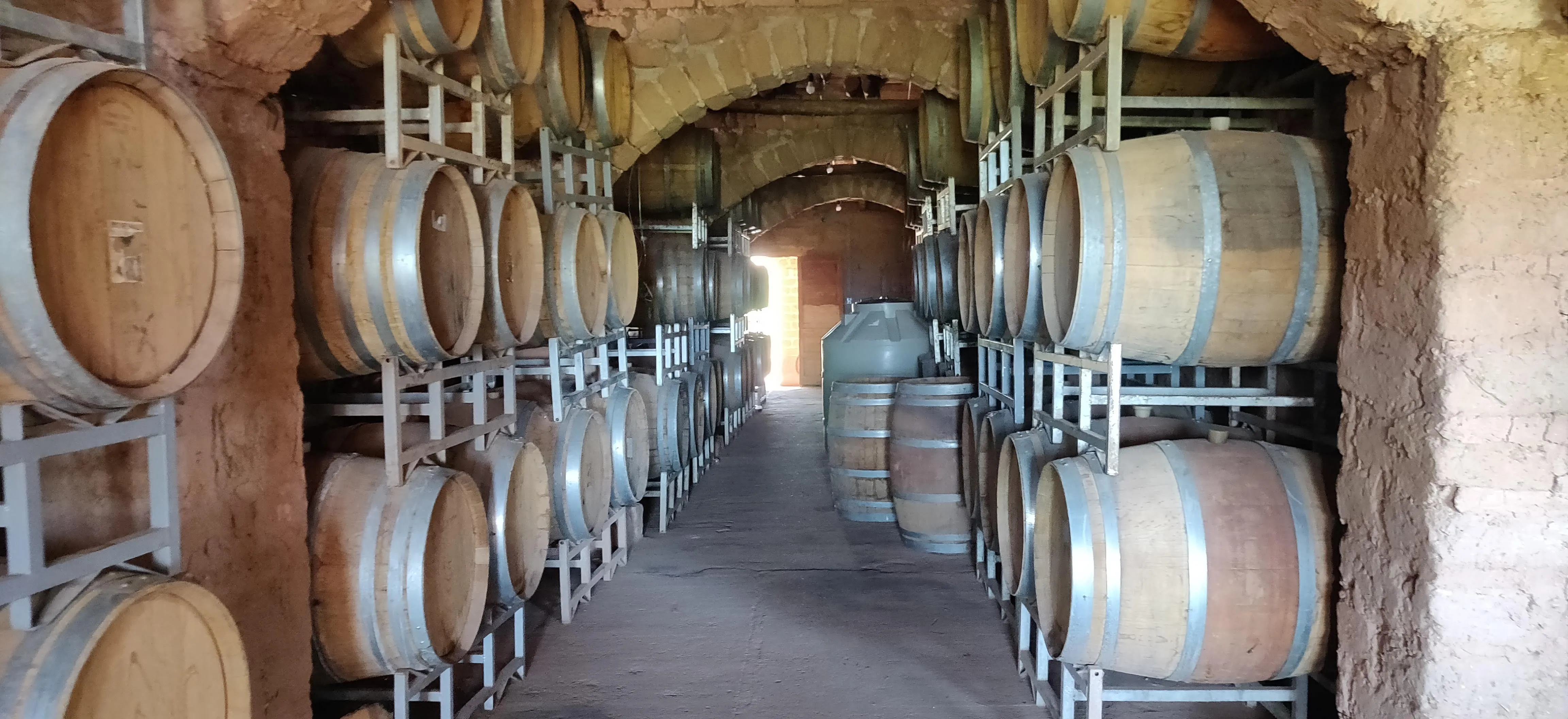
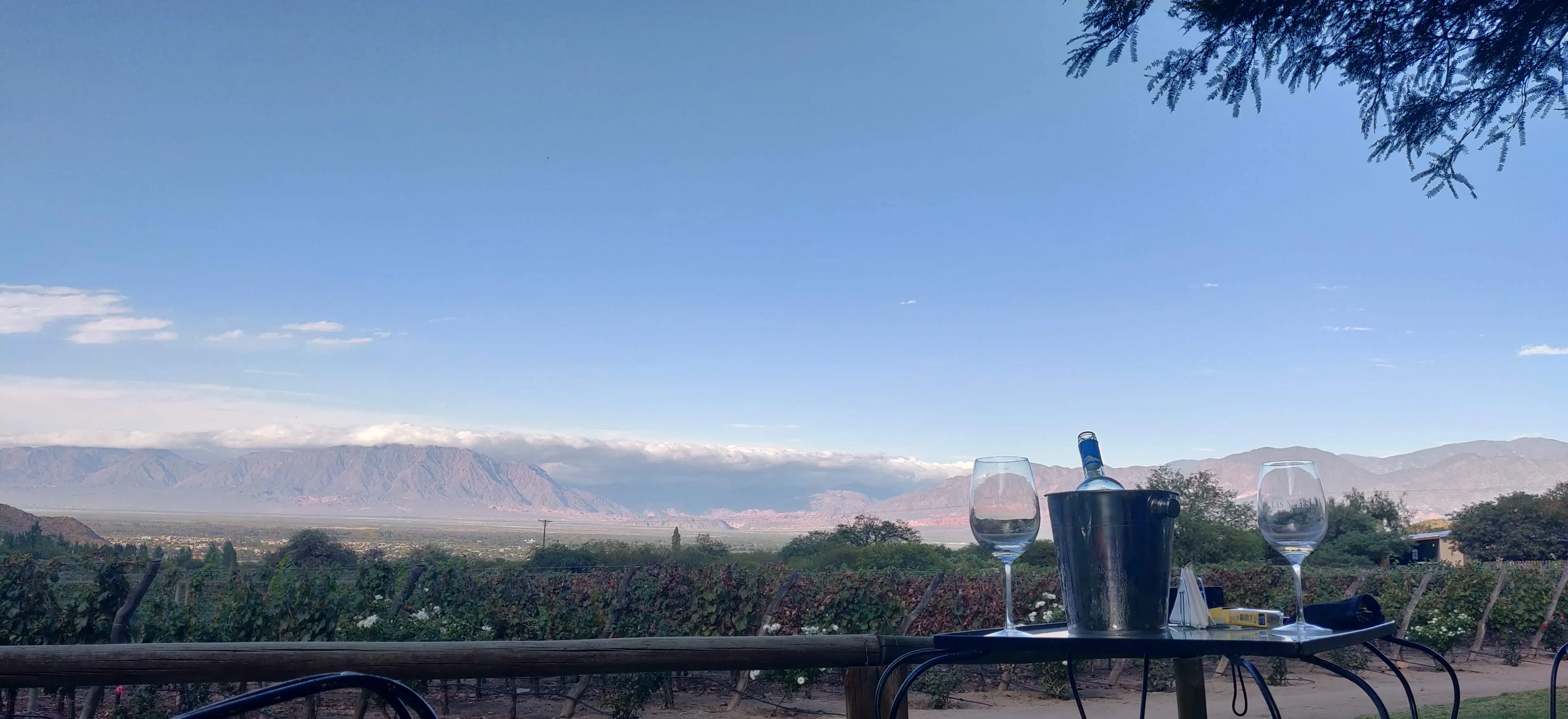
If you are a lover of wine, you’re in the right place. From Mendoza up to Salta, vineyards are abundant, and small wineries are common. Many have relaxed cafés or restaurants where you can enjoy their wine with finger food or a full meal. It’s idyllic. Finca Las Nubes in the Cafayate region was our favourite.
Torrontés, a fragrant dry white wine, is unique to the region and definitely worth trying. Back in Europe, we still find ourselves trying to source bottles of the stuff.
Groceries
Supermarket Chains
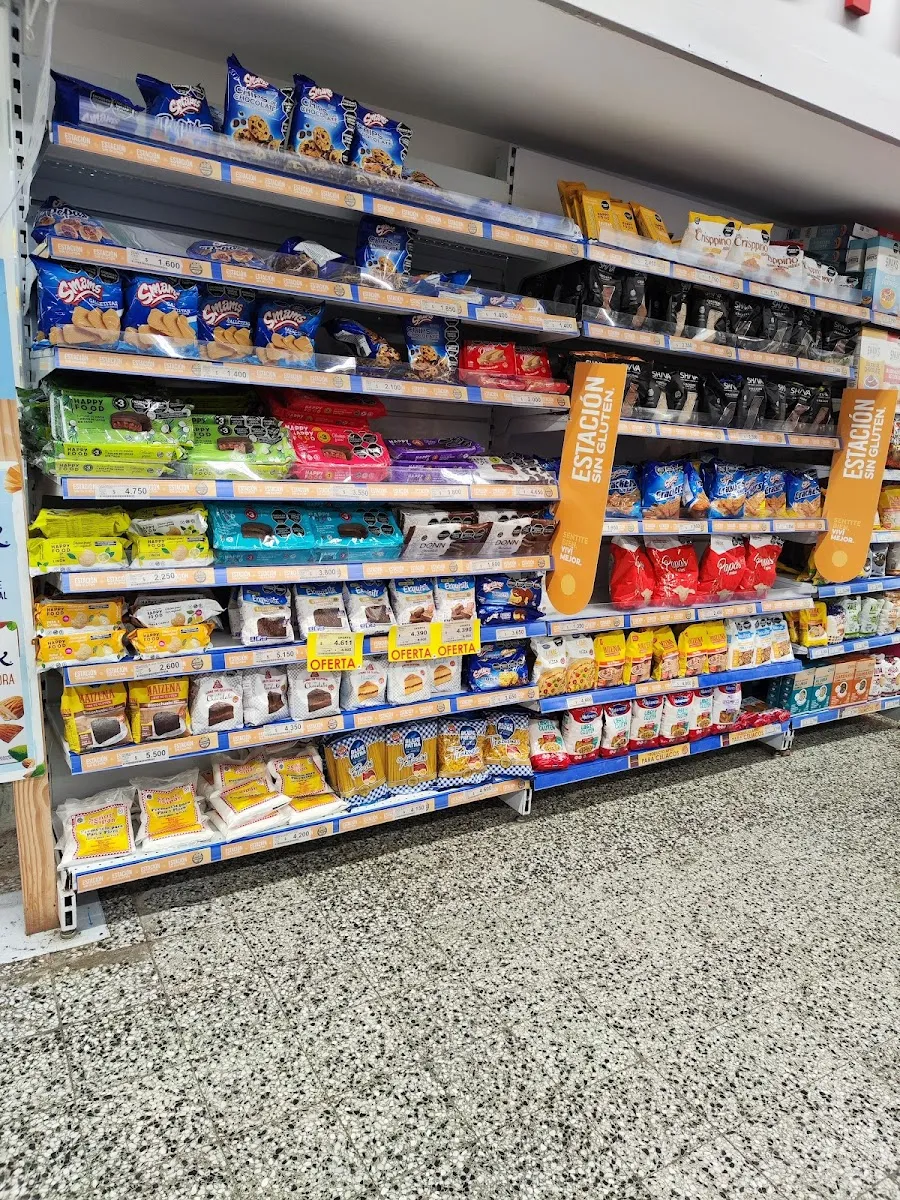
Large supermarket chains such as Carrefour, Jumbo, and La Anónima have well-stocked gluten free aisles. These aisles are often labelled “productos libres de gluten”.
I couldn’t believe my eyes when crossing into Argentina from Chile, a country largely devoid of gluten free substitute items, and seeing a dedicated gluten free section in a supermarket. There was even a big banner advertising gluten free food in the first La Anónima I visited. That day I gorged on cake and biscuits. See below for an overview of each supermarket chain.
La Anónima
- Location: Southern Argentina
- Type of stock: Argentinian GF items
- Avaialable items: biscuits, bread, beer, flour, pasta, stock, canned goods
- Price: low (similar to Europe)
Carrefour
- Location: country-wide
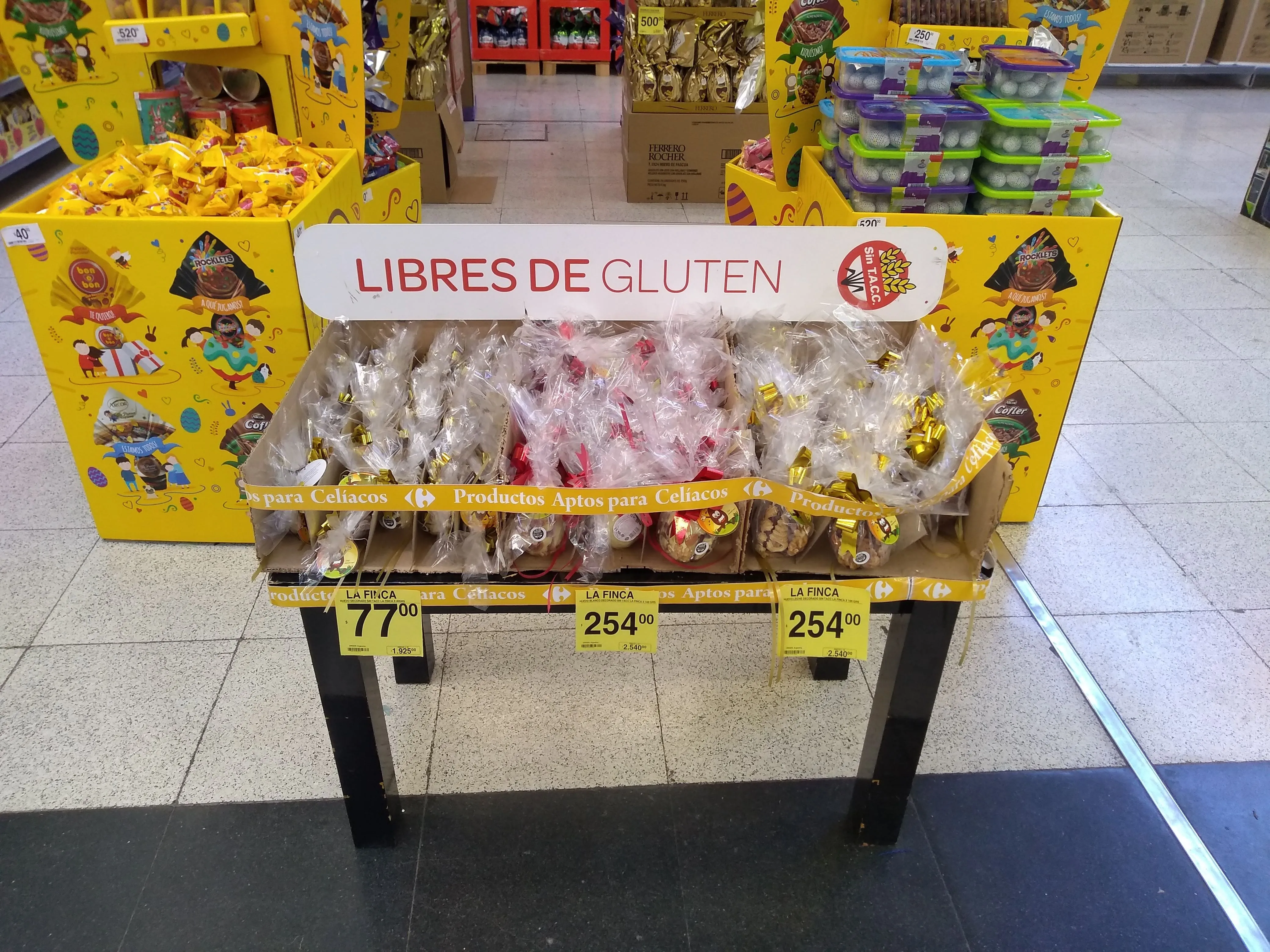
- Type of stock: mix of Carrefour own-brand, imported European brands (Schar), and Argentinian products
- Available items: biscuits, bread, beer, flour, pasta, stock, canned goods
- Price: high
Vea/Jumbo
- Location: country-wide
- Type of stock: mix of Argentinian and imported items
- Available items: biscuits (Oreos!), beer, bread, flour, pasta, stock, canned goods
- Price: medium
Local Shops
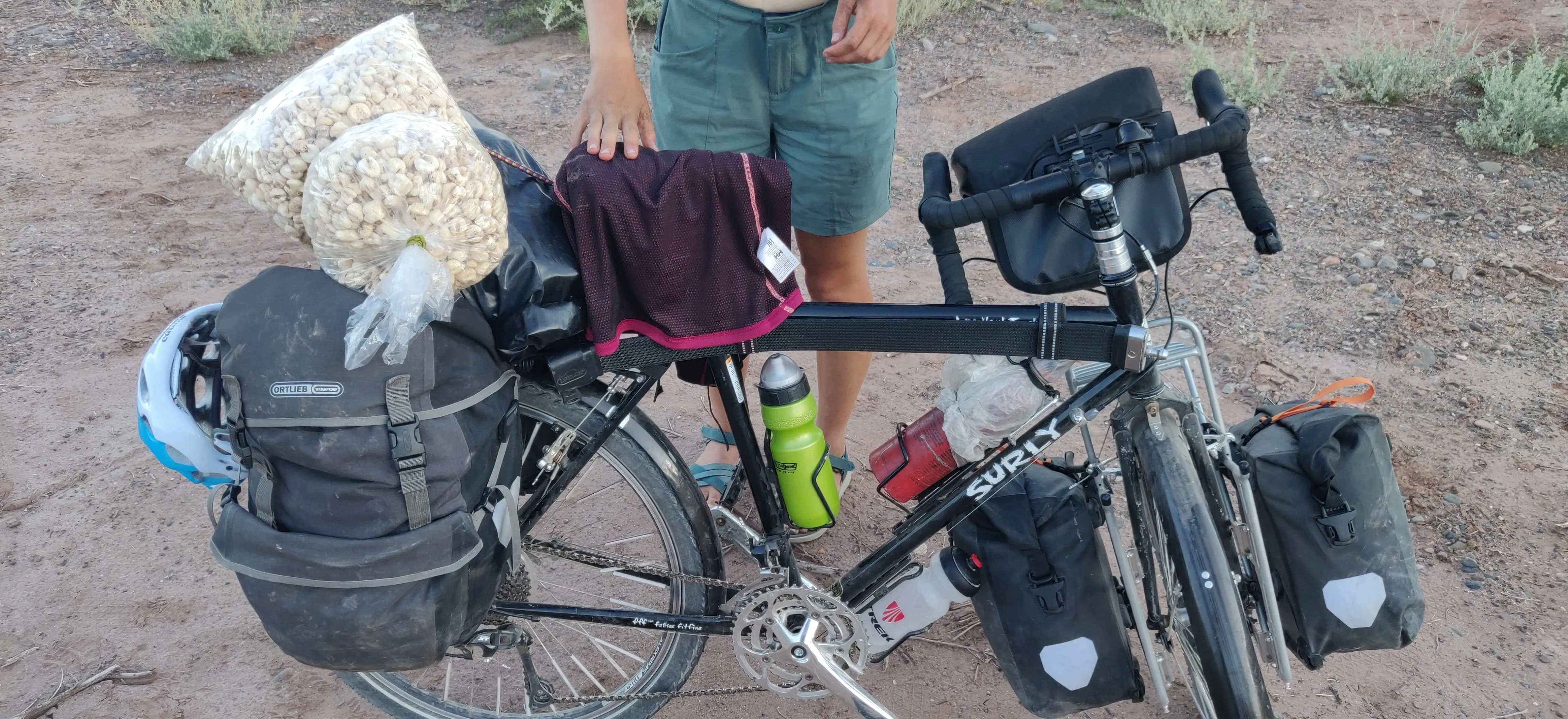
Outside the supermarkets, gluten free substitute items are limited. I found that mini-markets rarely stocked gluten free supplies, especially in rural areas. Travelling by bicycle, I would stock up on as many biscuits and pasta as I could fit in my panniers between cities. Distances between cities, and therefore supermarkets, are large across much of the country. By bicycle, it often took a week or more to travel between them. As a result, it was difficult to carry gluten free supplies all the time.
When I had to, I fell back on typical celiac-safe staples that can be found everywhere. For meals, this included:
- Rice
- Tomato purée
- Stock cubes (GF Knorr ones exist)
- Cans of beans
- Veg & meat (dried and raw)
- Tuna
Gluten free snacks that are available almost anywhere in Argentina include:
- Peanuts
- Turrón de maní (peanut nougat — unbelievably good)
- Raisins
- Fruit
- Sweet puffed maize cereal (this stuff is amazing)
- Olives
- Crisps/tortilla chips
- Chocolate
- Choclo corn snacks
Online Shopping
Mercado Libre offers a wider selection of gluten free products than most supermarkets, and it’s usually cheaper too. They deliver to hostels, Airbnbs and hotels. I would definitely recommend checking it out.
If you’re staying in a rural location far from supermarkets, ordering from Mercado Libre is your best chance at getting gluten free food.
Dedicated Gluten Free Shops
Similar to the cafés and restaurants mentioned above, most cities have one or more dedicated gluten free shops as well. These often sell things you can’t buy in supermarkets, such as gluten free empanadas, artisanal GF beers, imported GF items, and high-quality bread.
Words to Remember
The following words and phrases are useful to memorise:
| English | Spanish |
|---|---|
| I am a celiac | Soy celíaco |
| Without | Sin |
| Gluten free | Sin Gluten / Sin TACC |
| Suitable for celiacs | Apta para celíacos |
| Wheat | Trigo |
| Barley | Cebada |
| Oats | Avena |
Useful phrases when eating out:
| English | Spanish |
|---|---|
| Do you use a separate fryer? | “¿Lo hacéis en una freidora separada?” |
| Does this contain flour or breadcrumbs? | “¿Esto contiene harina o pan rallado?” |
| Which options on the menu are gluten free? | “¿Qué opciones del menú están libres de gluten?” |
| Do you have gluten free beer? | “¿Tiene una cerveza sin gluten?” |
Conclusions
- There is high awareness of celiac disease across Argentina.
- Every certified gluten free food item will have the Sin TACC label.
- Supermarkets reliably stock gluten free substitute items.
- It’s relatively easy to find gluten free food in the cities; in rural areas it is more difficult and you often have to rely on naturally gluten free foods.
- Choose your restaurant carefully.
FAQs
Yes. In fact, Argentina has an interesting and up-and-coming gluten free beer scene. Check out our dedicated post.
Yes, 100%. You will find the Sin TACC logo on most packets.
Nope — the likelihood is that you’ll be better catered for as a celiac in Argentina than in many other countries.
Chimichurri, the classic Argentinian condiment, is gluten free about 90% of the time. However, it can be thickened with breadcrumbs, so it’s best to clarify with the waiter.
Sources
[1] April 2023, Argentine Ministry of Health, El Gobierno nacional reglamentó la Ley de Enfermedad Celíaca, available here.
Tags :
Share :
Related Posts
Gluten Free Beer in Argentina
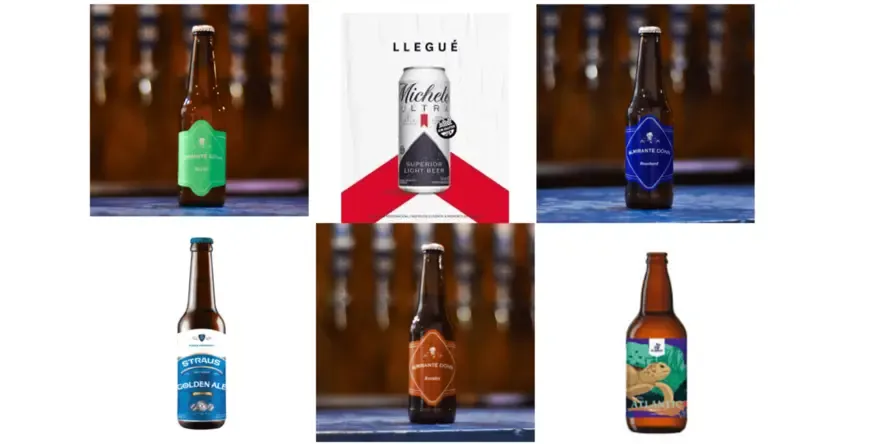
Argentina has a unique and up-and-coming gluten free (GF) beer scene. Local laws have enabled 100% GF beers to emerge in the market, and in recent years it has become more available. In this article, I’ll cover what makes the Argentinian GF beer market so unique, where you can buy it, and which beer
read more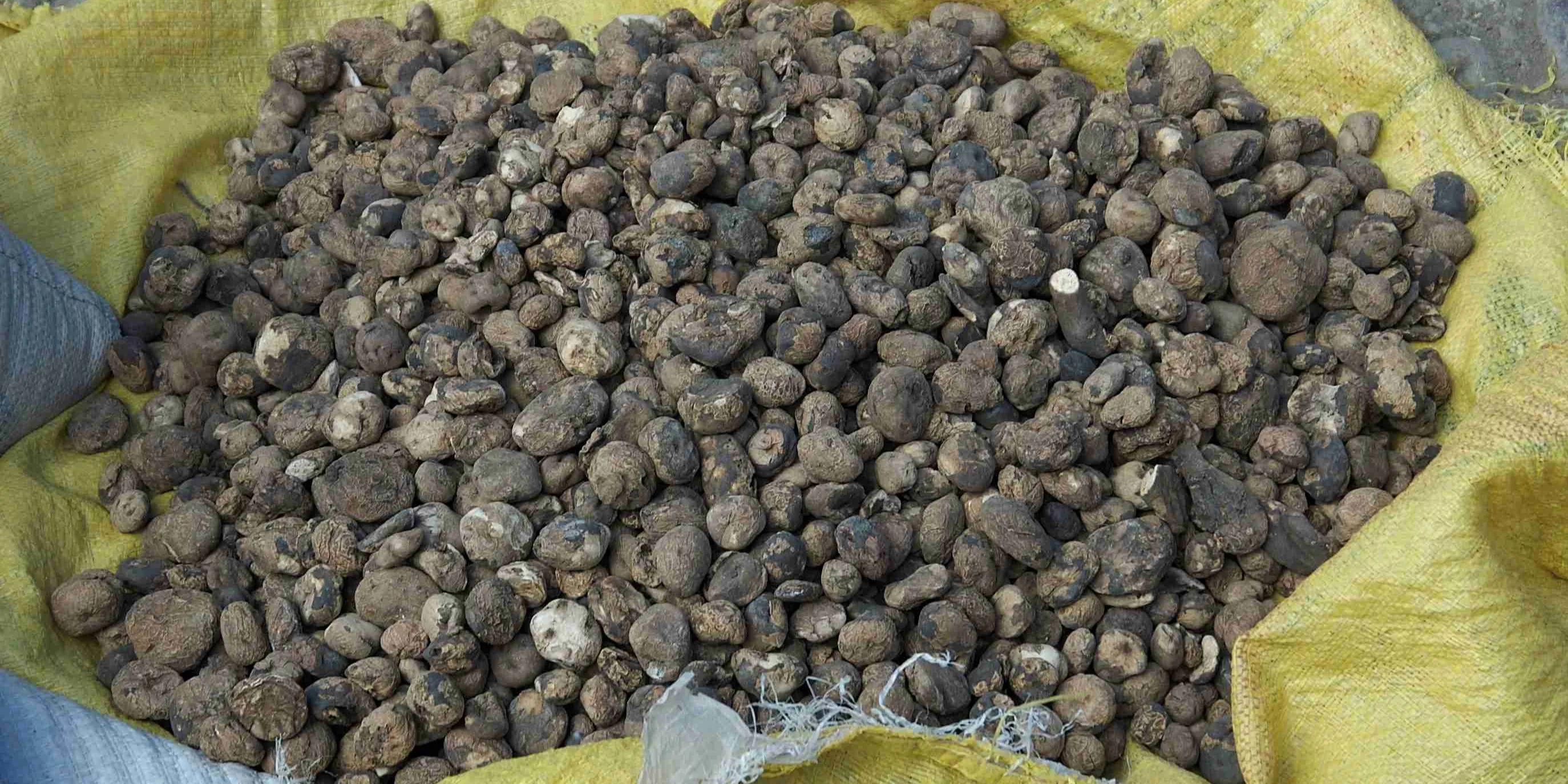
Are Chuños Gluten Free?
Chuños are freeze-dried potatoes, making them naturally gluten free. However, some of the Bolivian and Peruvian dishes they are traditionally used in do contain gluten. They’re a must-try if you’re visiting the region — a unique food item found almost nowhere else in the world.
read more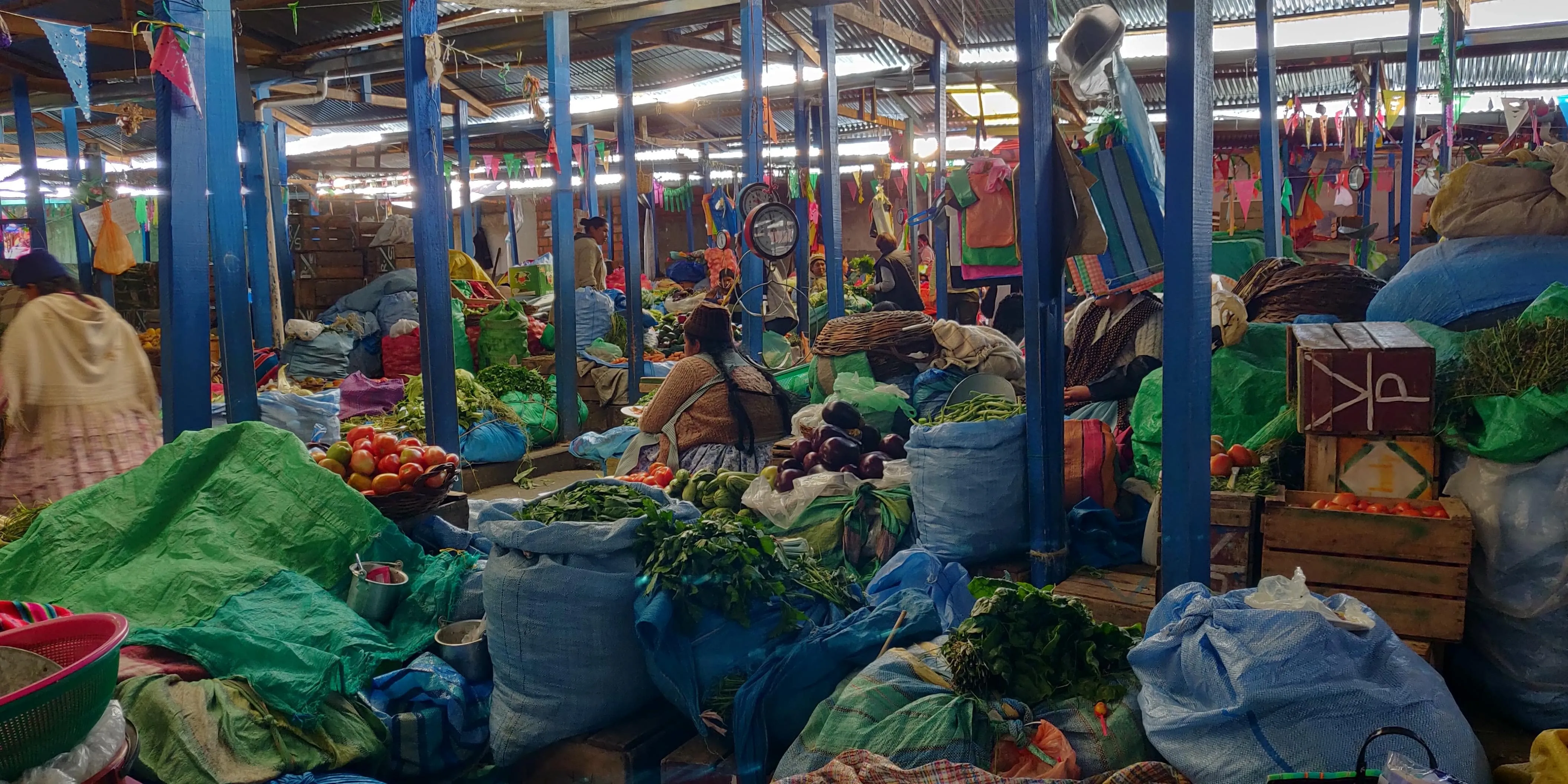
Bolivia: A Gluten Free Guide
Bolivia is one of the more challenging countries to travel through as a celiac. When eating out, there are naturally gluten free dishes, but the level of cross-contamination is high, and wheat flour finds its way to a surprising number of items. If cooking for yourself, naturally gluten free food is
read more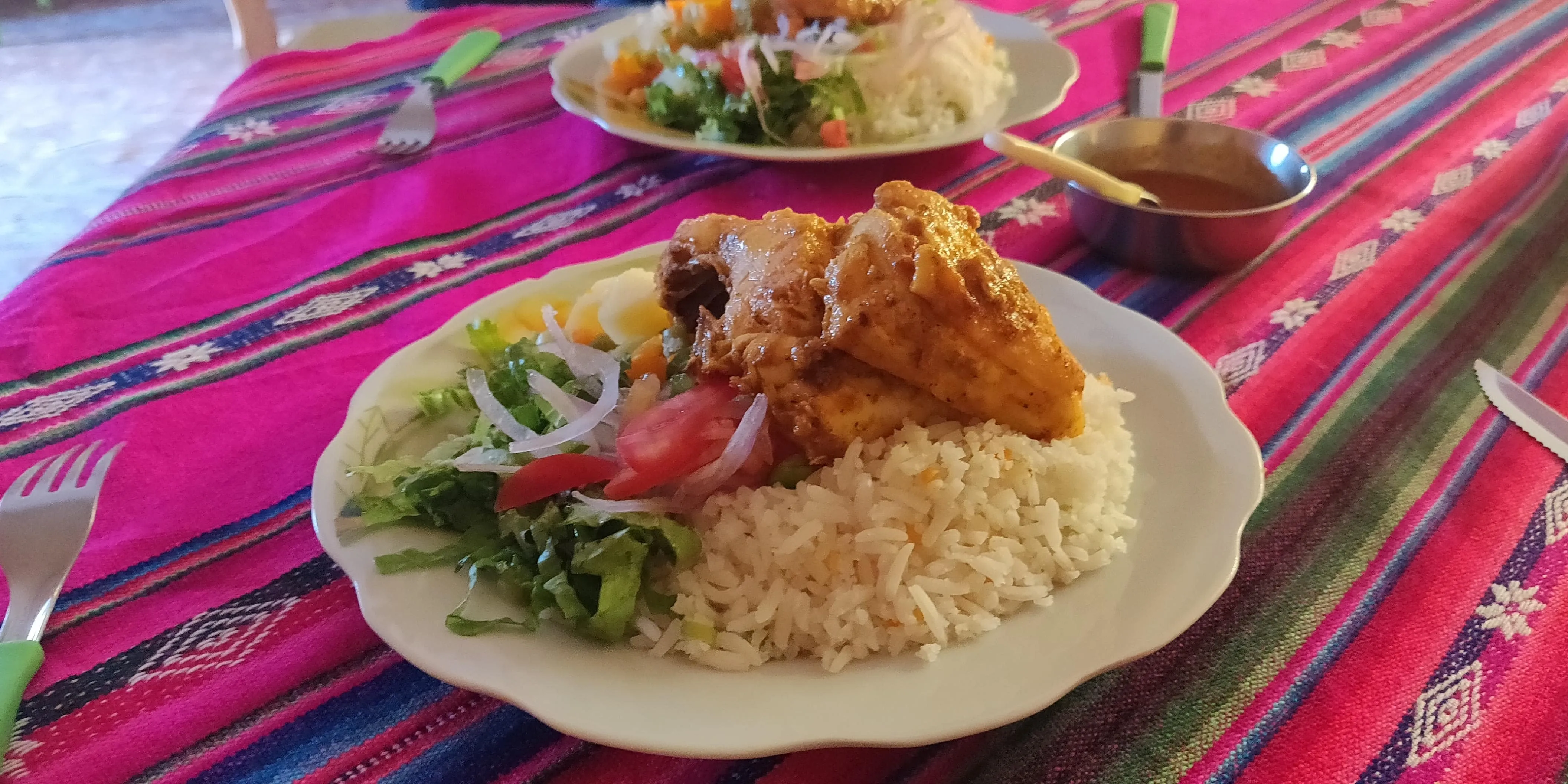
A Complete Guide to Gluten Free Bolivian Restaurant Dishes
Before visiting Bolivia, we did zero research into restaurant food and regretted it deeply. The menus were indecipherable, even with a working knowledge of Spanish. It was difficult to work out what each dish contained, never mind whether it was gluten free or not.
read more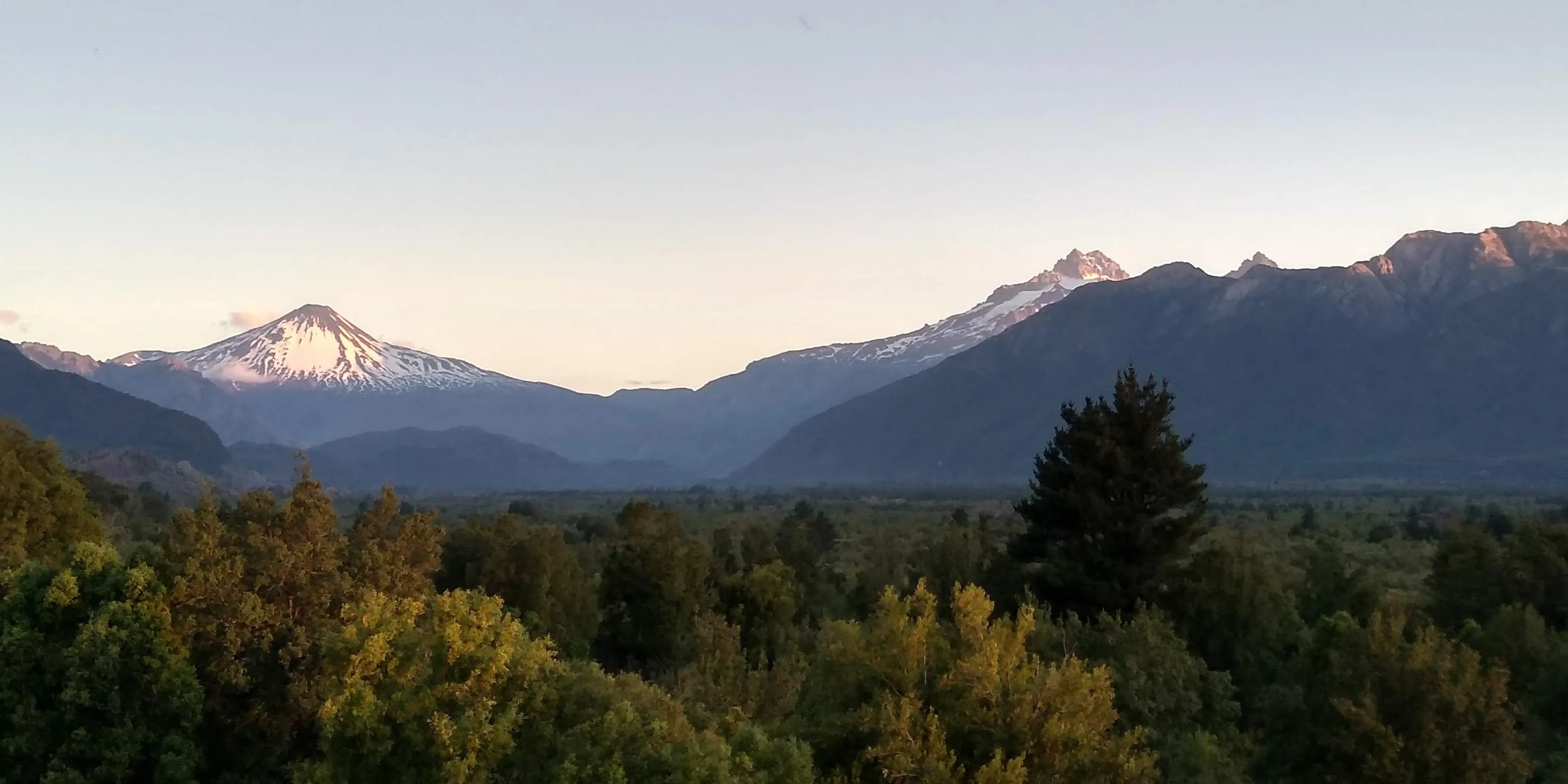
Chile: A Gluten Free Guide
Chile is not the celiac paradise that Argentina is next door, there's no restaurant allergen law, rural options are slim, and staff awareness is inconsistent at best. That said, the Chilean diet leans naturally gluten free, Santiago has a growing dedicated GF scene, and if you're willing to live on
read more
Ecuador: A Gluten Free Guide
Ecuador's traditional diet leans heavily on corn, rice, cassava, and plantains, which makes it a surprisingly good destination for celiacs willing to eat simply. Celiac awareness is low and GF labelling is rare, but the naturally gluten free options, especially through markets and the menu del día,
read more
Is Quinoa Gluten Free?
Yes, quinoa is naturally gluten free. It contains no wheat, barley, or rye, and has been a staple food in the Andes for thousands of years. The catch, and there is one, is cross-contamination. Quinoa is often grown, harvested, and processed alongside gluten-containing grains, which means unlabelled
read more
Mauritania: A Gluten Free Guide
- Mauritania
- Travel
- 22 Mar, 2026
Mauritania is not an easy destination for celiacs. Awareness of gluten and celiac disease is effectively zero, and outside Nouakchott you won't find a single dedicated GF product. That said, the country's cuisine is rice- and meat-heavy enough that eating naturally gluten free is possible — especial
read more
Morocco: A Gluten Free Guide
Morocco is a brilliant place to travel; it has a vibrant culture, interesting landscapes and lovely people. Cycling for 3 months through Morocco taught us that this fantastic country is also one of the toughest for gluten-free travellers. This guide breaks down exactly what food is available off the
read more
Peru: A Gluten Free Guide
Peru is not a country that has caught up with celiac disease. When I was there in 2019, GF labelling was essentially non-existent outside Lima, and restaurant staff in rural areas were more likely to be baffled by the question than helpful. That said, Peru's traditional Andean diet is built on potat
read more
Cusco: A Gluten Free City Guide
Cusco is the most celiac-friendly city in Peru outside Lima, which is not a particularly high bar to clear. That said, the tourist centre has a decent cluster of restaurants that understand the question, mark GF options on their menus, and won't look at you blankly when you mention gluten. The menú
read more
A Gluten Free Guide to Poland
Poland surprised me, but then again, much of Eastern Europe has far surpassed my expectations as a celiac. In the cities and in supermarkets, you're in genuinely good hands: plentiful free-from aisles, strict EU labelling laws, a dedicated certification symbol, and a growing network of certified glu
read more
Gluten Free in Romania
Romania is a country of two speeds for celiacs: Bucharest has a genuinely improving GF scene with certified bakeries and dedicated menus, while rural areas still run almost entirely on wheat. Supermarkets in bigger towns will keep you fed either way.
read more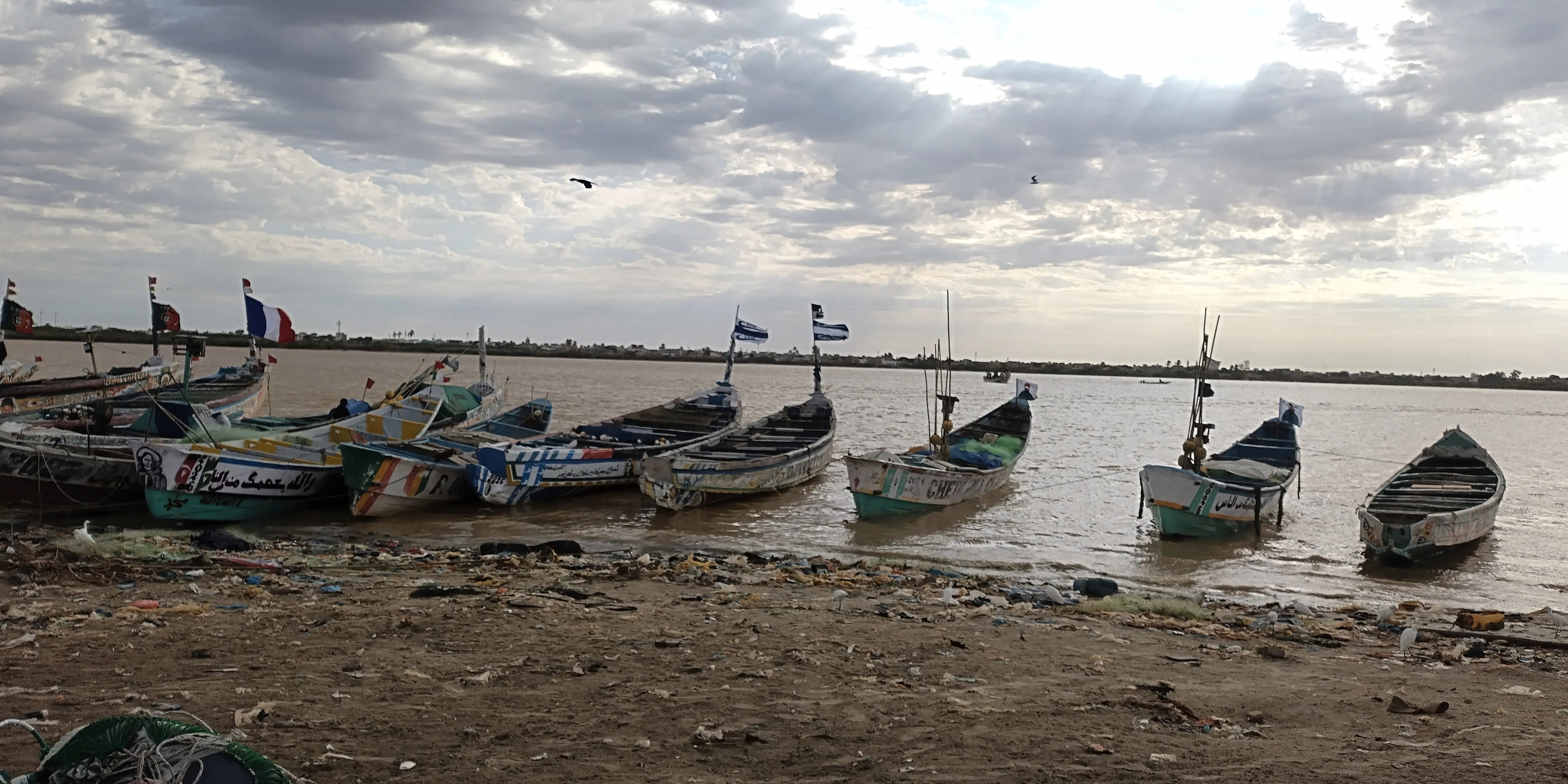
Senegal: A Gluten Free Guide
Senegal is a manageable country for celiacs, largely because so much of the traditional food is naturally gluten free. Thieboudienne and mafé are safe, filling, cheap, and available everywhere. Supermarkets stock no gluten free substitutes to speak of, so if you rely on GF bread or pasta, you'll nee
read more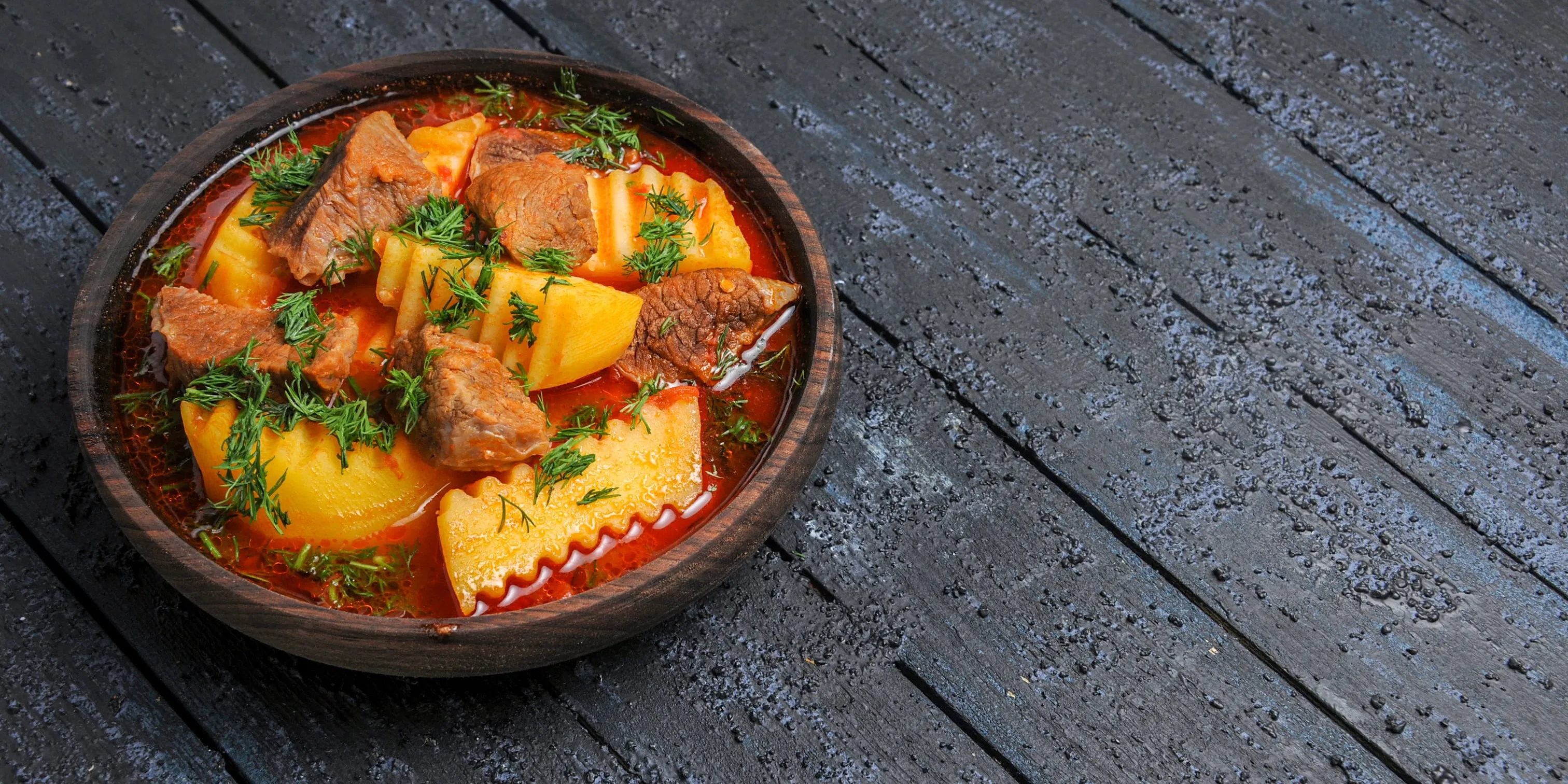
Is Mafe Gluten Free?
Mafe is usually gluten free. It's a rich peanut stew made with meat, tomatoes, and vegetables, with no wheat in the traditional recipe. That said, some cooks thicken it with wheat flour, so it's not one you can order blindly without checking.
read more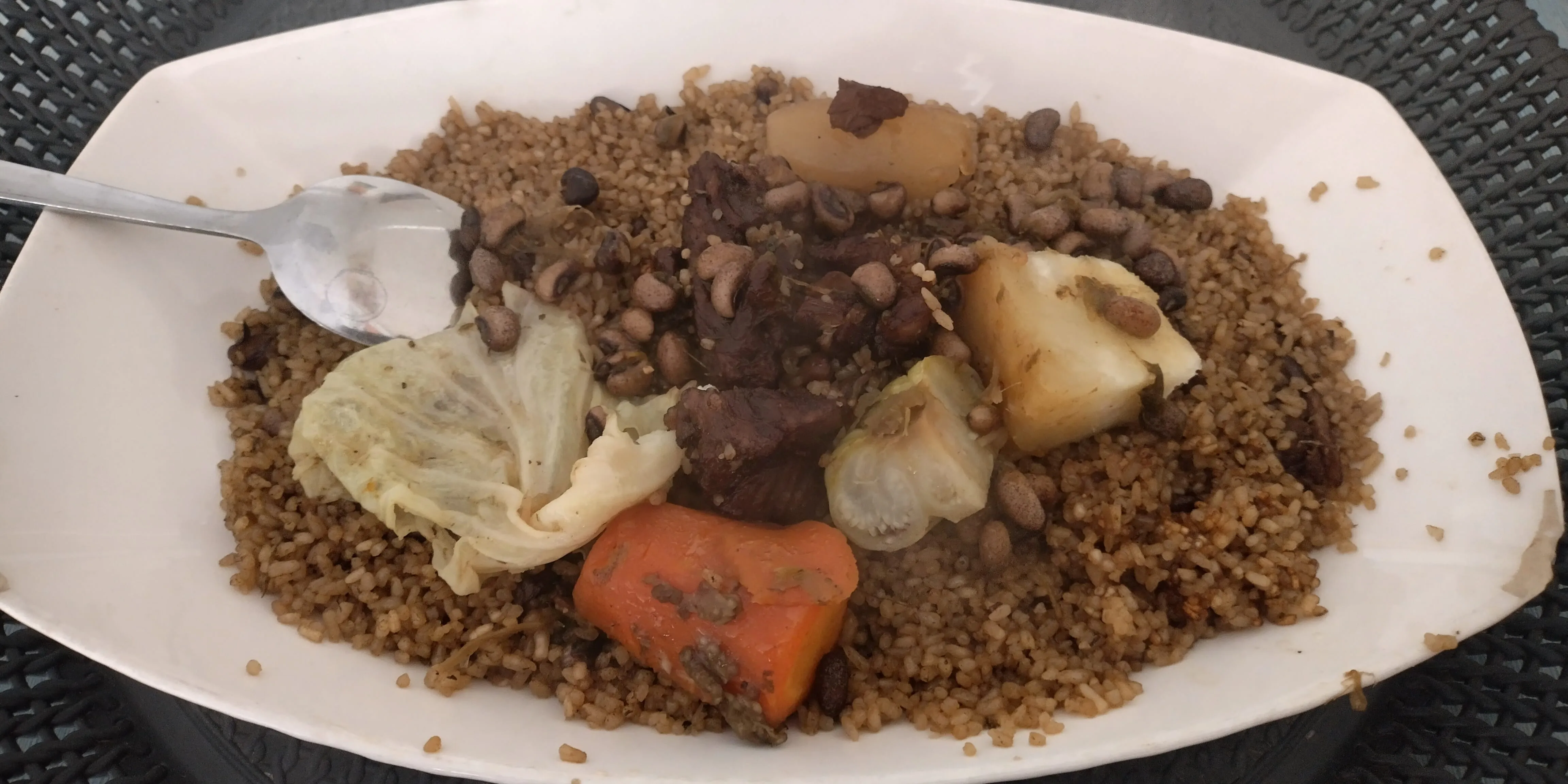
Is Thieboudienne Gluten Free?
Thieboudienne is naturally gluten free, made from rice, fish, tomatoes, and vegetables. The one caveat is the stock cube used in its preparation, which is worth checking, but the main Senegalese brands are GF.
read more
Gluten Free in Mississippi
Mississippi is a mixed bag for celiacs. Chains and Walmart have your back, but local diners and Southern classics are a minefield of shared fryers and flour-dusted everything. Here's what I learned over two months of work trips.
read more
South India: A Gluten Free Guide
India is a beautiful, diverse country with rich food traditions. The South, in particular, is an excellent destination for gluten-free travellers thanks to its reliance on rice, lentils, coconut, vegetables, and spices. This guide focuses on South India, where we spent three weeks exploring, eating
read more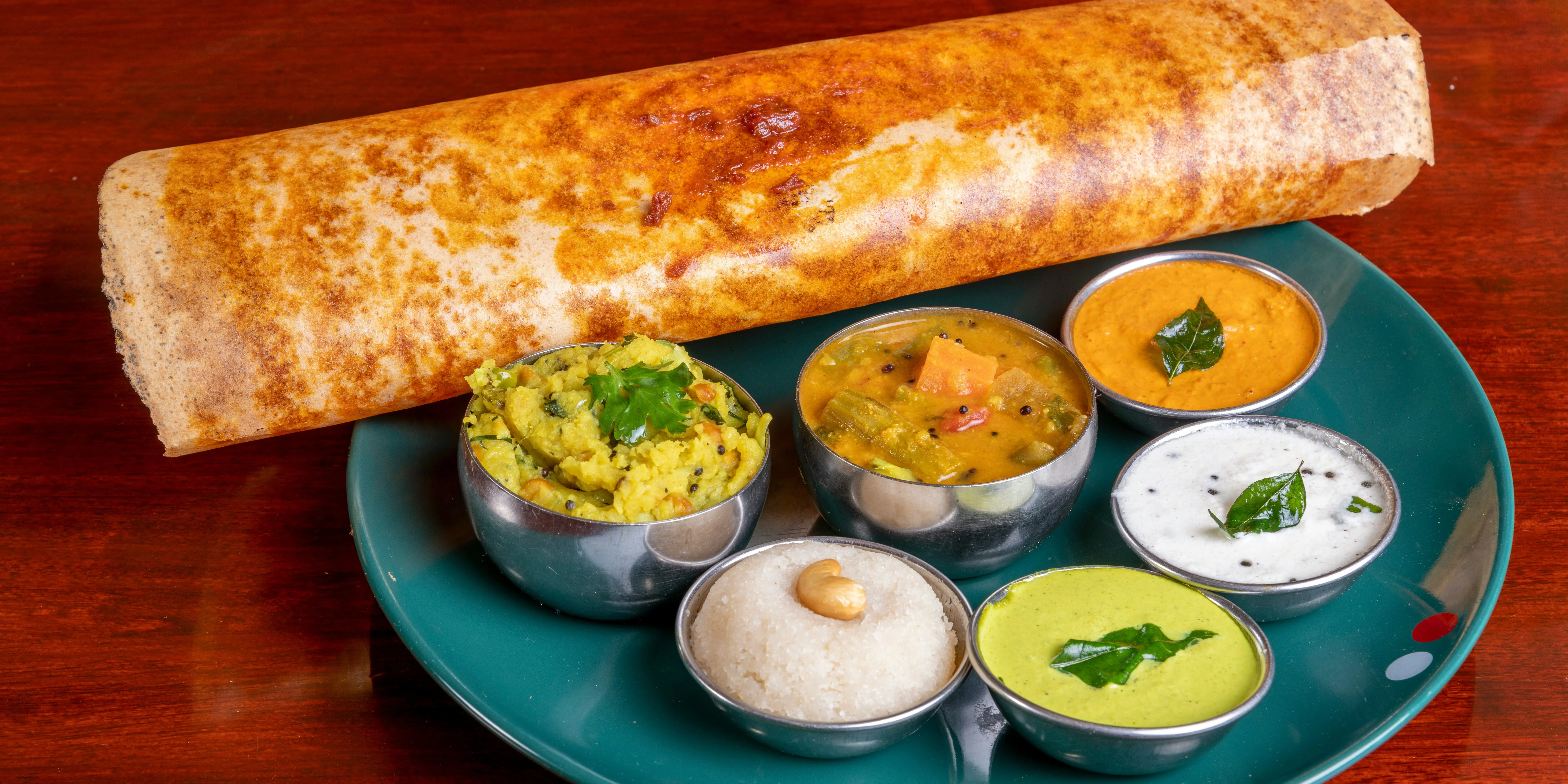
Is Dosa Gluten Free?
Dosa is naturally gluten free, made from a fermented batter of rice and lentils. Most varieties are safe for celiacs, though a handful of dishes served alongside dosa are worth watching out for.
read more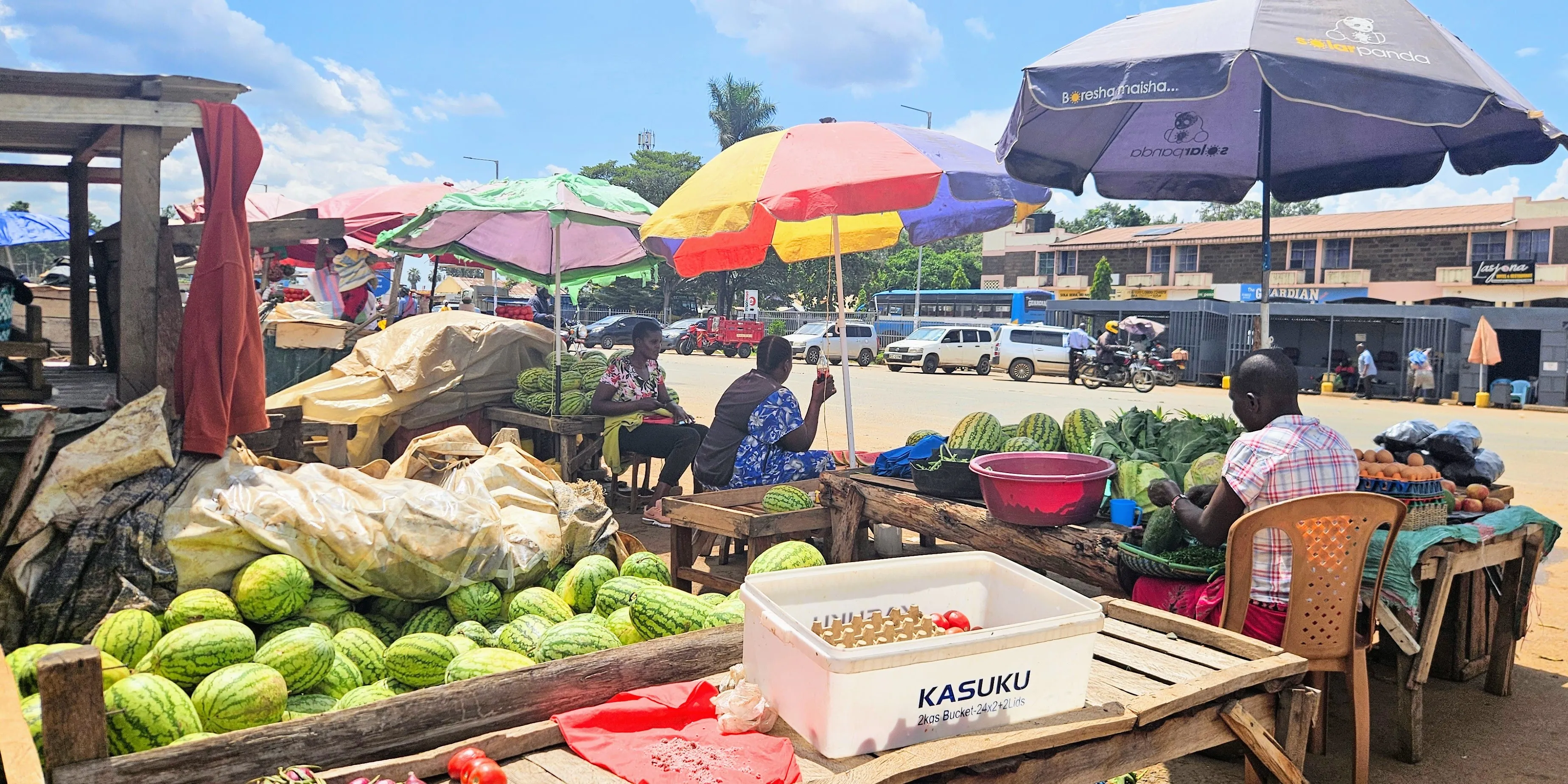
Kenya: A Gluten Free Guide
Kenya is a brilliant country to travel through as a celiac. celiac awareness is virtually zero, but the traditional diet is naturally gluten free, fresh food is abundant, and self-catering is easy and enjoyable.
read more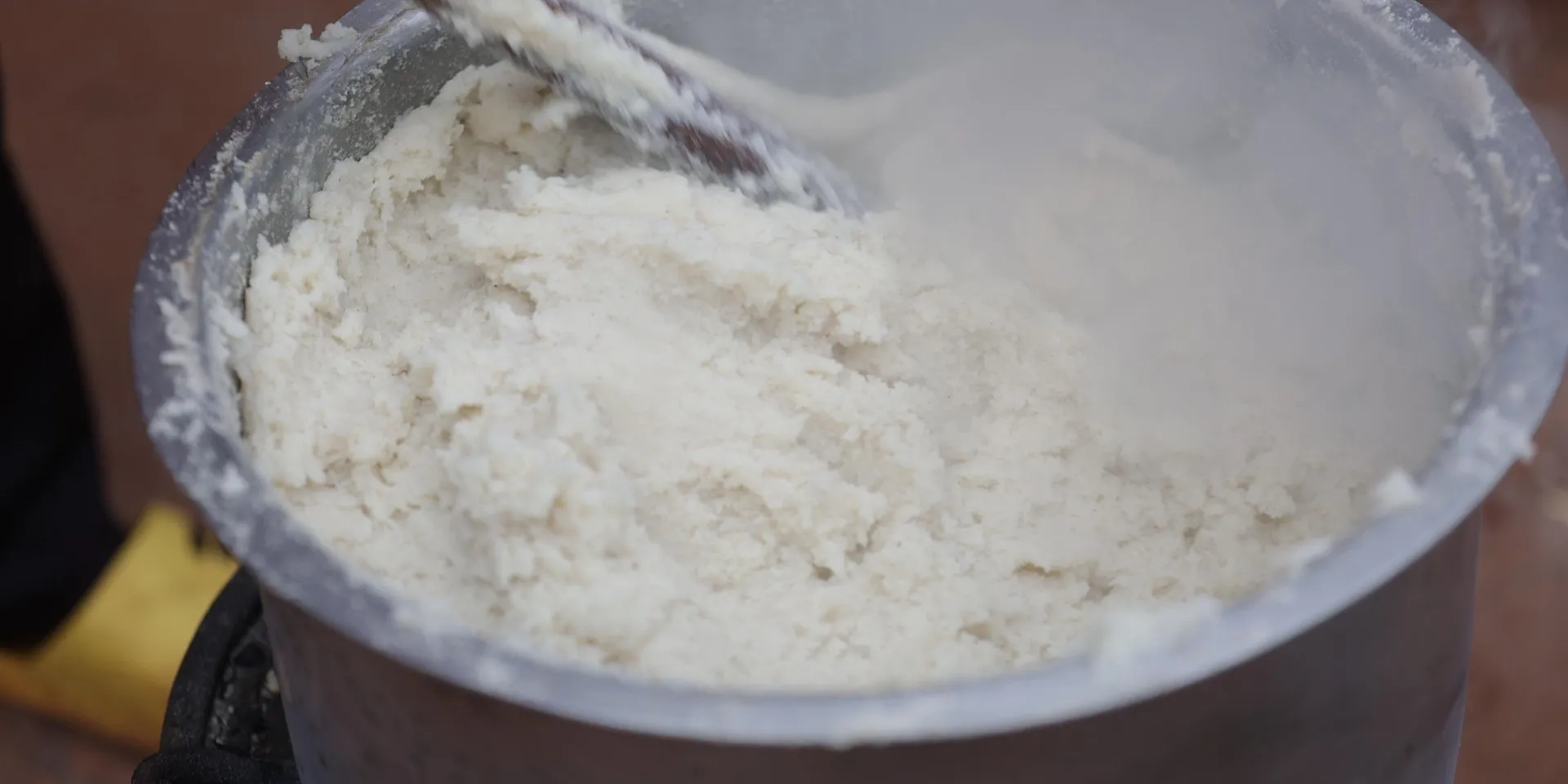
Is Ugali Gluten Free?
Ugali is Kenya's staple food, eaten by the vast majority of the population at least once a day. It is made from maize flour and water, which makes it naturally gluten free. Here's what a celiac needs to know about eating it safely in Kenya.
read more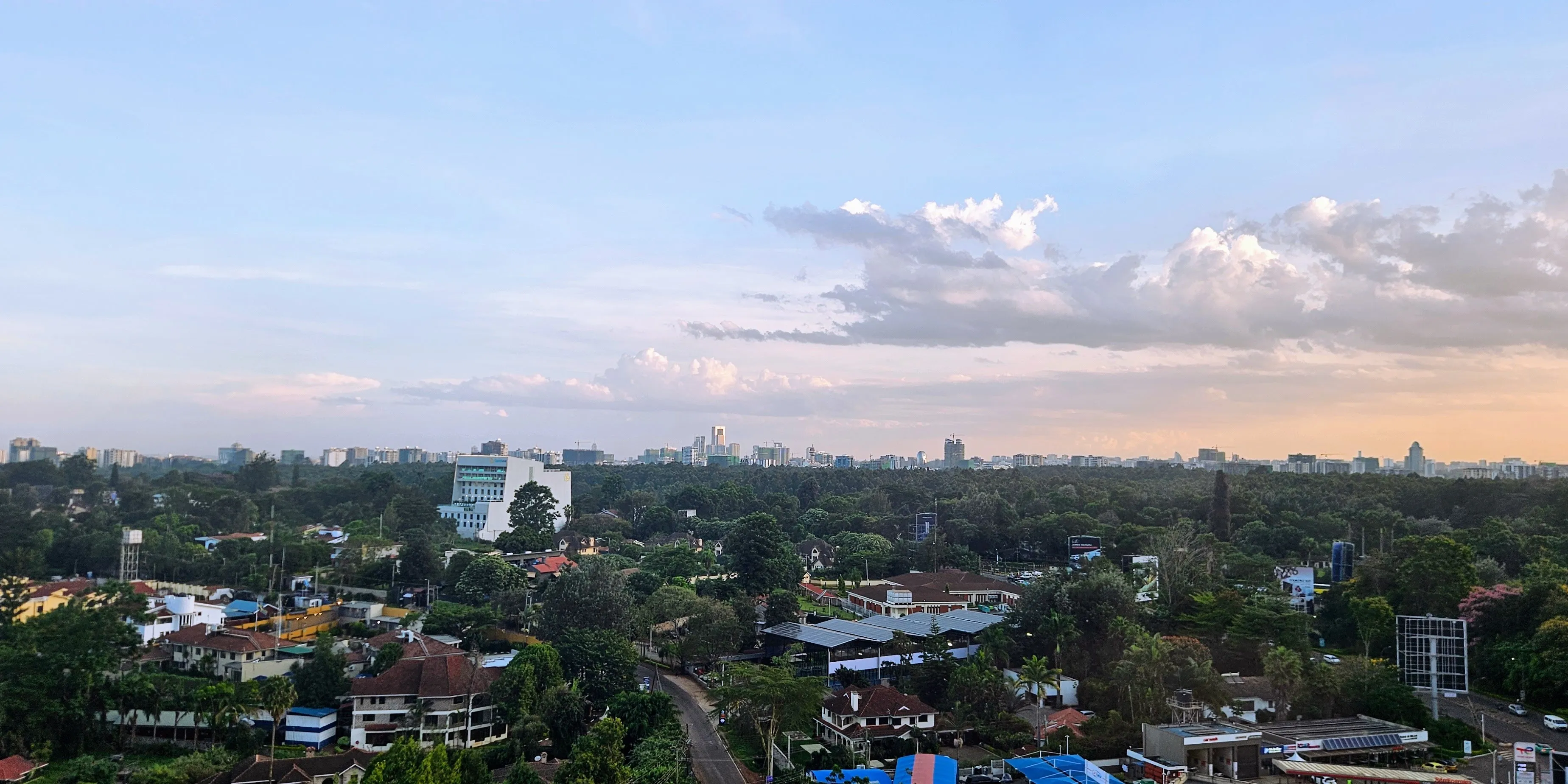
Nairobi: A Gluten Free Guide
Nairobi is a great city to visit as a celiac. Celiac awareness is low, but the food scene is excellent, self-catering is easy, and the traditional Kenyan diet is naturally gluten free friendly. Here is what we learned after nearly a month in the city.
read more
Spain: A Gluten Free Guide
Ahhh Spain, lovely Spain. The weather’s (mostly) good, landscapes varied, and gluten free food is abundant. Celiac disease is well known, and there are some good government and third-party resources to help with eating out gluten free. With a bit of care, you can easily travel in Spain and successfu
read more