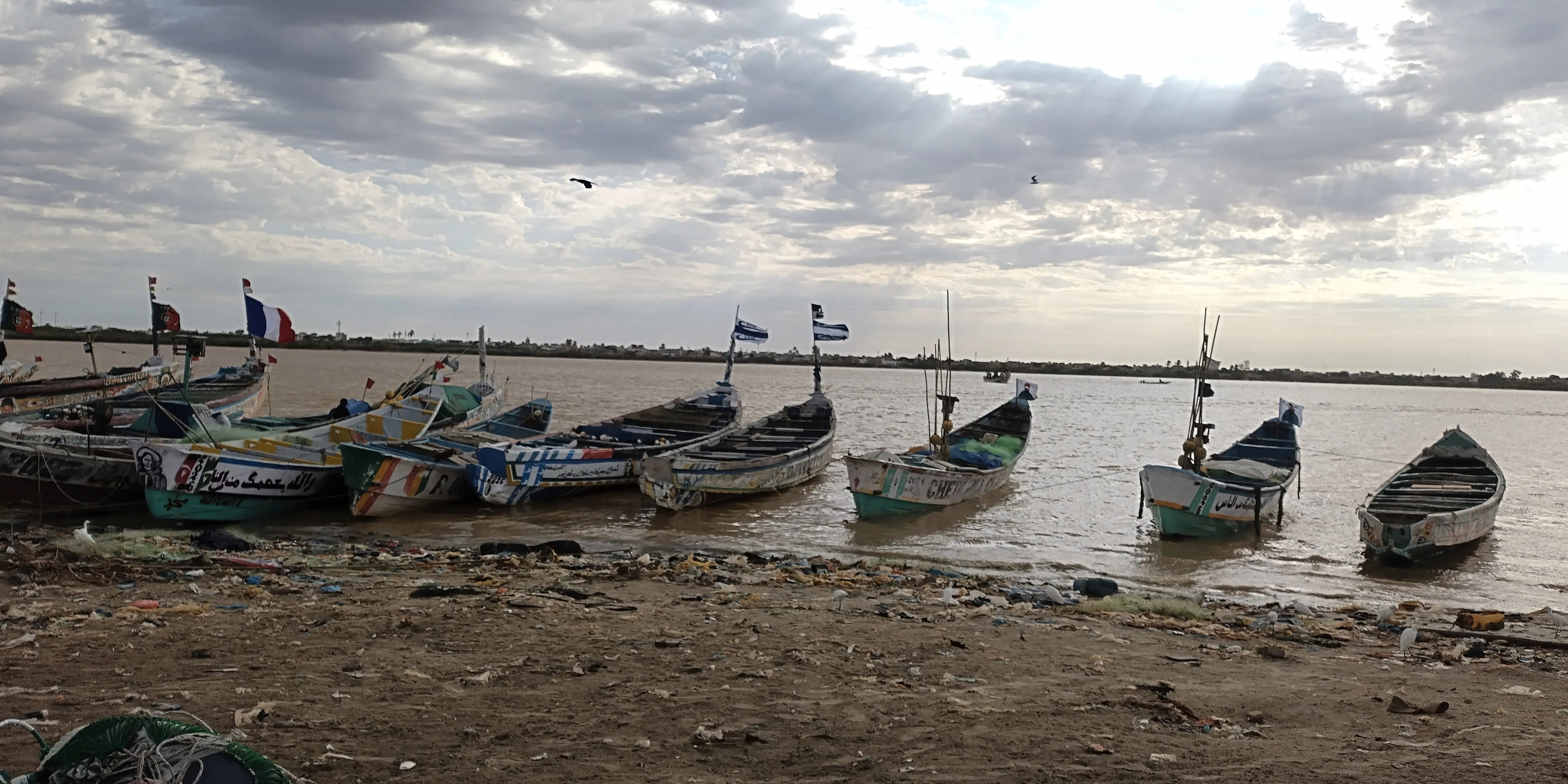
Senegal: A Gluten Free Guide
Senegal is a manageable country for celiacs, largely because so much of the traditional food is naturally gluten free. Thieboudienne and mafé are safe, filling, cheap, and available everywhere. Supermarkets stock no gluten free substitutes to speak of, so if you rely on GF bread or pasta, you’ll need to plan ahead. Outside Dakar, you’re mostly cooking from scratch or eating what’s put in front of you — which, fortunately, is usually safe.
Key Points
- No GF Labelling: There is no government gluten free labelling scheme in Senegal. You cannot rely on packaging to identify safe products.
- Traditional Food is Your Friend: The national dishes — thieboudienne and mafé — are naturally gluten free and available in virtually every town.
- Stock Up on Substitutes Before You Go: Supermarkets carry no dedicated gluten free products. If you need GF bread, pasta or biscuits, bring them with you or source them before leaving Dakar.
- Dakar Has Options: A small number of restaurants in Dakar cater to celiacs. Outside the capital, you’re largely on your own.
Contents
Personal Experience
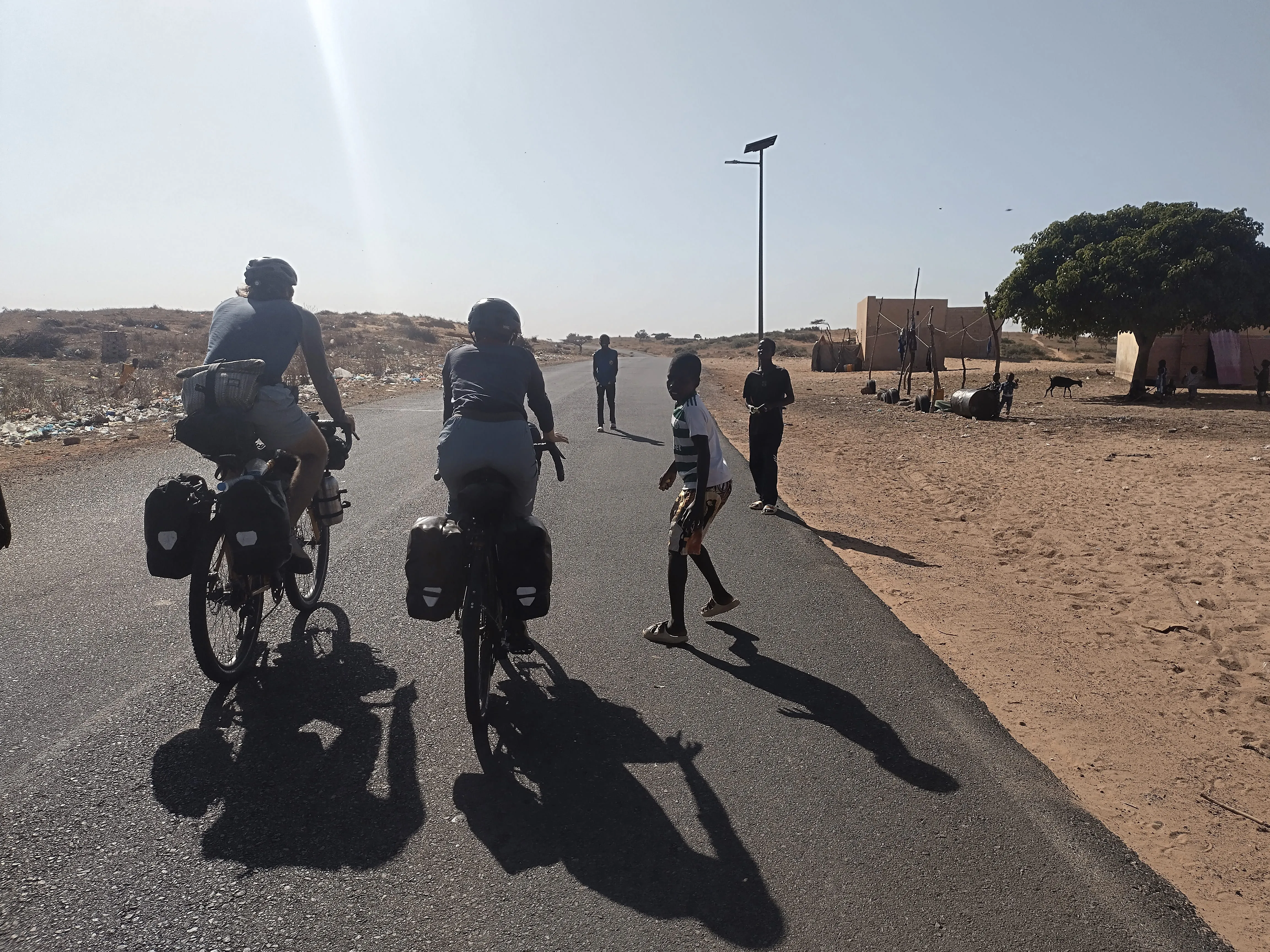
I spent three weeks in Senegal in January 2026, cycling from St. Louis in the north down to Dakar. Most of the route followed the coast, passing through small towns and villages where the eating options are limited to a couple of local restaurants and whatever the market has on offer that day.
The cycling was brilliant. The people were warm and generous, the landscapes wide and flat, and the food, for the most part, was uncomplicated and safe to eat. I had one glutening during the trip and this was my own fault (I’ll get onto this below).
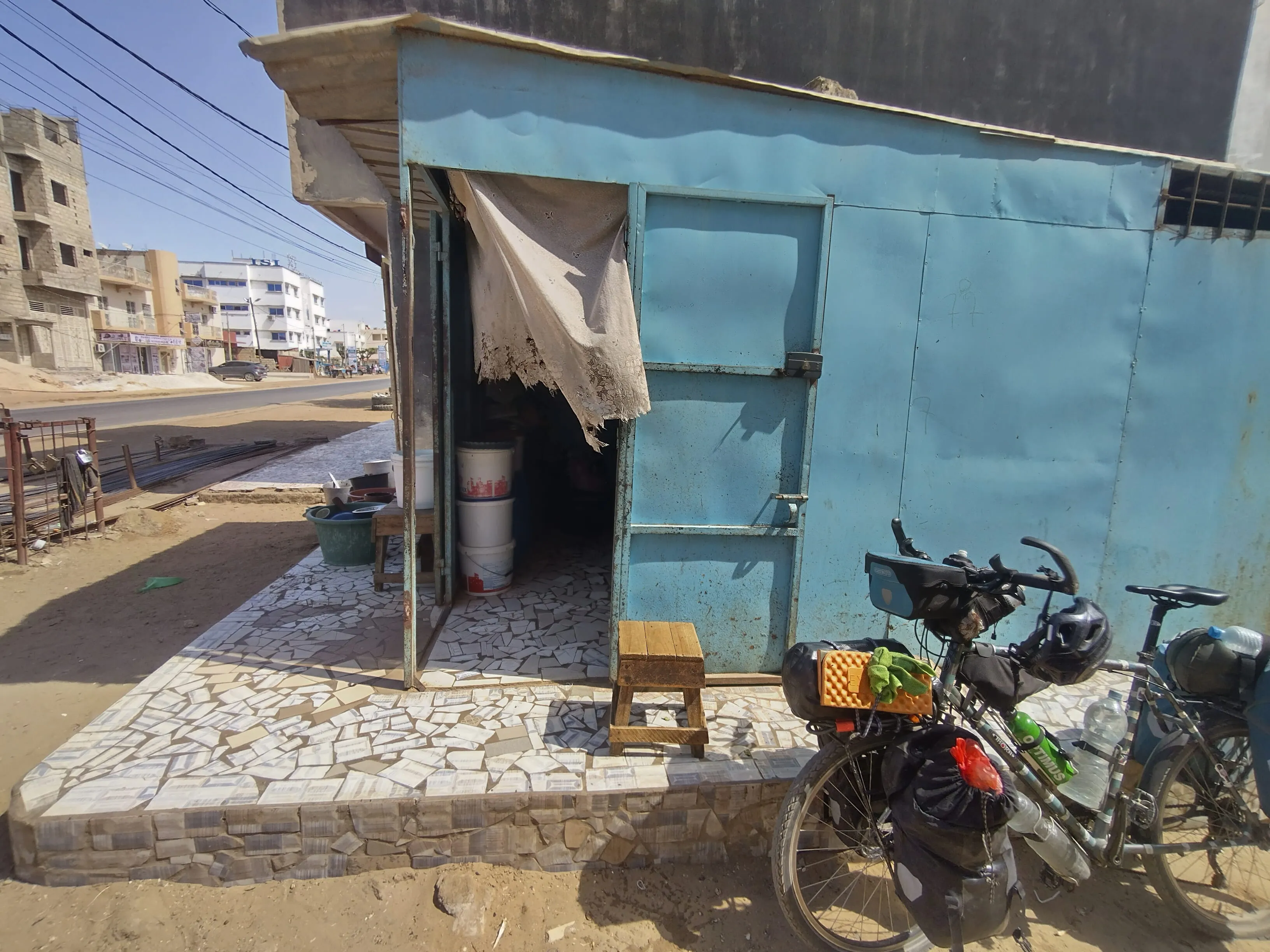
In the small towns along the route, lunch was the main event. Each town had at least one small restaurant, often just a shed or a covered terrace, where a big batch of thieboudienne or mafé had been cooking since morning. By midday, it was ladled out and served with rice for a fixed price. As long as the stock was GF (which I’ll cover below), these meals were completely safe.
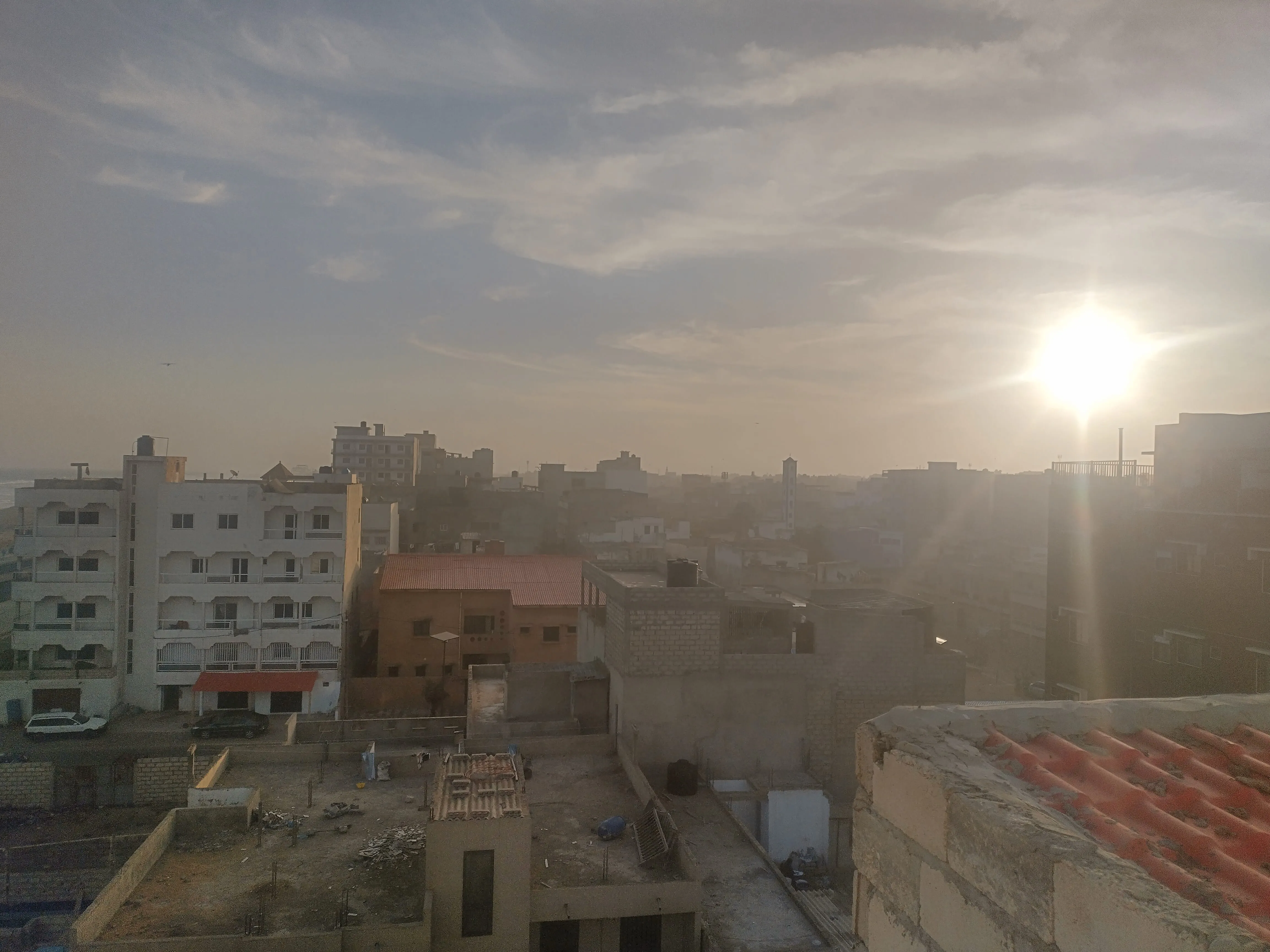
Dakar was a different story. It’s a big, chaotic city and getting around it is exhausting. I found a handful of restaurants that catered for celiacs, but actually visiting them required effort. Worth it if you’re spending a few days in the city.
Gluten Awareness
Celiac disease is not widely known in Senegal. In rural areas, it is very unlikely that anyone you speak to will have heard of it. Even in Dakar, awareness is low outside a handful of tourist-facing restaurants.
When I explained my dietary needs — describing which specific ingredients I couldn’t eat rather than using the word “coeliaque” — people were generally willing to engage and try to help. But it rarely landed cleanly. I often found myself explaining what wheat was, then explaining why I couldn’t eat it, and still not being entirely confident the message had got through. It wasn’t rudeness; it was genuine unfamiliarity with the concept.
The language barrier adds another layer. French is widely spoken, but in rural areas Wolof is the dominant language and French can be inconsistent. A translated food card in both French and Wolof is a sensible thing to bring.
There is no government celiac program and no national GF labelling scheme. If a product carries a gluten free claim, it will almost certainly be an imported item, and those are hard to find.
Eating Out
The honest situation in Senegal is that most restaurant meals are naturally gluten free, so you rarely need to ask the gluten question. The local cuisine is built around rice, fish, meat, groundnuts and vegetables. Wheat barely features in the traditional diet.
That said, there are some things to watch out for — particularly stock cubes, soy sauce in some dishes, and the increasing creep of fried and battered items in towns with a younger, Western-influenced food scene.
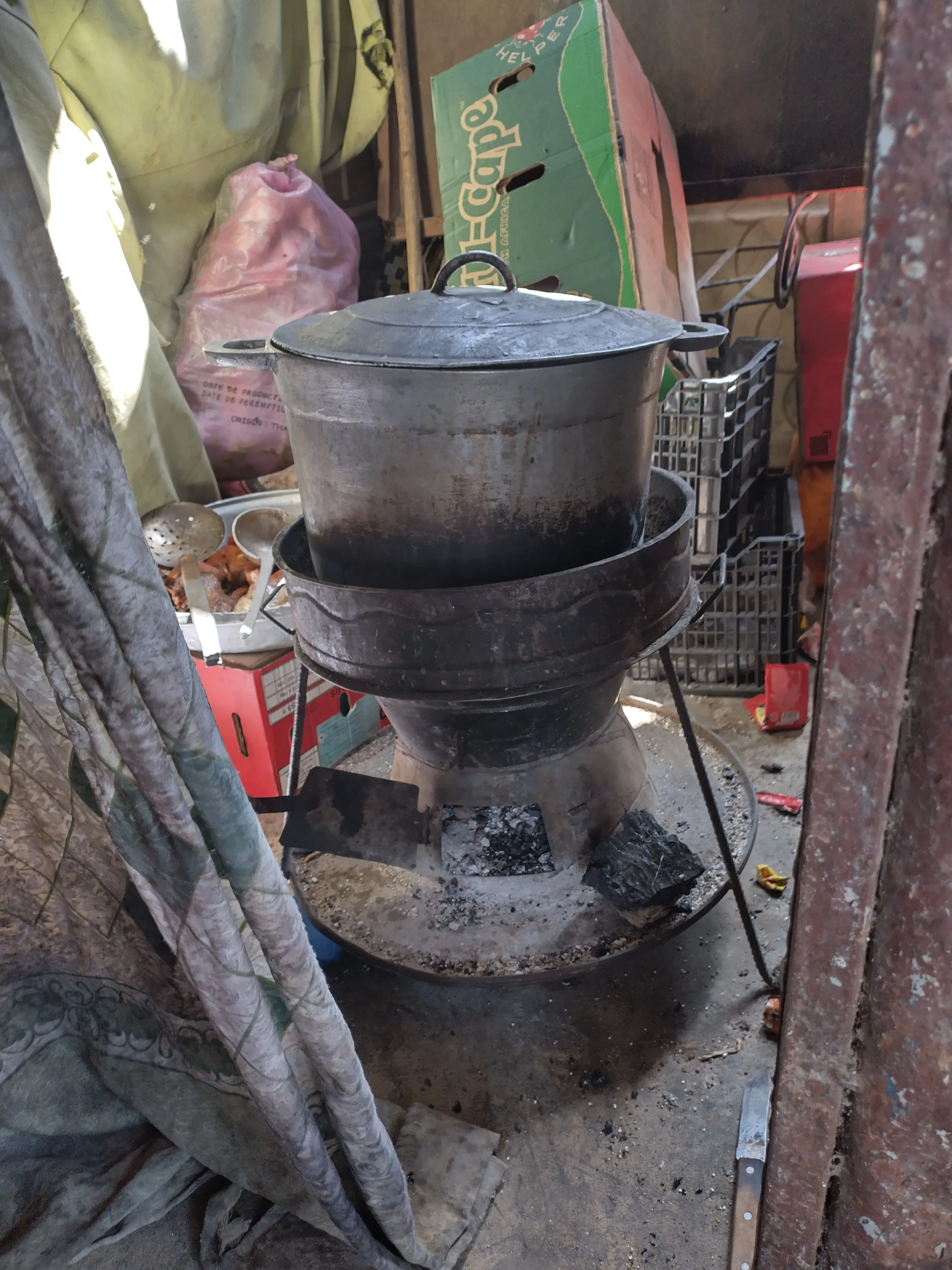
My approach was to ask only when I had a genuine reason to be suspicious. If I was being served a bowl of thieboudienne in a roadside restaurant with a single gas burner, there was nothing to ask about, and not once did I get glutened from. When I did ask questions, they were well received.
Safe Dishes
The backbone of Senegalese cuisine. These are your staples:
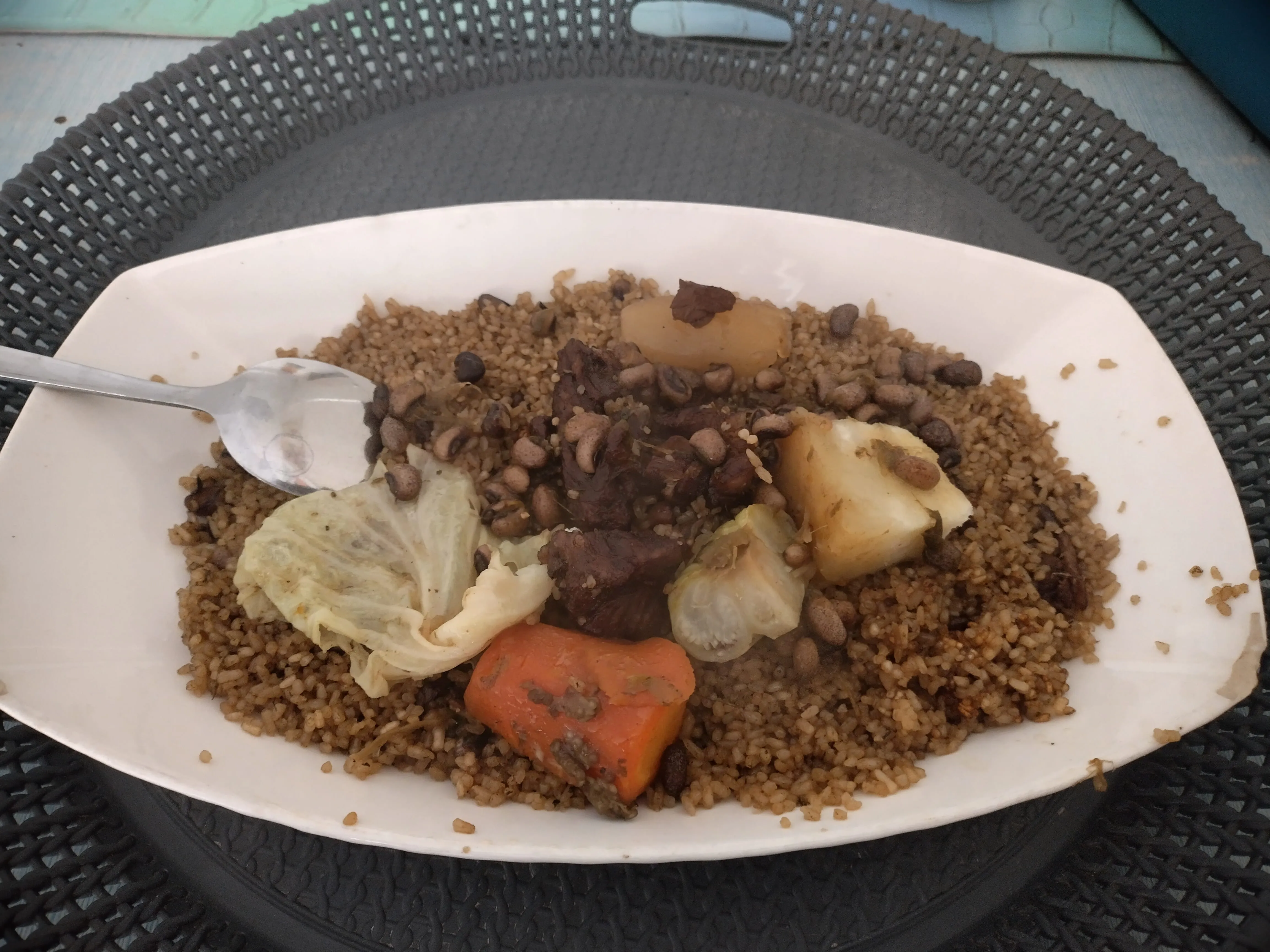
- Thieboudienne — the national dish: rice cooked in a tomato and fish broth, with vegetables. Naturally GF. The one thing to check is the stock; see below.
- Mafé — a rich groundnut stew with meat (often lamb or beef) and vegetables, served with rice. Naturally GF.
- Yassa poulet / yassa poisson — chicken or fish marinated in lemon and onions, grilled or braised. Naturally GF, though occasionally soy sauce makes an appearance in the marinade.
- Thiou — a tomato-based stew similar to thieboudienne, usually GF.
- Grilled fish — abundant along the coast, almost always plain-grilled and safe.
The Stock Question
Thieboudienne and mafé are cooked in big batches and rely heavily on stock cubes for flavour. I was initially worried about this. I checked the main brands available in Senegalese supermarkets (mostly Maggi) and they were all gluten free. That said, stock cube formulations vary by country and can change. It’s worth checking the packet if you get the chance.
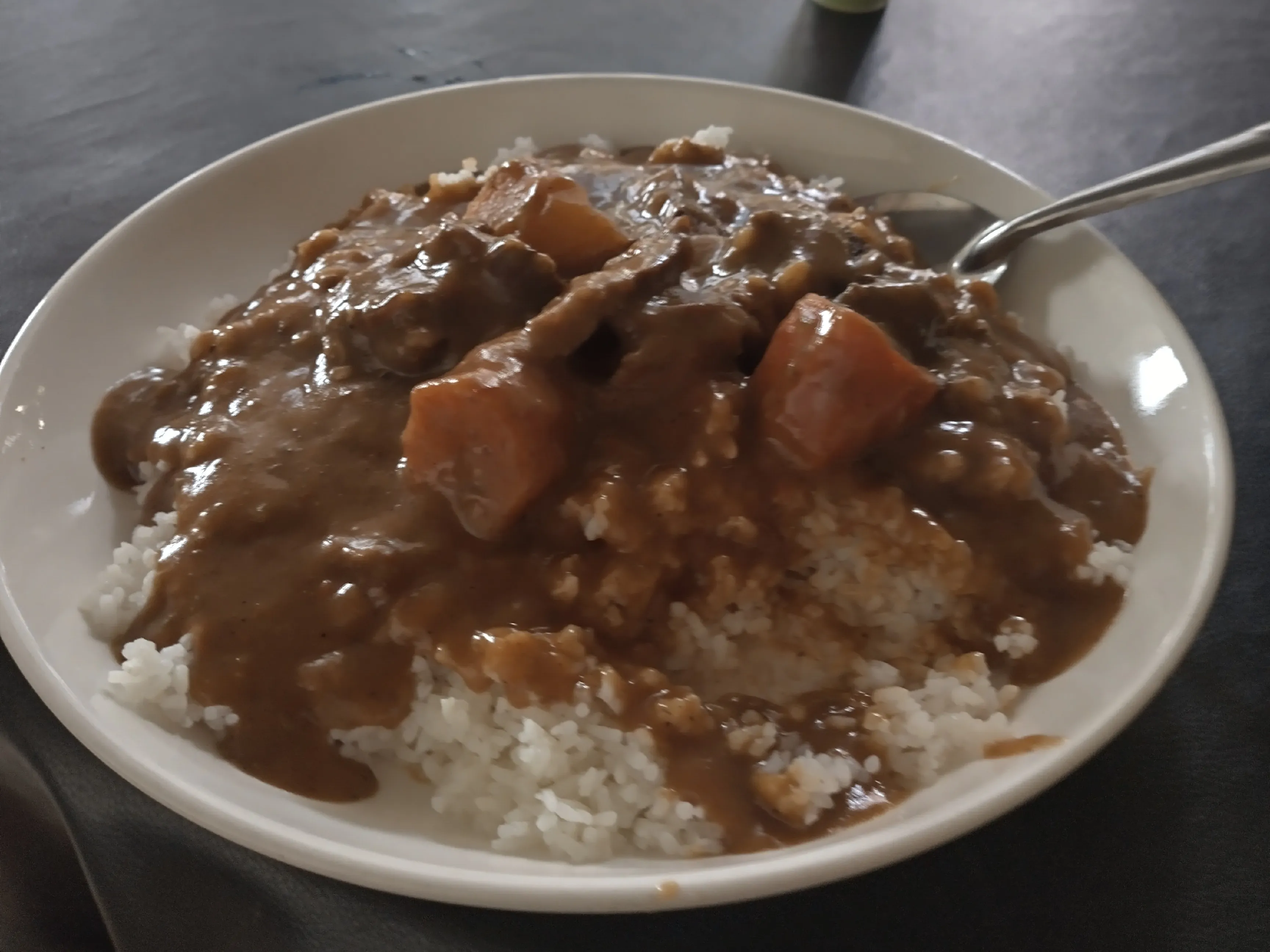
Dishes to Be Wary Of
- Dibi — grilled meat, usually GF, but marinades can vary. Worth asking.
- Sandwiches and baguettes — French influence runs deep in Senegal and baguette sandwiches are everywhere. Obviously not GF, but easy to avoid.
- Fried snacks — increasingly common in towns, often battered or crumbed. Give them a miss.
- Benachin — a one-pot rice dish similar to jollof rice. Usually GF but occasionally includes pasta or wheat-based ingredients.
Fast Food Chains
There are no major international fast food chains offering GF menus in Senegal.
Restaurants in Dakar
Dakar has a small number of restaurants that cater to celiacs. Getting around the city is chaotic, so I’d recommend planning your visits in advance rather than hoping to stumble across somewhere suitable.
Two pizza places that are worth looking up:
- Reine Margarita — an Italian restaurant on Route de l’Aéroport, listed with gluten free options on TripAdvisor and Find Me Gluten Free. Highly rated.
- Trattoria da Alex — another Italian option at Point E, Boulevard de l’Est, also listed with GF options.
I’d recommend confirming GF availability directly before visiting, particularly regarding cross-contamination. As always, the Find Me Gluten Free app is the best way to find up-to-date celiac-friendly options in Dakar.
Groceries
Supermarkets
Supermarkets in Senegal carry no dedicated gluten free products. I checked multiple times in multiple stores and found nothing — no GF pasta, no GF bread, no GF biscuits, nothing with a GF label. If you are reliant on substitute items, bring your own supply or source them before you arrive.
In the cities, Auchan is the main supermarket chain. Well-stocked by West African standards with a lot of imported European products, but its free-from section simply doesn’t exist. In towns, you’re relying on small local supermarkets and convenience shops. Stock is inconsistent — sometimes useful, often not. Don’t count on finding anything specific.
What you will find across all of them are naturally GF staples: rice, tinned tomatoes, tinned fish, tinned beans, cooking oils, Maggi stock cubes.
Bring GF supplies with you
If you’re flying into Dakar and planning to travel further, stock up on any GF substitute items before you leave home. Once you’re on the road, you will not find them.
Markets
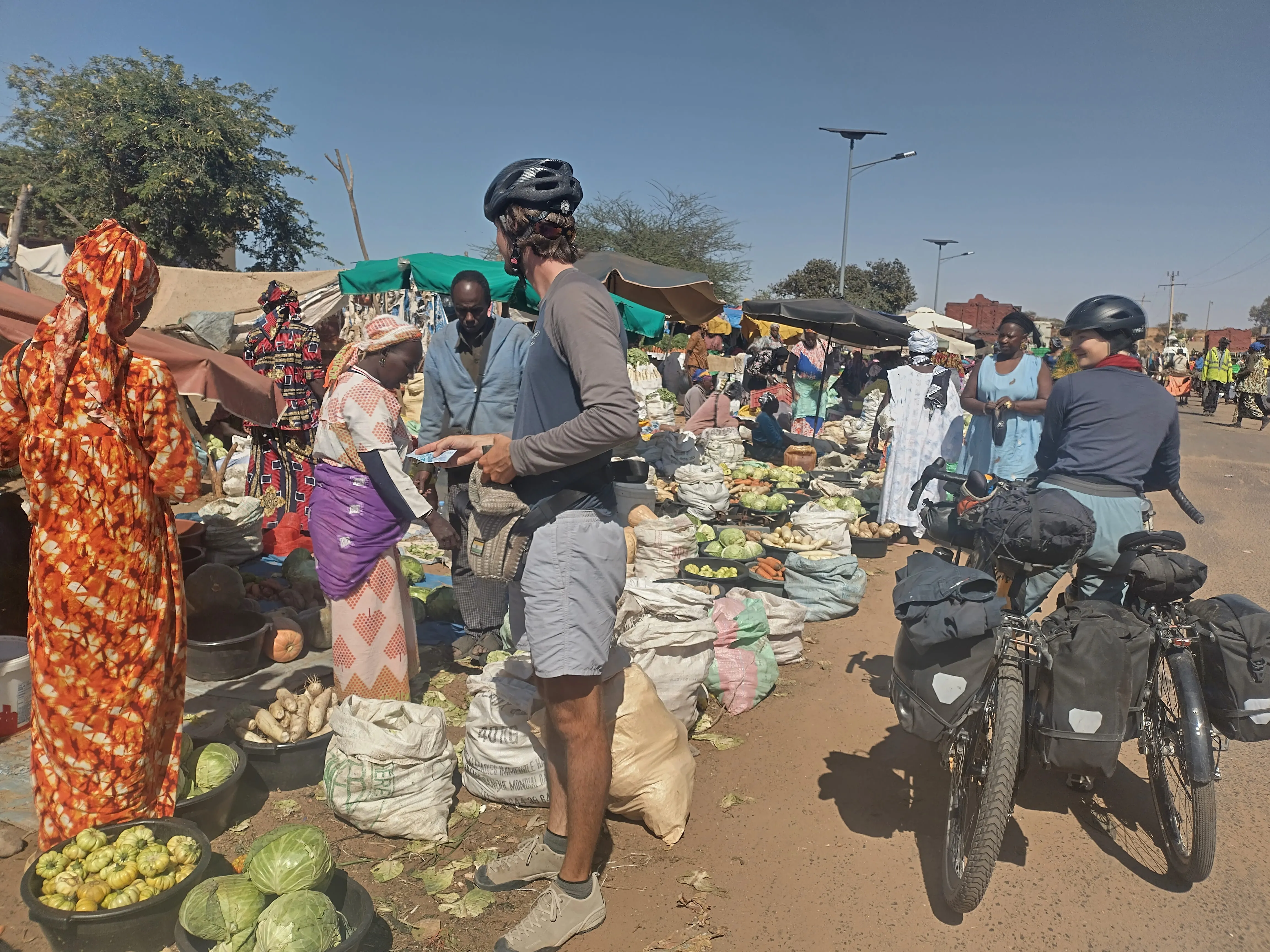
The markets more than make up for the supermarkets’ limitations when it comes to fresh produce. Fruit and vegetables are abundant, cheap, and of good quality. Fish is everywhere along the coast. Meat is available in most towns.
For snacks, the markets reliably had:
- Peanuts (groundnuts — a cornerstone of Senegalese cooking)
- Fresh fruit — bananas, mangoes, oranges, and papaya, depending on the season
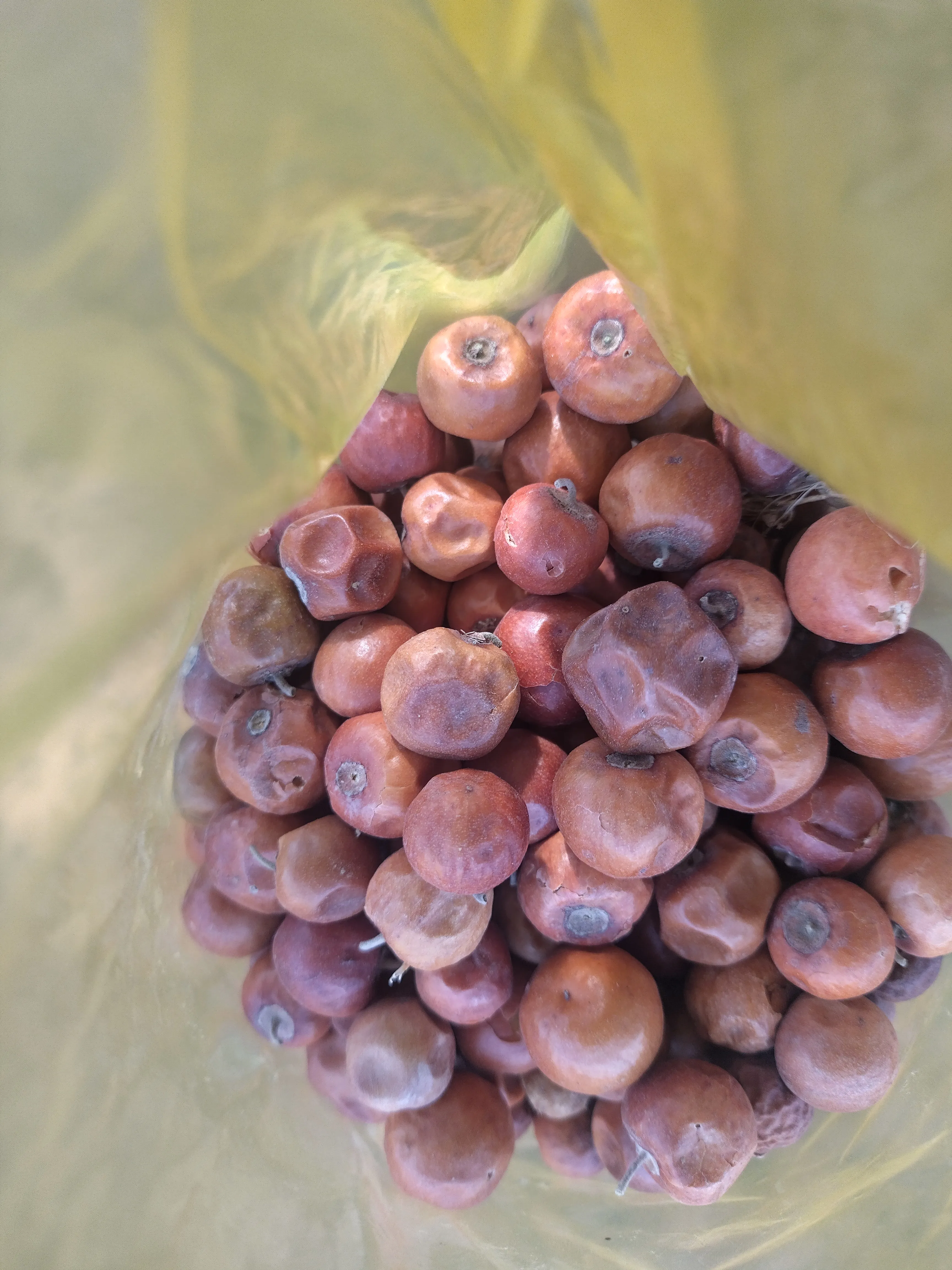
- Dried berries — bissap (hibiscus) and other dried fruits, widely available when I was there in January
- Chocolate — packaged and widely available, most of it GF
- Dates
Naturally GF flours are available in the markets too, including millet flour and maize flour. These are sold from sacks, so the usual cross-contamination caveats apply — the same scoop often does the rounds across every sack.
A Note on Local Beer
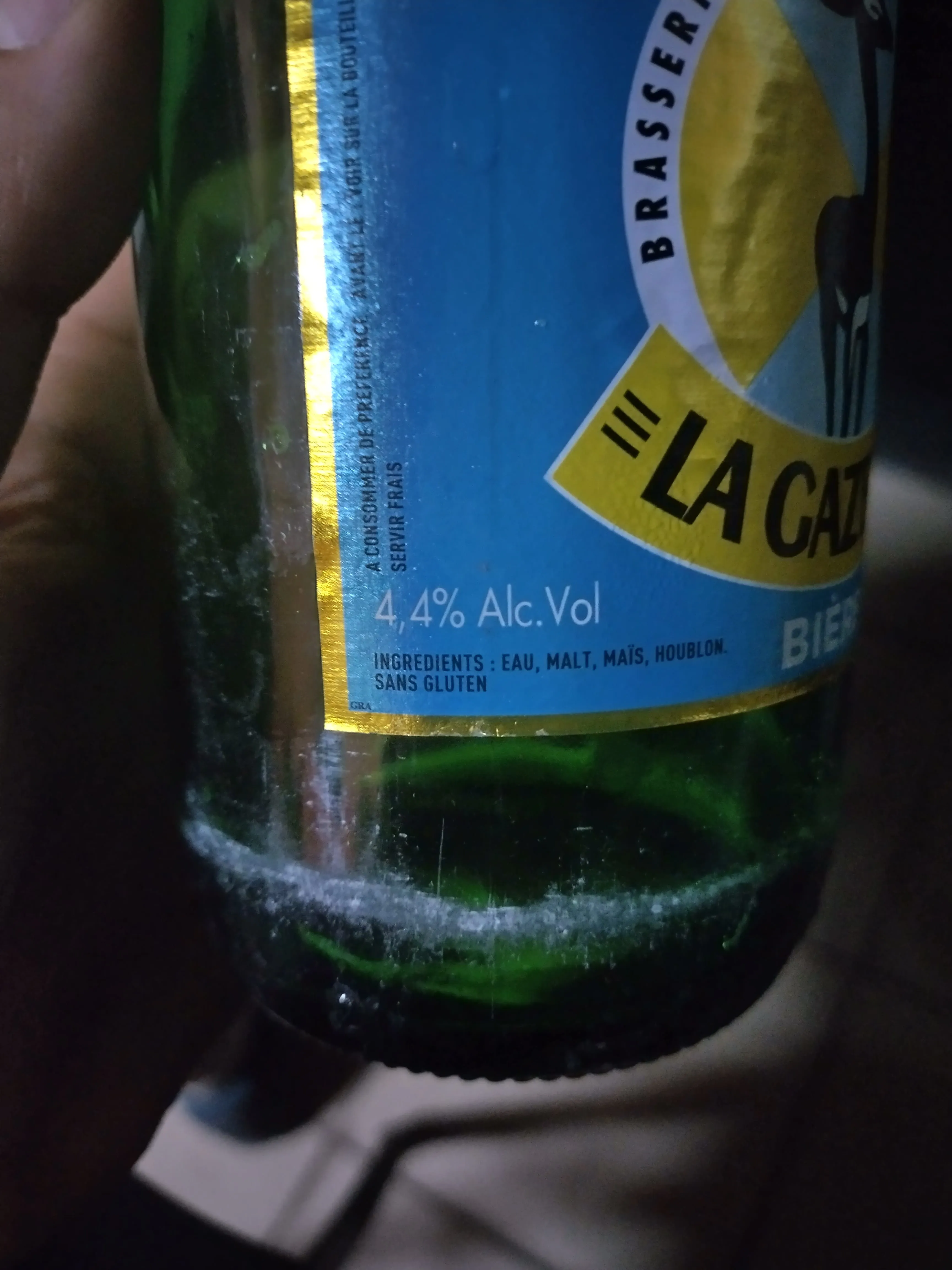
La Gazelle and Flag Spéciale, the two ubiquitous local beers, both carry a small “sans gluten” label on the bottle. Don’t be fooled, like I was. I can safely say that they are very much not gluten free.
Words to Remember
French is the official language of Senegal. In rural areas, Wolof is more commonly spoken, but French will usually get you understood in a restaurant context.
| English | French |
|---|---|
| I am a celiac | Je suis coeliaque |
| Gluten free | Sans gluten |
| Without | Sans |
| Wheat | Blé |
| Barley | Orge |
| Oats | Avoine |
| Flour | Farine |
| Does this contain gluten? | Est-ce que c’est sans gluten? |
Useful phrases when eating out:
| English | French |
|---|---|
| I cannot eat wheat or barley | Je ne peux pas manger de blé ou d’orge |
| Does this contain flour or breadcrumbs? | Est-ce que ça contient de la farine ou de la chapelure? |
| Is there soy sauce in this? | Est-ce qu’il y a de la sauce soja là-dedans? |
| Which dishes on the menu are gluten free? | Quels plats du menu sont sans gluten? |
| Do you use a separate pan or fryer? | Utilisez-vous une poêle ou une friteuse séparée? |
As I mentioned earlier: in most roadside restaurants in Senegal, these questions aren’t necessary. The food is what it is: rice, fish, vegetables and groundnuts, and there’s nothing to ask about. Use the phrases when you have a reason to.
Conclusions
- The traditional Senegalese diet is largely naturally gluten free. Thieboudienne and mafé are your best friends.
- Check the stock cube packets if you get the chance — the main brands were GF when I visited, but it’s worth verifying.
- There are zero dedicated GF products in Senegalese supermarkets. Plan accordingly.
- La Gazelle and Flag Spéciale say “sans gluten” on the label. They are not gluten free.
- Dakar has a small number of GF-friendly restaurants. Outside Dakar, you’re relying on traditional food and self-catering.
FAQs
Yes, thieboudienne is naturally gluten free. It’s made from rice, fish, tomatoes, and vegetables. The one thing worth checking is the stock cube used in preparation — the main Senegalese brands were GF when I visited, but it’s a good idea to verify if you can.
Yes, mafé is naturally gluten free. It’s a groundnut stew made with meat and vegetables, served over rice. As with thieboudienne, the stock is the one thing to query if you’re being cautious.
No. Supermarkets in Senegal stock no dedicated GF products. If you need GF bread, pasta or biscuits, bring them with you from home or source them before you travel. Once you’re on the road outside Dakar, you will not find them.
Despite both carrying a “sans gluten” label, neither La Gazelle nor Flag Spéciale is safe for celiacs. Both are brewed from barley. Avoid them.
Awareness is very low across the country, including in Dakar. Even when I explained my dietary needs carefully, describing the specific ingredients to avoid, it rarely landed with full confidence. People were willing to try to help, but familiarity with the concept simply isn’t there. A translated food card in French and Wolof is a useful thing to carry.
Tags :
Share :
Related Posts
Gluten Free Beer in Argentina
Argentina has a unique and up-and-coming gluten free (GF) beer scene. Local laws have enabled 100% GF beers to emerge in the market, and in recent years it has become more available. In this article, I’ll cover what makes the Argentinian GF beer market so unique, where you can buy it, and which beer
read more
Argentina: A Gluten Free guide
Argentina is surprisingly on it with celiac disease. There is huge awareness of the condition, even in remote parts of the country, and gluten free essentials are widely available in the larger supermarket chains. With a small amount of consideration for which restaurants you visit, it is very feasi
read more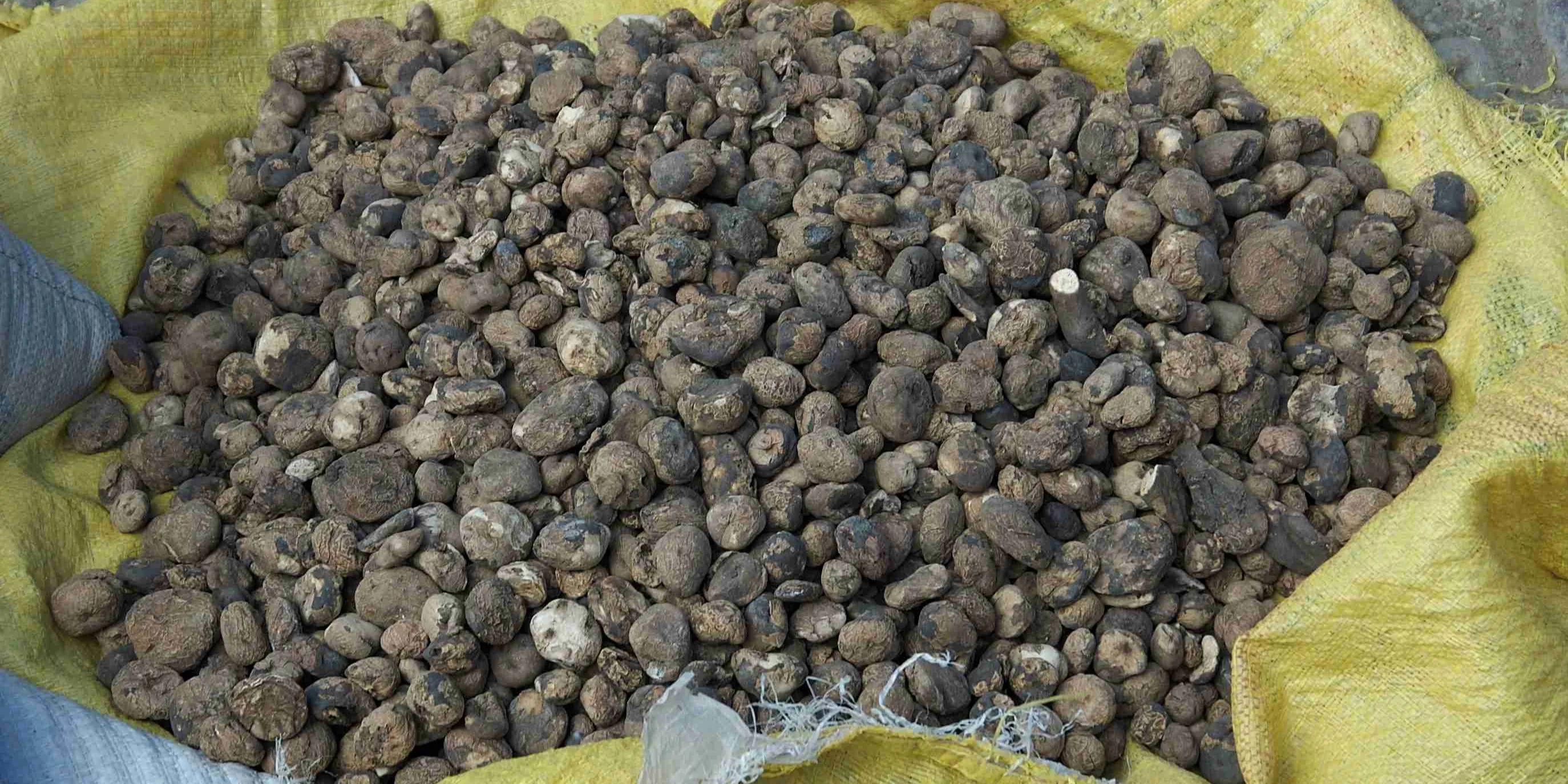
Are Chuños Gluten Free?
Chuños are freeze-dried potatoes, making them naturally gluten free. However, some of the Bolivian and Peruvian dishes they are traditionally used in do contain gluten. They’re a must-try if you’re visiting the region — a unique food item found almost nowhere else in the world.
read more
Bolivia: A Gluten Free Guide
Bolivia is one of the more challenging countries to travel through as a celiac. When eating out, there are naturally gluten free dishes, but the level of cross-contamination is high, and wheat flour finds its way to a surprising number of items. If cooking for yourself, naturally gluten free food is
read more
A Complete Guide to Gluten Free Bolivian Restaurant Dishes
Before visiting Bolivia, we did zero research into restaurant food and regretted it deeply. The menus were indecipherable, even with a working knowledge of Spanish. It was difficult to work out what each dish contained, never mind whether it was gluten free or not.
read more
Chile: A Gluten Free Guide
Chile is not the celiac paradise that Argentina is next door, there's no restaurant allergen law, rural options are slim, and staff awareness is inconsistent at best. That said, the Chilean diet leans naturally gluten free, Santiago has a growing dedicated GF scene, and if you're willing to live on
read more
Ecuador: A Gluten Free Guide
Ecuador's traditional diet leans heavily on corn, rice, cassava, and plantains, which makes it a surprisingly good destination for celiacs willing to eat simply. Celiac awareness is low and GF labelling is rare, but the naturally gluten free options, especially through markets and the menu del día,
read more
Is Quinoa Gluten Free?
Yes, quinoa is naturally gluten free. It contains no wheat, barley, or rye, and has been a staple food in the Andes for thousands of years. The catch, and there is one, is cross-contamination. Quinoa is often grown, harvested, and processed alongside gluten-containing grains, which means unlabelled
read more
Mauritania: A Gluten Free Guide
- Mauritania
- Travel
- 22 Mar, 2026
Mauritania is not an easy destination for celiacs. Awareness of gluten and celiac disease is effectively zero, and outside Nouakchott you won't find a single dedicated GF product. That said, the country's cuisine is rice- and meat-heavy enough that eating naturally gluten free is possible — especial
read more
Morocco: A Gluten Free Guide
Morocco is a brilliant place to travel; it has a vibrant culture, interesting landscapes and lovely people. Cycling for 3 months through Morocco taught us that this fantastic country is also one of the toughest for gluten-free travellers. This guide breaks down exactly what food is available off the
read more
Peru: A Gluten Free Guide
Peru is not a country that has caught up with celiac disease. When I was there in 2019, GF labelling was essentially non-existent outside Lima, and restaurant staff in rural areas were more likely to be baffled by the question than helpful. That said, Peru's traditional Andean diet is built on potat
read more
Cusco: A Gluten Free City Guide
Cusco is the most celiac-friendly city in Peru outside Lima, which is not a particularly high bar to clear. That said, the tourist centre has a decent cluster of restaurants that understand the question, mark GF options on their menus, and won't look at you blankly when you mention gluten. The menú
read more
A Gluten Free Guide to Poland
Poland surprised me, but then again, much of Eastern Europe has far surpassed my expectations as a celiac. In the cities and in supermarkets, you're in genuinely good hands: plentiful free-from aisles, strict EU labelling laws, a dedicated certification symbol, and a growing network of certified glu
read more
Gluten Free in Romania
Romania is a country of two speeds for celiacs: Bucharest has a genuinely improving GF scene with certified bakeries and dedicated menus, while rural areas still run almost entirely on wheat. Supermarkets in bigger towns will keep you fed either way.
read more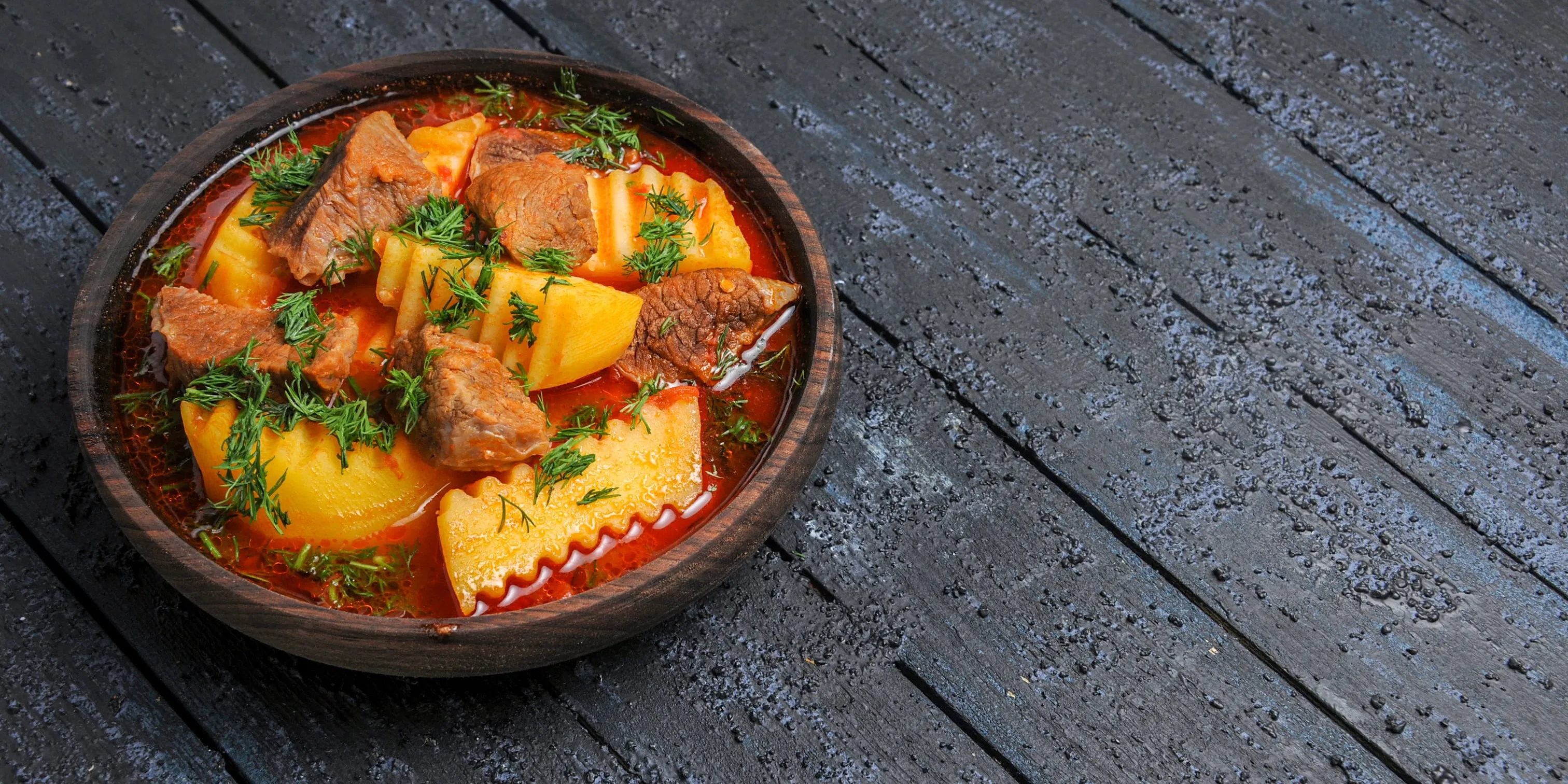
Is Mafe Gluten Free?
Mafe is usually gluten free. It's a rich peanut stew made with meat, tomatoes, and vegetables, with no wheat in the traditional recipe. That said, some cooks thicken it with wheat flour, so it's not one you can order blindly without checking.
read more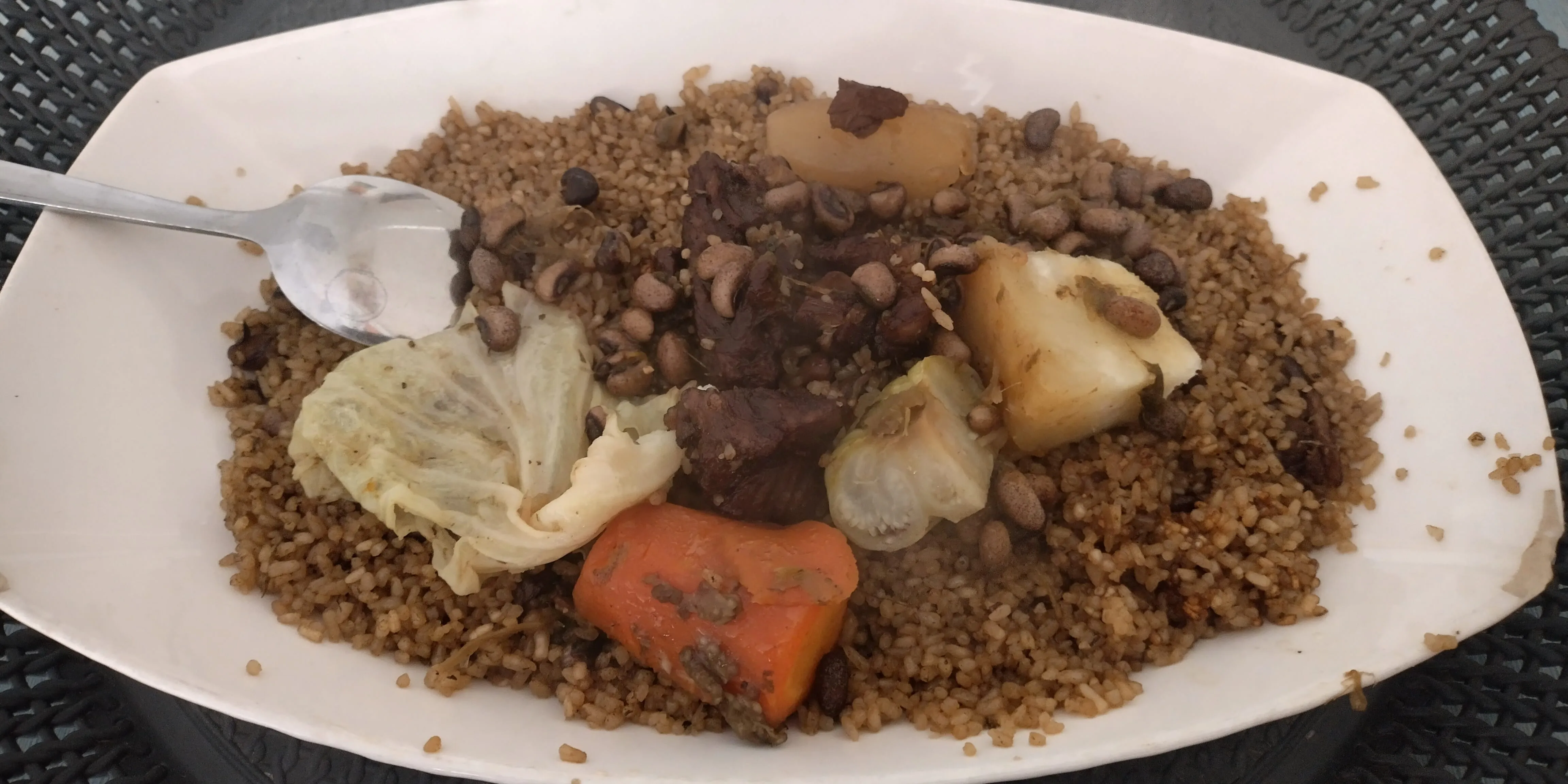
Is Thieboudienne Gluten Free?
Thieboudienne is naturally gluten free, made from rice, fish, tomatoes, and vegetables. The one caveat is the stock cube used in its preparation, which is worth checking, but the main Senegalese brands are GF.
read more
Gluten Free in Mississippi
Mississippi is a mixed bag for celiacs. Chains and Walmart have your back, but local diners and Southern classics are a minefield of shared fryers and flour-dusted everything. Here's what I learned over two months of work trips.
read more
South India: A Gluten Free Guide
India is a beautiful, diverse country with rich food traditions. The South, in particular, is an excellent destination for gluten-free travellers thanks to its reliance on rice, lentils, coconut, vegetables, and spices. This guide focuses on South India, where we spent three weeks exploring, eating
read more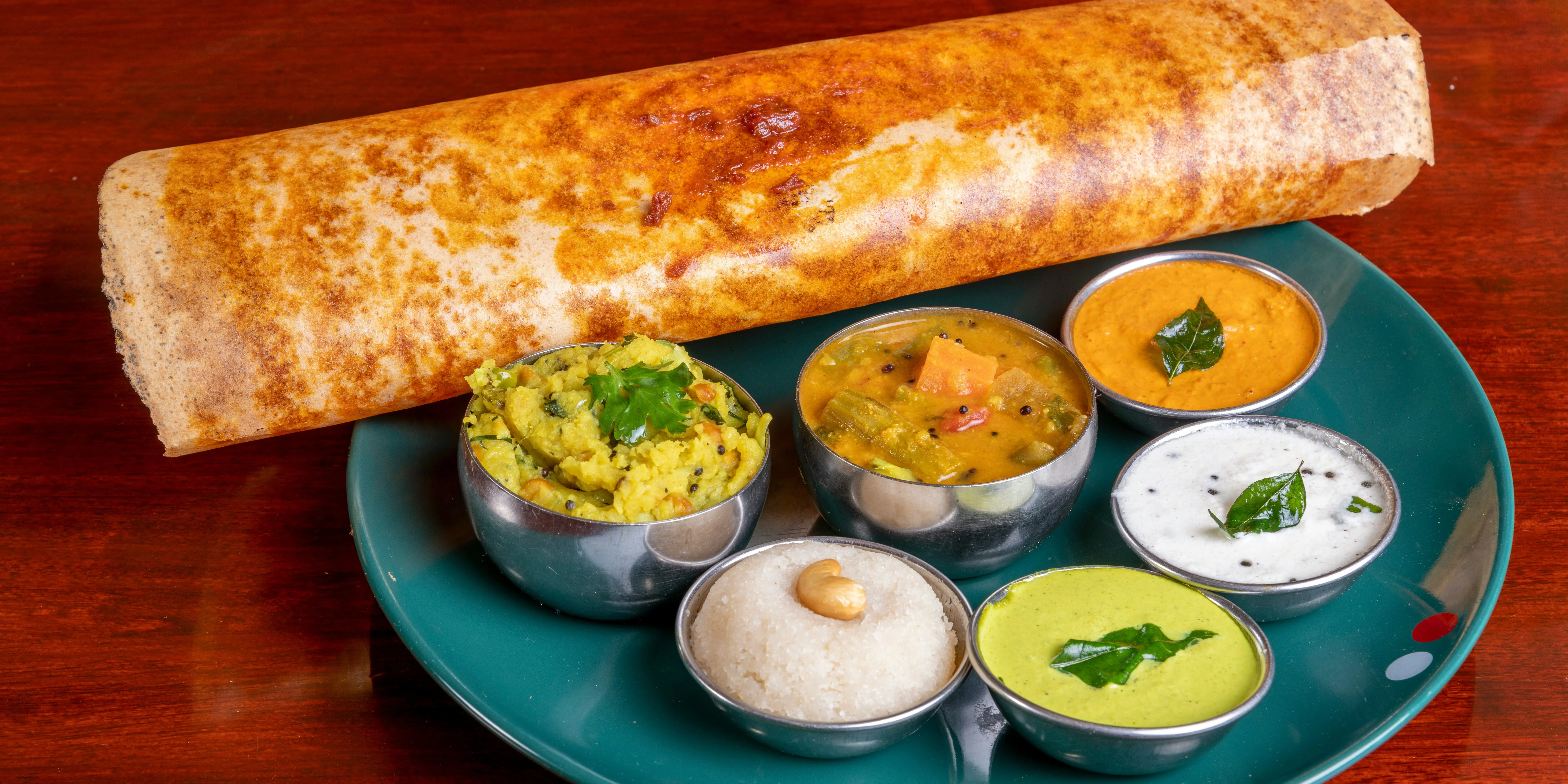
Is Dosa Gluten Free?
Dosa is naturally gluten free, made from a fermented batter of rice and lentils. Most varieties are safe for celiacs, though a handful of dishes served alongside dosa are worth watching out for.
read more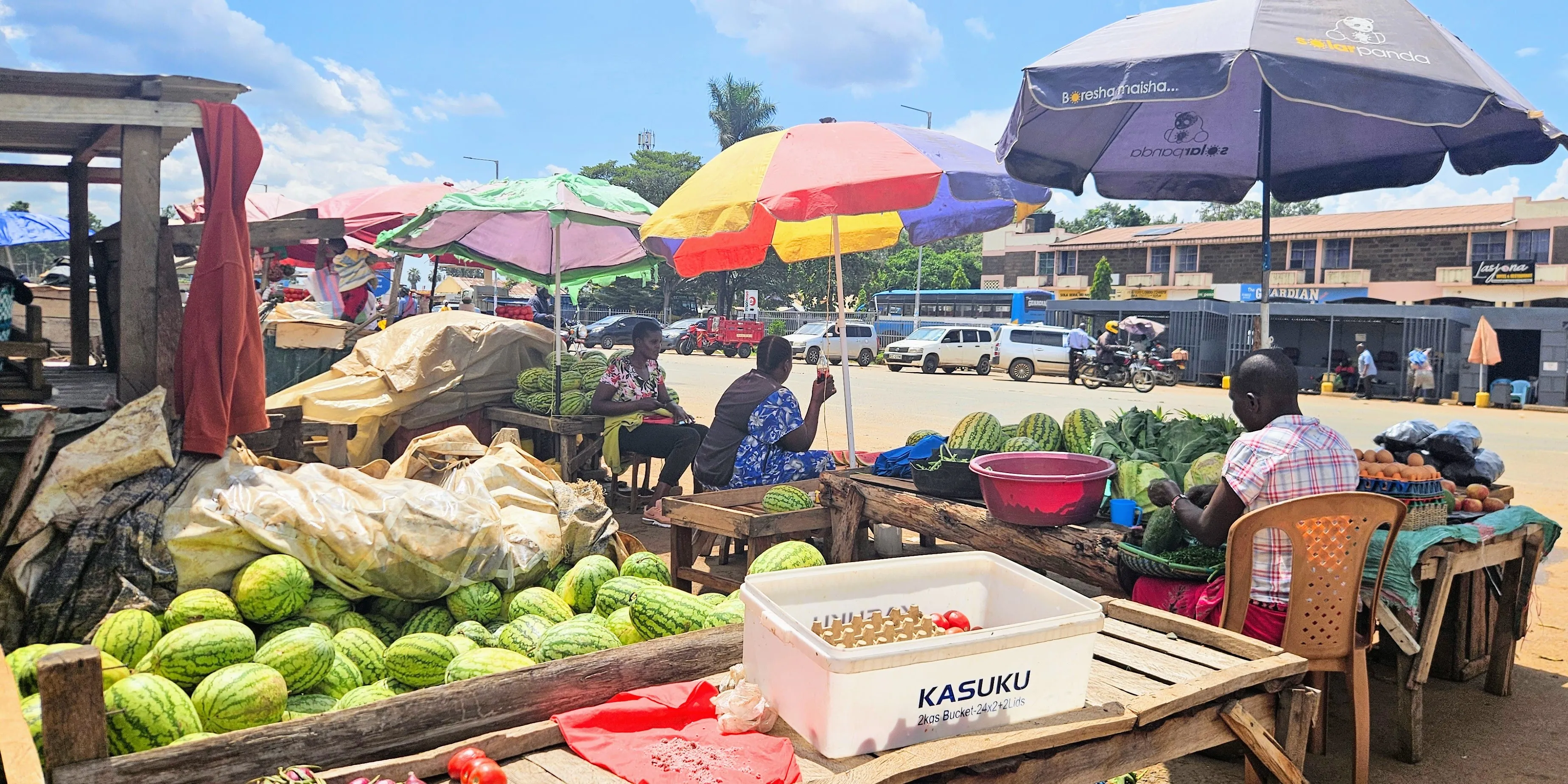
Kenya: A Gluten Free Guide
Kenya is a brilliant country to travel through as a celiac. celiac awareness is virtually zero, but the traditional diet is naturally gluten free, fresh food is abundant, and self-catering is easy and enjoyable.
read more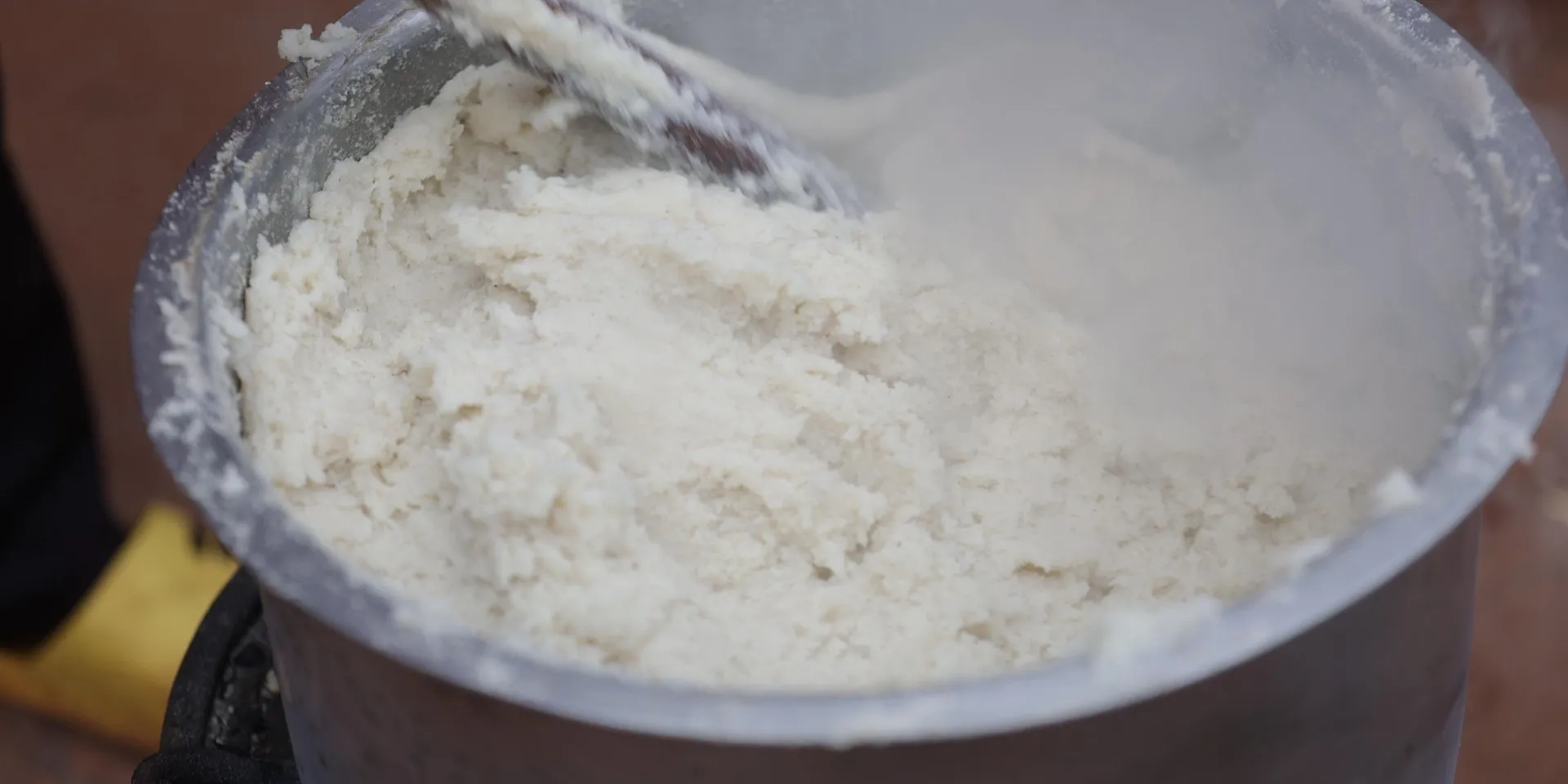
Is Ugali Gluten Free?
Ugali is Kenya's staple food, eaten by the vast majority of the population at least once a day. It is made from maize flour and water, which makes it naturally gluten free. Here's what a celiac needs to know about eating it safely in Kenya.
read more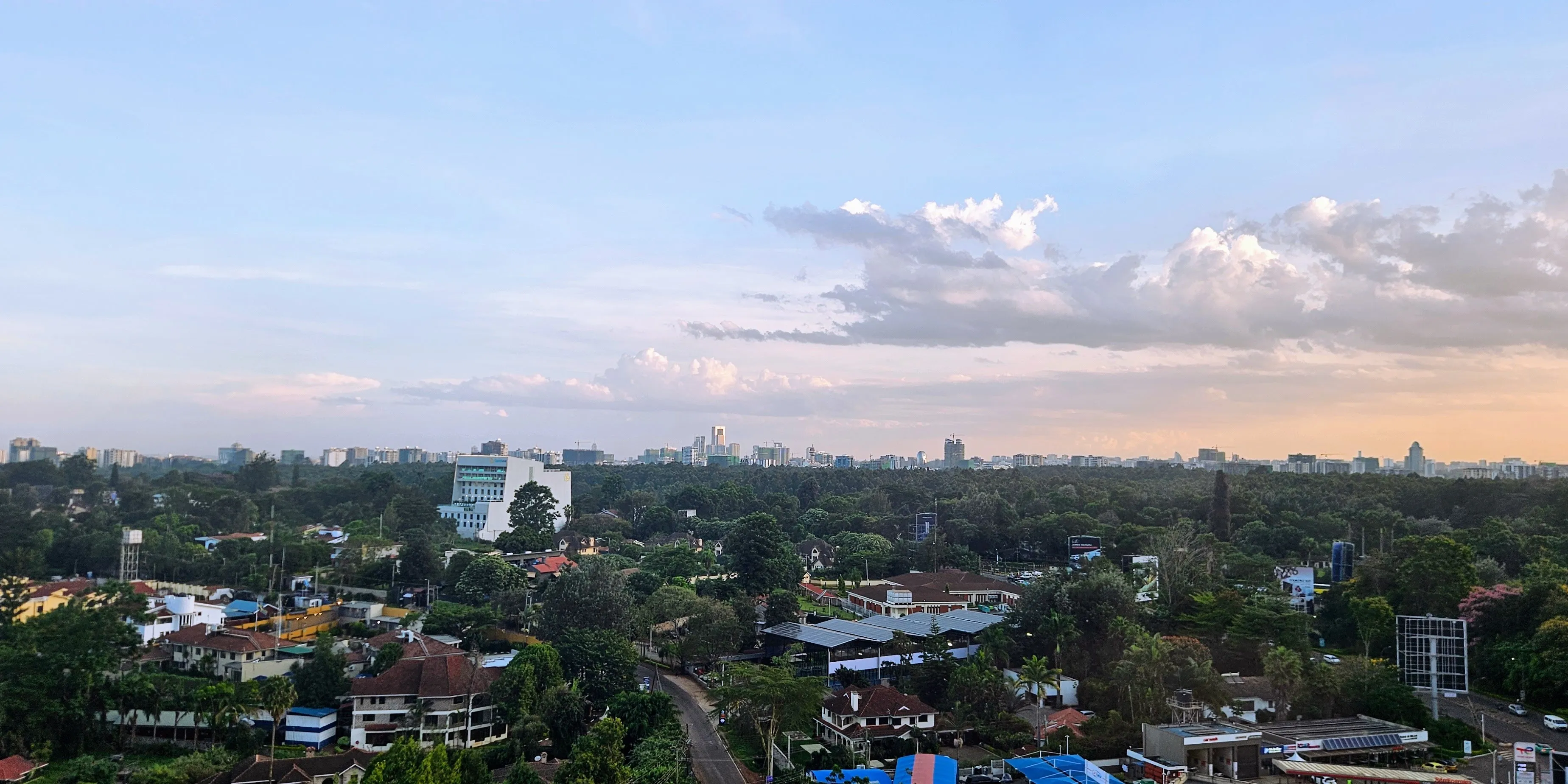
Nairobi: A Gluten Free Guide
Nairobi is a great city to visit as a celiac. Celiac awareness is low, but the food scene is excellent, self-catering is easy, and the traditional Kenyan diet is naturally gluten free friendly. Here is what we learned after nearly a month in the city.
read more
Spain: A Gluten Free Guide
Ahhh Spain, lovely Spain. The weather’s (mostly) good, landscapes varied, and gluten free food is abundant. Celiac disease is well known, and there are some good government and third-party resources to help with eating out gluten free. With a bit of care, you can easily travel in Spain and successfu
read more