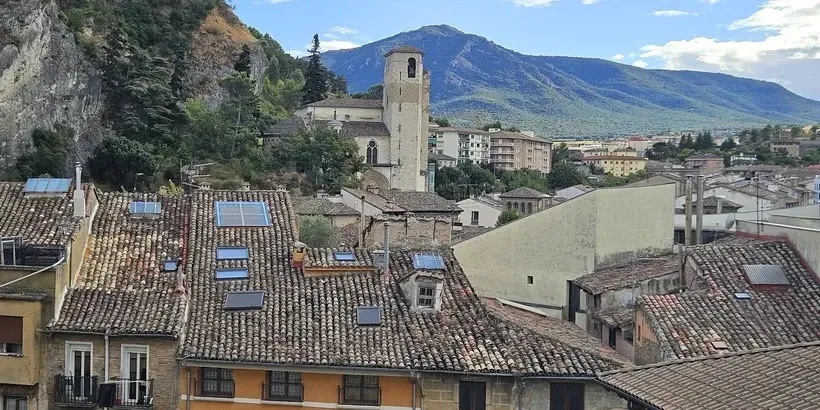
Spain: A Gluten Free Guide
Ahhh Spain, lovely Spain. The weather’s (mostly) good, landscapes varied, and gluten free food is abundant.
Celiac disease is well known, and there are some good government and third-party resources to help with eating out gluten free. With a bit of care, you can easily travel in Spain and successfully avoid gluten.
Key Points
- High Celiac Awareness: Spain is highly aware of Celiac Disease (Celíaco), making it one of the easier countries in Europe to navigate, especially in major cities.
- FACE Certification: For the safest dining, look for the FACE (Federación de Asociaciones de Celíacos de España) certified restaurants using their mobile app.
- Supermarket Giants: Grocery shopping is reliable, with Dia, Carrefour, and Alcampo offering the most extensive selection of GF substitute items.
- Naturally GF Cuisine: Many famous Spanish national dishes, including Paella, Tortilla Española, and Patatas Bravas, are naturally gluten-free (but always confirm preparation).
- GF Beer Everywhere: You will reliably find gluten-free beer (Estrella GF, Mahou GF) in both supermarkets and restaurants across the country.
Contents
Personal Experience
I’ve been to Spain 6 times over the last 5 years; twice on cycle touring trips, twice on hiking trips, once for a running race, and again for an impromptu weekend holiday. The cycling trips took us through the northern regions, from Santander across to Barcelona. One hiking trip was through the Pyrenees, and the other down near Malaga.
Eating gluten-free was easy throughout each trip. Meals were a combination of eating out, cooking in an apartment kitchen, and cooking on the camp stove. Sourcing gluten free supplies from the supermarkets was possible most days. The only time I got glutened was when eating at a buffet. All other times when eating out I had no problem, although I did typically consult Find Me Gluten Free beforehand.
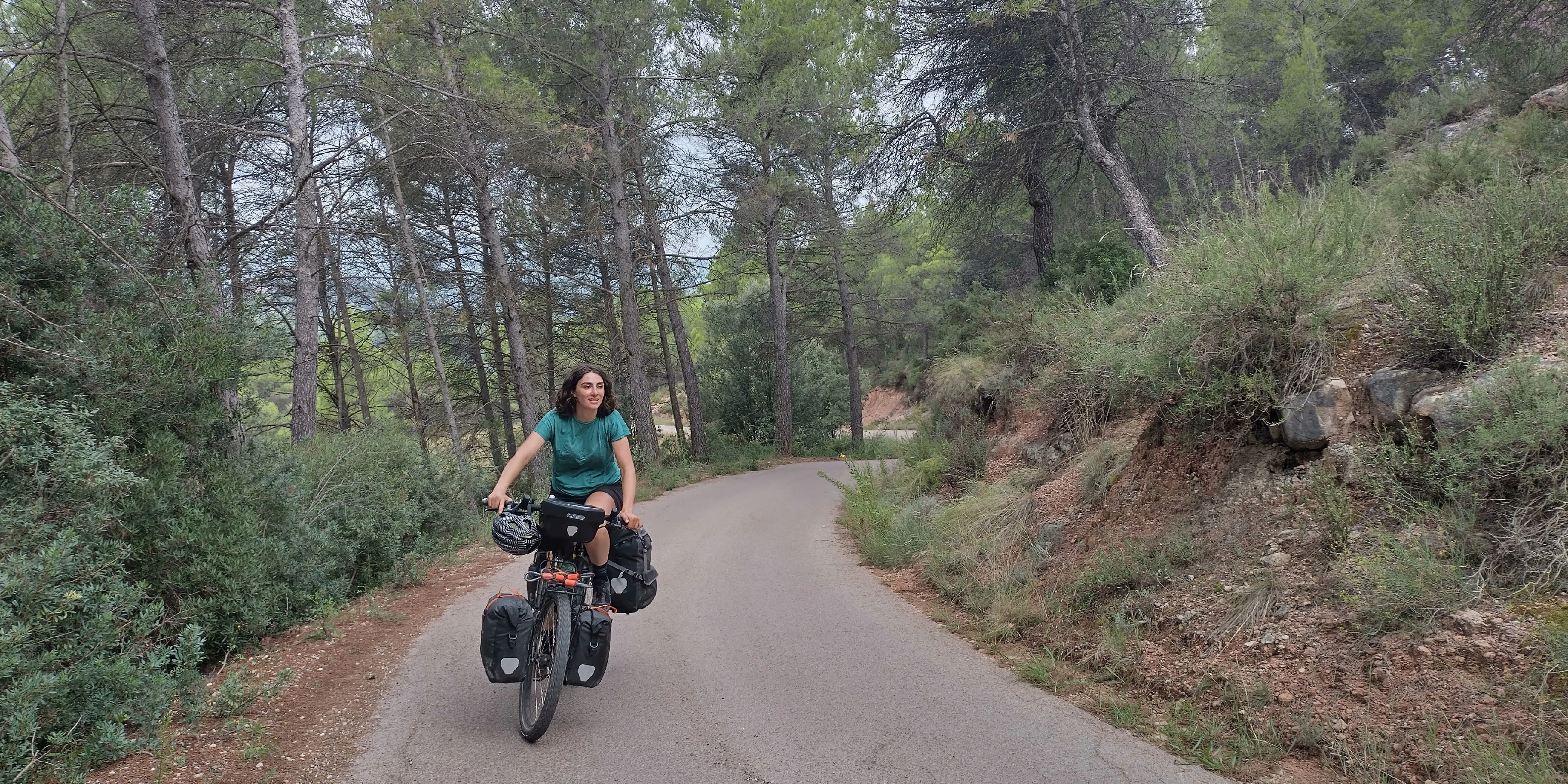
of Annie on a bike in Spain
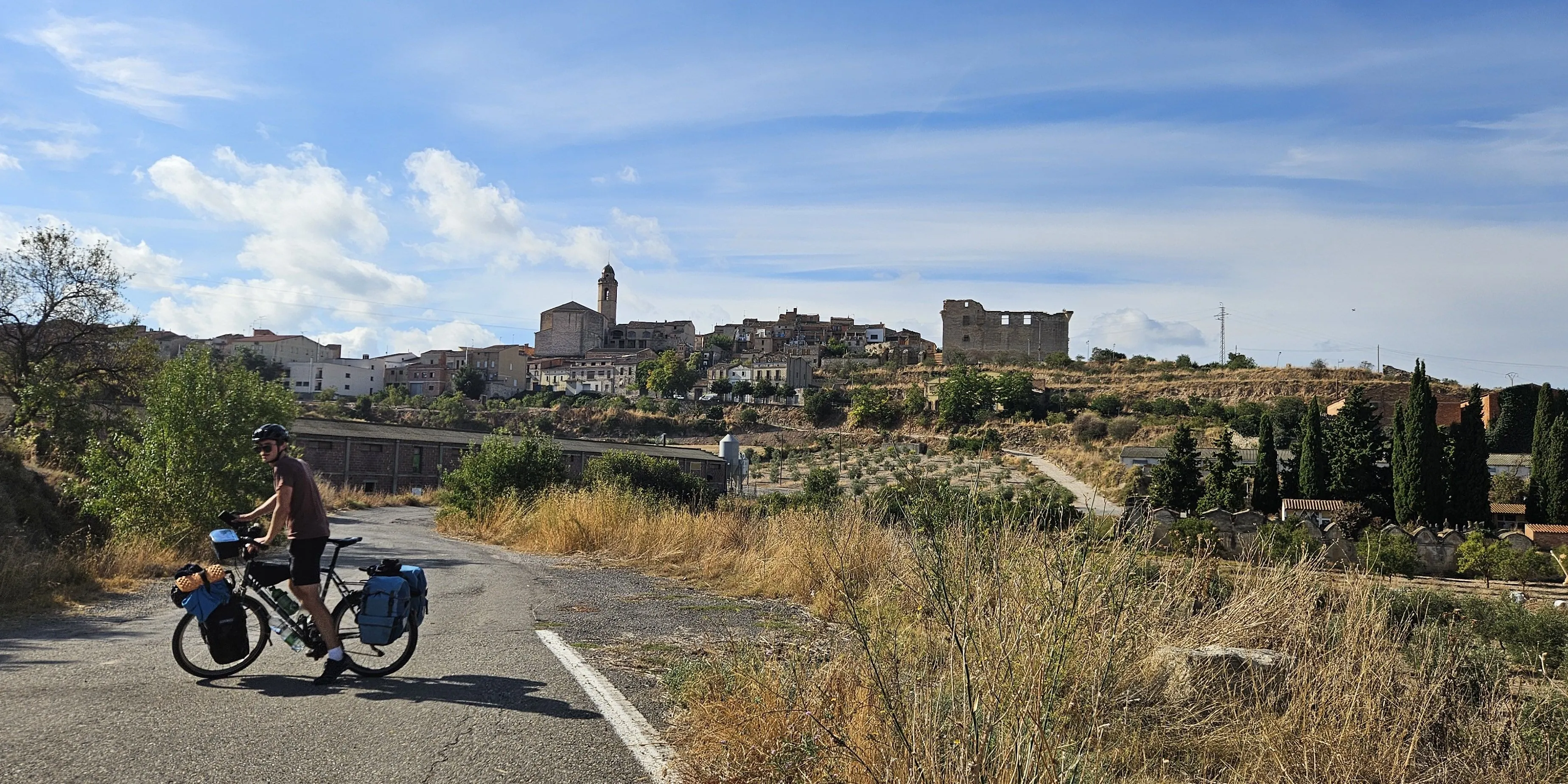
me on a bike in Spain
Gluten Awareness
Spain is one of the more gluten-aware countries in Europe. It follows the EU’s strict regulations on gluten-free labelling, meaning any packaged product that tests below 20ppm can display the crossed-grain symbol or the wording “sin gluten”. You’ll see this widely in supermarkets, pharmacies, and even small convenience stores.
Public awareness is also generally high. Most people recognise the words “celíaco” (celiac) and “sin gluten”, especially in cities and tourist regions. In restaurants, you’ll usually be understood immediately, and many servers know the basics of cross-contamination.
FACE
The Federación de Asociaciones de Celíacos de España has a lot of material to help celiacs, both tourists and residents. They have an ‘eat out’ program in which restaurants can be certified safe for celiacs. These restaurants can don the FACE certified sin gluten symbol on their entrance and website. All registered restaurants can be found on the FACE mobile app. [1]
Groceries
We found gluten free substitute items to be widely available. Even the small supermarkets in rural areas reliably sold gluten free bread, pasta, flour, and biscuits. Travelling through the country by bicycle, we were able to consistently keep a supply of gluten free bread, pasta and biscuits in our panniers. It made for an easy life.
Supermarket Chains
Most supermarkets reliably hold gluten free substitute items. The bigger supermarkets have a dedicated gluten free section (these are often huge), while smaller local supermarkets typically integrate the gluten free items in with the regular items.
Lidl, Aldi and Condis do not consistently supply gluten free items. You may find GF pasta but will be hard pressed to find any other essentials.
| Supermarket | Reliability for GF Essentials | GF House-Brand / Brand Availability | Where to Look Inside Store | Typical GF Finds |
|---|---|---|---|---|
| Mercadona | Good–Excellent (in cities / large stores) | Hacendado Sin Gluten, some other GF-branded items | Mixed — items scattered among regular shelves | GF pasta, cereals, snacks, biscuits/ cookies, sometimes frozen GF meals or bakery substitutes |
| Eroski | Excellent | Eroski Sin Gluten + other GF brands | Typically a dedicated “free-from / sin gluten” section | Bread substitutes, pasta, biscuits/cakes, frozen GF meals, snacks |
| Alcampo | Very Good–Excellent (especially in large hypermarkets) | Store GF lines + common GF brands | Usually a dedicated GF aisle in bigger stores | Bread or substitutes if available, pasta, snacks, frozen meals, GF flours |
| Carrefour | Very Good–Excellent in hypermarkets | “Carrefour No Gluten!” lines + other GF brands | Dedicated “sin gluten / free-from” aisles in larger stores | Bread substitutes, GF pasta, biscuits/cakes, frozen GF meals/pizzas, snacks |
| Día | Fair–Good (varies a lot by branch) | Limited GF selection (some imported or local brands) | Small “free-from / sin gluten” shelf/section in many stores | Basic staples (sometimes pasta, biscuits, snacks); GF bread, meals not guaranteed |
| Lidl / Aldi (discount chains) | Low–Unreliable | Very limited GF-labelled items (mostly occasional snacks) | No dedicated GF section; scattered items | Possibly snacks or biscuits/cookies; pasta/bread/ready meals rare |
Bread
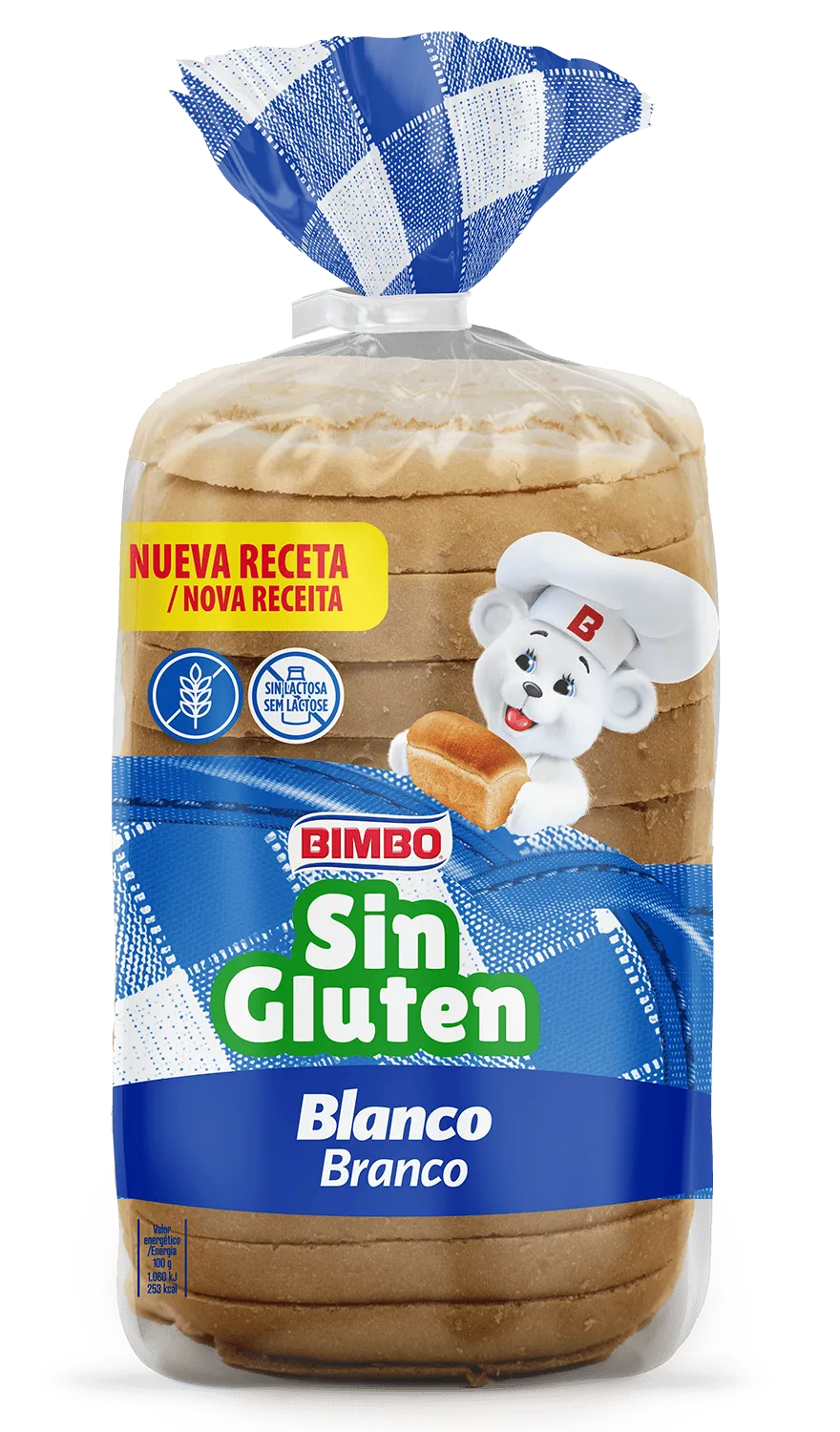
We are big fans of the Bimbo gluten free bread. Unlike most gluten free bread brands, it’s not as dry as the Sahara Desert and doesn’t fall apart at the first touch. I’m not being paid to say this. Bimbo is best!
Choco Pillows – The Second Love in My Life
Everywhere we went, we were able to find bags of “choco pillow sin gluten” cereal – crispy choco maize based shells filled with a chocolate hazelnut paste. They’re amazing, I still miss them. These were our go-to snack while we cycled across the country, they kept us turning the cranks all day.
Tortillas
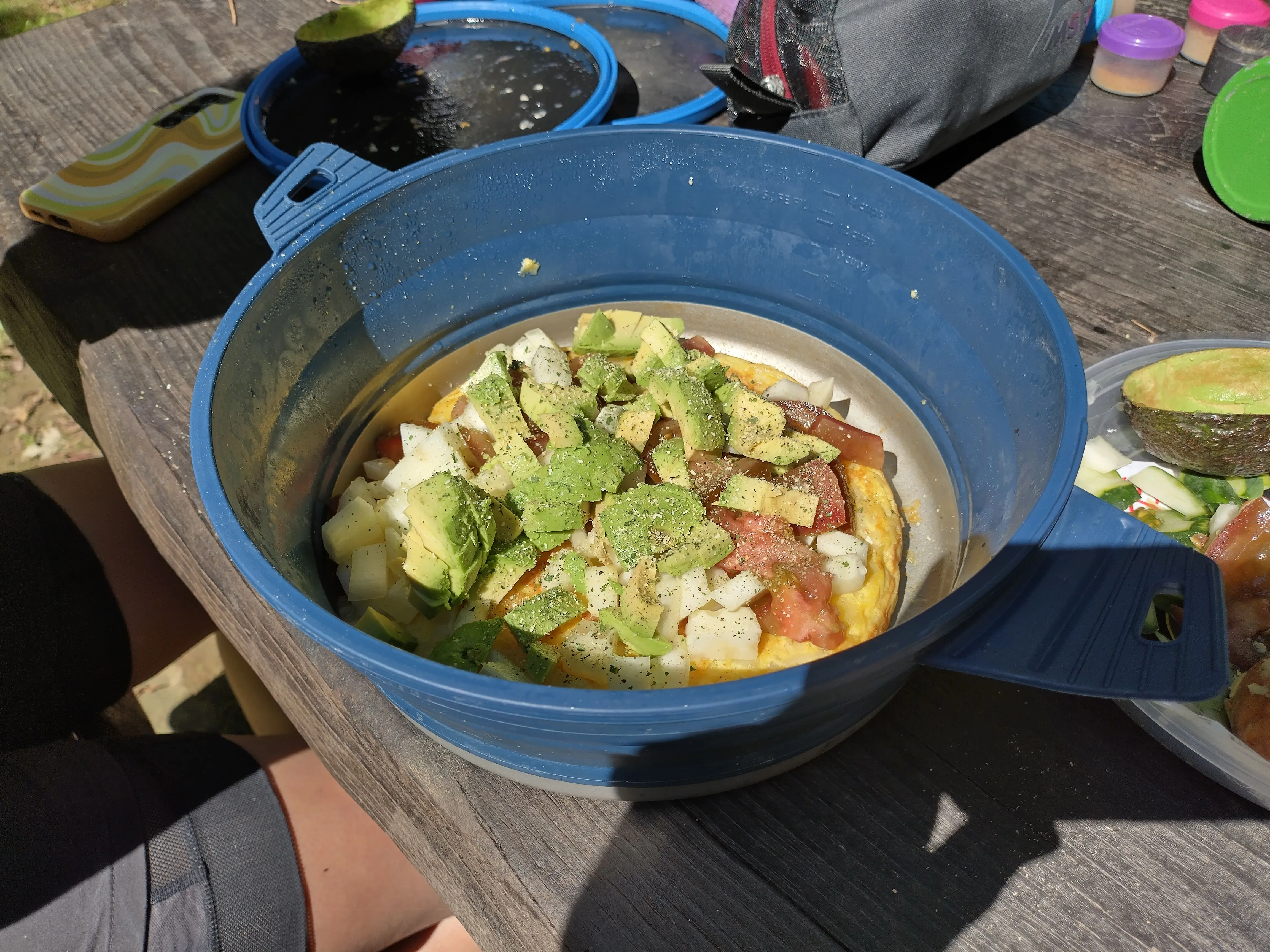
After a quick and easy meal? Grab a premade “Tortilla de Patatas” from your local supermarket. They’re always gluten and dairy free and just need to be fried off for a couple of minutes. We used to add sliced tomato, avocado or cucumber on top.
Emergency Backup Meal
While cycling across the country, we carried a “just add water and cook” paella mix in our panniers as a backup meal for in case we ran out of food. We bought it in a Mercadona, and it turned out to be a great meal for if we were just feeling lazy.
Gluten Free Beer
Gluten free beer is everywhere. You’ll typically find bottles of the Estrella GF or Mahou GF in most restaurants and bars. If you’re lucky, they might even have a GF beer on tap. The Free Damn – GF and AF beer is also widely available.
We came across 5 GF brands in supermarkets, all lagers: Estrella, Daura Damm, Mahou, Ambar, and Ramblers. They’re all quite similar and good prices.
All these beers conform to the European <20ppm rules, meaning they’re gluten reduced rather than gluten free. If you’re a celiac, I’m sure you’ve tried gluten reduced beers and know if you react or not. Personally, I don’t react and happily drink them. I know some die-hard celiacs would advise against this, so make your own decision.
In cities we came across some craft beer bars that had homebrewed gluten free beers on tap, such as Garage Beer Co In Barcelona. I’d take the gluten free label with a pinch of salt, I’m not sure the gluten content of the homebrewed beers is actually tested.
Local Stores (Non-Chains)
In local stores, the selection is more limited. We found that pasta was always available, but essentials like bread and biscuits a little harder to come by.
In the southern small towns, often the only available GF pasta was made with chickpeas. It has an acquired taste and a terrible texture. I really regretted buying 5 days’ worth of it.
Dedicated Gluten Free Shops
You’ll find dedicated gluten free shops and bakeries in most major cities. I find the bakeries to be relatively expensive, but so totally worth it. The bread and cakes are infinitely better than what you can buy in the supermarkets. Google or the Find Me Gluten Free app is the best way to find them.
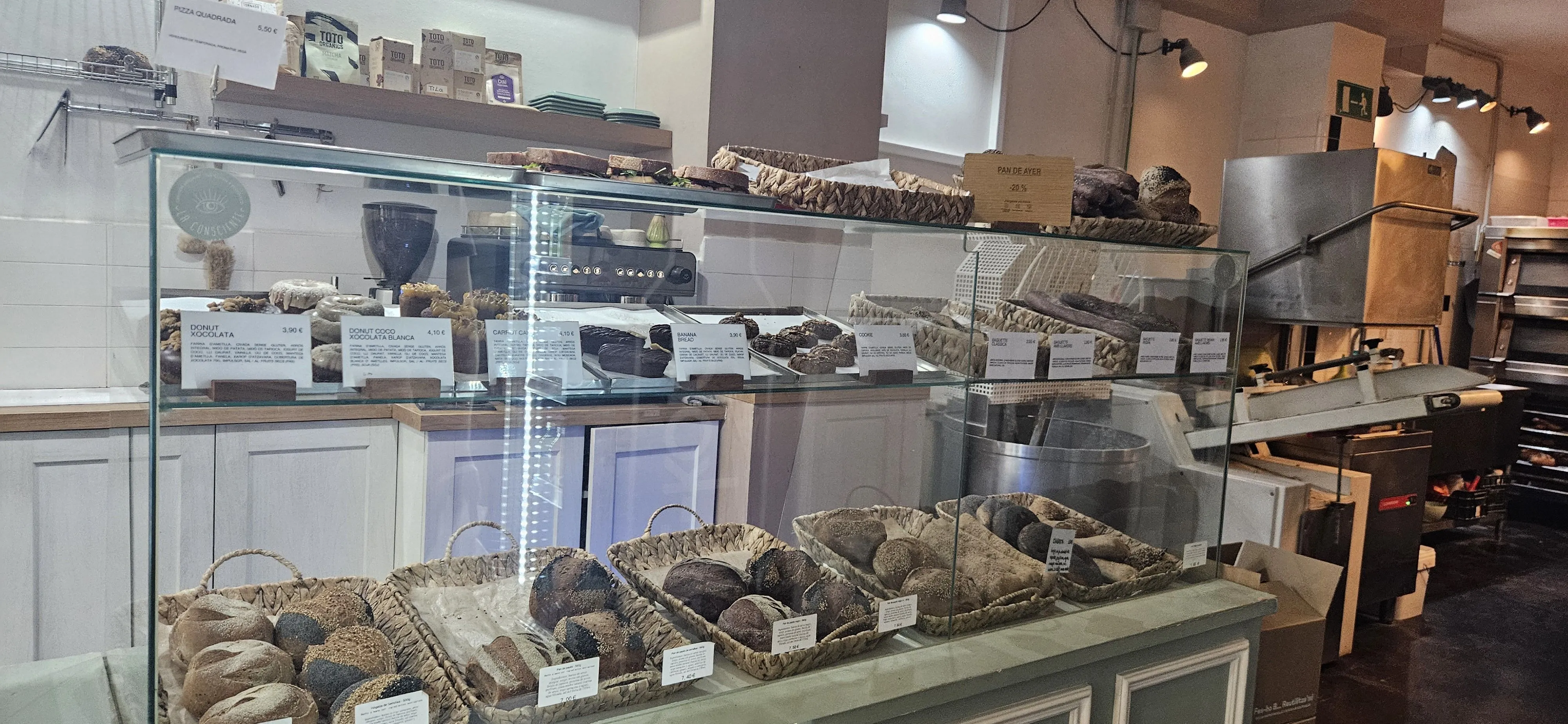
This image was taken in La Consciente, Barcelona.
Street Markets
Local street markets happen on certain days of the week. We rarely found ourself in a town at the right day and time to actually visit one. However, Annie spent 3 months working in Menorca, and when she had a day off on market day she’d get amazing fresh produce at brilliant prices.
So have a search for when market day is and if you can, we definately recommend going.
Eating Out
Most menus contain at least one gluten free item. The majority contains multiple. Every waiter and chef I met knew what gluten is, they’re used to being asked the gluten questions, and were aware of cross contamination. This was true for restaurants that were not FACE approved also (I’ll be honest and say I didn’t know about FACE until researching this article).
I felt in safe hands while eating out.
Many of the nation’s famous dishes are naturally gluten free so as a celiac you don’t have to miss out on the local cuisine. This is a massive win, I find the local cuisine makes up a significant part of a countries culture and it sucks when you can’t experience it because it all contains gluten.
As mentioned earlier, for the safest eating out experience as a celiac, visit a FACE registered restaurant. Find Me Gluten Free is also widely used throughout Spain.
Throughout Spain you’ll find restaurants offering el menu del dia – a well priced three course meal, typically served at lunch time. At best, you’ll get three options for each course, but in most places, it is a set menu and complete luck whether it’s gluten free or not
Naturally Gluten Free National Dishes
- Paella - all types: Valenciana, mixta, seafood
- Tortilla Española
- Fabada Asturiana (check with server) - Bean stew with morcilla, chorizo, pork
- Pulpo a la Gallega - Galician octopus
- Huevos Rotos / Huevos Estrellados - Fried potatoes + eggs + fillings.
- Pisto - Spain’s ratatouille: tomatoes, peppers, courgettes.
- Escalivada - Roasted veg (aubergine, peppers, tomatoes).
- Almejas a la Marinera - Clams in wine and parsley.
- Tapas:
- Patas bravas
- Gambas al Ajillo
- Pimientos de Padron (Fried non-spicy chillis, they’re brilliant)
- Jamón Ibérico / Serrano
- Chorizo, Lomo, Salchichón
Glutenous National Dishes
- Gazpacho – Usually thickened with stale bread
- Empanadillas
- Pescaito Frito – battered fried fish
- Cañas / Bartolillos / Ensaimadas - pastries
- Tapas:
- Calamari ☹
- Croquetas
- Albondigas (meatballs) – usually made with breadcrubs
- Tortillitas de Camarones (shrimp fritters) – traditionally made with chickpea flour, often made with wheat flour.
- Migas – literally fried breadcrumbs
Non-traditional Gluten Free Cuisine
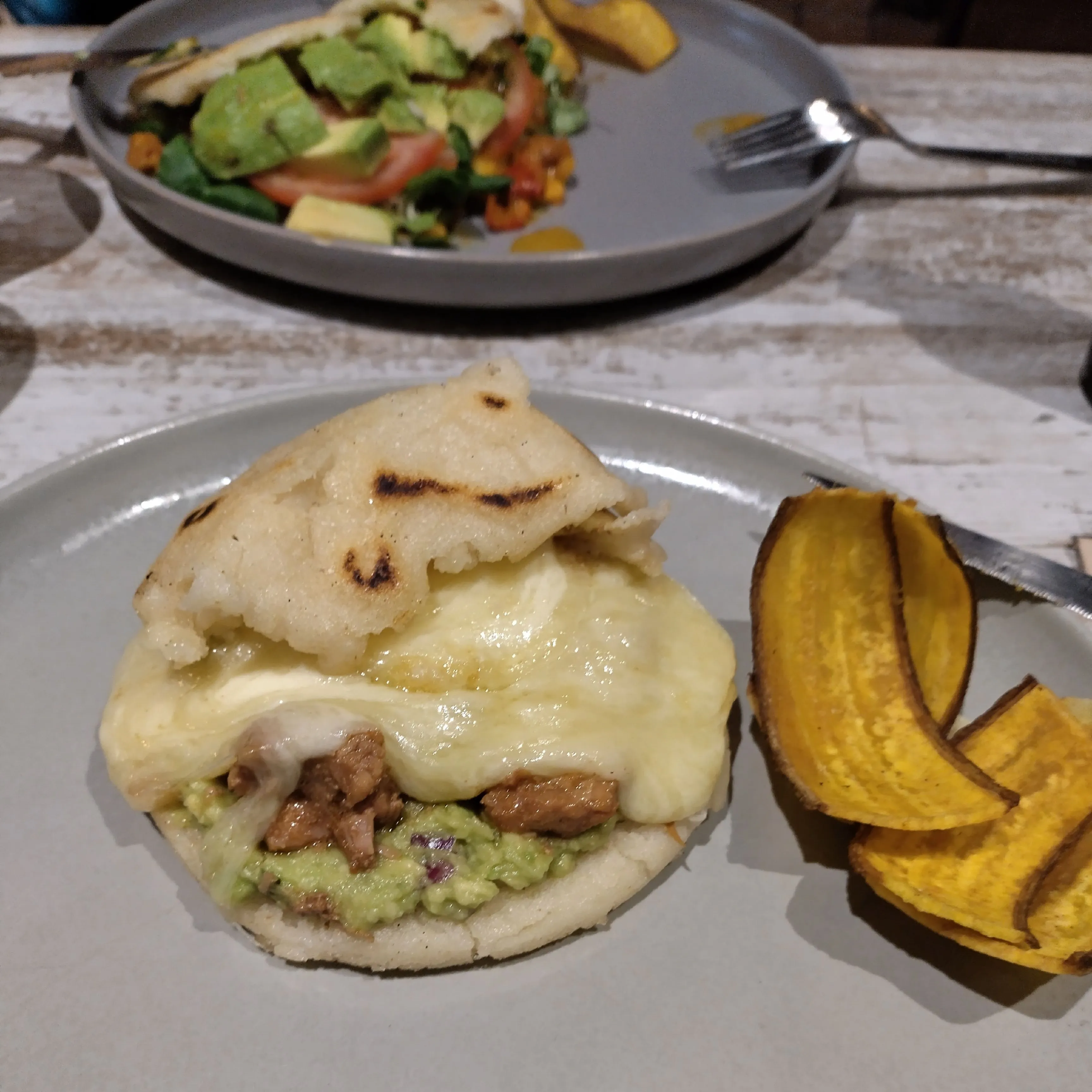
- Arepas – Usually found in areperias or Venezuelan restaurants
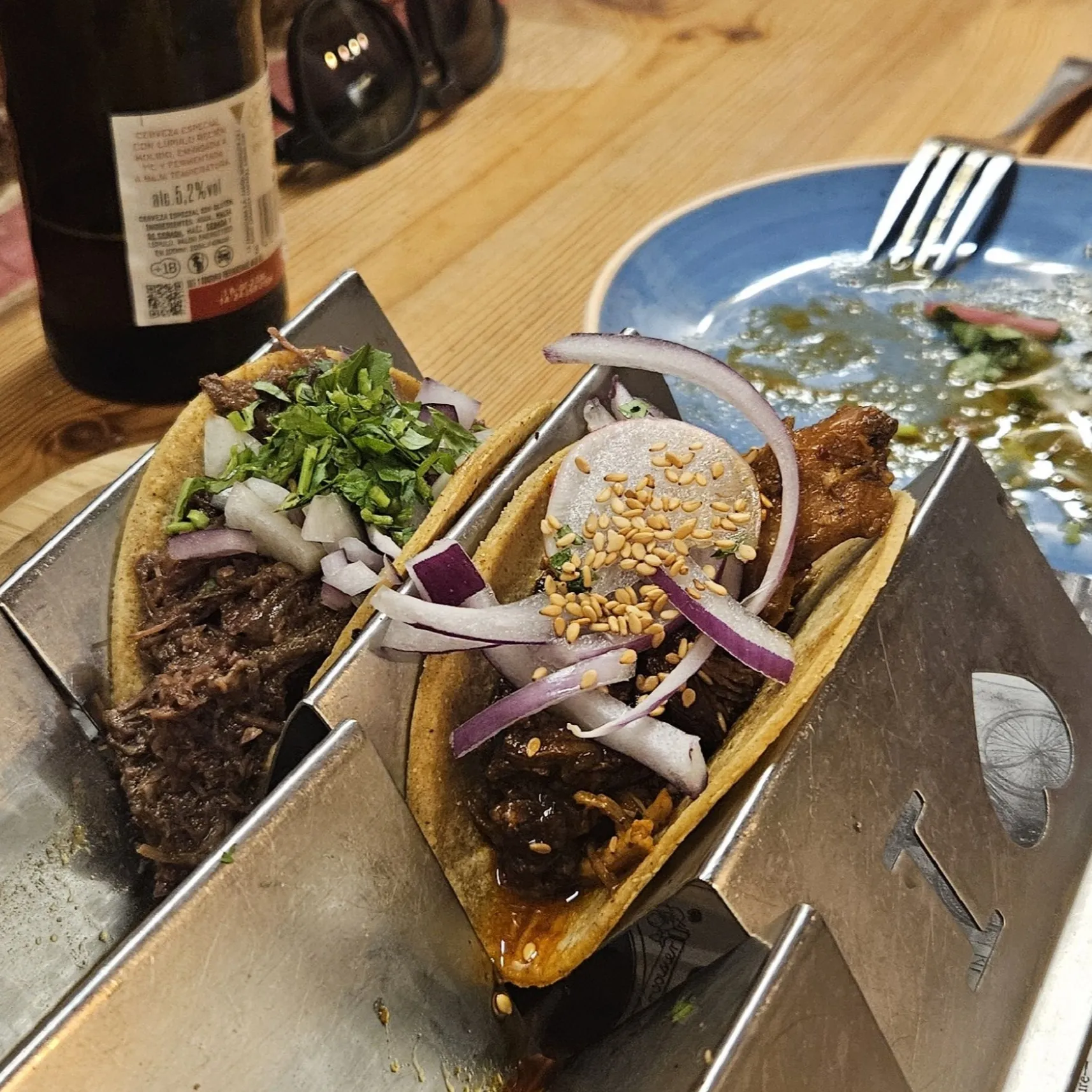
- Tacos – Many Mexican restaurants do the real maize-flour soft shell tacos
Restaurant Chains
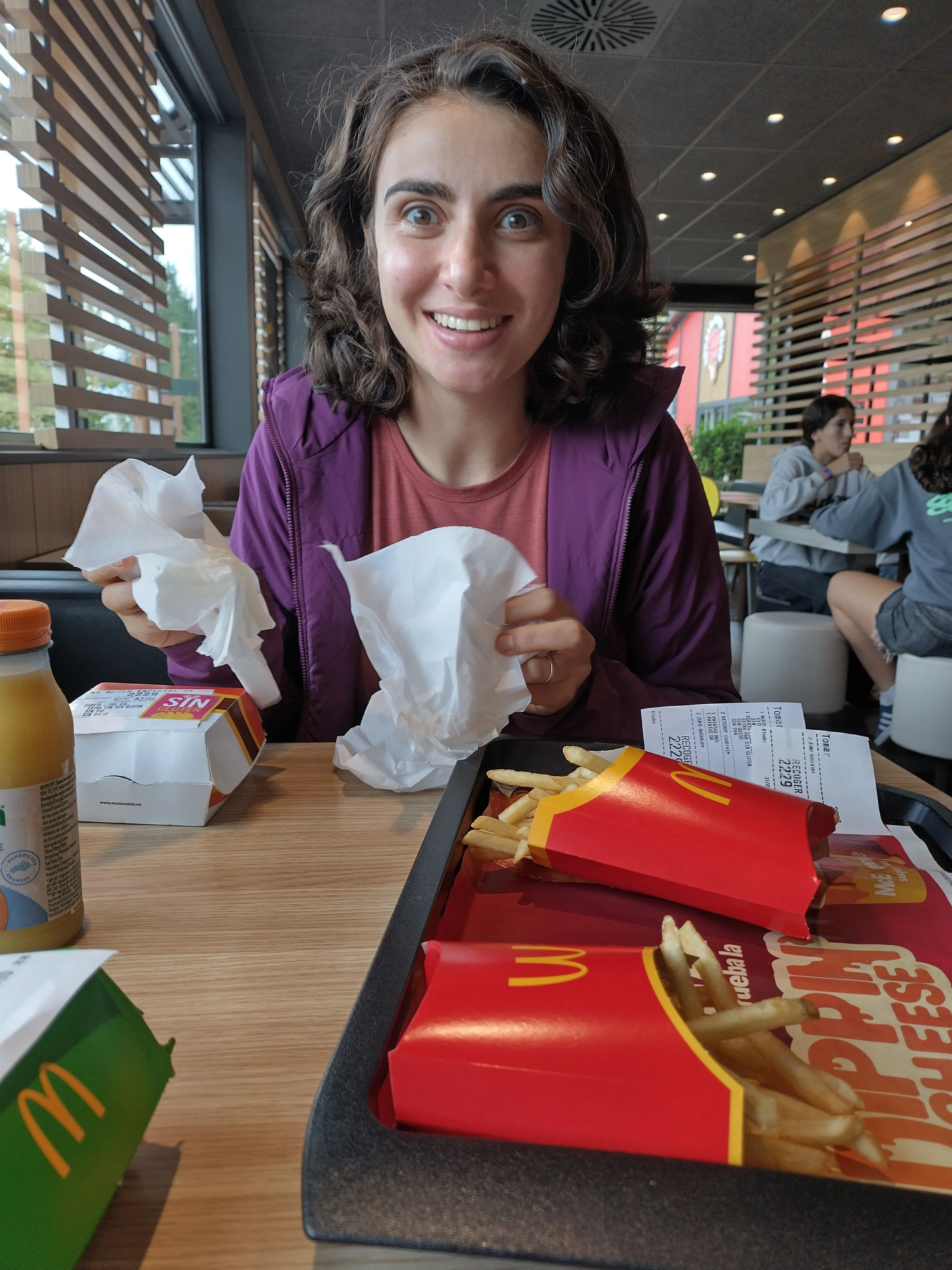
Chains such as 100 Montaditos, VIPS, McDonald’s, Burger King, and most major pizza chains offer gluten-free options with dedicated preparation areas. McDonalds sell gluten free buns, and even a gluten free beer.
Words to Remember
In the cities, English is widely spoken. However, in the rural areas, this is not the case, and knowing some phrases in Spanish is useful. As always, I recommend that you take a translated gluten-free card with you as a backup, and downloading the google translate app as a last resort.
Some useful words and phrases include:
| English | Spanish |
|---|---|
| Without | Sin |
| Gluten free | Sin gluten |
| Flour | Harina |
| Wheat | Trigo |
| Barley | Cebada |
| Oats | Avena |
| Suitable for celiacs | Apta para celiacos |
| Could contain traces of gluten | Puede contener trazas de gluten |
Useful phrases for eating out:
| English | Spanish |
|---|---|
| Do you have a separate fryer? | ¿Lo hacéis en una freidora separada? |
| Does this contain flour or breadcrumbs? | ¿Esto contiene harina o pan rallado? |
| What options on the menu are gluten free? | ¿Qué opciones del menú están libres de gluten? |
| Do you have a gluten free beer? | ¿Tiene una cerveza sin gluten? |
Conclusions
So am I safe to visit Spain as a Celiac? Yes.
To recap:
- There is a high awareness of celiac disease and gluten free living throughout the country.
- Gluten free substitute items are widely available in most supermarkets, including the small local ones. The exceptions are Aldi, Lidl and Condis.
- The safest restaurants to eat at are those certified by FACE. They can be found in the FACE mobile app.
- Big cities usually have dedicated gluten free restaurants, cafes and shops.
Go book that flight! Spain is a country that genuinely cares about its celiac visitors, making it one of the easiest, most rewarding destinations in Europe. ¡Buen Provecho!
FAQs
While awareness is high and English is common in tourist areas, it’s highly recommended, in rural areas. Having a card with clear Spanish phrases helps communicate the severity of your needs, particularly regarding cross-contamination.
Many traditional tapas are naturally gluten-free, such as Jamón Ibérico, Patatas Bravas, and Gambas al Ajillo. However, be extremely wary of fried tapas like Croquetas and Calamari, which are breaded and often fried in shared oil. Stick to the naturally safe options or visit a FACE-certified tapas bar.
Look for FACE-certified restaurants first. If dining elsewhere, clearly state you are celíaco (celiac) and ask specifically: “¿Lo hacéis en una freidora separada?” (Do you make this in a separate fryer?) and “¿Contiene trazas de gluten?” (Could it contain traces of gluten?)
The widely available Bimbo brand is a great supermarket option. For superior quality, look for dedicated gluten-free bakeries (panaderías sin gluten) in major cities, which often offer fresh, artisanal loaves that are far better than packaged alternatives.
Sources
[1] FACE The Federación de Asociaciones de Celíacos de España, available here.
Tags :
Share :
Related Posts
Is Couscous Gluten Free?
In short, no. Traditional couscous in Morocco is not gluten-free and is unsafe for celiacs. Couscous, of Berber origin, has been eaten since ancient times. It’s a cornerstone of Moroccan cuisine and many families eat it traditionally on Fridays, as well as festivals and family gatherings.
read more
Is Tagine Gluten Free?
In short, yes! Tagine is a cornerstone of the Moroccan diet, and because the traditional recipe is naturally gluten-free, it's generally safe for celiacs. However, it's a variable dish coming in countless shapes and forms across Morocco, so it's always worth being cautious and asking questions befor
read more
Marrakesh: A Gluten Free Guide
The gluten free food scene in Marrakesh came as a nice surprise during my travels through Morocco: a country with little awareness of celiac disease. It was the first place I visited in which restaurants actively cater to celiacs. There are even bakeries in which you can find gluten free bread.
read more
Moroccan Bread: Is Any of it Gluten Free?
No, all Moroccan bread is traditionally made with wheat flour and is unsafe for celiacs.Bread is the cornerstone of Moroccan cuisine, eaten with almost every meal and used to mop up sauces and scoop tagines. As a result, it’s one of the hardest things to avoid when travelling gluten free in Moro
read more
McDonalds Gluten Free: Worldwide Search Tool
Ever wondered if you can get a gluten free McDonald’s in, say, Argentina? Or whether the fries are truly safe in Mauritania? Well wonder no more, the tool in this post will give you the lowdown on eating gluten free at any McDonalds in the world.
read more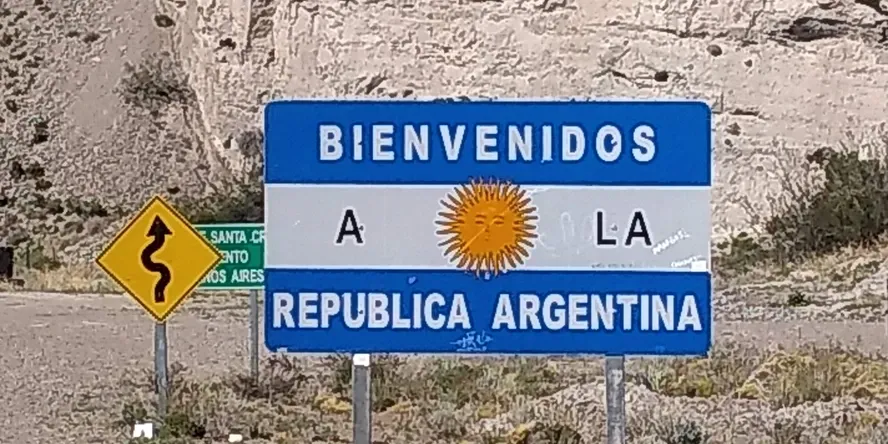
Argentina: A Gluten Free guide
Argentina is surprisingly on it with celiac disease. There is huge awareness of the condition, even in remote parts of the country, and gluten free essentials are widely available in the larger supermarket chains. With a small amount of consideration for which restaurants you visit, it is very feasi
read more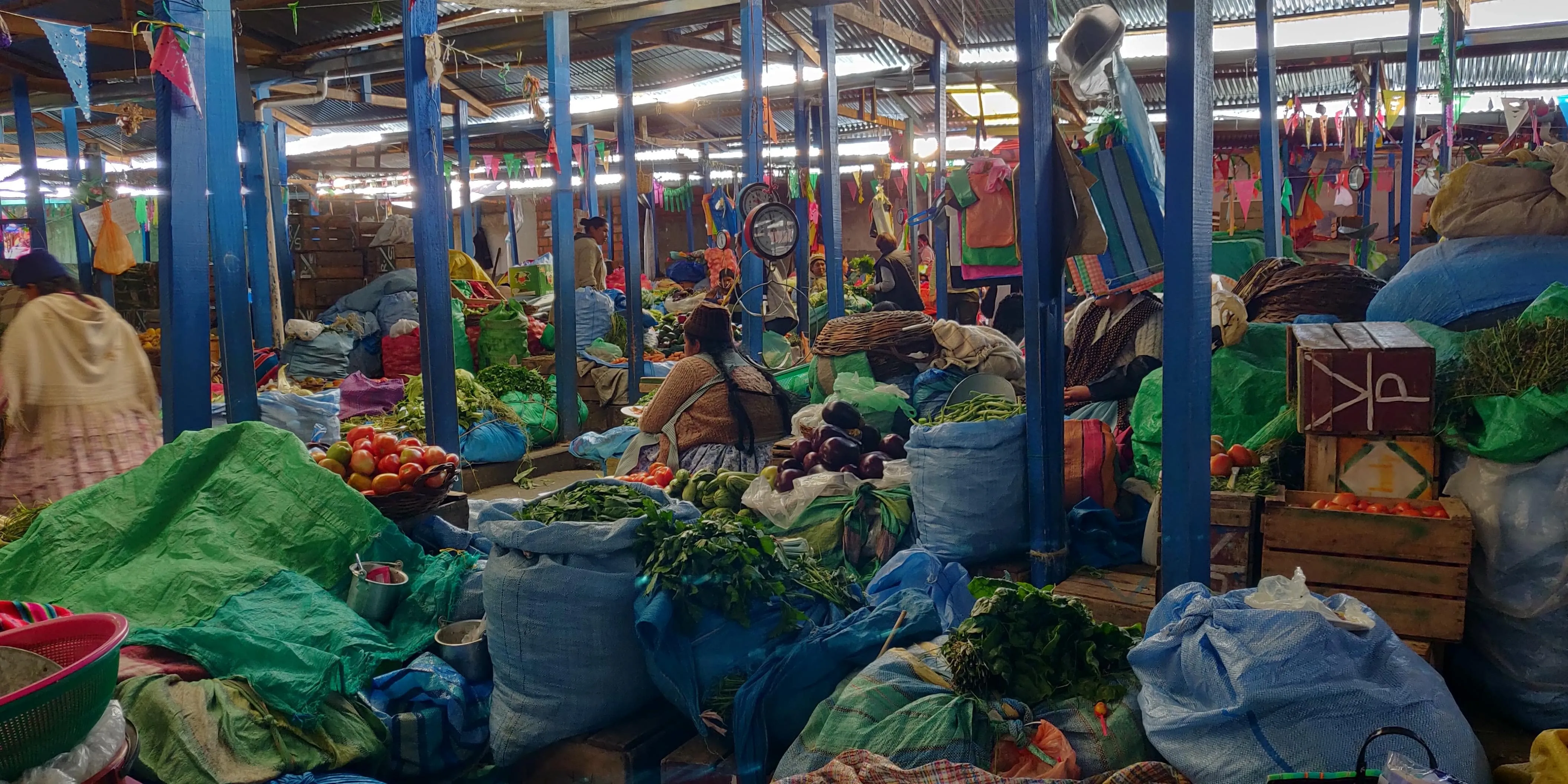
Bolivia: A Gluten Free Guide
Bolivia is one of the more challenging countries to travel through as a celiac. When eating out, there are naturally gluten free dishes, but the level of cross-contamination is high, and wheat flour finds its way to a surprising number of items. If cooking for yourself, naturally gluten free food is
read more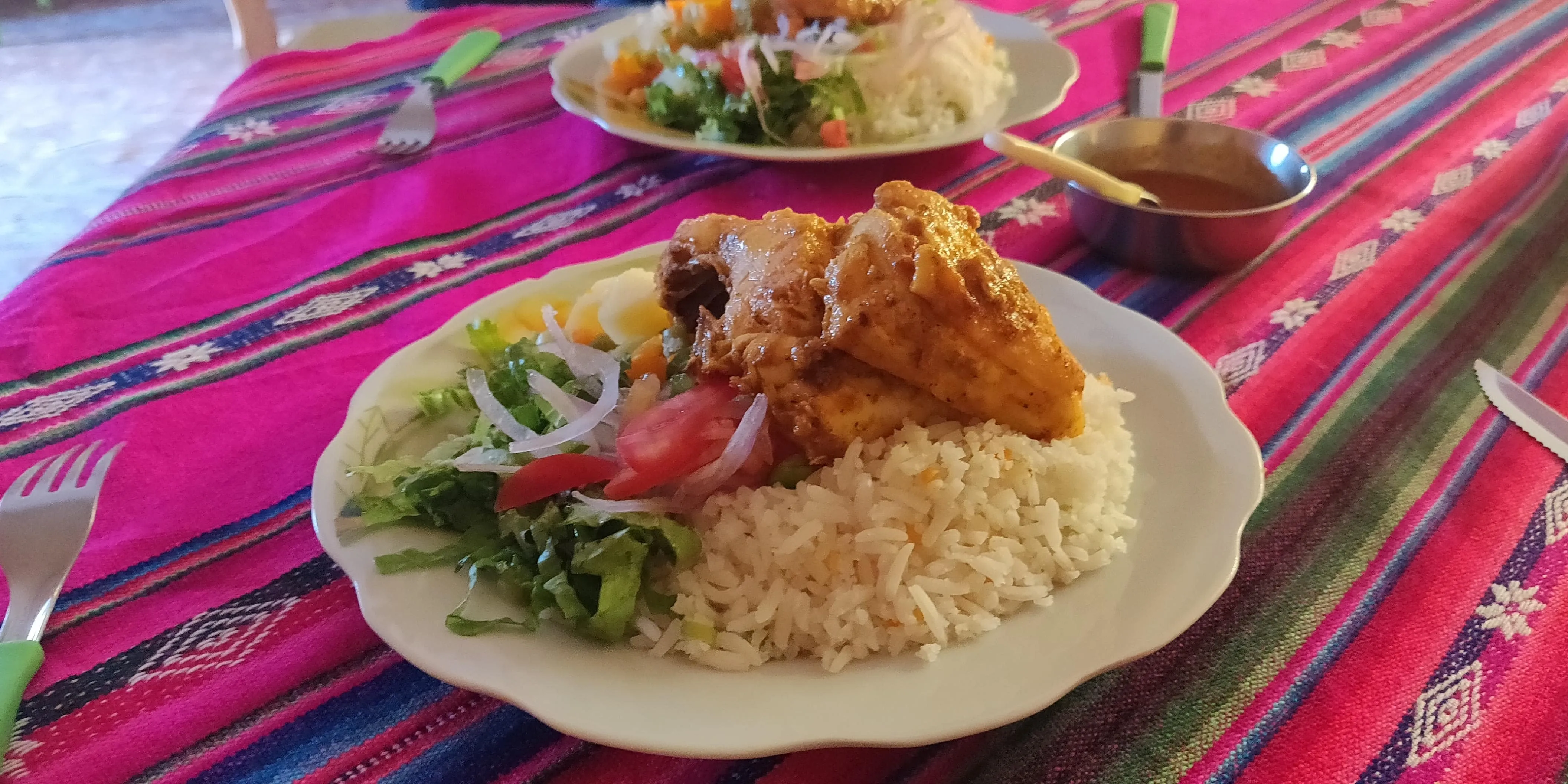
A Complete Guide to Gluten Free Bolivian Restaurant Dishes
Before visiting Bolivia, we did zero research into restaurant food and regretted it deeply. The menus were indecipherable, even with a working knowledge of Spanish. It was difficult to work out what each dish contained, never mind whether it was gluten free or not.
read more
Chile: A Gluten Free Guide
Chile is not the celiac paradise that Argentina is next door, there's no restaurant allergen law, rural options are slim, and staff awareness is inconsistent at best. That said, the Chilean diet leans naturally gluten free, Santiago has a growing dedicated GF scene, and if you're willing to live on
read more
Ecuador: A Gluten Free Guide
Ecuador's traditional diet leans heavily on corn, rice, cassava, and plantains, which makes it a surprisingly good destination for celiacs willing to eat simply. Celiac awareness is low and GF labelling is rare, but the naturally gluten free options, especially through markets and the menu del día,
read more
Mauritania: A Gluten Free Guide
- Mauritania
- Travel
- 22 Mar, 2026
Mauritania is not an easy destination for celiacs. Awareness of gluten and celiac disease is effectively zero, and outside Nouakchott you won't find a single dedicated GF product. That said, the country's cuisine is rice- and meat-heavy enough that eating naturally gluten free is possible — especial
read more
Morocco: A Gluten Free Guide
Morocco is a brilliant place to travel; it has a vibrant culture, interesting landscapes and lovely people. Cycling for 3 months through Morocco taught us that this fantastic country is also one of the toughest for gluten-free travellers. This guide breaks down exactly what food is available off the
read more
Peru: A Gluten Free Guide
Peru is not a country that has caught up with celiac disease. When I was there in 2019, GF labelling was essentially non-existent outside Lima, and restaurant staff in rural areas were more likely to be baffled by the question than helpful. That said, Peru's traditional Andean diet is built on potat
read more
A Gluten Free Guide to Poland
Poland surprised me, but then again, much of Eastern Europe has far surpassed my expectations as a celiac. In the cities and in supermarkets, you're in genuinely good hands: plentiful free-from aisles, strict EU labelling laws, a dedicated certification symbol, and a growing network of certified glu
read more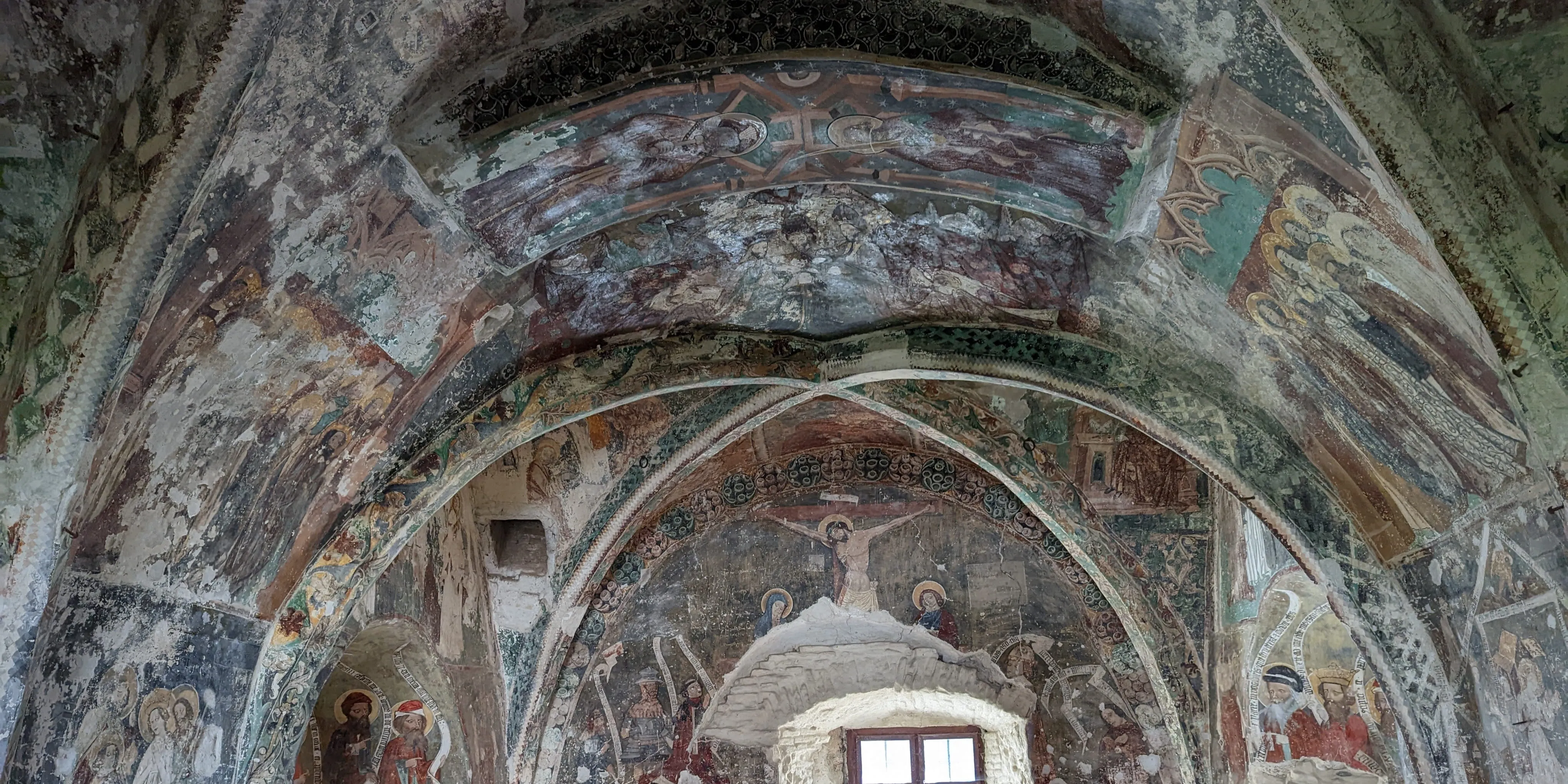
Gluten Free in Romania
Romania is a country of two speeds for celiacs: Bucharest has a genuinely improving GF scene with certified bakeries and dedicated menus, while rural areas still run almost entirely on wheat. Supermarkets in bigger towns will keep you fed either way.
read more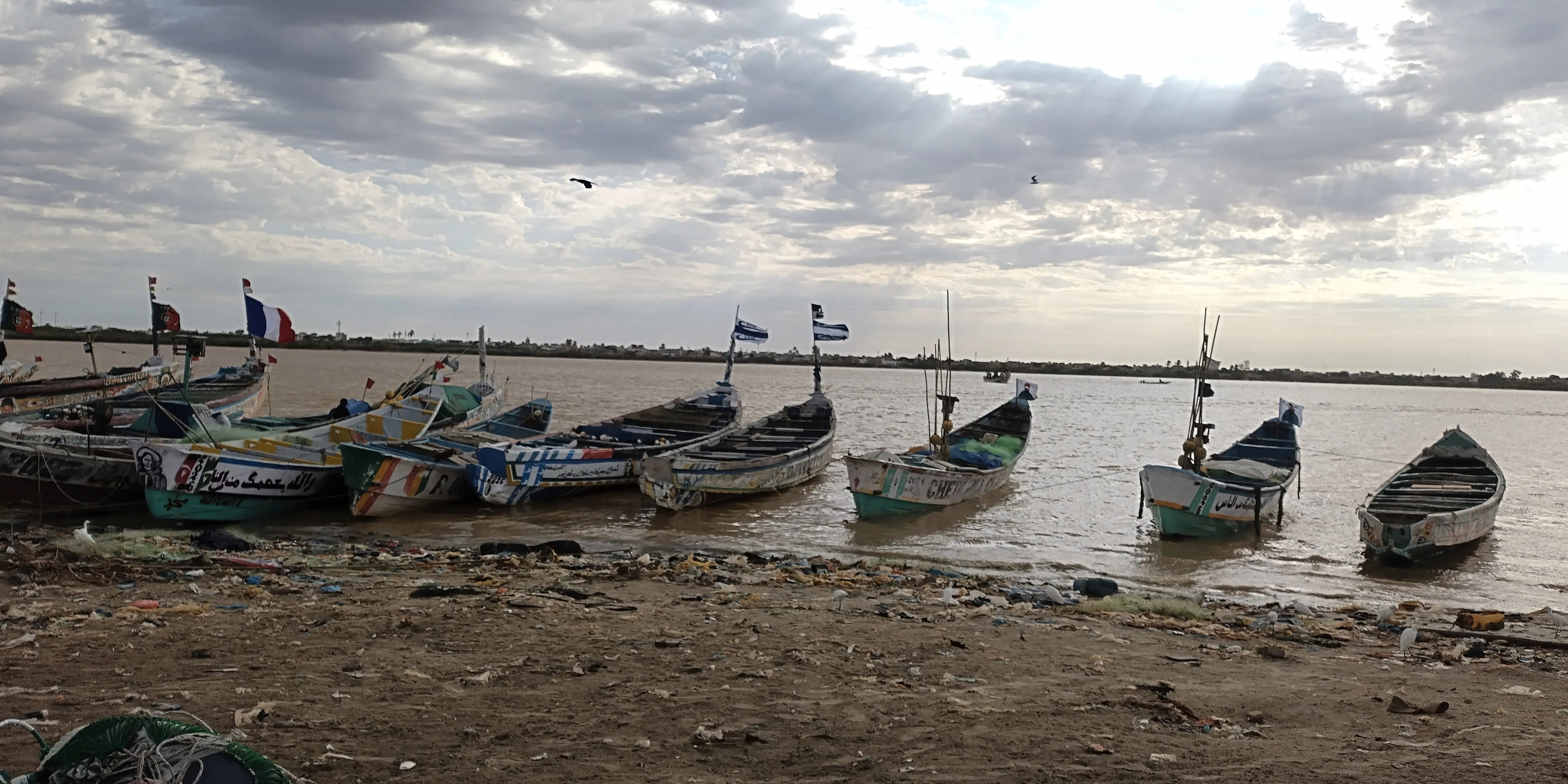
Senegal: A Gluten Free Guide
Senegal is a manageable country for celiacs, largely because so much of the traditional food is naturally gluten free. Thieboudienne and mafé are safe, filling, cheap, and available everywhere. Supermarkets stock no gluten free substitutes to speak of, so if you rely on GF bread or pasta, you'll nee
read more
Gluten Free in Mississippi
Mississippi is a mixed bag for celiacs. Chains and Walmart have your back, but local diners and Southern classics are a minefield of shared fryers and flour-dusted everything. Here's what I learned over two months of work trips.
read more
Kenya: A Gluten Free Guide
Kenya is a brilliant country to travel through as a celiac. celiac awareness is virtually zero, but the traditional diet is naturally gluten free, fresh food is abundant, and self-catering is easy and enjoyable.
read more