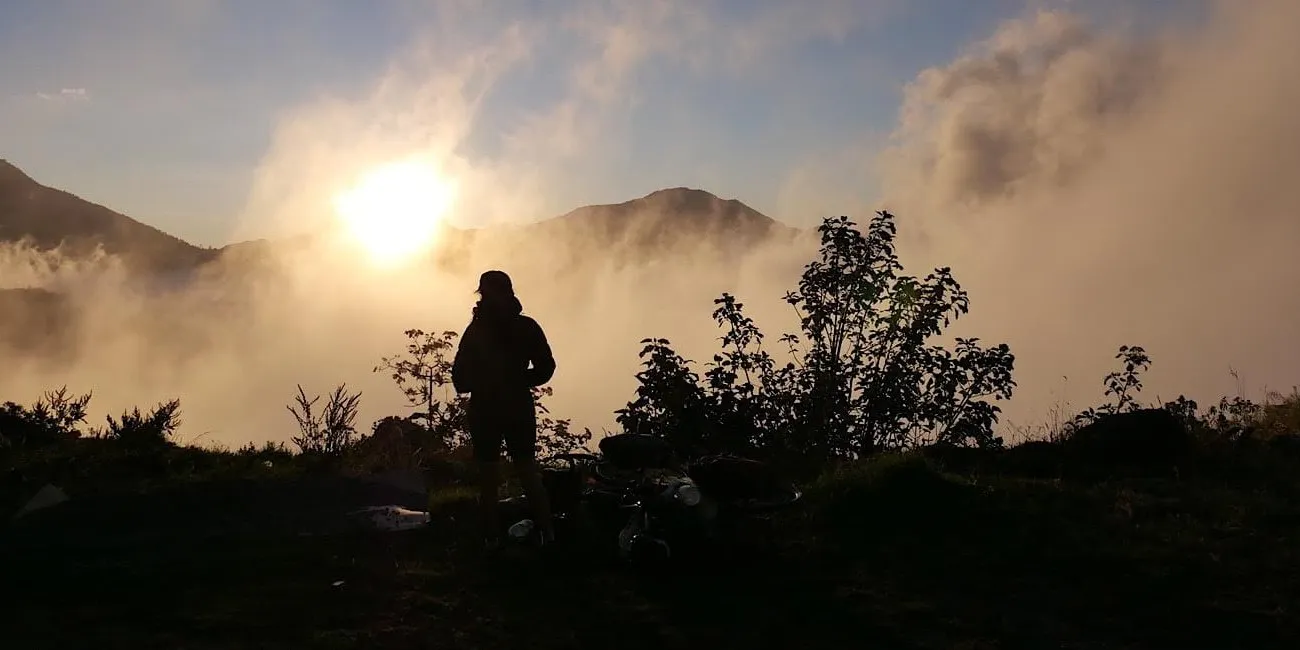
Ecuador: A Gluten Free Guide
Ecuador turned out to be one of the easier countries we’ve cycled through as celiacs, which wasn’t something we expected going in. The traditional diet is built around corn, rice, cassava, beans, and plantains, none of which contain gluten, and the menu del día format made it straightforward to safely eat-out most days too. That said, celiac disease is poorly understood, cross-contamination risks are high, and GF labelling is almost nonexistent outside the bigger supermarkets. Also, don’t be imbeciles like us a test the oats from the market.
Key Points
- Labelling: No national GF labelling scheme. In supermarkets like Supermaxi you’ll see some products labelled libre de gluten or sin gluten, but don’t expect to find this in markets or small shops.
- Cities: Quito has a growing number of restaurants with GF awareness. The food options are good even if the city itself is overrun with tourists.
- Eating out: Celiac disease isn’t widely understood. Sticking to the obviously GF dishes on a menu del día is the safest strategy. The soup is the riskiest course, often containing wheatfour or pasta.
- Rural/markets: Most of your shopping will be done at local markets. Naturally GF staples are easy to find — rice, beans, fresh fruit, cassava, plantains, and panela are everywhere.
Contents
Personal Experience
Annie and I spent just over a month in Ecuador in late 2019, cycling north from Peru into Colombia. We came up through the Andes, spent time in Quito, and dropped down into the Amazon rainforest bordering the mountains for a few weeks before heading back up and continuing north.
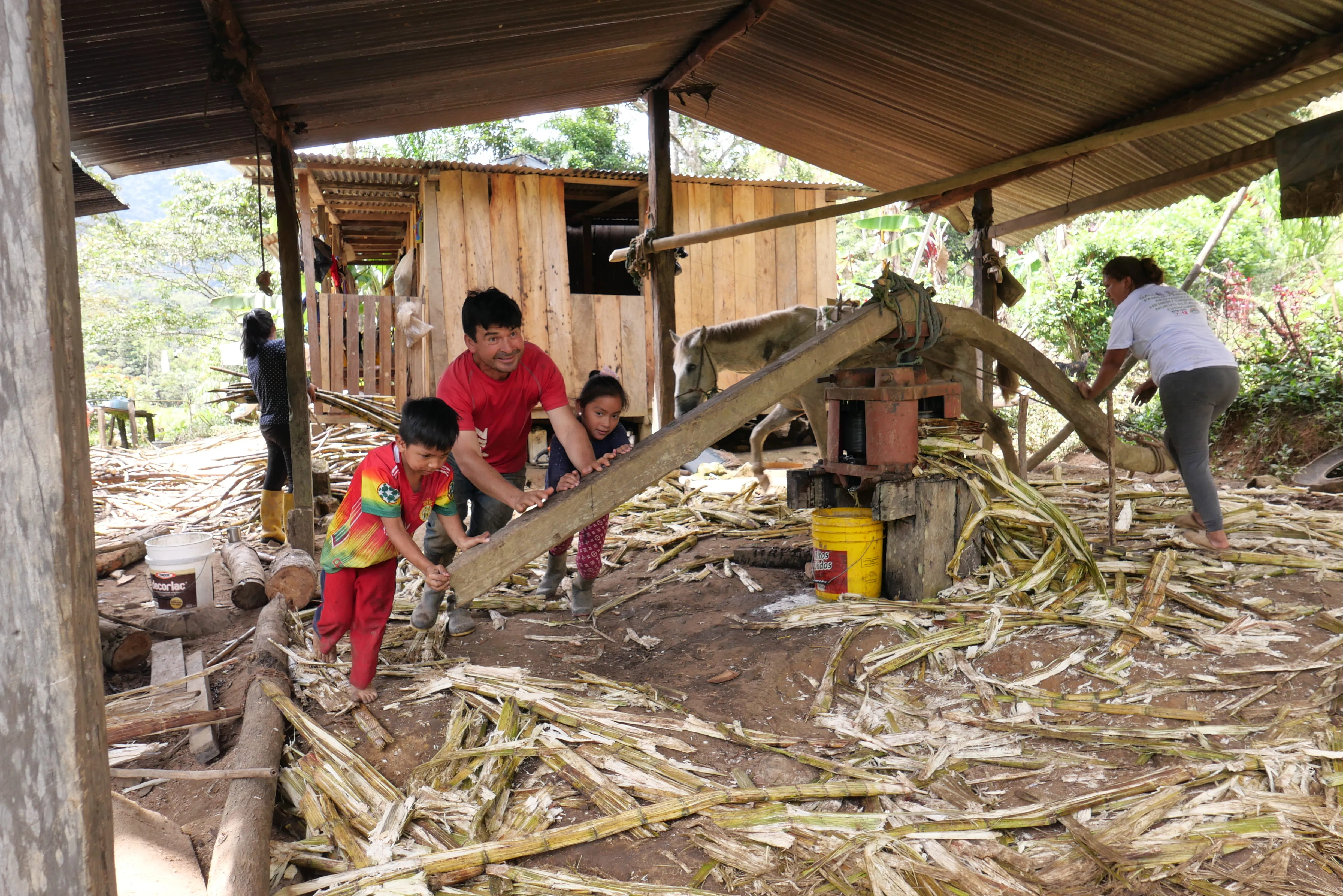
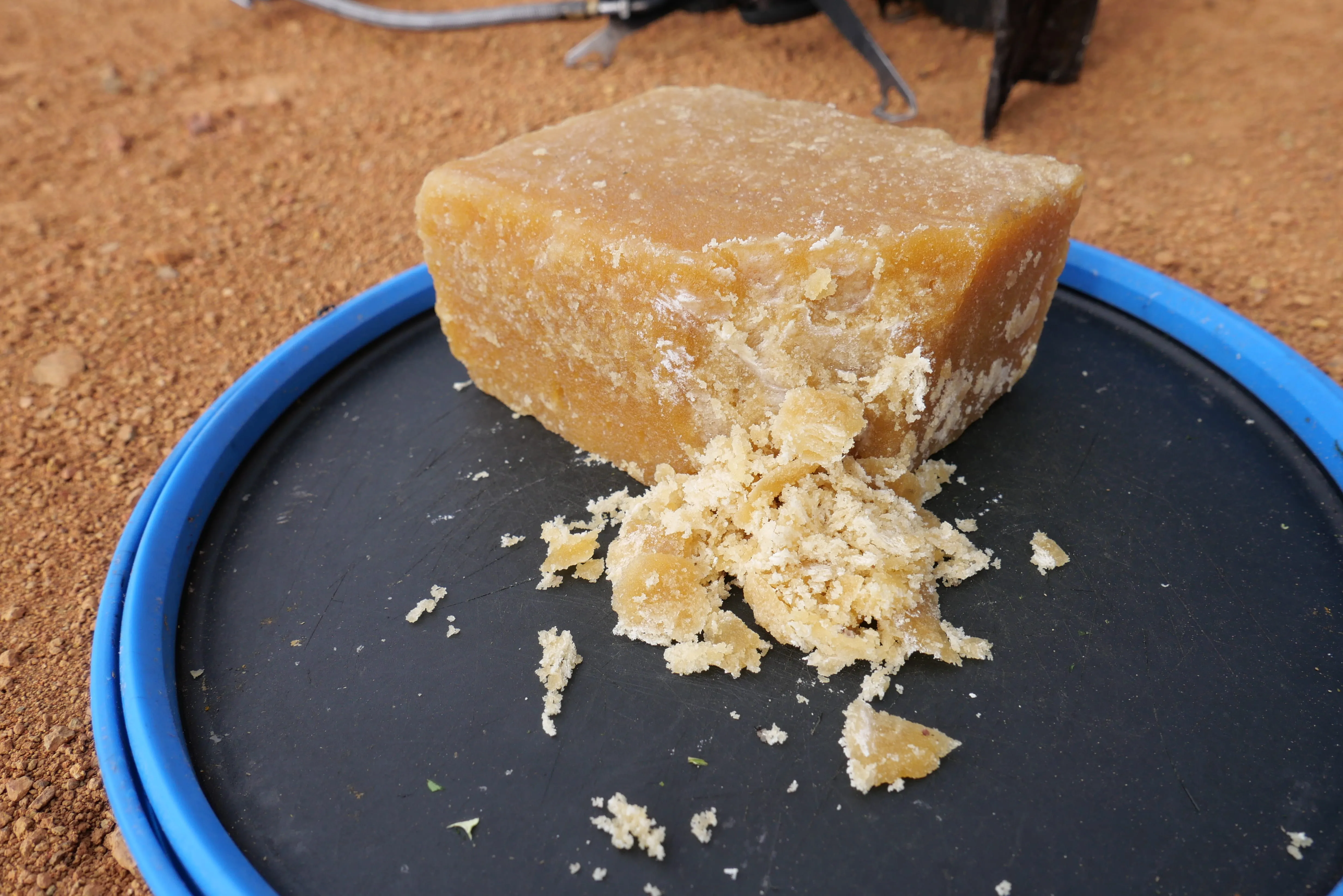
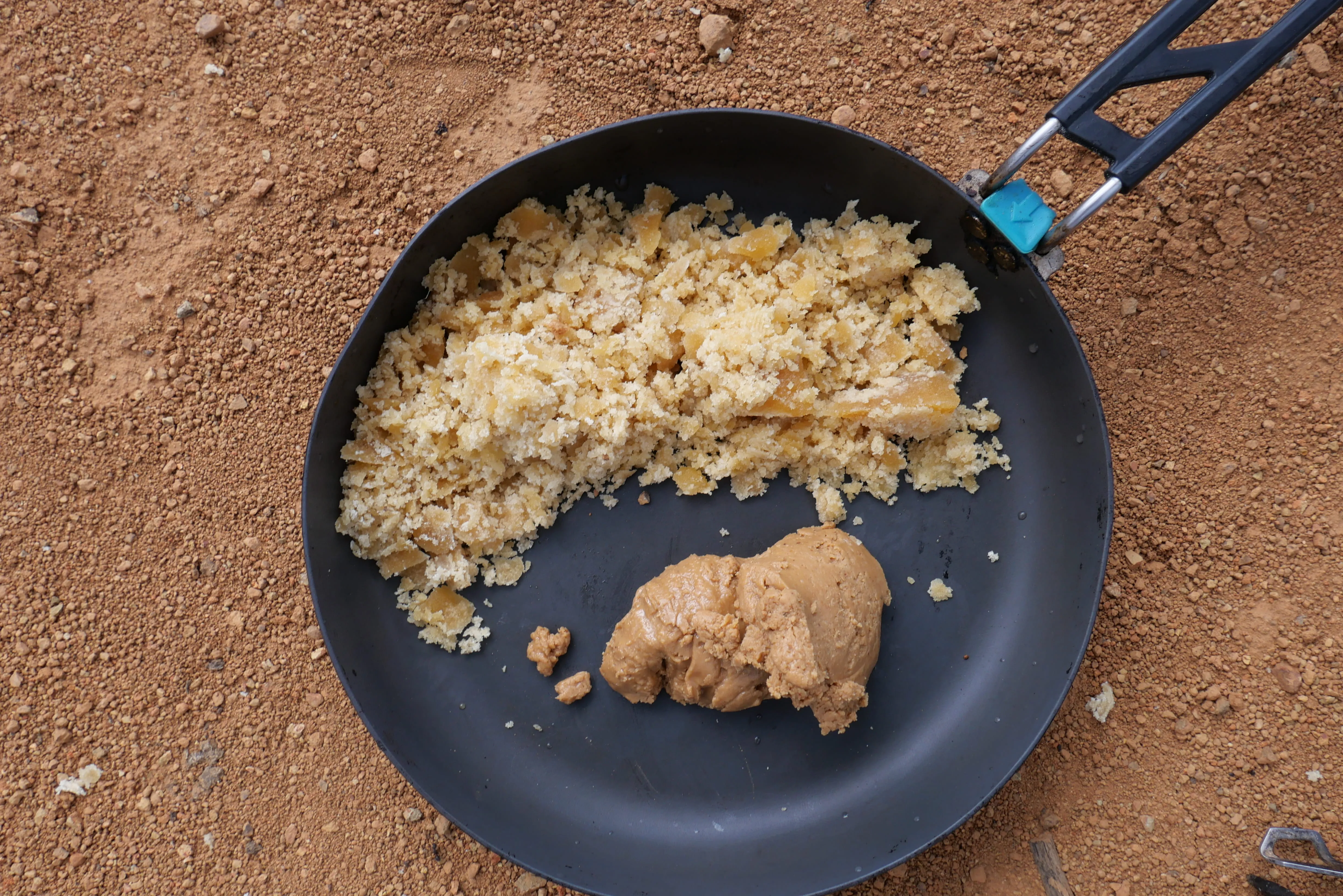
The whole country had a relaxed feel to it, and the mountain views were absoutely stunning. The food was usual tasty, and always fresh. Panel, an unrefined sugar cane sold in solid blaocks, became a staple snack of ours. It was also great for putting in drinks, breakfast and for baking with.
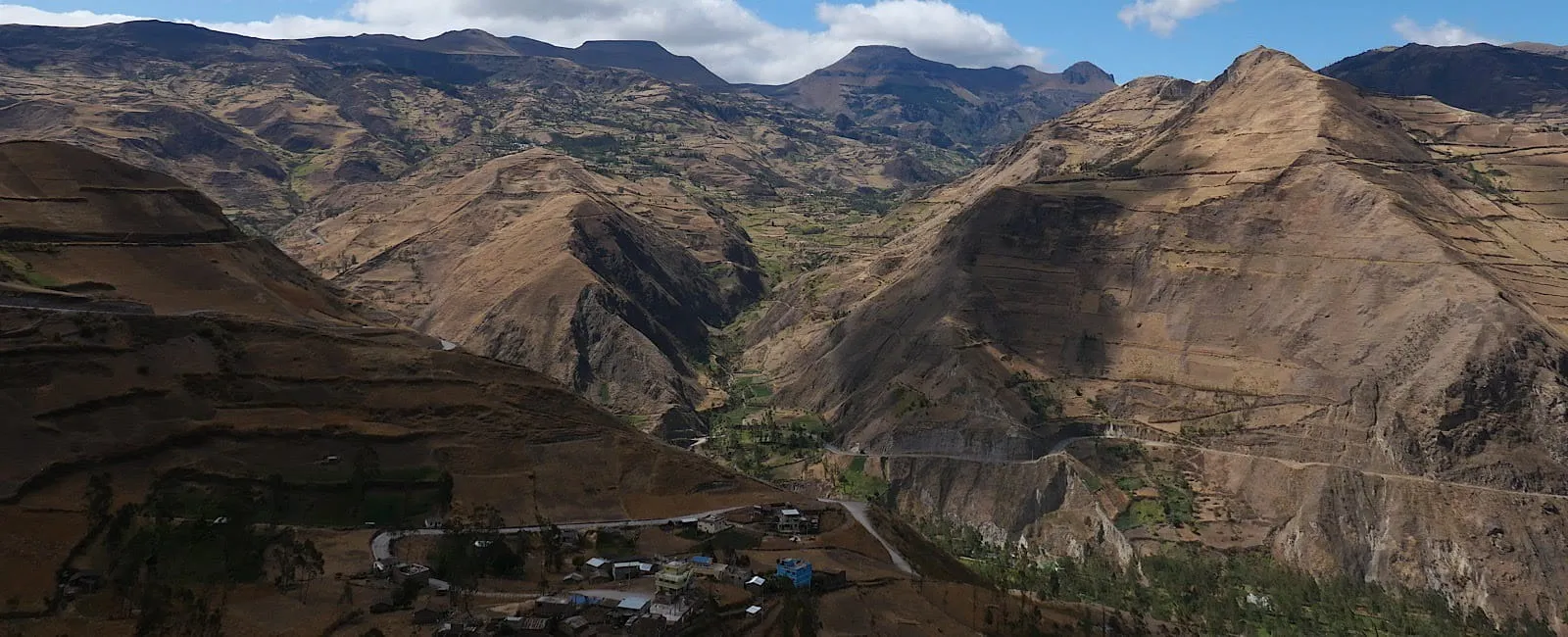
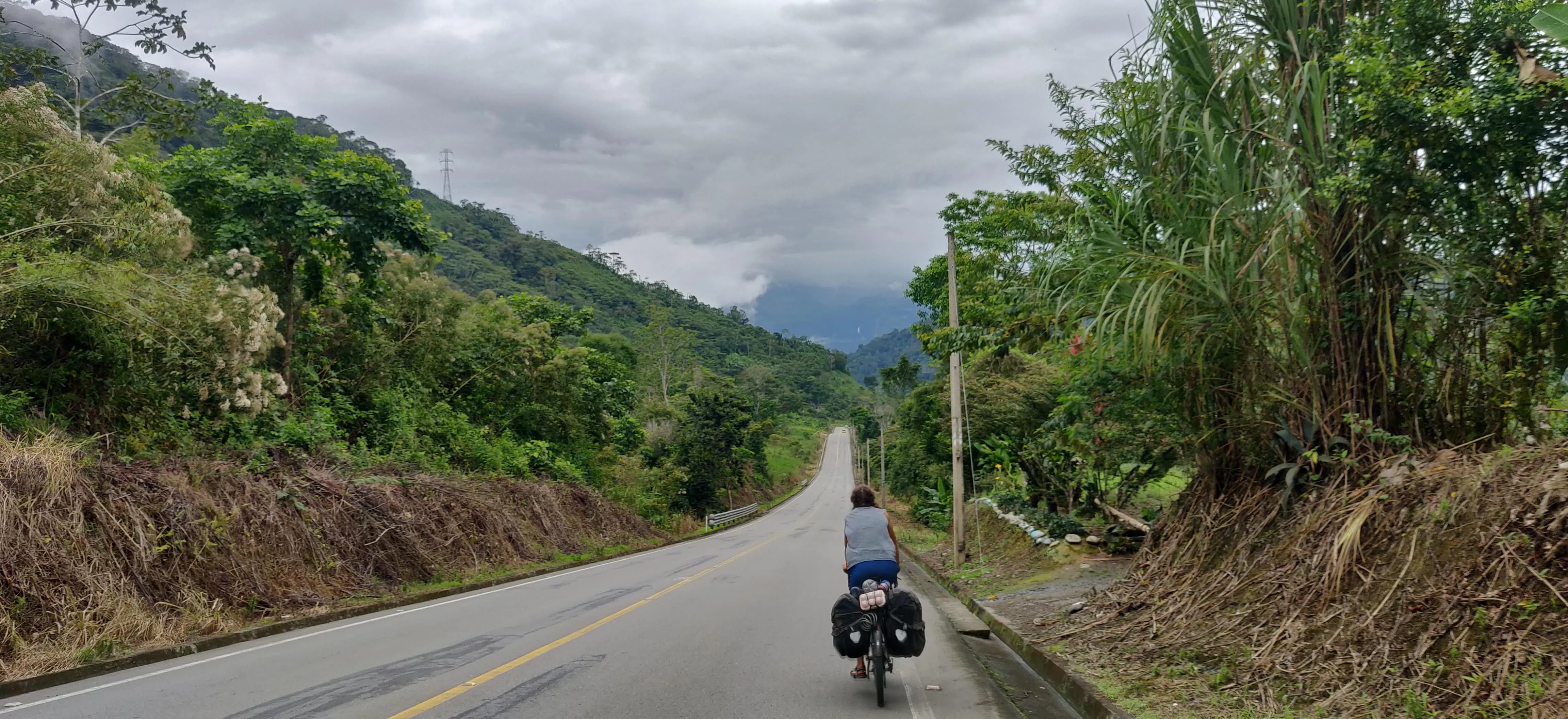
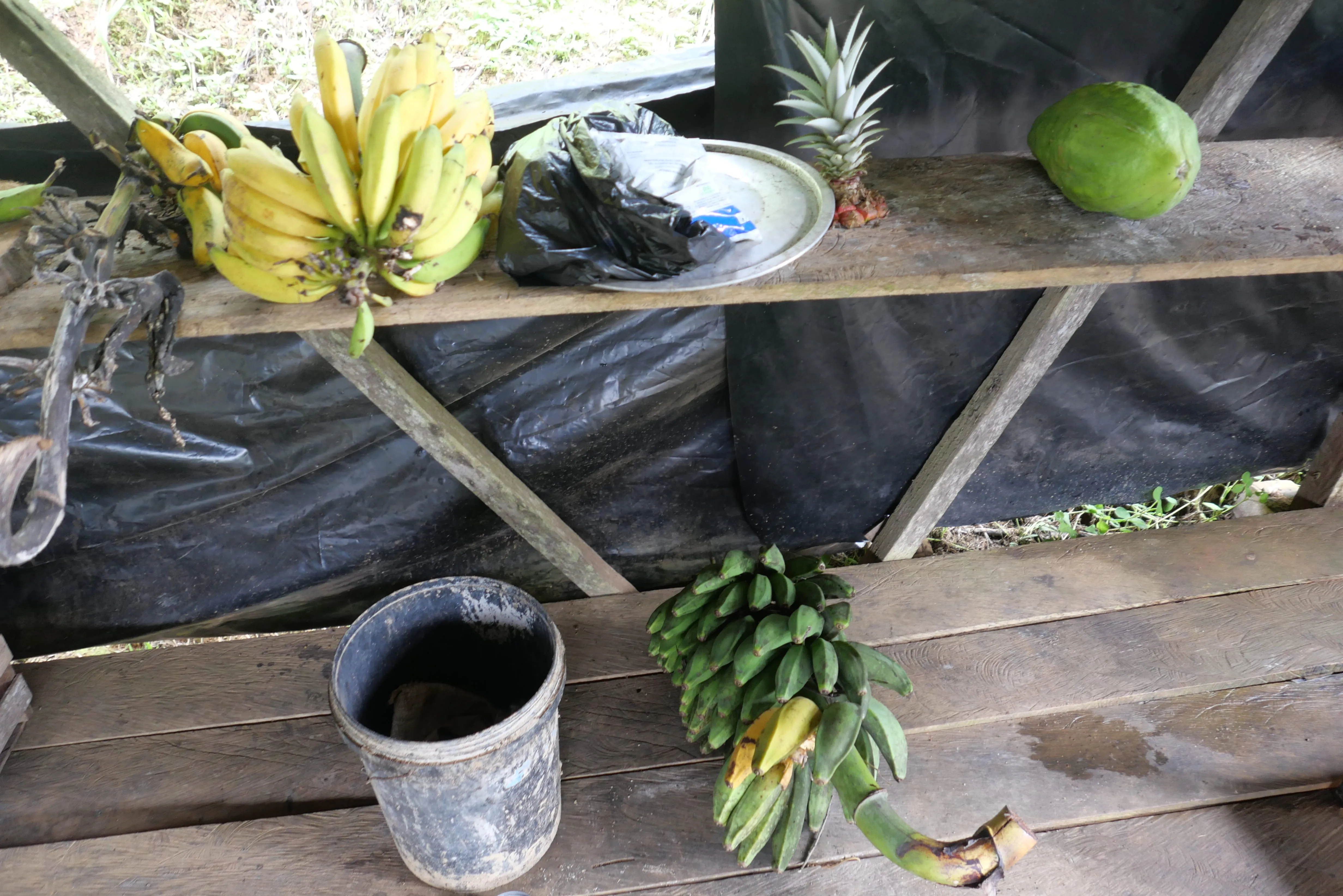
Down in the Amazon, the diet shifted noticeably. Cassava (yuca) was everywhere — boiled, fried, served with everything — along with fresh fruit in quantities that felt almost excessive. Maracuyá, naranjilla, papaya and pineapple. We ate well down there and had almost no celiac concerns; the food was simple and naturally free of wheat in a way that felt effortless.
Quito was a different experience. The food options were genuinely good and we found it easier to navigate than most cities we’d passed through in Ecuador. I didn’t enjoy the city much, too many tourists and too polished, but as a celiac it was the easiest place in the country to eat. Annie disagreed with my assessment of Quito, for the record.
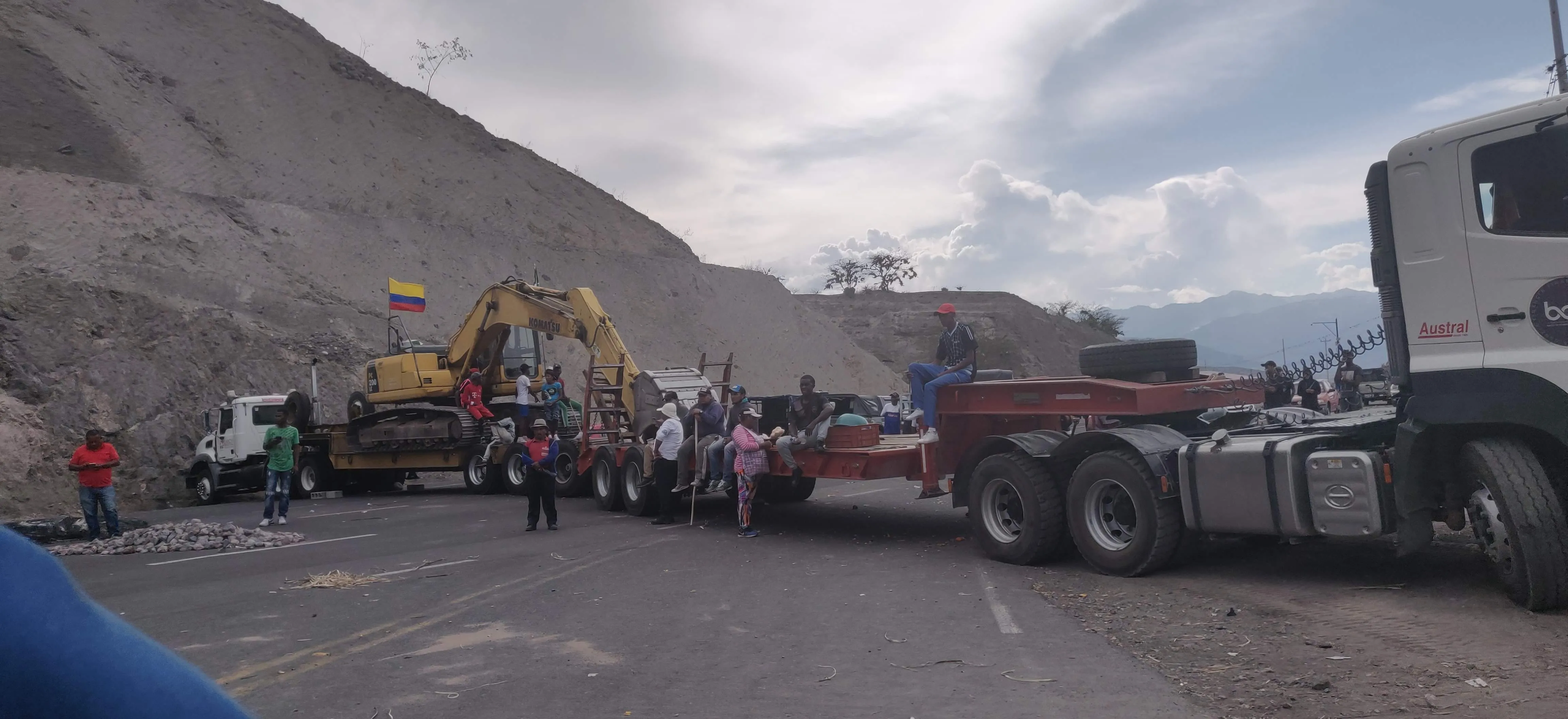
The final 150km to the Colombian border was one of the most memorable stretches of the whole trip, though not for reasons we anticipated. Ecuador had erupted in protest, with dozens of blockades closing the roads to the border. Vehicles couldn’t pass — but bicycles could. We had the roads almost entirely to ourselves, which was dreamy. The flip side was that shops along the route had run low on supplies, with trucks unable to get through. As celiacs, that actually simplified things: we fell back on whatever naturally GF staples remained — rice, beans, fruit — and didn’t have to worry much about the rest. Not the worst way to finish a country.
Gluten Awareness
Celiac disease is not well understood in Ecuador. When we tried to explain it, we were mostly met with blank looks or a vague association with vegetarianism. The word celíaco exists, but you’re unlikely to encounter anyone in a market or small restaurant who knows what it means in practice.
The more useful approach is to ask about trigo (wheat) and harina (flour) directly. Most people will be able to answer whether a dish contains wheat flour, even if they have no concept of gluten as a broader category. A restaurant card in Spanish is worth carrying — not because it will guarantee a safe meal, but because it removes some of the language barrier and signals that you’re serious.
Cross-contamination awareness is low
Even where people understand that you can’t eat wheat, cross-contamination is rarely considered. At markets and small restaurants, shared utensils, shared oil, and shared surfaces are the norm. Stick to dishes that are simple and naturally GF, and accept that some risk exists.
There is no national GF labelling scheme in Ecuador. In Supermaxi you’ll occasionally see products labelled libre de gluten or sin gluten, but this is voluntary and inconsistent. Don’t rely on it outside of the major supermarket chains.
Eating Out
The safest strategy in Ecuador is to order the naturally GF elements of whatever is on offer and skip anything that could have been thickened, battered, or otherwise messed with. The menu del día makes this easier than it sounds — the second course (segundo) is almost always a protein, rice, and a side of beans, plantains, or potato, which you can eat without worrying.
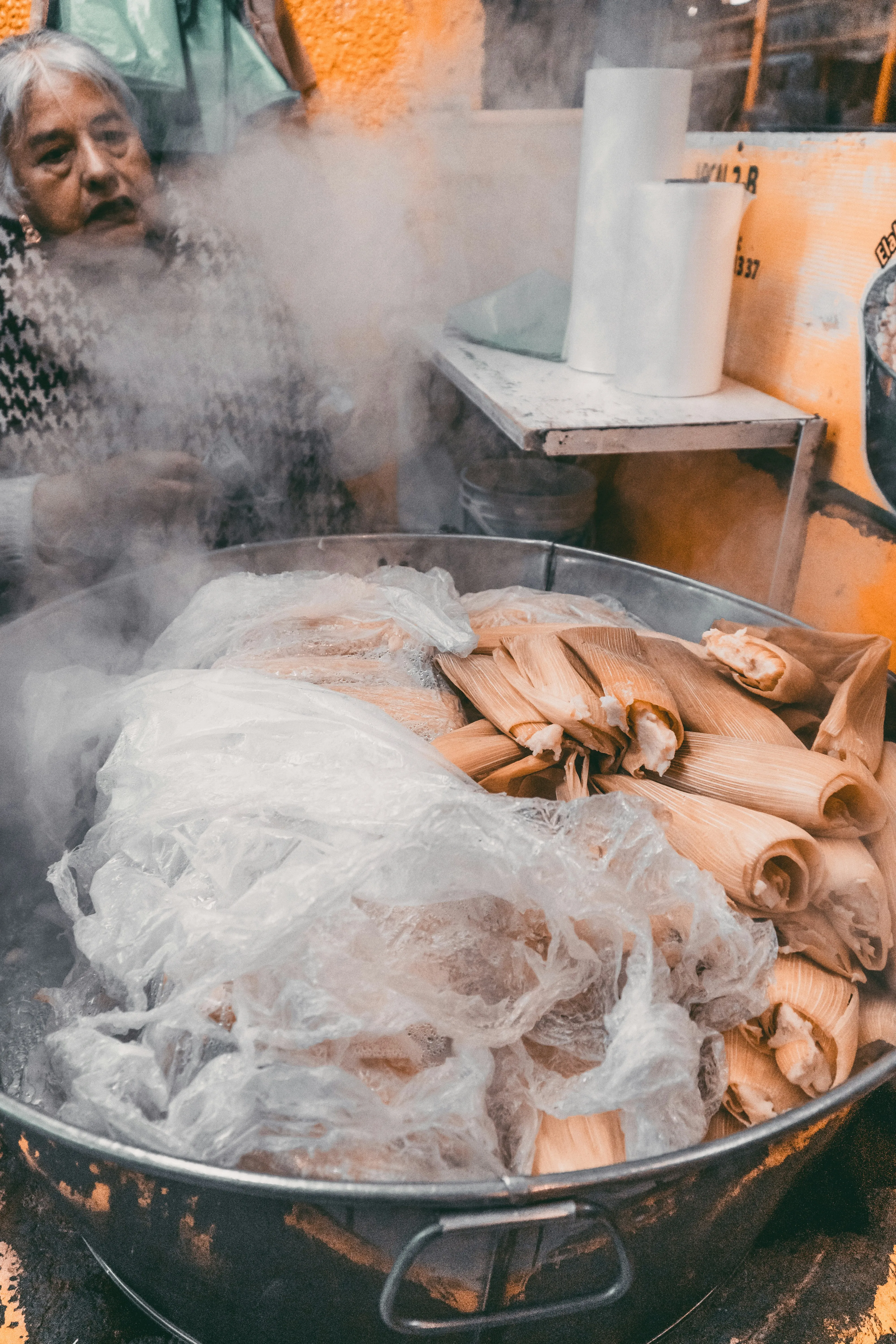
The soup course (sopa) is where to be careful. Ecuadorian soups and stews are delicious, but they’re frequently thickened with wheat flour. Tourist-facing restaurants are particularly bad for this — they seem to use wheat flour to thicken things that traditional recipes would never have touched.
Soy sauce is another hidden risk. It appears in more places than you’d expect, including in marinades for rotisserie chicken, which is otherwise a reliable GF option.
Unfotunately we went here prior to our GF blog writing days and didn’t get any photos of restaurant food. If ony we could have predicted the future.
Safer Restaurant Types
- Huecas and mercado food stalls — Small, hole-in-the-wall family spots serving traditional Ecuadorian food. The menu is short, the food is simple, and the naturally GF options (rice, beans, grilled meat, plantains) are easy to identify.
- Menu del día restaurants — The set lunch format means you can see exactly what’s being served. Skip the sopa, eat the segundo. Rice, beans, protein, and a side of patacones or potato is a safe combination and costs almost nothing. We found ourselves in a menu del día spot most days.
- Fresh fruit and juice stalls — Ecuador has extraordinary fruit and the juices (jugos naturales) are everywhere. No gluten risk, and worth drinking at every opportunity.
- Ceviche restaurants — Ecuadorian ceviche is made with citrus-marinated seafood and is naturally GF. Check that nothing has been added to the broth that shouldn’t be there.
Challenging Restaurant Types
- Tourist restaurants — More likely to use wheat flour as a thickener or coating. The irony is that awareness of dietary requirements tends to be higher here, but the actual risk is also higher.
- General restaurants serving both flatbreads and traditional dishes — Shared surfaces and oil are the issue.
- Street vendors on buses — Snacks sold on buses are often wheat-based. Ask carefully, and don’t assume.
Fast Food Chains
International chains exist in Quito but we didn’t use them. The usual caveats apply — cross-contamination risk in shared fryers, marinade ingredients worth checking.
Dedicated Gluten Free Establishments
We didn’t find any dedicated GF establishments during our trip in 2019. Quito’s GF dining scene has apparently grown since then — worth checking Find Me Gluten Free for current listings before you go.
Groceries
Almost all of our shopping was done at local markets and small shops rather than supermarkets. This suited us fine — the naturally GF staples available in markets are extensive, and the prices are much lower than anything you’ll find in a supermarket.
Supermarket Chains
| Chain | Locations | Notes |
|---|---|---|
| Supermaxi | Quito and major cities | Largest chain in the country. Best place to find products labelled libre de gluten or sin gluten. Quinoa-based pastas, some baking mixes. No dedicated GF aisle — products are scattered throughout the store. |
| Aki | Nationwide | Smaller than Supermaxi, same parent company. More limited GF selection but useful for basics. |
| Santa María | Quito and elsewhere | General supermarket. Less likely to stock GF-labelled products. |
We weren’t in Quito long enough to do serious supermarket shopping, and for most of the trip we were too remote for it to be an option anyway.
Local Shops and Markets
Markets are where you’ll do most of your eating and shopping in Ecuador, and they’re excellent for celiacs. The naturally GF staples are abundant and cheap:
Naturally GF staples available in markets:
- Rice — everywhere, in large quantities
- Beans and lentils
- Cassava (yuca) — particularly in the Amazon region
- Plantains — green and ripe, sold in huge bunches
- Panela — unrefined cane sugar blocks; versatile, cheap, and completely GF
- Fresh fruit — extraordinary variety, especially in the Amazon
- Potatoes — endless varieties in the highlands
- Corn (maíz) and maize flour
- Quinoa — native to the Andes and widely available
- Eggs and fresh meat
Naturally GF snacks:
- Fresh fruit
- Maíz tostado (toasted corn)
- Chifles (plantain chips)
- Panela eaten straight (we did this more than we’d like to admit)
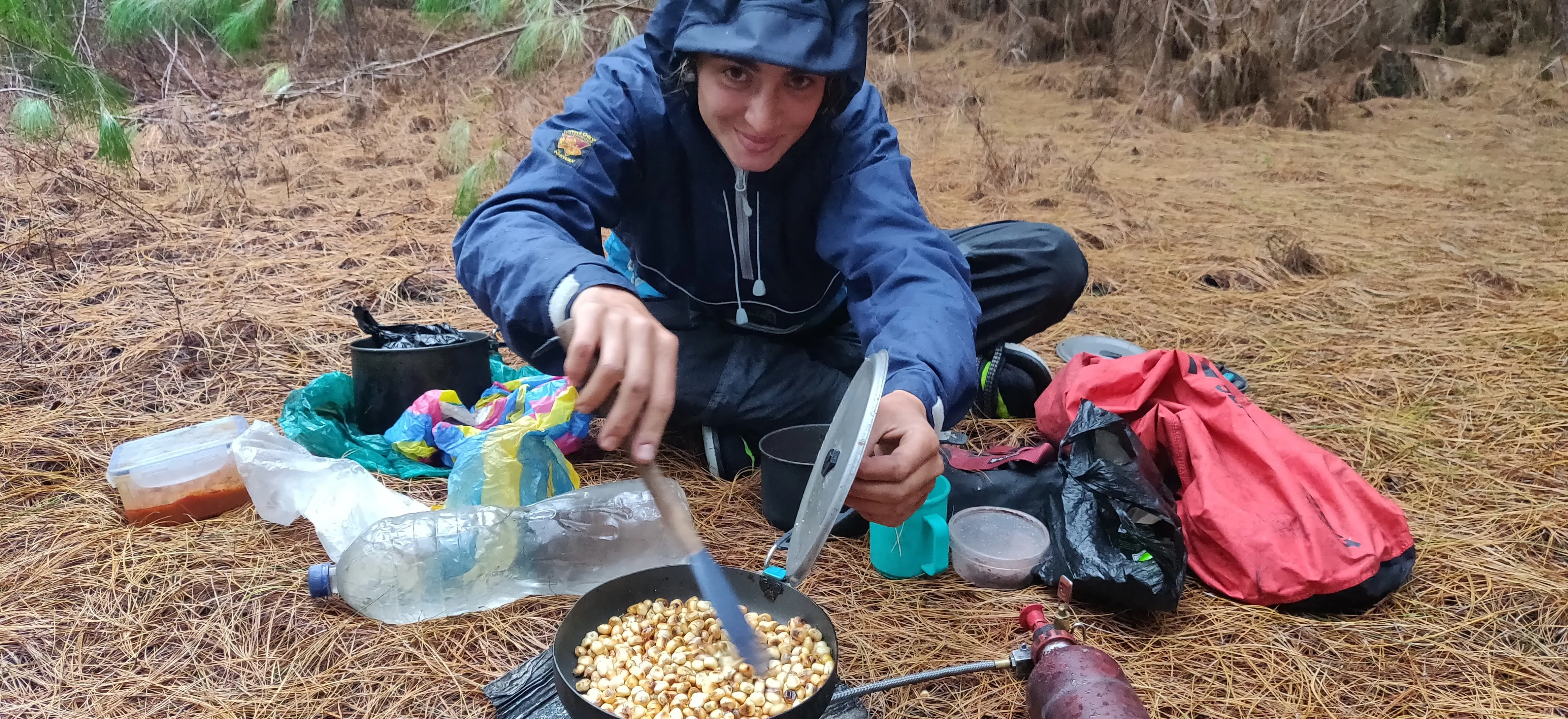
A Word on Oats
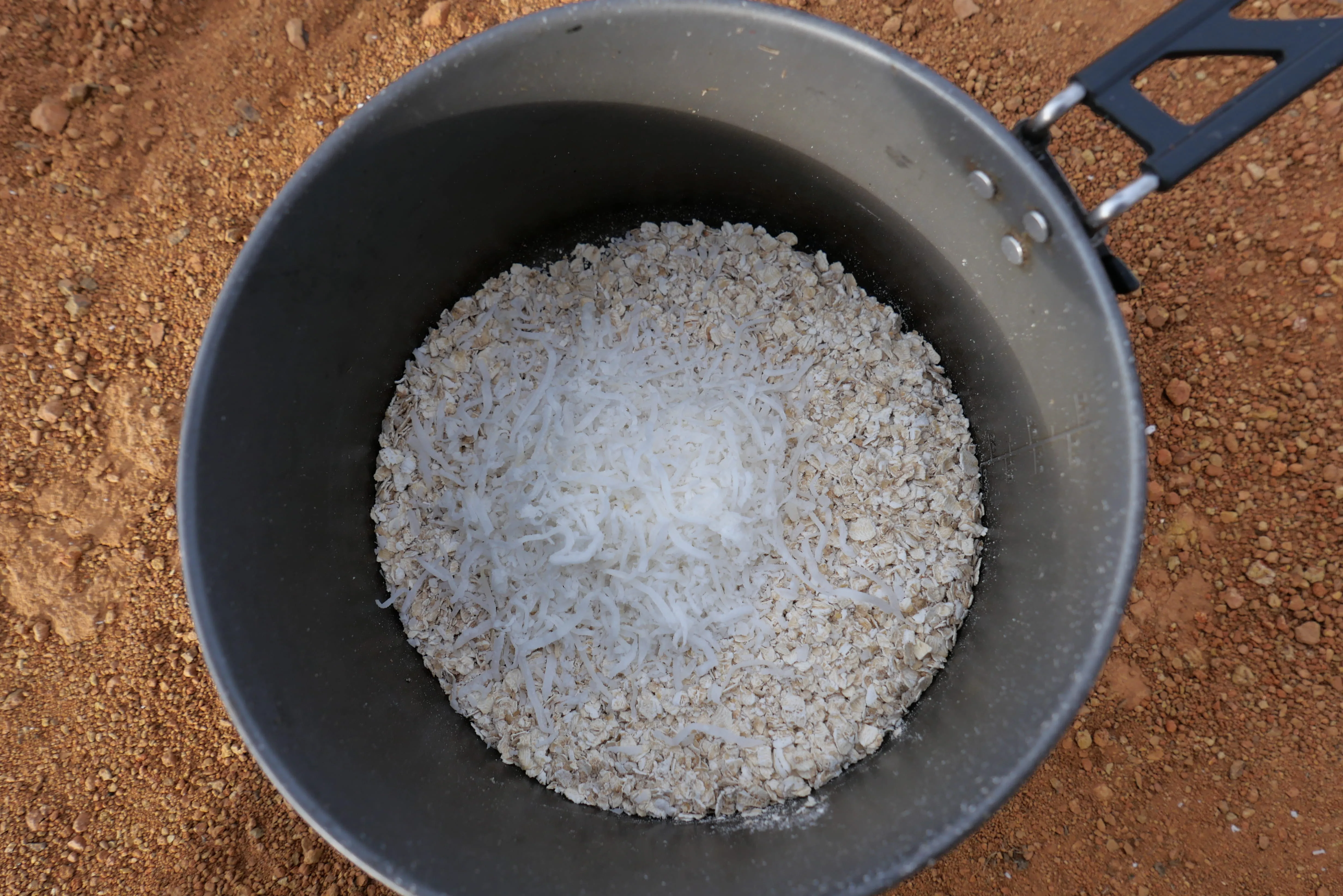
The oats in Ecuadorian markets are not gluten free. We found this out the hard way. We were struggling to find reliable snack food mid-ride and, unable to find any information online about whether Ecuadorian oats were processed on shared machinery with wheat, decided to risk it and make energy bars. It was a big mistake. The oats were clearly cross-contaminated and we paid for it. We could have seen this coming, but we were desparate.
Amazon Region
The Amazon lowlands operate differently to the rest of the country. Markets are smaller and more sporadic, and the diet is even more heavily based on cassava, plantains, and fresh fish or meat. We found it one of the easiest stretches of the trip from a celiac perspective — the food is simple, traditional, and almost entirely wheat-free by default.
Words to Remember
| English | Spanish |
|---|---|
| Gluten | Gluten |
| Wheat | Trigo |
| Flour | Harina |
| Wheat flour | Harina de trigo |
| Barley | Cebada |
| Rye | Centeno |
| Oats | Avena |
| Rice | Arroz |
| Corn / maize | Maíz |
| Cassava / yuca | Yuca |
| Gluten free | Sin gluten / libre de gluten |
| Without wheat | Sin trigo |
| English | Spanish |
|---|---|
| Does this contain wheat flour? | ¿Contiene harina de trigo? |
| I cannot eat wheat | No puedo comer trigo |
| I have celiac disease | Tengo enfermedad celíaca |
| Does the soup contain flour? | ¿La sopa contiene harina? |
| Is this cooked in the same oil as wheat products? | ¿Esto se cocina en el mismo aceite que productos con trigo? |
| Without sauce | Sin salsa |
Conclusions
- Ecuador’s traditional diet is naturally low in wheat and very manageable for celiacs willing to eat simply.
- The menu del día is your friend. Eat the segundo, skip or query the sopa every time.
- Markets are excellent — rice, beans, cassava, plantains, panela, and fresh fruit are all safe and widely available.
- Celiac awareness is low. Use the word trigo rather than gluten and carry a restaurant card in Spanish.
- Quito has the best options for eating out, even if it’s the least interesting place in the country.
Ecuador is a good destination for celiacs willing to eat traditionally and simply. The core of the Ecuadorian diet — corn, rice, cassava, beans, and plantains — is naturally gluten free, and the menu del día format makes it easy to identify safe options at lunch. The main risks are wheat-thickened soups and stews, soy sauce in marinades, and a general lack of celiac awareness when it comes to cross-contamination.
No. The oats sold in Ecuadorian markets are not certified gluten free and are likely processed on shared equipment with wheat. We learned this the hard way. If you need oats, bring certified GF oats from home or look for a clearly labelled product in a large supermarket like Supermaxi.
Panela is unrefined cane sugar sold in solid blocks and is completely gluten free. It’s cheap, widely available in markets, and very versatile — we used it for cooking, baking, and stirring into hot drinks throughout our time in Ecuador. It has a rich, molasses-like flavour that’s much more interesting than refined sugar.
The soup course (sopa) is the main thing to watch out for. Ecuadorian soups and stews are often thickened with wheat flour, particularly in restaurants catering to tourists. The second course (segundo) — typically a protein with rice, beans, and a side of plantains or potato — is usually safe. Skip the sopa or ask specifically whether it contains harina de trigo.
There are now several restaurants in Quito with good GF awareness, and the city’s food scene has grown considerably since our visit in 2019. Check Find Me Gluten Free for current listings and reviews from other celiacs.
Tags :
Share :
Related Posts

Gluten Free Beer in Argentina
Argentina has a unique and up-and-coming gluten free (GF) beer scene. Local laws have enabled 100% GF beers to emerge in the market, and in recent years it has become more available. In this article, I’ll cover what makes the Argentinian GF beer market so unique, where you can buy it, and which beer
read more
Argentina: A Gluten Free guide
Argentina is surprisingly on it with celiac disease. There is huge awareness of the condition, even in remote parts of the country, and gluten free essentials are widely available in the larger supermarket chains. With a small amount of consideration for which restaurants you visit, it is very feasi
read more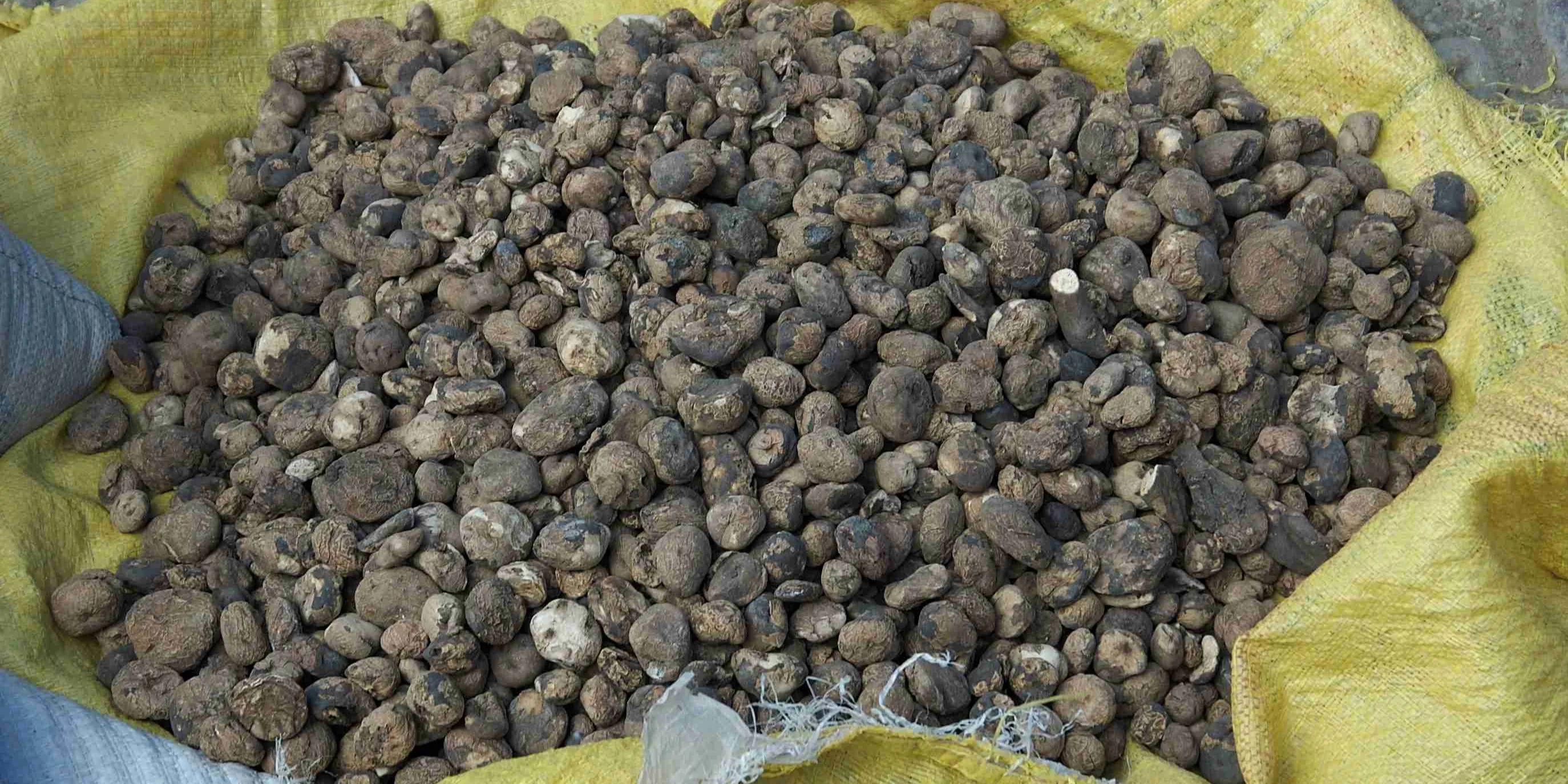
Are Chuños Gluten Free?
Chuños are freeze-dried potatoes, making them naturally gluten free. However, some of the Bolivian and Peruvian dishes they are traditionally used in do contain gluten. They’re a must-try if you’re visiting the region — a unique food item found almost nowhere else in the world.
read more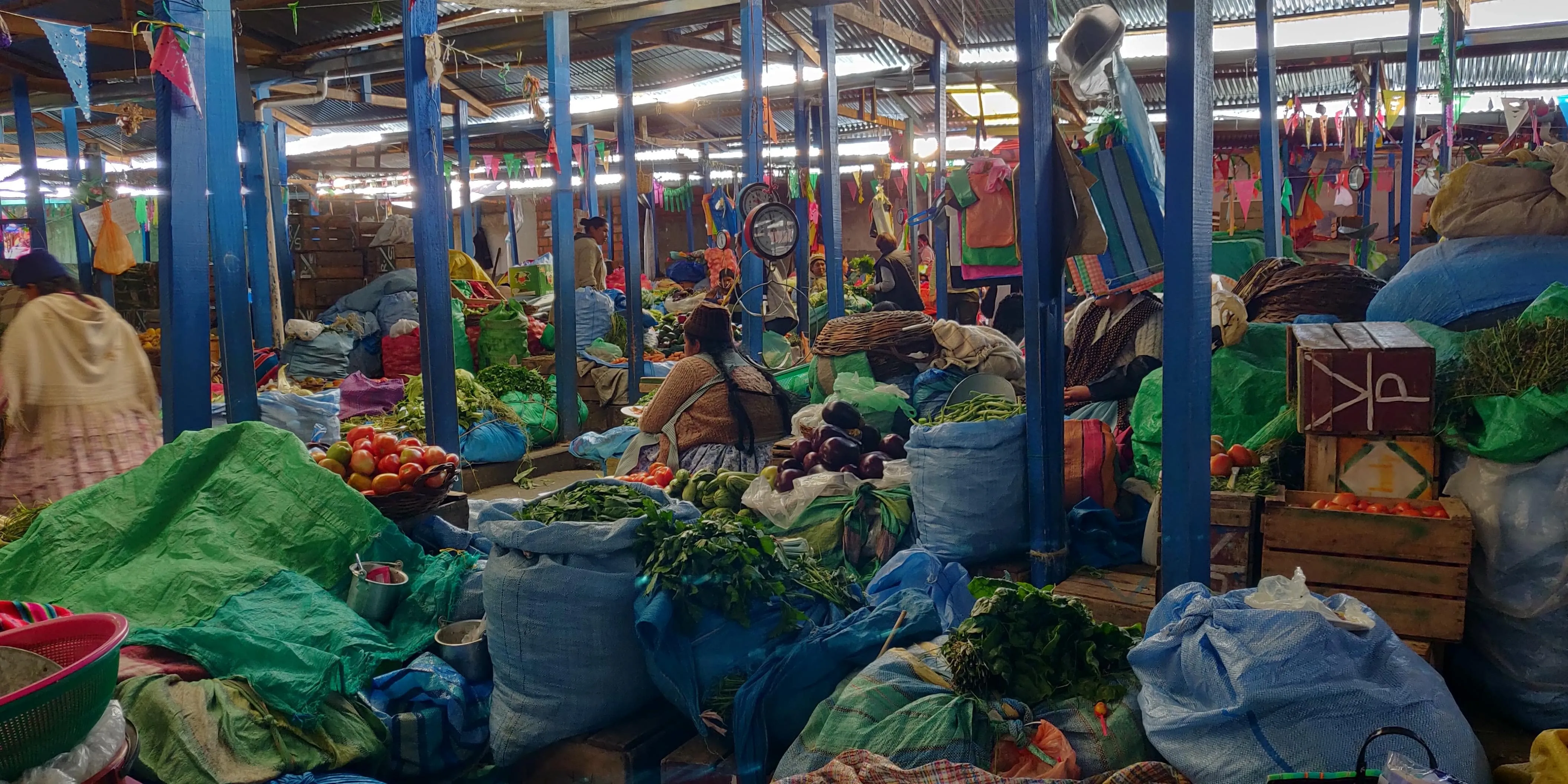
Bolivia: A Gluten Free Guide
Bolivia is one of the more challenging countries to travel through as a celiac. When eating out, there are naturally gluten free dishes, but the level of cross-contamination is high, and wheat flour finds its way to a surprising number of items. If cooking for yourself, naturally gluten free food is
read more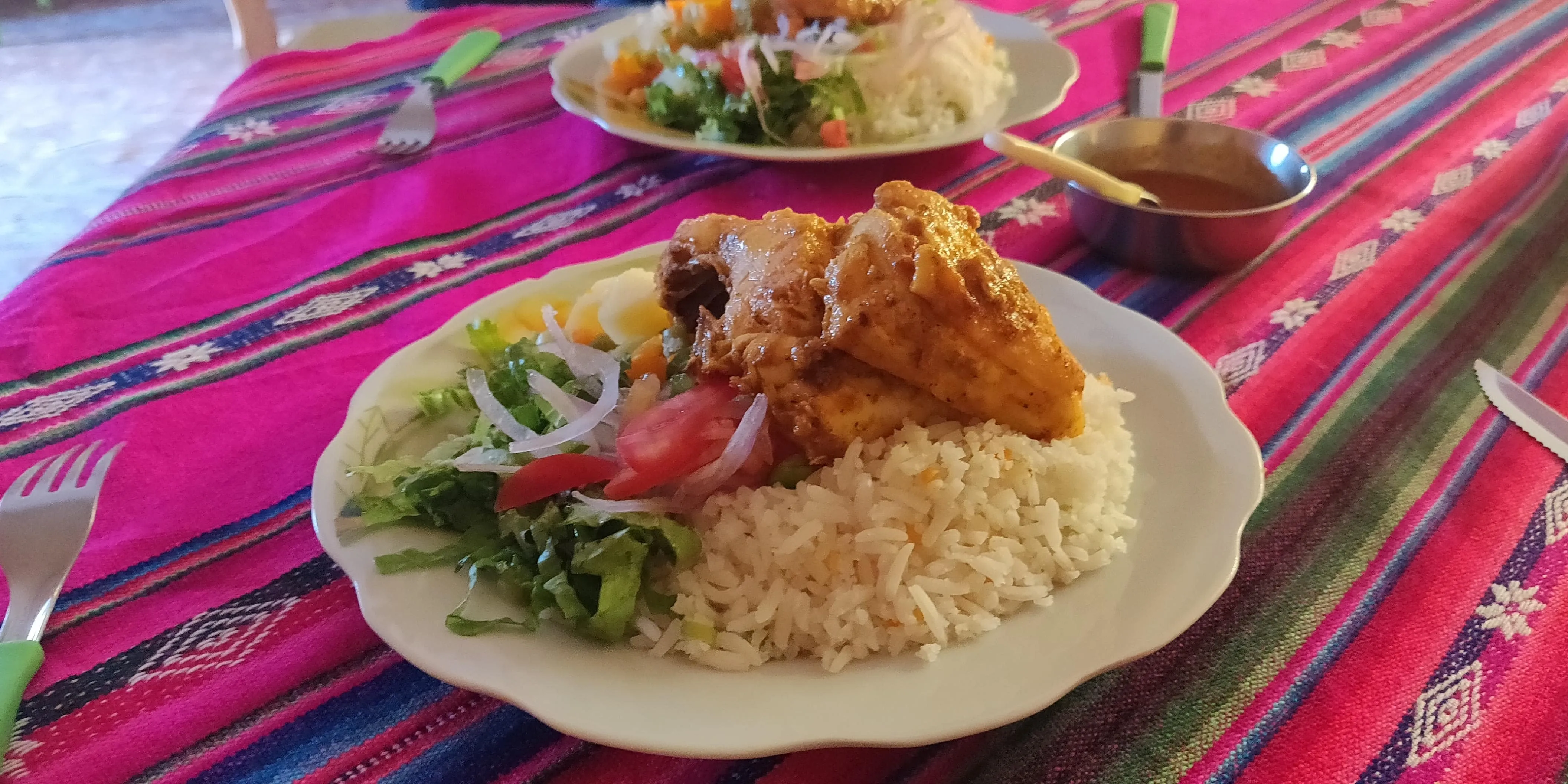
A Complete Guide to Gluten Free Bolivian Restaurant Dishes
Before visiting Bolivia, we did zero research into restaurant food and regretted it deeply. The menus were indecipherable, even with a working knowledge of Spanish. It was difficult to work out what each dish contained, never mind whether it was gluten free or not.
read more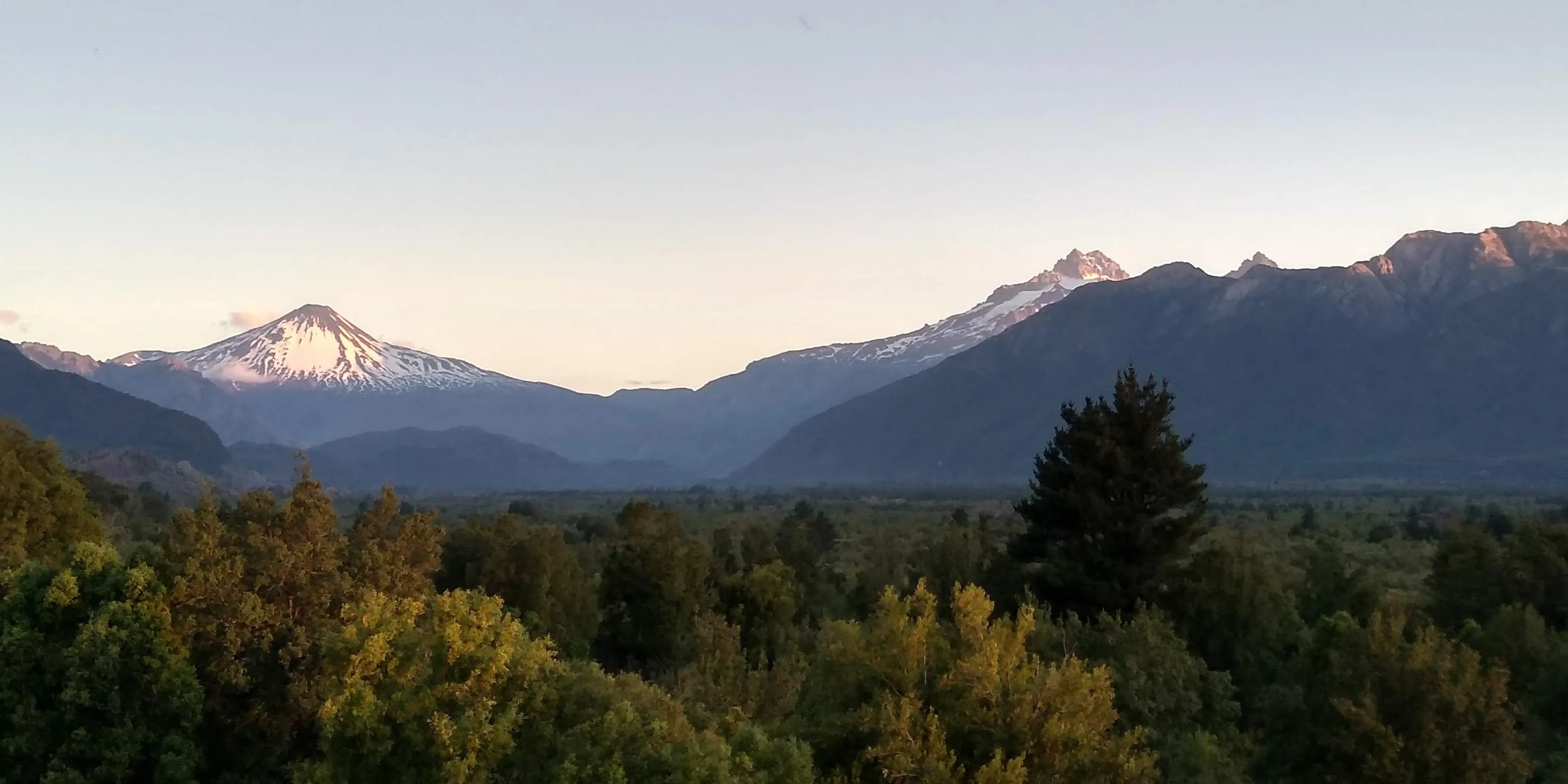
Chile: A Gluten Free Guide
Chile is not the celiac paradise that Argentina is next door, there's no restaurant allergen law, rural options are slim, and staff awareness is inconsistent at best. That said, the Chilean diet leans naturally gluten free, Santiago has a growing dedicated GF scene, and if you're willing to live on
read more
Is Quinoa Gluten Free?
Yes, quinoa is naturally gluten free. It contains no wheat, barley, or rye, and has been a staple food in the Andes for thousands of years. The catch, and there is one, is cross-contamination. Quinoa is often grown, harvested, and processed alongside gluten-containing grains, which means unlabelled
read more
Mauritania: A Gluten Free Guide
- Mauritania
- Travel
- 22 Mar, 2026
Mauritania is not an easy destination for celiacs. Awareness of gluten and celiac disease is effectively zero, and outside Nouakchott you won't find a single dedicated GF product. That said, the country's cuisine is rice- and meat-heavy enough that eating naturally gluten free is possible — especial
read more
Morocco: A Gluten Free Guide
Morocco is a brilliant place to travel; it has a vibrant culture, interesting landscapes and lovely people. Cycling for 3 months through Morocco taught us that this fantastic country is also one of the toughest for gluten-free travellers. This guide breaks down exactly what food is available off the
read more
Peru: A Gluten Free Guide
Peru is not a country that has caught up with celiac disease. When I was there in 2019, GF labelling was essentially non-existent outside Lima, and restaurant staff in rural areas were more likely to be baffled by the question than helpful. That said, Peru's traditional Andean diet is built on potat
read more
Cusco: A Gluten Free City Guide
Cusco is the most celiac-friendly city in Peru outside Lima, which is not a particularly high bar to clear. That said, the tourist centre has a decent cluster of restaurants that understand the question, mark GF options on their menus, and won't look at you blankly when you mention gluten. The menú
read more
A Gluten Free Guide to Poland
Poland surprised me, but then again, much of Eastern Europe has far surpassed my expectations as a celiac. In the cities and in supermarkets, you're in genuinely good hands: plentiful free-from aisles, strict EU labelling laws, a dedicated certification symbol, and a growing network of certified glu
read more
Gluten Free in Romania
Romania is a country of two speeds for celiacs: Bucharest has a genuinely improving GF scene with certified bakeries and dedicated menus, while rural areas still run almost entirely on wheat. Supermarkets in bigger towns will keep you fed either way.
read more
Senegal: A Gluten Free Guide
Senegal is a manageable country for celiacs, largely because so much of the traditional food is naturally gluten free. Thieboudienne and mafé are safe, filling, cheap, and available everywhere. Supermarkets stock no gluten free substitutes to speak of, so if you rely on GF bread or pasta, you'll nee
read more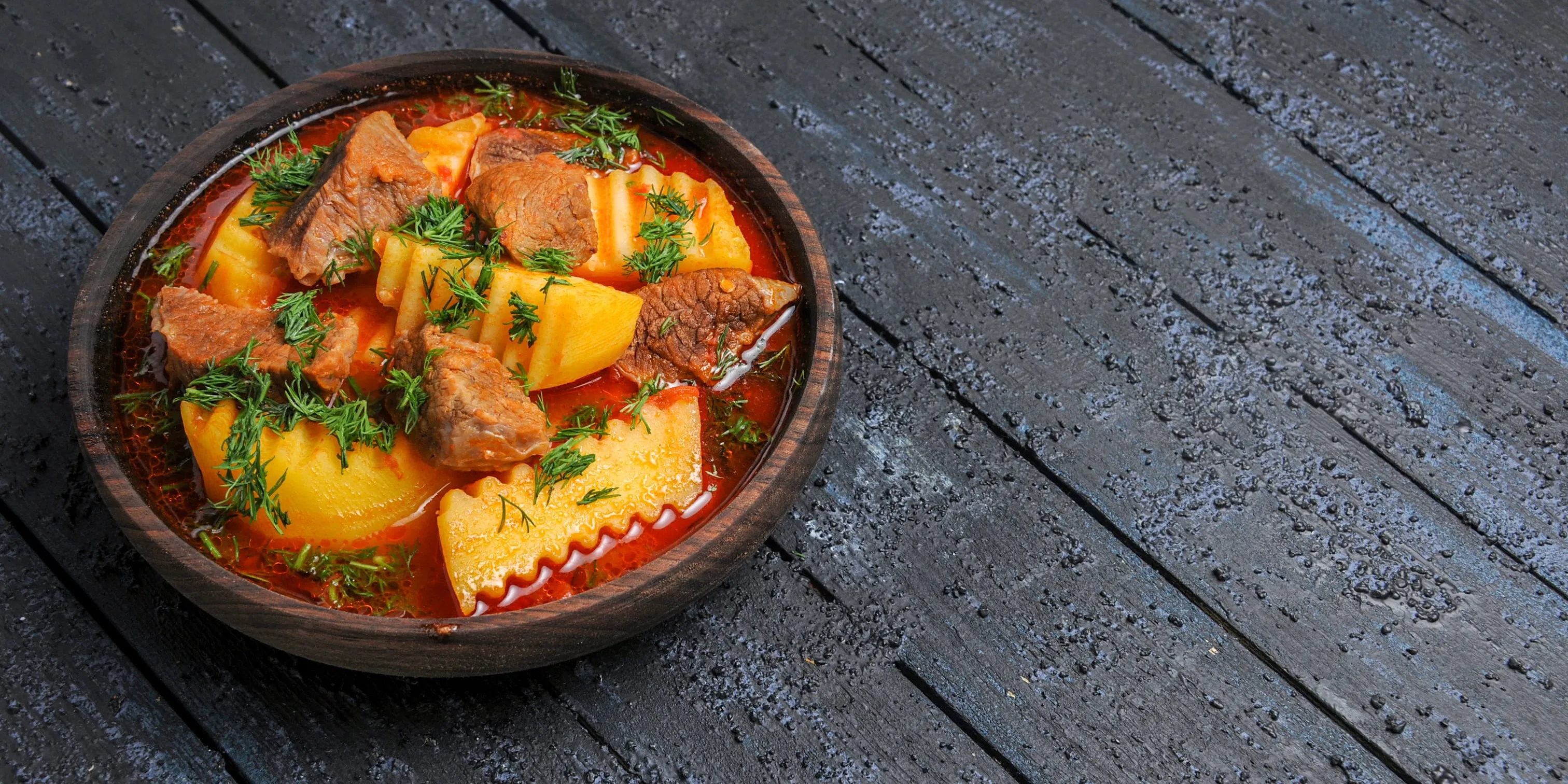
Is Mafe Gluten Free?
Mafe is usually gluten free. It's a rich peanut stew made with meat, tomatoes, and vegetables, with no wheat in the traditional recipe. That said, some cooks thicken it with wheat flour, so it's not one you can order blindly without checking.
read more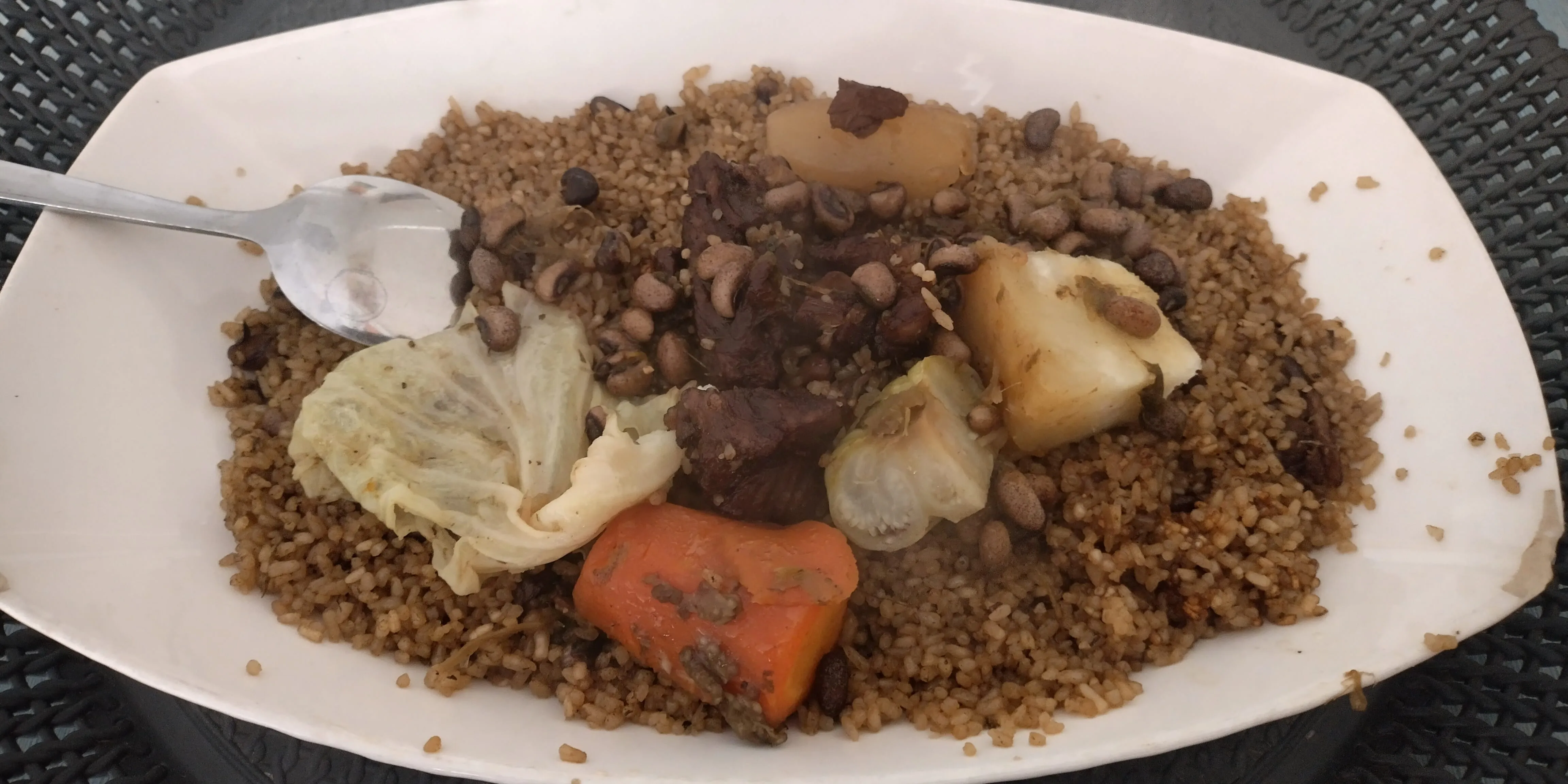
Is Thieboudienne Gluten Free?
Thieboudienne is naturally gluten free, made from rice, fish, tomatoes, and vegetables. The one caveat is the stock cube used in its preparation, which is worth checking, but the main Senegalese brands are GF.
read more
Gluten Free in Mississippi
Mississippi is a mixed bag for celiacs. Chains and Walmart have your back, but local diners and Southern classics are a minefield of shared fryers and flour-dusted everything. Here's what I learned over two months of work trips.
read more
South India: A Gluten Free Guide
India is a beautiful, diverse country with rich food traditions. The South, in particular, is an excellent destination for gluten-free travellers thanks to its reliance on rice, lentils, coconut, vegetables, and spices. This guide focuses on South India, where we spent three weeks exploring, eating
read more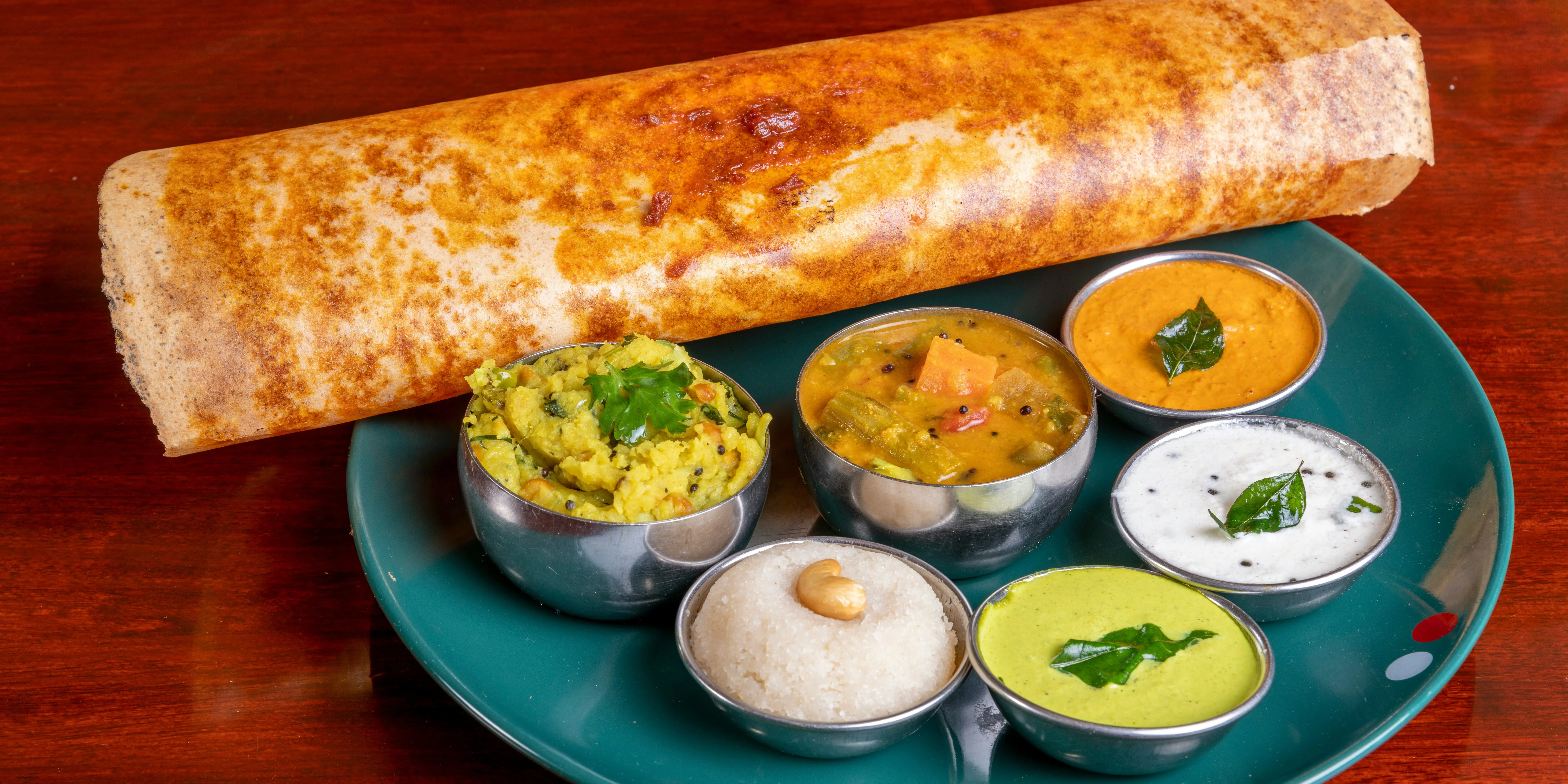
Is Dosa Gluten Free?
Dosa is naturally gluten free, made from a fermented batter of rice and lentils. Most varieties are safe for celiacs, though a handful of dishes served alongside dosa are worth watching out for.
read more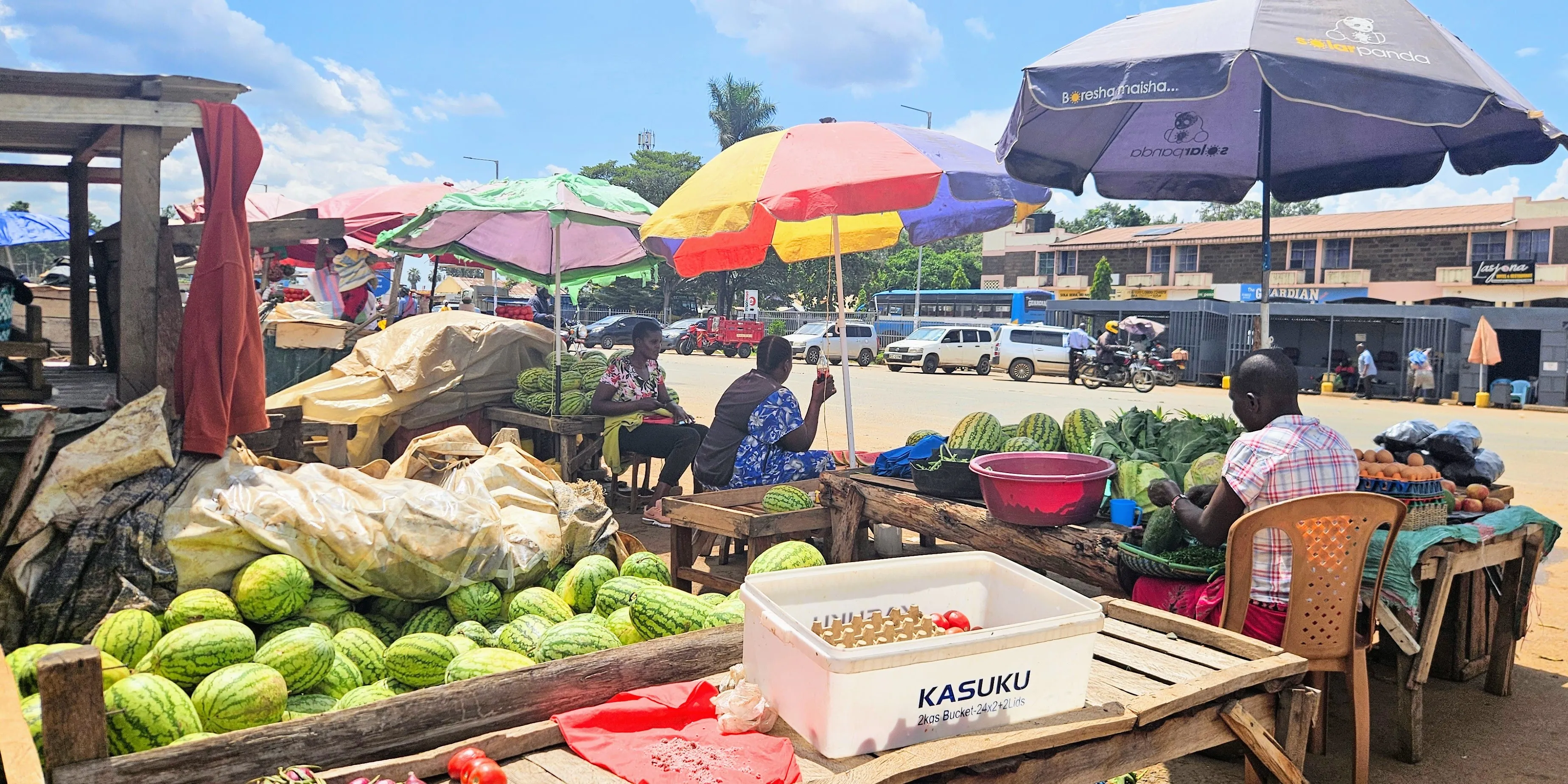
Kenya: A Gluten Free Guide
Kenya is a brilliant country to travel through as a celiac. celiac awareness is virtually zero, but the traditional diet is naturally gluten free, fresh food is abundant, and self-catering is easy and enjoyable.
read more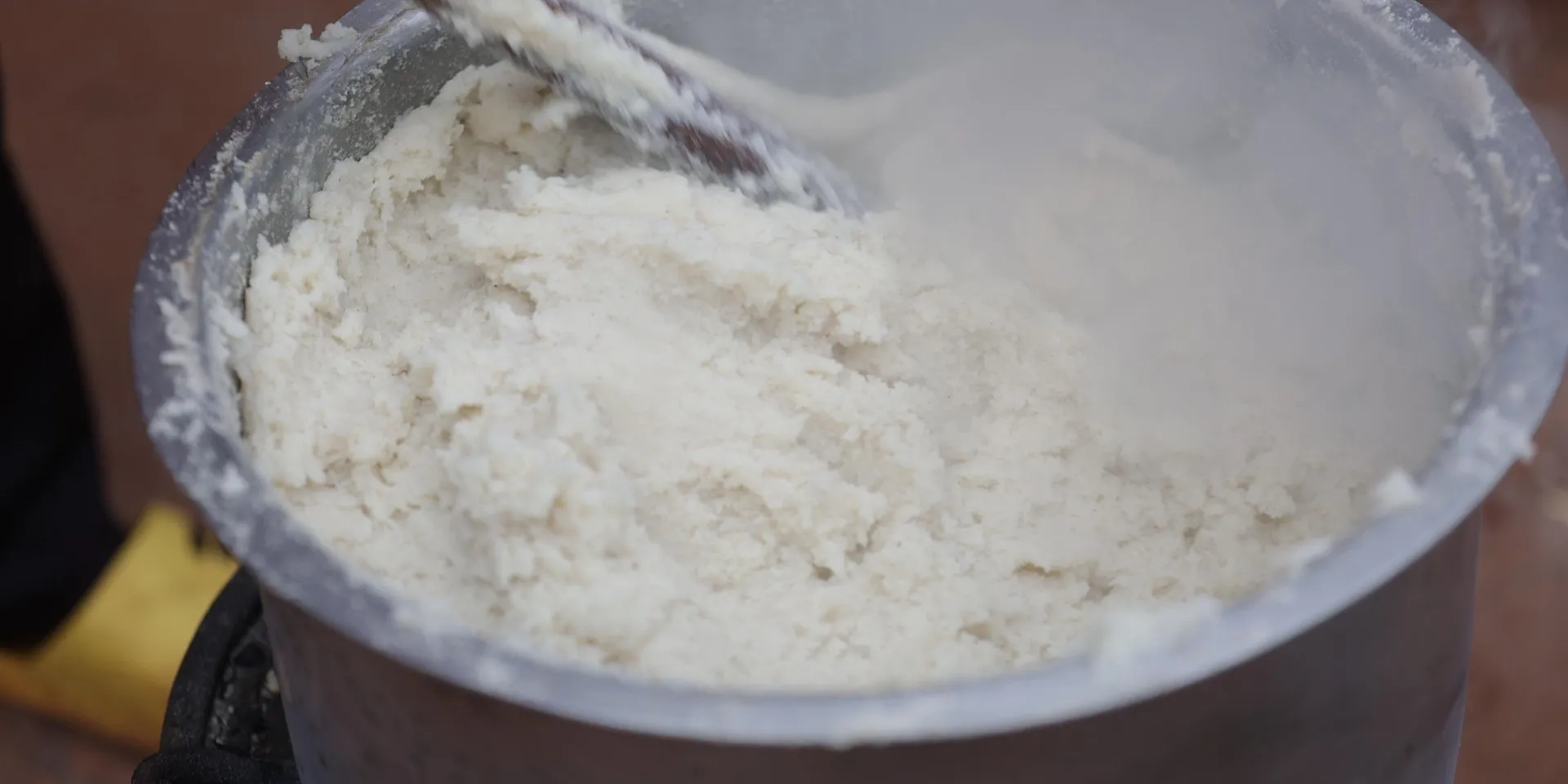
Is Ugali Gluten Free?
Ugali is Kenya's staple food, eaten by the vast majority of the population at least once a day. It is made from maize flour and water, which makes it naturally gluten free. Here's what a celiac needs to know about eating it safely in Kenya.
read more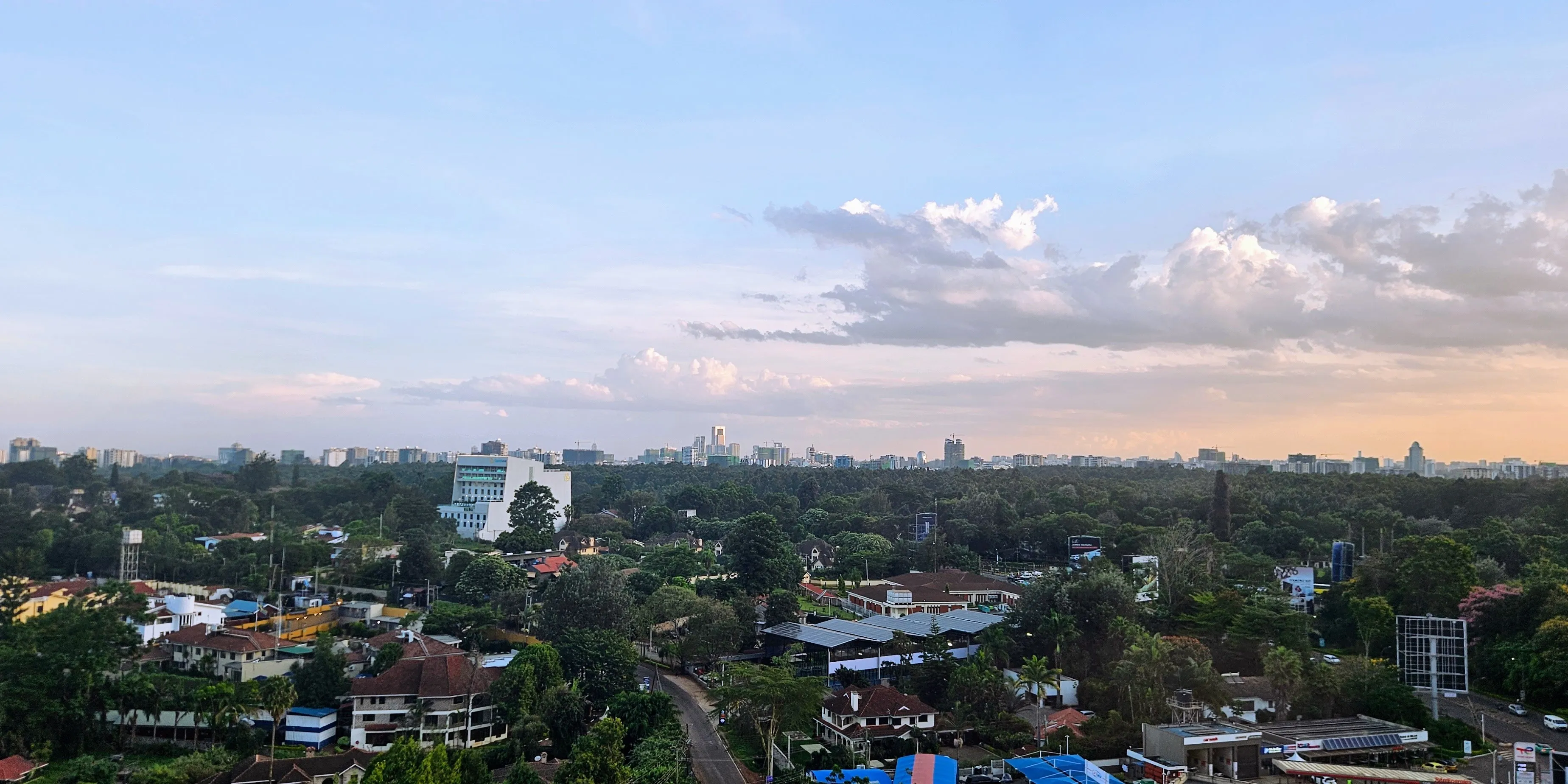
Nairobi: A Gluten Free Guide
Nairobi is a great city to visit as a celiac. Celiac awareness is low, but the food scene is excellent, self-catering is easy, and the traditional Kenyan diet is naturally gluten free friendly. Here is what we learned after nearly a month in the city.
read more
Spain: A Gluten Free Guide
Ahhh Spain, lovely Spain. The weather’s (mostly) good, landscapes varied, and gluten free food is abundant. Celiac disease is well known, and there are some good government and third-party resources to help with eating out gluten free. With a bit of care, you can easily travel in Spain and successfu
read more