Morocco: A Gluten Free Guide
Morocco is a brilliant place to travel; it has a vibrant culture, interesting landscapes and lovely people. Cycling for 3 months through Morocco taught us that this fantastic country is also one of the toughest for gluten-free travellers.
This guide breaks down exactly what food is available off the beaten path and provides our top survival strategies for navigating a culture where bread reigns supreme.
Key Points
- Morocco is beautiful, but you’ll need to be well prepared as a celiac.
- Bread is deeply woven into the culture, so gluten appears everywhere.
- Safe eating depends on communication, planning, and self-catering.
- Cities offer a little more flexibility, but rural areas rely on local shops and markets.
- With a few go-to meals and a solid strategy, it’s absolutely possible to travel well.
Contents
- Personal Experience
- Gluten-free Awareness
- Eating out
- Groceries
- Words to Remember
- Accommodation Advice
- Go-To GF Survival Meals
- Conclusions
- FAQs
Personal Experience
As a celiac, I found travelling through Morocco pretty difficult. In fact, I think it’s the most difficult place I’ve travelled to for gluten free food. I spent three months in Morocco and went from not knowing what to eat to feeling comfortable knowing what’s safe.
We cycled through the country by bicycle, travelling from Nador in the northern coast, all the way to the Mauritanian border, cycling through the Andes and Moroccan Sahara. For most of the time, we travelled through remote regions, but we did also visit some larger cities such as Marrakesh. We found the food seem to mostly stay the same across the country. However, specific areas will have a local dish, for example Marrakesh’s is Tangia.
In our experience Moroccan people are incredibly hospitable and friendly.
The Gift of Bread: Managing Hospitality
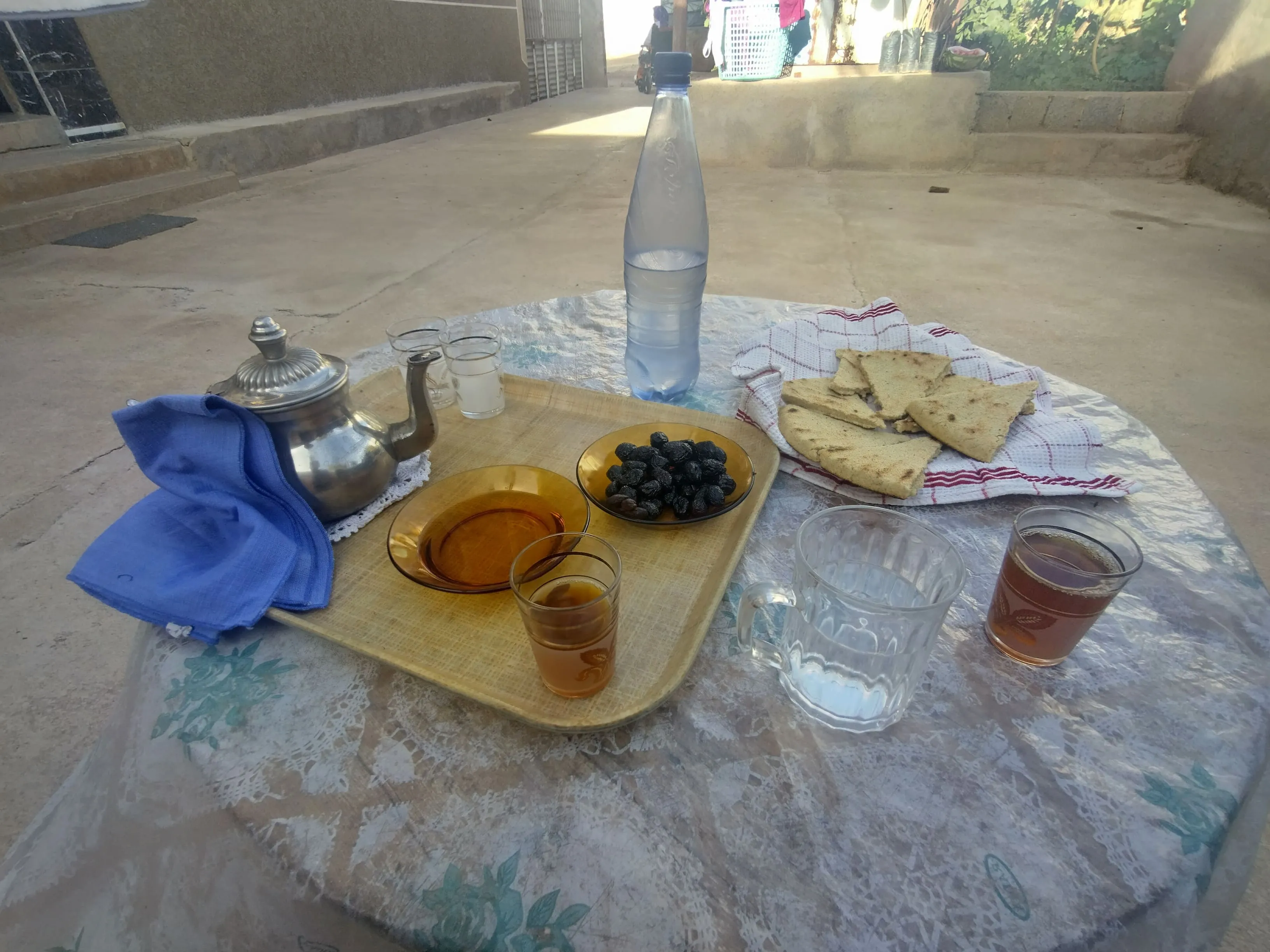
Moroccan hospitality often centres around sharing bread, so expect it to be offered to you again and again. It can make things a bit awkward, particularly if you can’t easily explain why you have to turn it down.
If, like us, your French and Arabic is not good, you need a strategy. It may be best to accept the gift to honour their kindness and then simply not eat it.
One day when we were cycling, we stopped to have a snack, and a woman came out of her house and handed us the most beautiful, large Khobz we had ever seen. It smelt amazing. Not wanting to refuse her kindness, we accepted it and said thank you. Her children watched us from the window, so we pretended to eat the bread, breaking small chunks off and subtly putting them in our hand. It felt awful to waste the delicious bread, but we would have felt worse turning down someone’s kindness.
As a celiac, you’ll frequently find yourself weighing up how to join in with local life and not offend anyone - all while keeping gluten firmly off your plate.
Gluten-free Awareness
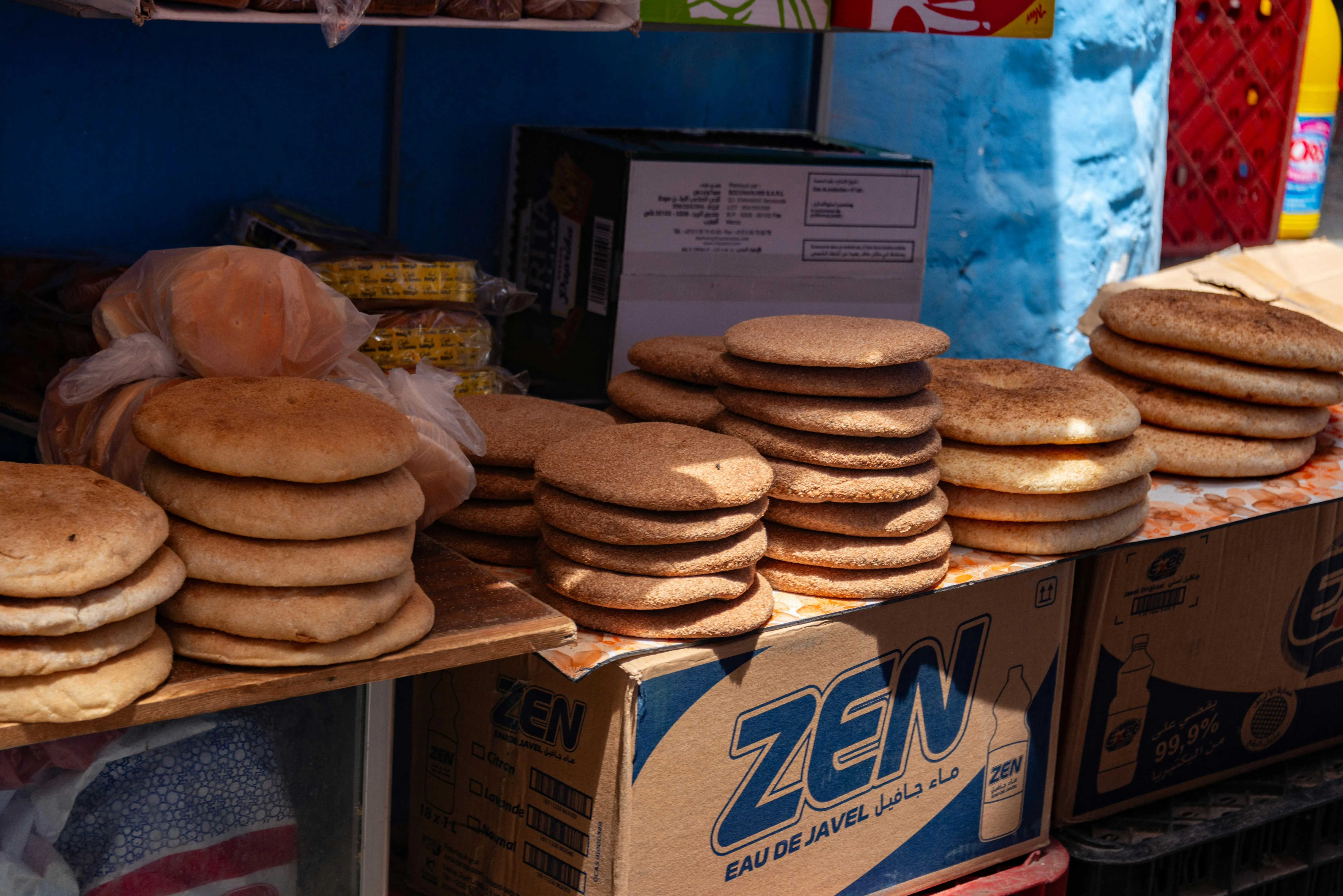
Khobz is King
Unfortunately, throughout Morocco there is extraordinarily little awareness of celiac disease or even a gluten-free diet. Whilst this sucks for celiacs, it does make sense: bread (Khobz) is considered deeply symbolic and is a cornerstone of Moroccan culture[1].
There are, however, some exceptions. Bigger cities like Marrakesh or Casablanca tend to have a little more understanding of dietary restrictions, thanks to tourism and international restaurants.
My First Meal Disaster
Moroccan people are highly accommodating, but their desire to help you quickly can lead to disastrous miscommunication. Eating safely depends on preparation.
On our first night in Morocco, I attempted to order plain chicken and rice. I was instead served chicken smothered in a creamy tomato sauce and pasta. A total nightmare for a celiac (and I can’t eat dairy, either). I’m sure this was entirely my mistake; I was new to the country, my French was terrible, and I was trying to be too polite. Trying to be classically English, I said nothing and decided I’d pick something up on the way back to where we were staying.
When the server noticed I wasn’t eating and asked what was wrong, I tried to explain I couldn’t eat milk, cheese, or pasta. Midway through the sentence he assured me he understood and whisked away my plate. He returned twenty minutes later with a plate covered in more pasta, and a purely milk and cheese sauce.
I still feel responsible for this disastrous meal, but it taught me vital lessons, go in prepared, have key phrases ready, and if you feel that you’ve not communicated your dietary needs effectively you’re probably right!
The Moroccan Meal Structure
Unsurprisingly, something containing gluten is typically eaten for every meal. For example:
- Breakfast may be Moroccan bread with an omelette, Amlou and jam.
- Lunch is often a tagine served with bread.
- Dinner could be tagine again, meat with bread or couscous.
Luckily, a few Moroccan dishes are naturally gluten-free, and if you are cooking for yourself, you can find a variety of ingredients that you can eat safely.
Eating out
In general, eating out is like dangling a delicious, tempting doughnut in front of your face. You know if you take a bite, it’ll be easy and filling, but for a celiac, it will almost certainly be full of regret.
Naturally Gluten Free Dishes
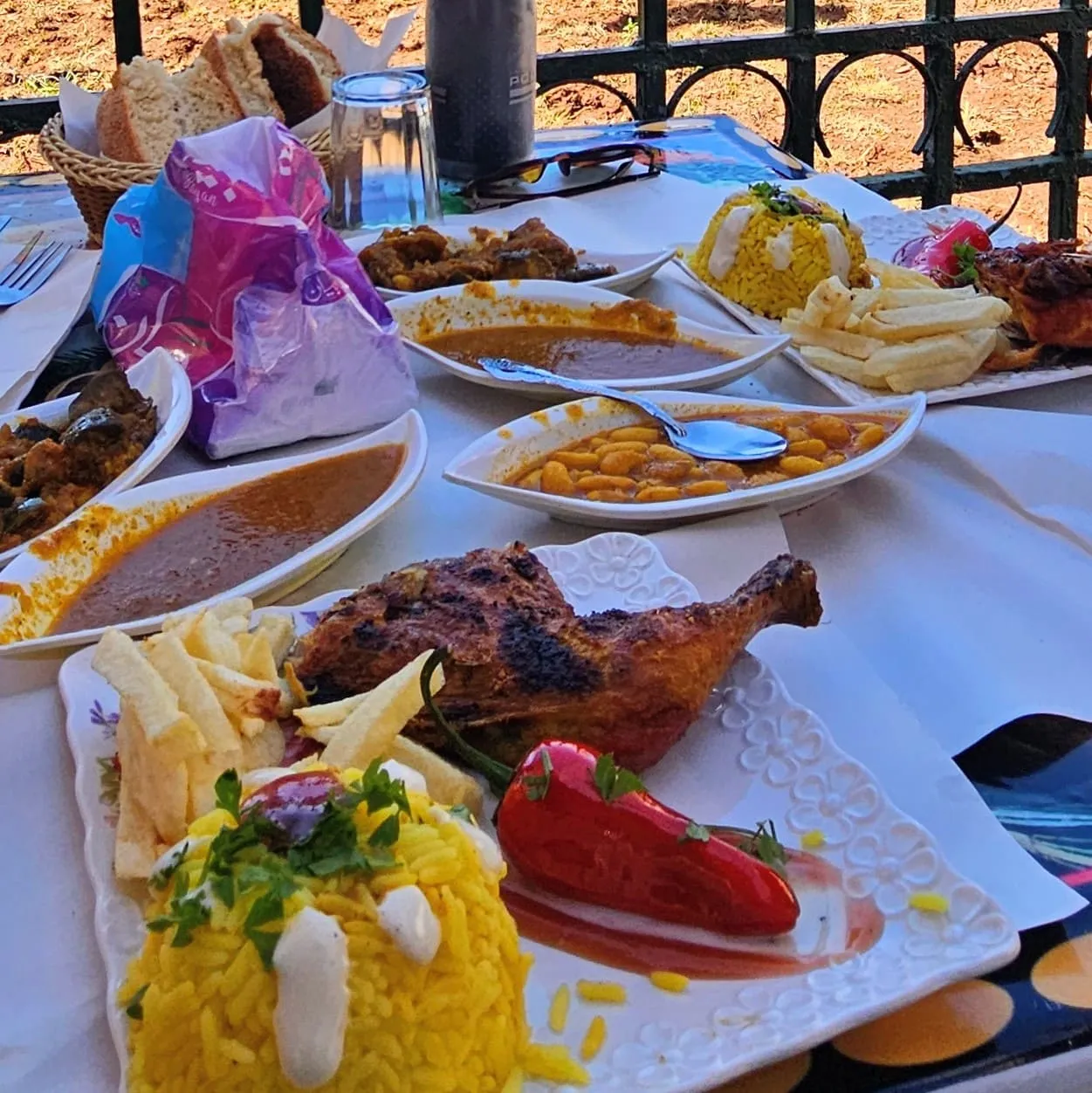
You’ll be happy to hear that there are a fair few naturally gluten free meal options in Morocco. I’ve listed all of the dishes we found below.
-
Omelettes
Either plain egg or Berber style (similar to Shakshuka). These are most often also not cooked with butter, making them naturally dairy-free. -
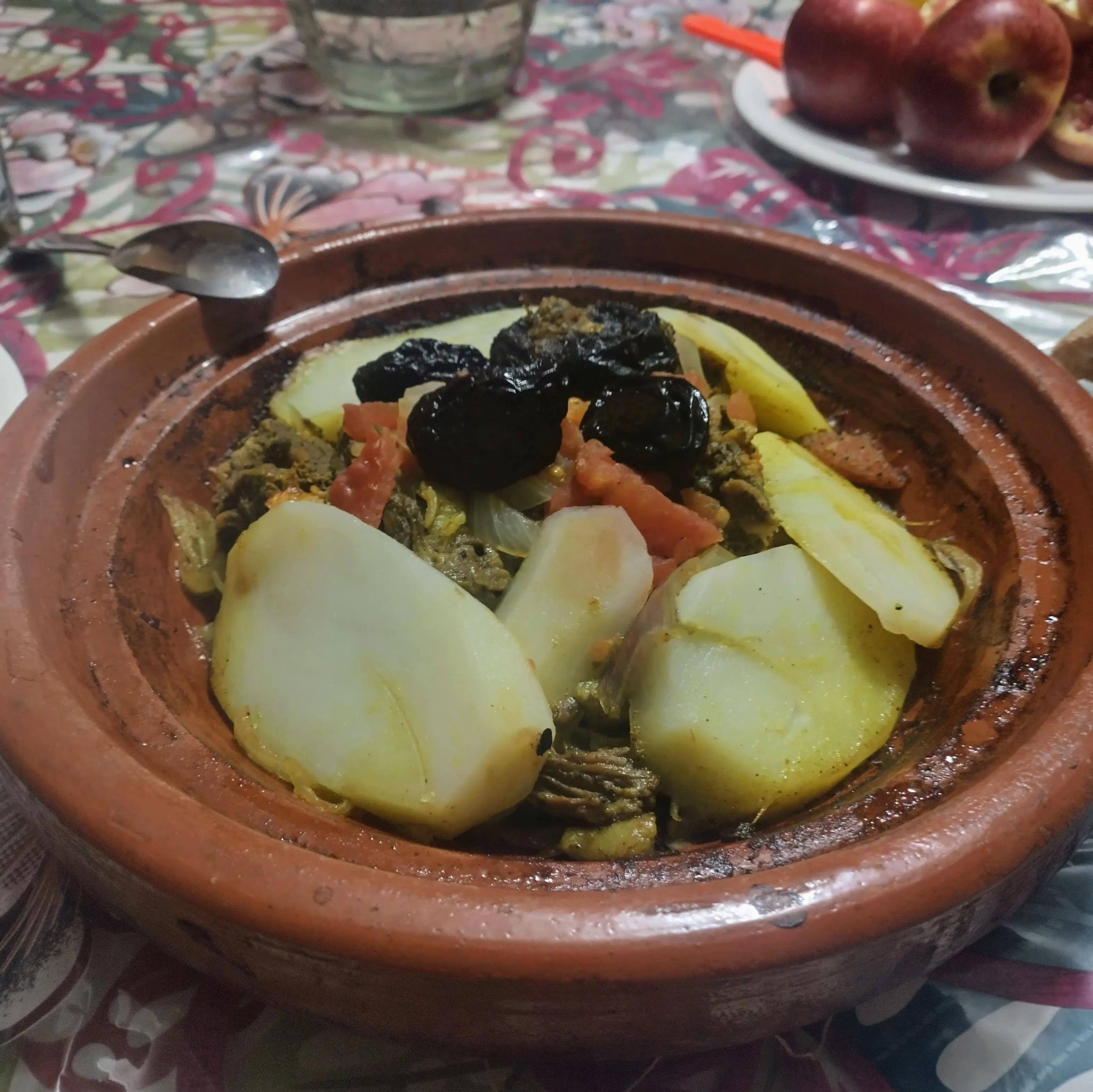
Tagine
Tagine is a Moroccan staple, named after the traditional clay cookware. This dish is comprised of vegetables, fruit and meat slow cooked and stewed with aromatic spices. -
Tangia
Tangia may sound the same as a Tagine but this is actually a separate dish. Tangia is also named after the pot it is cooked in. This dish is meat slow cooked and stewed with aromatic spices. -
Brochettes
Spiced skewers of grilled meat (ground or cubed). Typically cooked over open coals. -
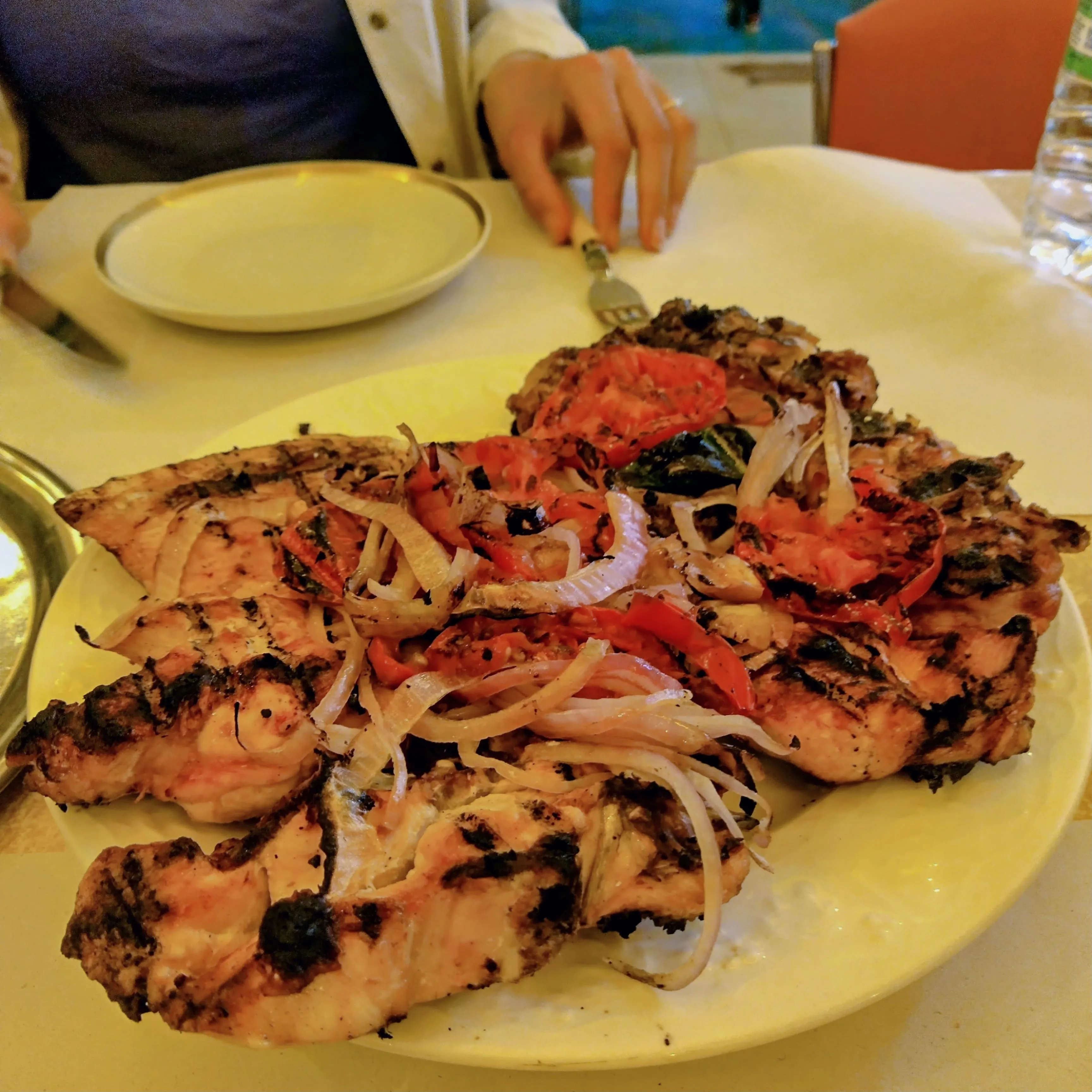
Moroccan Spiced Rotisserie Chicken
Chicken stuffed with spices. Typically served with a chicken sauce, salad, rice and chips. -
Salad
Many Moroccan salads are cooked and therefore safe for visitors to consume. We generally recommend against most salad due to the higher risk of food poisoning from washing practices.
Please note: Every one of these meals is served with a side of bread.
Why Restaurant Meals are Risky
Yes, seemingly naturally gluten-free options like tagines, rotisserie chicken, and grilled meats sound safe, but they aren’t. Let me explain:
- The Bread Barrier: A tagine is always served with bread (Khobz) on the side. Even if you don’t eat it, the risk of cross-contamination from shared serving utensils or preparation techniques is extremely high. Despite our best efforts, we nearly always came away feeling glutened after trying a restaurant tagine.
- Unexpected Pasta: Grilled meat is usually served with an array of sides, including chips, rice, and sometimes, bizarrely, pasta. Even when you explain your allergy, pasta may still be served, proving the low level of awareness.
- Hidden Gluten in Rice: The rice served as a side tastes amazing but is often cooked with spices and stock. As some stock cubes contain wheat, there is a chance that the rice contains gluten.
If you’re concerned about cross contamination or trace gluten, I’d recommend against eating out altogether. This is especially true in smaller towns and villages where the tourist infrastructure is minimal.
Gluten-free in Major Cities
In larger cities such as Casablanca, Rabat and Marrakesh there is a little more awareness, and some restaurants will list allergens. However, we believe the risk of cross contamination or mis labelling on the menu to be high.
Eating out in these more touristy cities is easier, and apps like Find me Gluten-free have some good options listed.
If you are visiting Marrakesh, check out our dedicated article. We managed to find gluten-free bread.
Groceries
Changing Your Shopping Habits
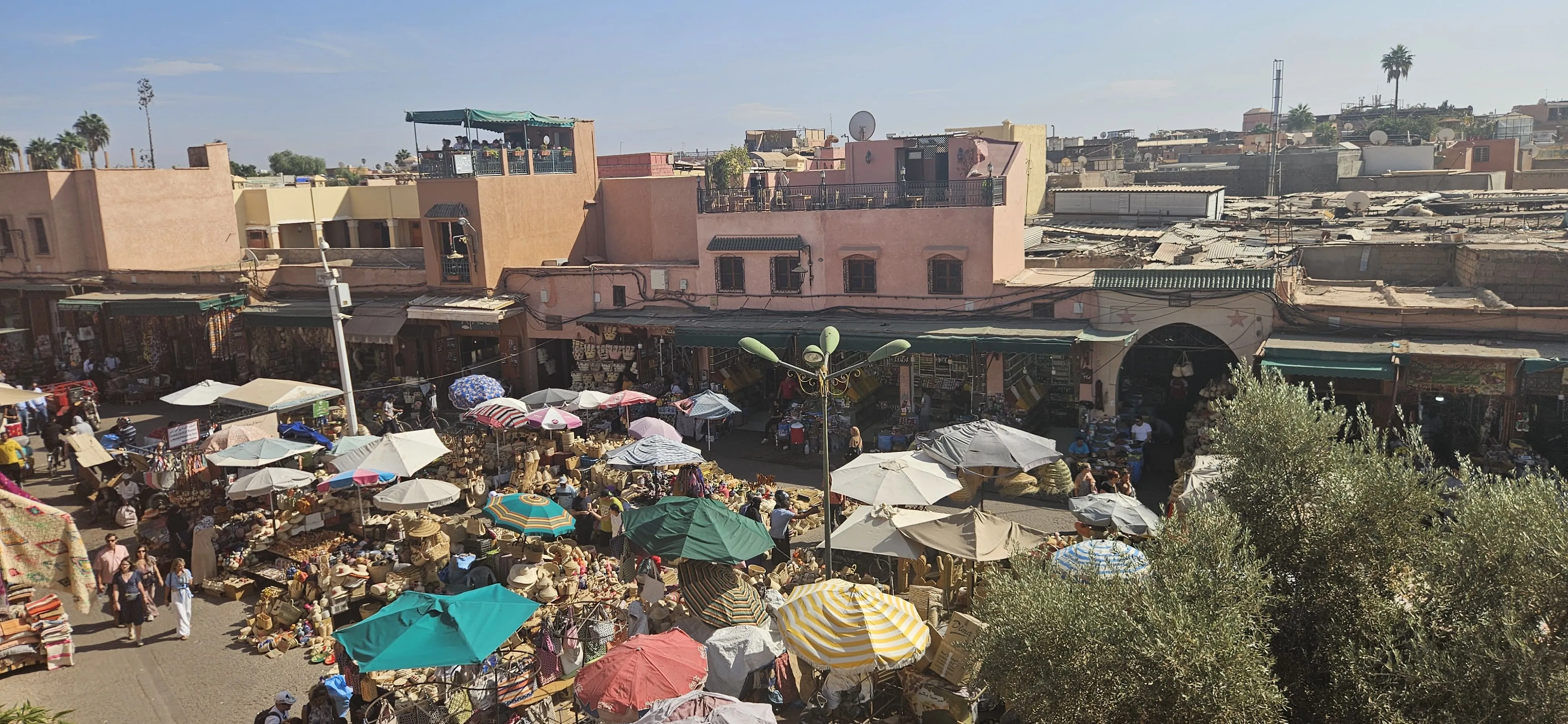
If you, like me, are used to living in a country where you can go to a large one-stop shop for all your groceries, you’ll need to tweak your shopping habits for Morocco. In larger cities there are many supermarkets and well-stocked corner shops, so you may be able to get away with doing all your shopping in one location.
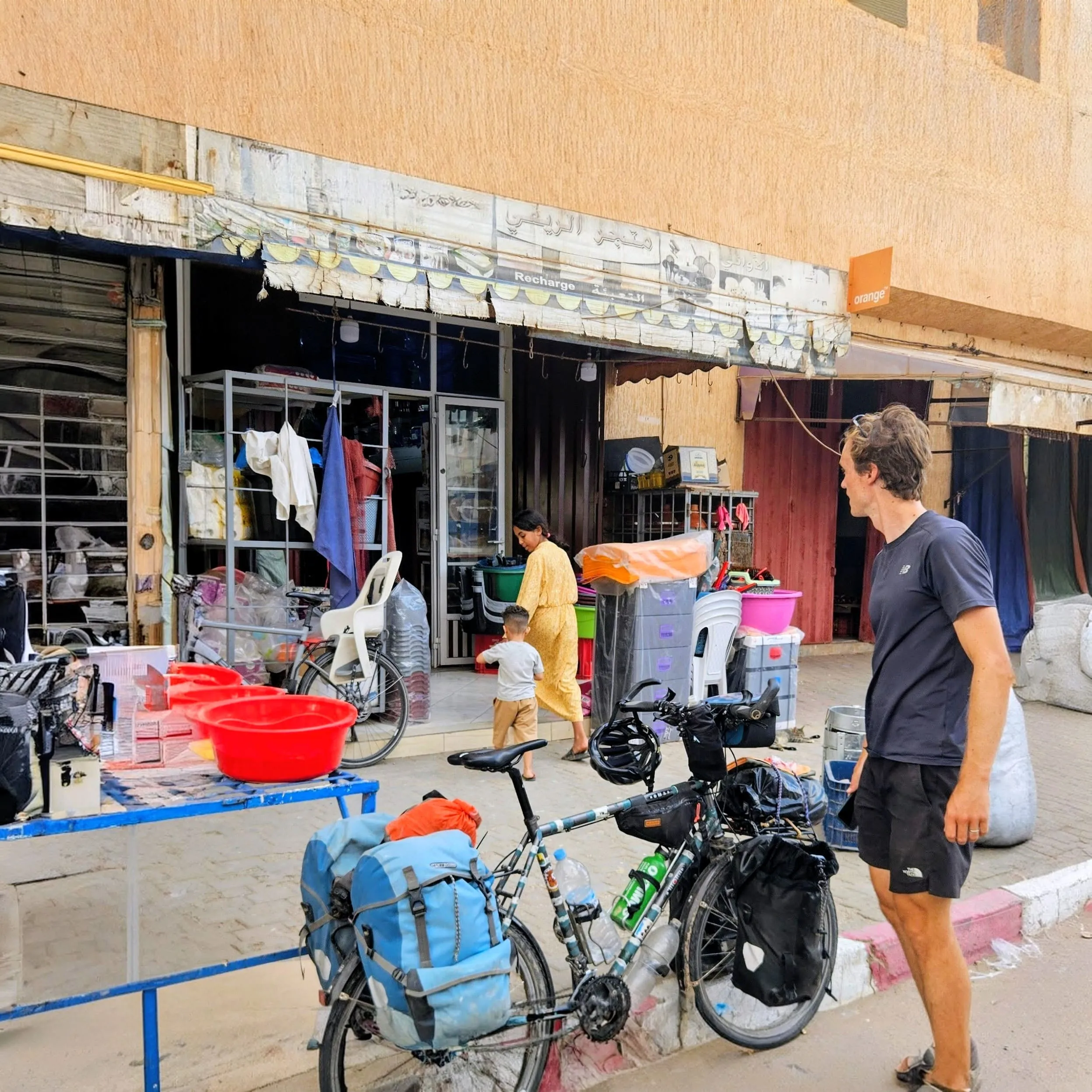
Outside of these areas, that won’t be the norm. Supermarkets are rare in towns and villages; instead, you’ll need to find the local market, or specific local shops to buy the ingredients you’re after. Local markets (souks) often only run on one day a week so depending on how you’re travelling the markets may not be a reliable source.
The Price of Being Gluten-free
We think self-catering is key to safe eating in Morocco, but be aware of the price difference between staples and imports. While local fruit and veg are extremely cheap (enough to last us for two days costs around 35dh), imported gluten-free products are astronomically expensive. For example, a small loaf of GF bread can cost 50dh (~£5). Studies show GF products average 364% more expensive than their gluten-containing counterparts [2].
Supermarkets
There aren’t many Western-style supermarkets throughout Morocco. However, in larger cities you can find a Carrefour, Atacadão or Marjane:
- Atacadão and Marjane seem to be for stocking up on enormous quantities of food you can find in local shops, and I wouldn’t rely on them for Western-style staples.
- Carrefours were our favourite, a wonderful place to stock up on flavour-boosting ingredients and snacks. Location matters: a Carrefour in Ifrane, whilst well stocked, didn’t hold as large a range of ingredients as the ones in Marrakesh.
You can find GF biscuits and cakes in most supermarkets, but real cooking staples were exceedingly rare. When we were craving home comforts, we bit the bullet and splurged on some cookies. We have no regrets!
Relying on Specialised Local shops
If you venture out of the major cities, you’ll come to rely on local shops. You will also need to visit multiple types of shops, for instance:
- Fruit and Veg Shops
- Dry Goods Shops (rice, flour, pasta, biscuits)
- Spice and Preserve Shops (olives, honey)
- Meat and Poultry Shops
- Fish Shops
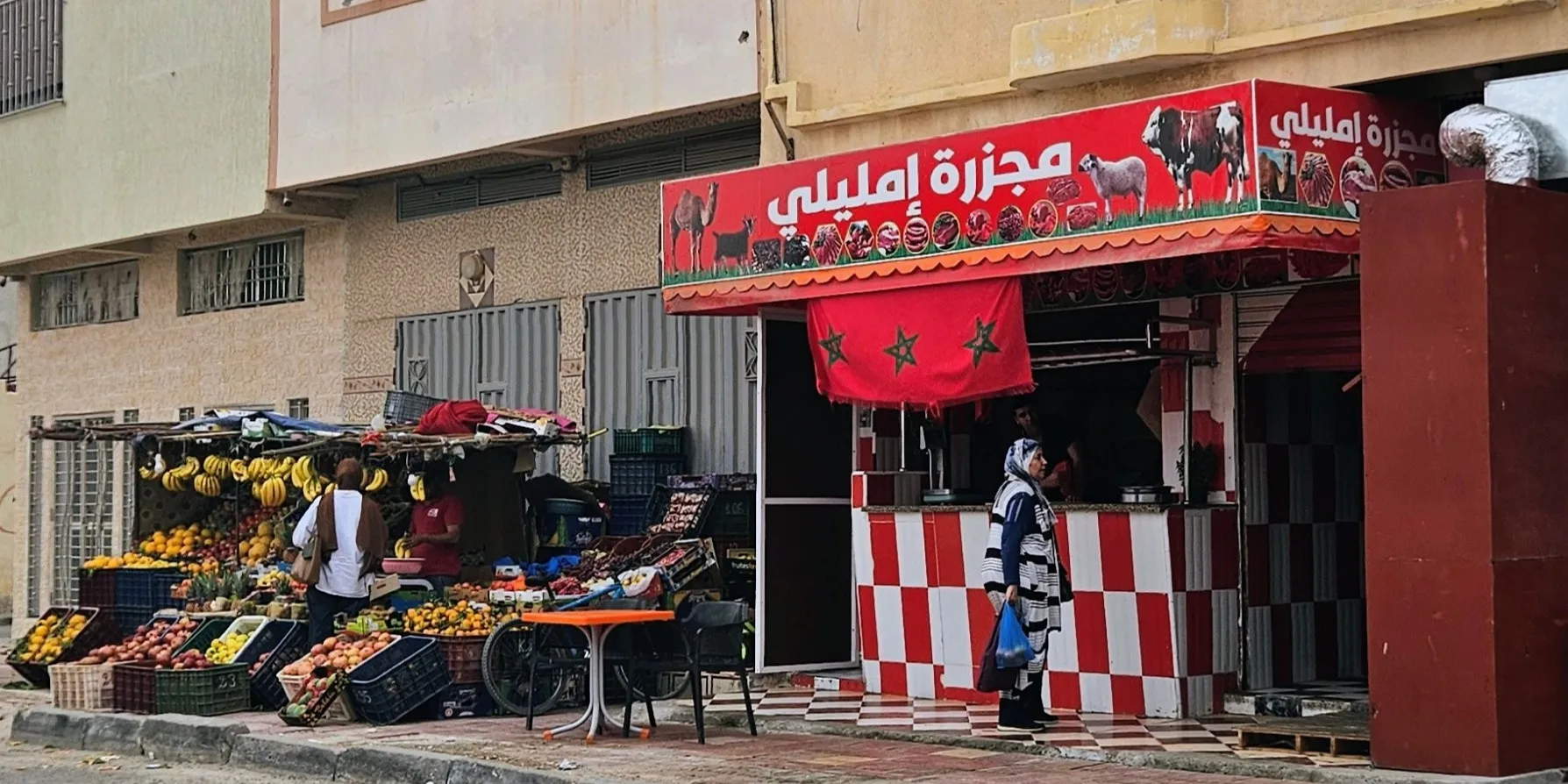
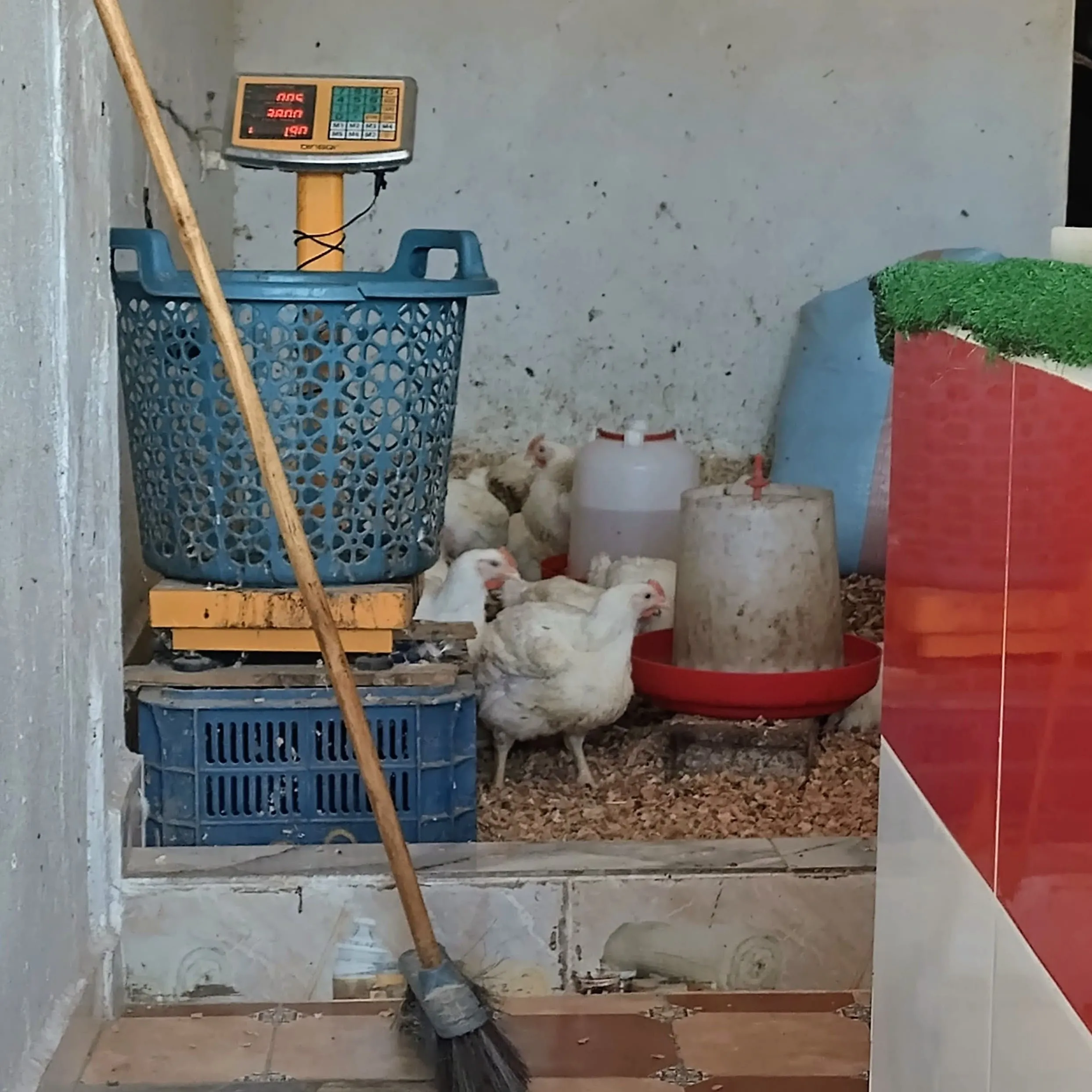
A Note on Poultry: Chicken is typically freshly slaughtered. This may not be comfortable for all travellers. Canned sardines are a dependable, high-protein alternative which can be found in dry goods shops.
Dry Goods Finds
Across Morocco, dry goods shops carried the basics: bread, couscous, pasta, biscuits, flour, and rice. As a celiac, you’ll have noticed that only one of those things is reliably safe. However, we did find other useful staples:
- Vermicelli Noodles: Found in most local shops (check ingredients, often rice or corn flour).
- Gofio de Maize: A corn-based flour found close to the Sahara (this will still need ingredient checks, as sometimes it is made with wheat flour).
- Amlou: A tasty, thin version of peanut butter, sometimes with honey. Great for boosting fat content and flavour.
- Canned Sardines: Common, cheap, and excellent for calcium and protein.
- Stock Cubes: If you are after stock cubes, the only brand we found which did not have gluten was Knorr. They’re widely available and come in various flavours (e.g., chicken, beef, veg) to use each day. (The goat flavour is terrible - do not eat!)
A Word on Cross Contamination
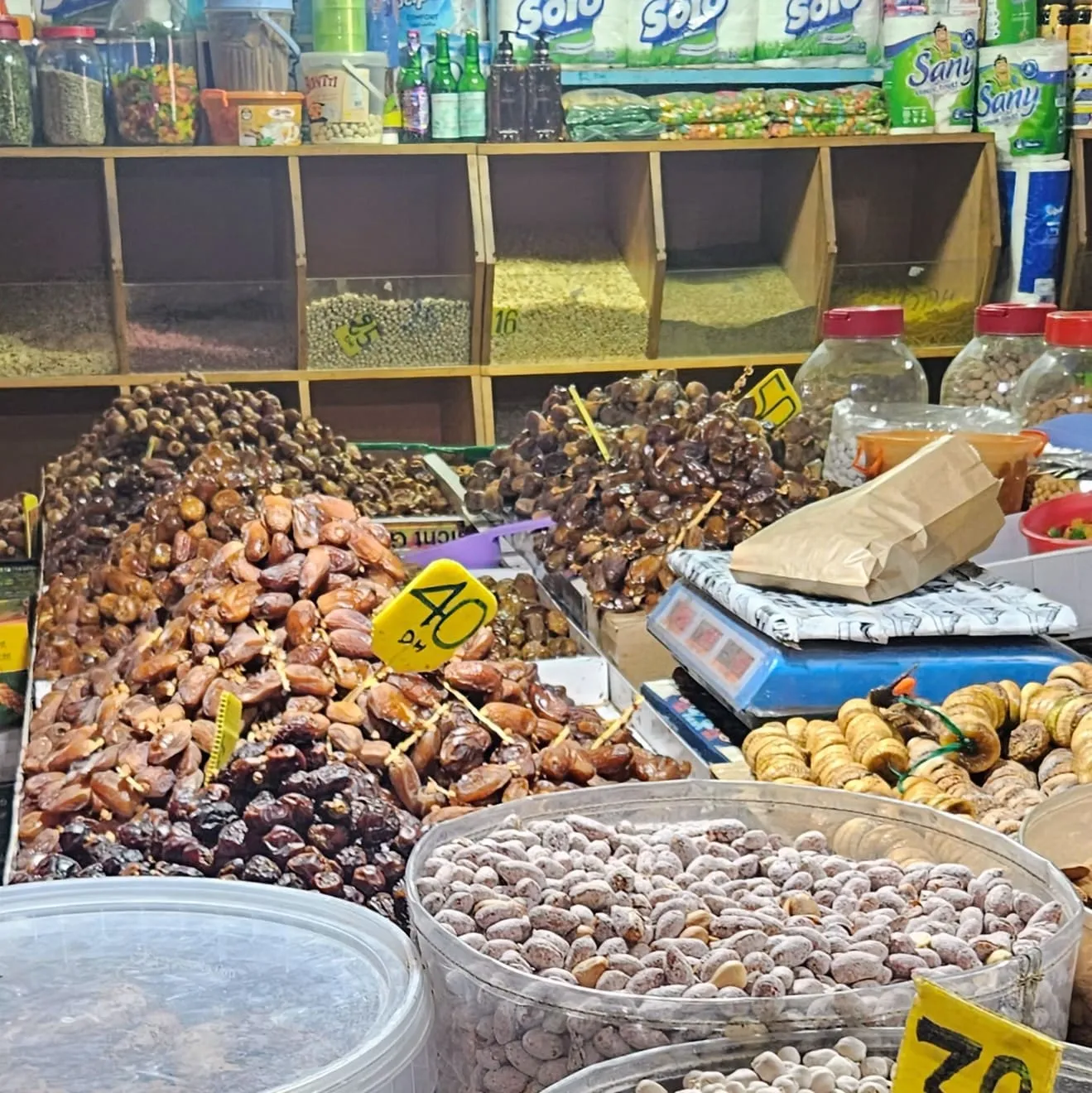
Many dried goods shops have their produce open to the elements and in open containers. The risk of cross-contamination is high. To mitigate it, try to buy produce which is in sealed containers. This may not be feasible on a rugged trip where the next town is days away. In this case, choosing shops which specialise in specific ingredients may reduce your risk.
Avoid Oats! We strongly recommend against eating oats in Morocco. A recent research paper found that nearly all oats studied contained gluten.
Fruit and Veg Shops
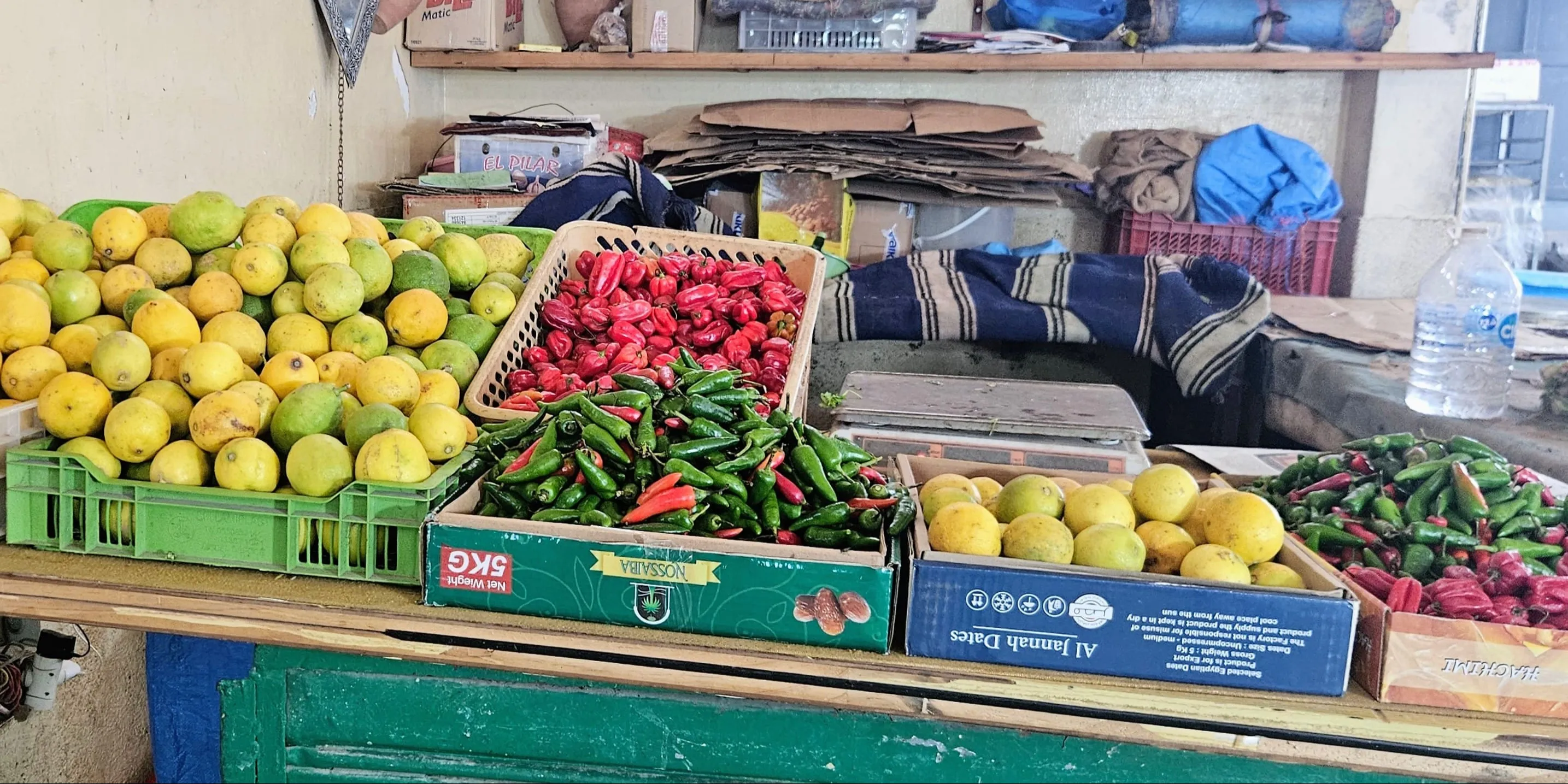
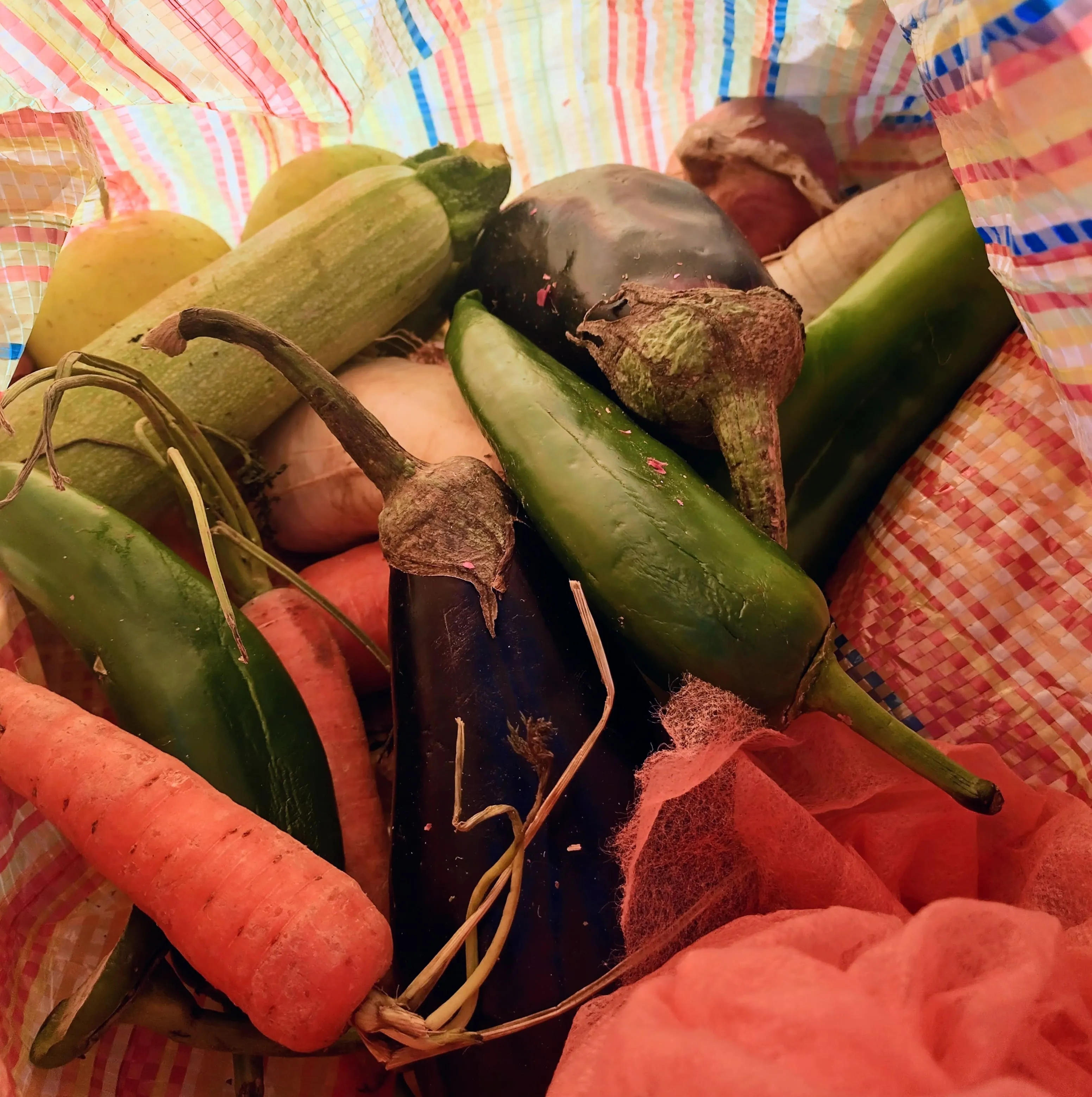
Everywhere we went, we found the same fruit and veg in the greengrocers (apples, oranges, grapes, pepper, turnip, onion, beetroot, aubergine, potato, sweet potato, herbs). Fruit and veg made up most of our diet.
We struggled find ingredients which add flavour to meals. When chillies, ginger, or garlic were available, we’d buy them. As we travelled further south, we found more spice shops and those flavouring items became easier to find.
Snacks
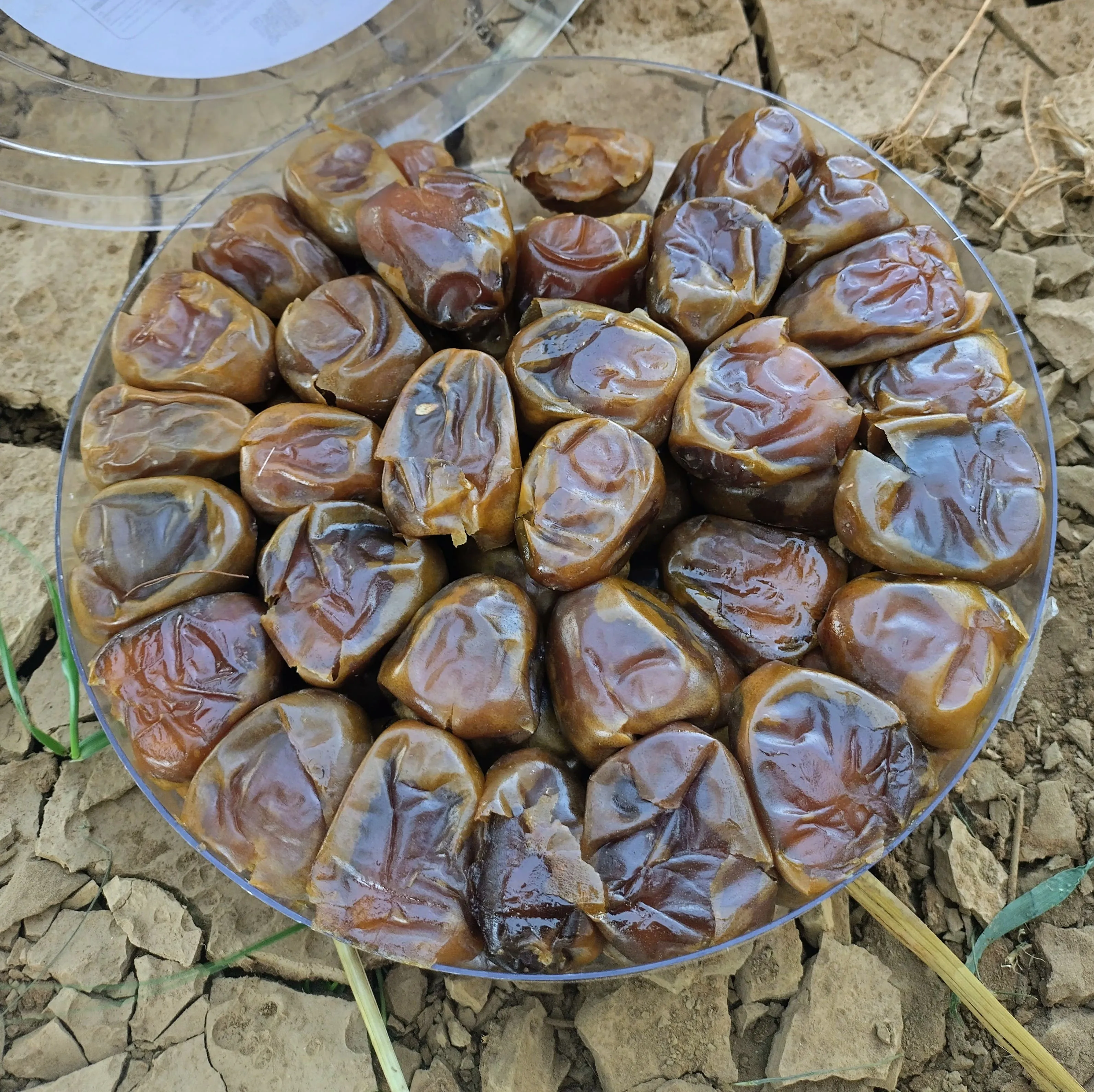
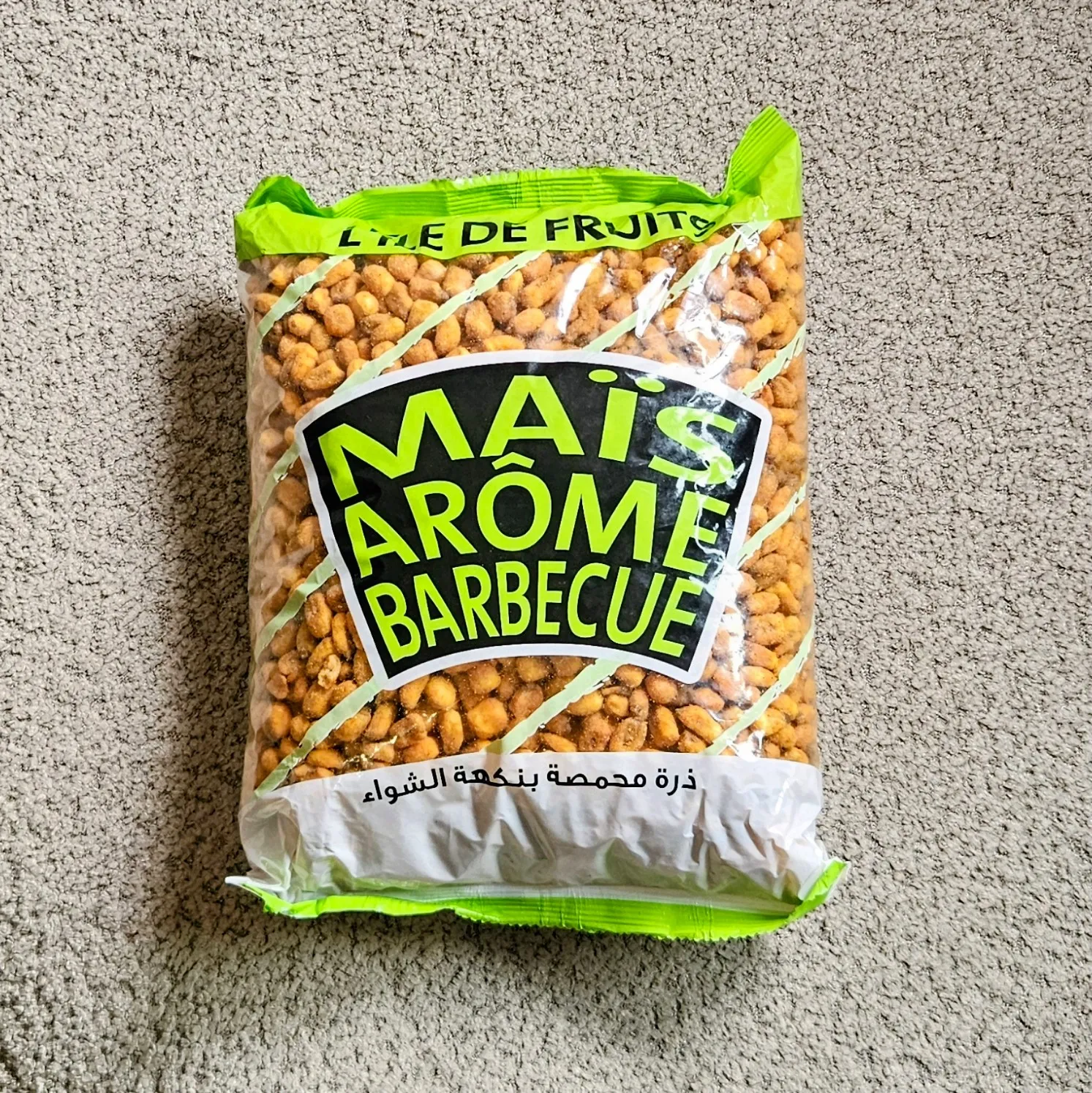
Snack-wise we ended up with some good options, which we reliably found across Morocco. If you’re searching for something specific, you may need to try three or more local shops before you find it!
- Toasted corn (1kg bags of tasty savoury corn, 40 to 60dh)
- Peanuts (Extra salty or unsalted and unroasted, 25 dh/kg)
- Candied nuts (Found loose or pre-bagged (1kg), 40 to 55dh/kg).
- Dates (Quality and price vary, 20 to 60dh/kg)
- Sweets (Most don’t do well in the heat; Mentos were best for us at 6dh)
- Fruit (Easily found. Oranges are juicy and everywhere. Grapes are tasty but go off quickly.)
- Chocolate (There is a terrible quality bar called Mejora that uses vegetable fats instead of cacao butter, the result being that it doesn’t melt in your panniers)
Words to Remember
As we learned quickly, few people are aware of the gluten-free diet or celiac disease. Communicating your needs clearly is key to not getting glutened. Although Arabic and Moroccan Berber are the most common languages, French is broadly spoken, but reading proficiency varies. English is not common outside major tourist hubs. We’d recommend having phrases or an allergy card that clearly state your needs in both French and Arabic.
Get Your Allergy Card Ready
I created a simple, translated allergy card using an AI translator that was understood and well received by local restaurants. I strongly encourage you to create or download and print a similar one to show people when eating out.
| English | French | Arabic (Phonetic) |
|---|---|---|
| I have Celiac Disease | Je suis cœliaque | Ana hundi maraḍ al-Ḥassāsiyya |
| I cannot eat flour/wheat | Je ne peux pas manger de farine/blé | Makan akol ṭaḥīn / Qamḥ |
| Semolina (A common hidden risk) | Semoule | Samīd |
| If I eat this, I will be sick | Si j’en mange, je serai malade | Ila klīt hadhā ghadi namraḍ |
Legal nomads have a paid allergy card which many people recommend.
Accommodation Advice
As a celiac traveller, you can use your accommodation as your most important safety barrier. Since awareness of celiac disease is low and cross-contamination is high, having guaranteed access to a safe cooking space is key.
A Kitchen is Your Lifeline
A stress-free trip really hinges on having reliable kitchen access. We strongly advise prioritising booking accommodation that allows self-catering.
Even when we stayed in hotels and did not have access to a kitchen we’d often ask if we could cook on their roof terrace using our camping stove and we were never refused.
| Accommodation Type | GF Risk | Notes |
|---|---|---|
| Apartments | Lowest Risk. | The simplest and safest option. You will have full control over your food and cookware. Essential for longer stays. |
| Riads / Guesthouses (Maisons d’hôtes) | Medium to High Risk. | Most use a single kitchen where gluten is present daily. |
| Hotels (Large Cities) | Varies Widely. | I suggest contacting hotels directly to ensure they can cater to your dietary needs before booking. |
| Hostels (Large Cities) | Medium to High Risk. | Access to a kitchen varies, and some hostels will ask you to pay. Most hostels have a single kitchen where gluten is present daily. |
| Rural Auberges / Budget Rooms | Highest Risk. | Assume no safe food provided. Focus on cooking for yourself using camping gear and buying staple groceries. |
Hotel Breakfasts
Most Moroccan breakfasts revolve entirely around bread (Khobz), semolina pancakes (baghrir), and other pastries. Even if your accommodation offers eggs or an omelette, there is an extremely high likelihood they are cooked on the same surface used for the glutinous items.
Let’s be honest we both know eggs alone aren’t a filling breakfast.
I advise that you rely on yourself for breakfast items. Whether it’s GF biscuits, simple rice porridge or GF bread from a bakery. You may need to be creative, but there are options.
Go-To GF Survival Meals
After successfully navigating the local shops, we chose to cook nearly all of our meals. This method isn’t just safer, it provides reliable, satisfying fuel for our long cycling days. Since we cannot easily carry raw meat or eggs, in Morocco we relied on a few trusted, flexible recipes.
| Meal | Go to Dish | Core Ingredients |
|---|---|---|
| Breakfast | Will’s Apple & Date Rice Porridge | Rice, apples, dates, Amlou |
| Lunch | Gofio/ Rice & Stock Broth | Gofio or rice, stock cube, vegetables, sardines, seasoning |
| Dinner | Quick Vermicelli Noodles | Vermicelli noodles, vegetables, stock cube, spice, Amlou |
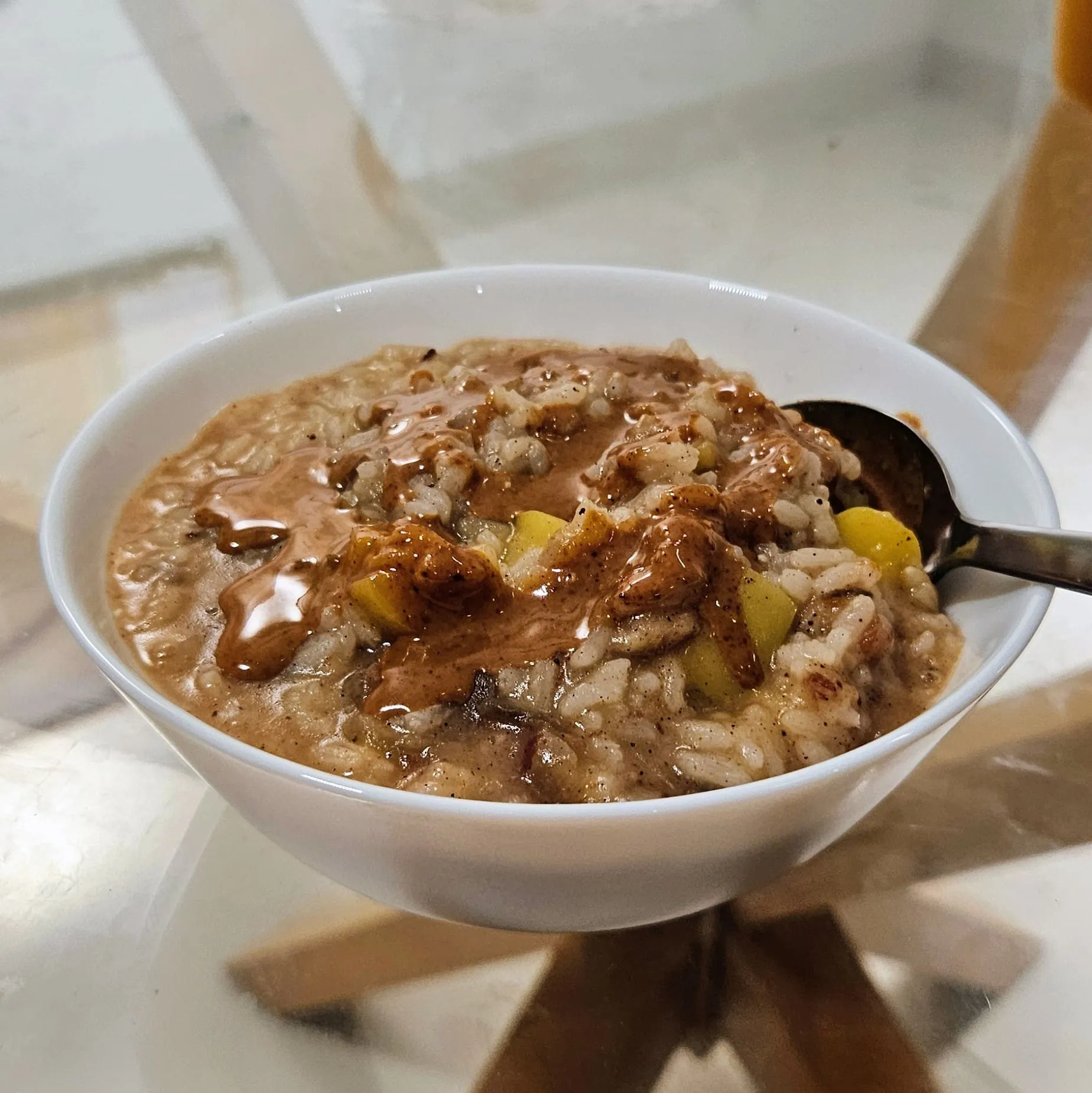
Will’s Apple & Date Rice Porridge
This breakfast has evolved from boiled rice and jam (horrible) to a tasty, nutrient-dense meal. Since Annie has a dairy allergy, we adapted the recipe to be non-dairy while trying to replicate the creamy, satisfying texture of rice pudding.
Ingredients
(Serves 2 hungry cyclists)
- 200g Rice (short grain is best)
- 2 Apples, chopped.
- 10 Dates, chopped.
- 2 Sugar cubes
- Cinnamon (to taste)
- 1 tbsp Dairy-free Margarine
- Amlou (for topping)
Method
- Rinse the rice, then combine with water (using roughly a 1:2 ratio) and bring to a boil.
- Chop up the apple and dates and add them to the rice mixture as it begins to boil.
- When the rice is almost cooked, add the sugar and cinnamon.
- Once cooked, with most liquid absorbed, stir in the margarine.
- Drizzle Amlou on top just before serving for added fat and flavour.
Survival Tip: The margarine sold in Morocco is often unrefrigerated and dairy-free, making it an excellent, reliable source of fat for your travel kitchen.
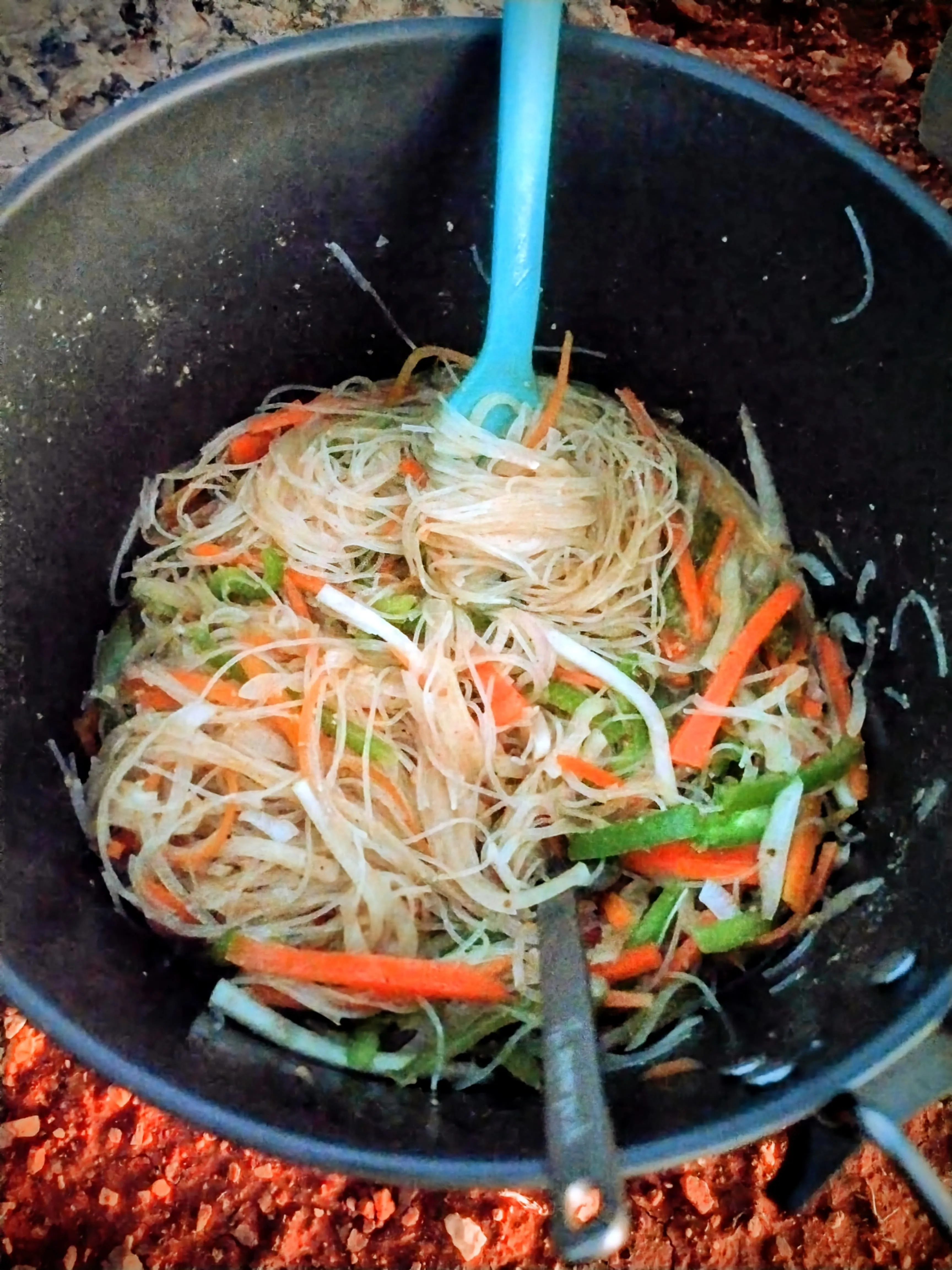
Quick Vermicelli Noodles
We like having a lighter, faster meal for dinner. This flexible dish often turns out to be one of the most flavourful we cook.
Ingredients
(Serves 2 hungry cyclists)
- 2 nests, Vermicelli noodles
- Your preferred vegetables, cut into fine strips (we typically put in carrot, pepper, onion and turnip)
- Stock cube (Knorr is GF)
- Powdered Seasoning (e.g. curry powder)
- Amlou (optional for a richer sauce)
- Optional additional flavourings (Chilli, Ginger, Peanuts, Hot Sauce)
Method
- Prep all vegetables (chop into fine strips).
- If using onion, until translucent, season with salt.
- Add longer cooking veg (carrot, turnip). If using fresh ginger/garlic, add it here.
- Add powdered seasoning. After 30 seconds, add water to cover the veg. Also, add the stock cube and any optional flavourings.
- Simmer with the lid on. With 5 minutes remaining, add your faster cooking veg (like pepper).
- Throw the noodles into the simmering stock. If using a smaller camping stove, break up the nests. Stir occasionally to prevent clumping. Cook until the liquid is absorbed (approx. 3 minutes).
Conclusions
Morocco is a country of vibrant intensity, deep tradition, and unmatched hospitality. For the gluten-free traveler, it certainly needs more planning, more communication, and more self-reliance. Our three months cycling from Nador to the Mauritanian border proved that while bread may be king, your health doesn’t have to be sacrificed to its reign.
The key to a successful, glutening-free journey is to treat your kitchen access as your lifeline, your allergy card as your most powerful tool, and the local markets as your treasure trove. You’ll leave Morocco with incredible memories, beautiful landscapes seared into your mind, and a deep appreciation for the safe, simple meals that sustained you.
It’s absolutely possible to travel well and safely in Morocco as a celiac; you just need to go in prepared and embrace the challenge. Pack your stove, print your translation cards, and enjoy the adventure - it’s worth the extra effort.
FAQs
No, nearly all Harira is thickened with flour and should be avoided. The risk of cross-contamination is too high.
With extreme caution. While the core ingredients are naturally GF, the risk of cross-contamination is high. Check out our dedicated post on Tagine.
Yes. While major cities have imported GF products, they are astronomically expensive (a small loaf can be £5 or more). If it works for your trip, we recommend bringing GF essentials that you like for emergencies, travel days, and a reliable breakfast.
Generally, yes. Authentic Moroccan spice blends, like ras el hanout, are made from pure ground spices. However, when buying pre-mixed spice cubes or packaged spice products, always check for wheat-based fillers or anti-caking agents that may contain gluten.
No, not reliably. Traditional Moroccan couscous is made from wheat semolina, so contains gluten. Only once did we find rice-based GF couscous.
Tags :
Share :
Related Posts
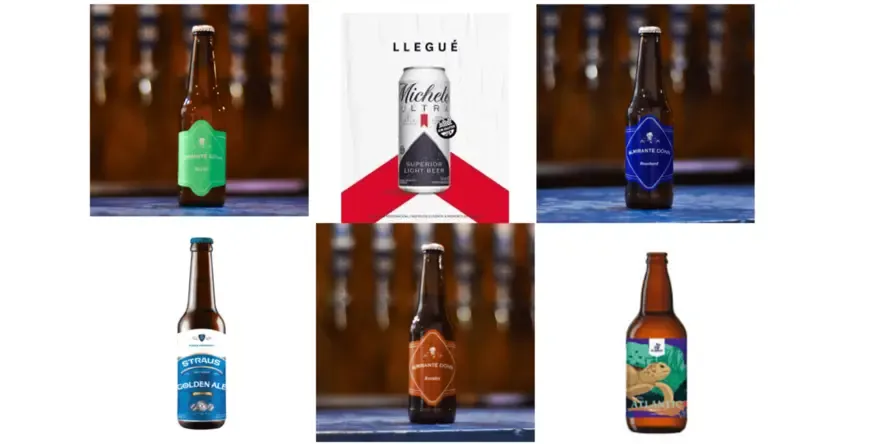
Gluten Free Beer in Argentina
Argentina has a unique and up-and-coming gluten free (GF) beer scene. Local laws have enabled 100% GF beers to emerge in the market, and in recent years it has become more available. In this article, I’ll cover what makes the Argentinian GF beer market so unique, where you can buy it, and which beer
read more
Argentina: A Gluten Free guide
Argentina is surprisingly on it with celiac disease. There is huge awareness of the condition, even in remote parts of the country, and gluten free essentials are widely available in the larger supermarket chains. With a small amount of consideration for which restaurants you visit, it is very feasi
read more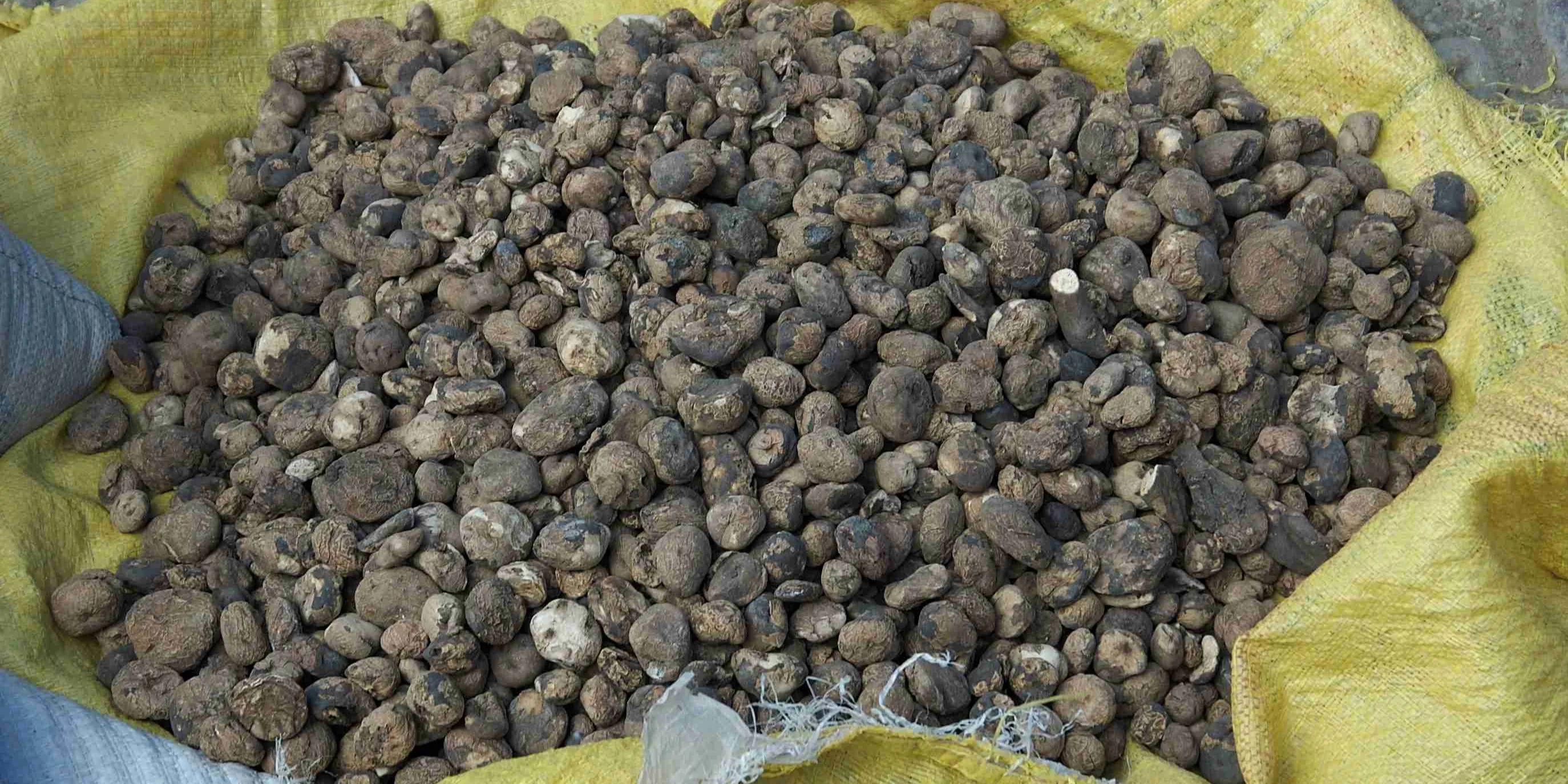
Are Chuños Gluten Free?
Chuños are freeze-dried potatoes, making them naturally gluten free. However, some of the Bolivian and Peruvian dishes they are traditionally used in do contain gluten. They’re a must-try if you’re visiting the region — a unique food item found almost nowhere else in the world.
read more
Bolivia: A Gluten Free Guide
Bolivia is one of the more challenging countries to travel through as a celiac. When eating out, there are naturally gluten free dishes, but the level of cross-contamination is high, and wheat flour finds its way to a surprising number of items. If cooking for yourself, naturally gluten free food is
read more
A Complete Guide to Gluten Free Bolivian Restaurant Dishes
Before visiting Bolivia, we did zero research into restaurant food and regretted it deeply. The menus were indecipherable, even with a working knowledge of Spanish. It was difficult to work out what each dish contained, never mind whether it was gluten free or not.
read more
Chile: A Gluten Free Guide
Chile is not the celiac paradise that Argentina is next door, there's no restaurant allergen law, rural options are slim, and staff awareness is inconsistent at best. That said, the Chilean diet leans naturally gluten free, Santiago has a growing dedicated GF scene, and if you're willing to live on
read more
Ecuador: A Gluten Free Guide
Ecuador's traditional diet leans heavily on corn, rice, cassava, and plantains, which makes it a surprisingly good destination for celiacs willing to eat simply. Celiac awareness is low and GF labelling is rare, but the naturally gluten free options, especially through markets and the menu del día,
read more
Is Quinoa Gluten Free?
Yes, quinoa is naturally gluten free. It contains no wheat, barley, or rye, and has been a staple food in the Andes for thousands of years. The catch, and there is one, is cross-contamination. Quinoa is often grown, harvested, and processed alongside gluten-containing grains, which means unlabelled
read more
Mauritania: A Gluten Free Guide
- Mauritania
- Travel
- 22 Mar, 2026
Mauritania is not an easy destination for celiacs. Awareness of gluten and celiac disease is effectively zero, and outside Nouakchott you won't find a single dedicated GF product. That said, the country's cuisine is rice- and meat-heavy enough that eating naturally gluten free is possible — especial
read more
Peru: A Gluten Free Guide
Peru is not a country that has caught up with celiac disease. When I was there in 2019, GF labelling was essentially non-existent outside Lima, and restaurant staff in rural areas were more likely to be baffled by the question than helpful. That said, Peru's traditional Andean diet is built on potat
read more
Cusco: A Gluten Free City Guide
Cusco is the most celiac-friendly city in Peru outside Lima, which is not a particularly high bar to clear. That said, the tourist centre has a decent cluster of restaurants that understand the question, mark GF options on their menus, and won't look at you blankly when you mention gluten. The menú
read more
A Gluten Free Guide to Poland
Poland surprised me, but then again, much of Eastern Europe has far surpassed my expectations as a celiac. In the cities and in supermarkets, you're in genuinely good hands: plentiful free-from aisles, strict EU labelling laws, a dedicated certification symbol, and a growing network of certified glu
read more
Gluten Free in Romania
Romania is a country of two speeds for celiacs: Bucharest has a genuinely improving GF scene with certified bakeries and dedicated menus, while rural areas still run almost entirely on wheat. Supermarkets in bigger towns will keep you fed either way.
read more
Senegal: A Gluten Free Guide
Senegal is a manageable country for celiacs, largely because so much of the traditional food is naturally gluten free. Thieboudienne and mafé are safe, filling, cheap, and available everywhere. Supermarkets stock no gluten free substitutes to speak of, so if you rely on GF bread or pasta, you'll nee
read more
Is Mafe Gluten Free?
Mafe is usually gluten free. It's a rich peanut stew made with meat, tomatoes, and vegetables, with no wheat in the traditional recipe. That said, some cooks thicken it with wheat flour, so it's not one you can order blindly without checking.
read more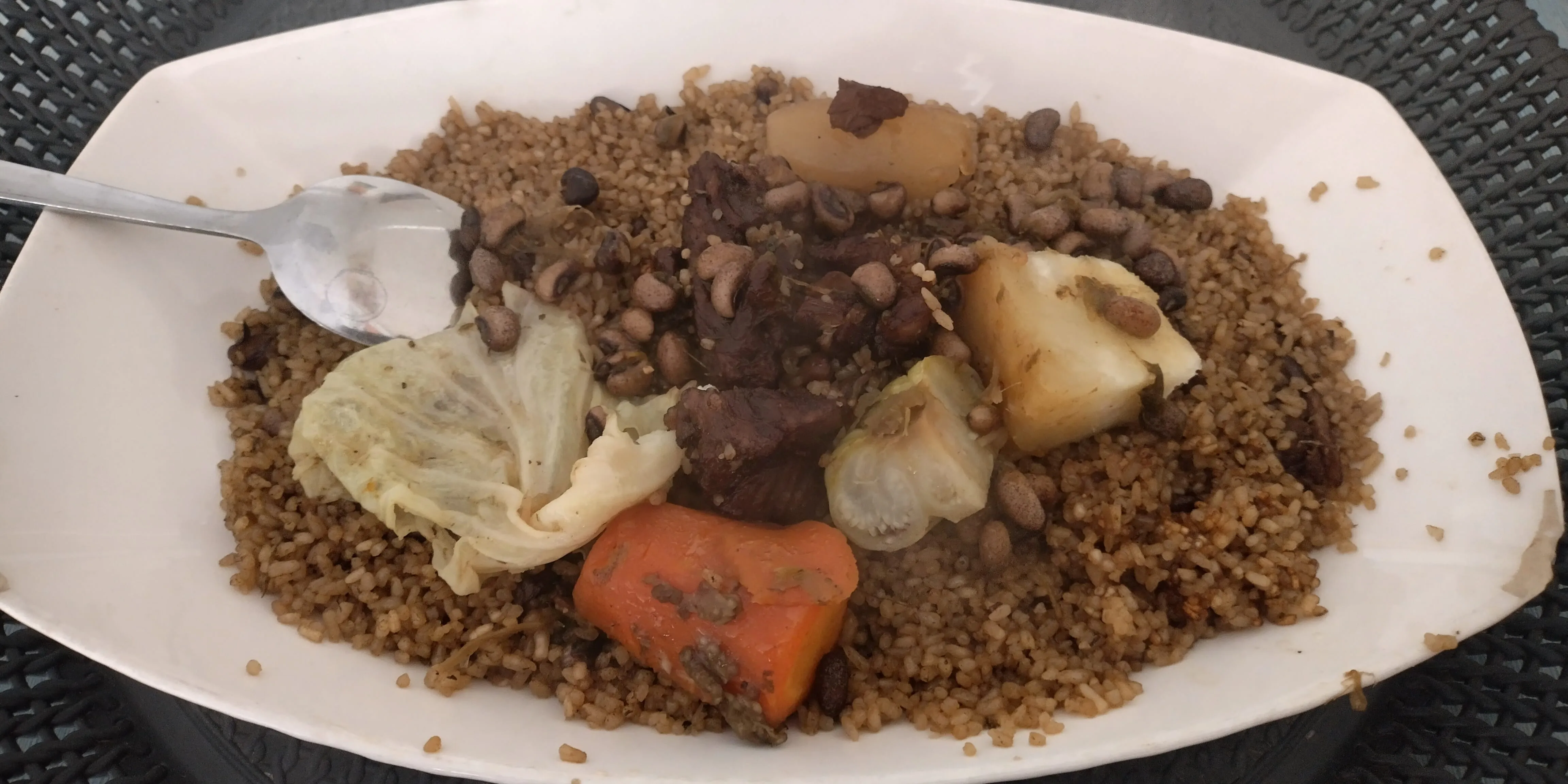
Is Thieboudienne Gluten Free?
Thieboudienne is naturally gluten free, made from rice, fish, tomatoes, and vegetables. The one caveat is the stock cube used in its preparation, which is worth checking, but the main Senegalese brands are GF.
read more
Gluten Free in Mississippi
Mississippi is a mixed bag for celiacs. Chains and Walmart have your back, but local diners and Southern classics are a minefield of shared fryers and flour-dusted everything. Here's what I learned over two months of work trips.
read more
South India: A Gluten Free Guide
India is a beautiful, diverse country with rich food traditions. The South, in particular, is an excellent destination for gluten-free travellers thanks to its reliance on rice, lentils, coconut, vegetables, and spices. This guide focuses on South India, where we spent three weeks exploring, eating
read more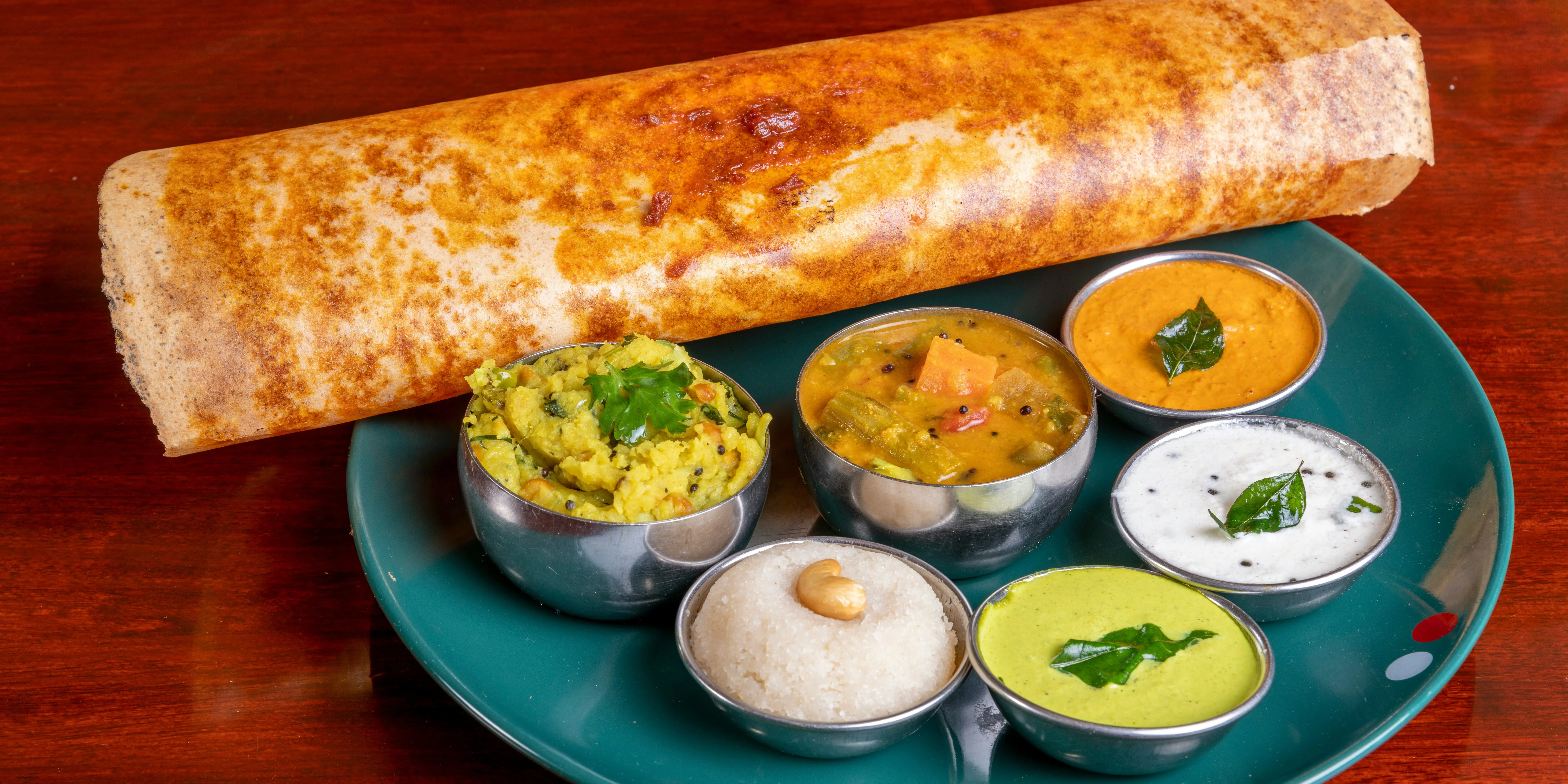
Is Dosa Gluten Free?
Dosa is naturally gluten free, made from a fermented batter of rice and lentils. Most varieties are safe for celiacs, though a handful of dishes served alongside dosa are worth watching out for.
read more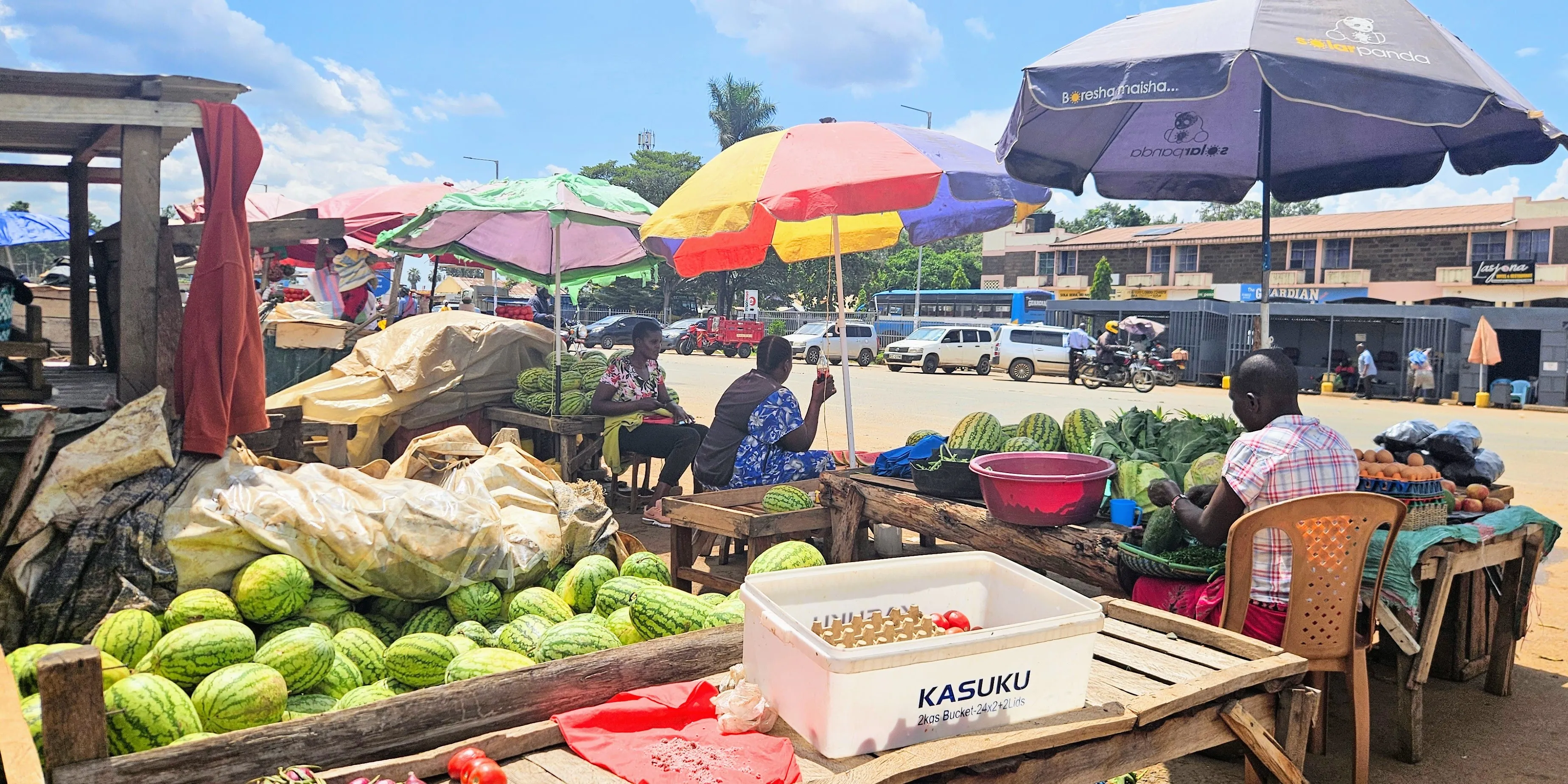
Kenya: A Gluten Free Guide
Kenya is a brilliant country to travel through as a celiac. celiac awareness is virtually zero, but the traditional diet is naturally gluten free, fresh food is abundant, and self-catering is easy and enjoyable.
read more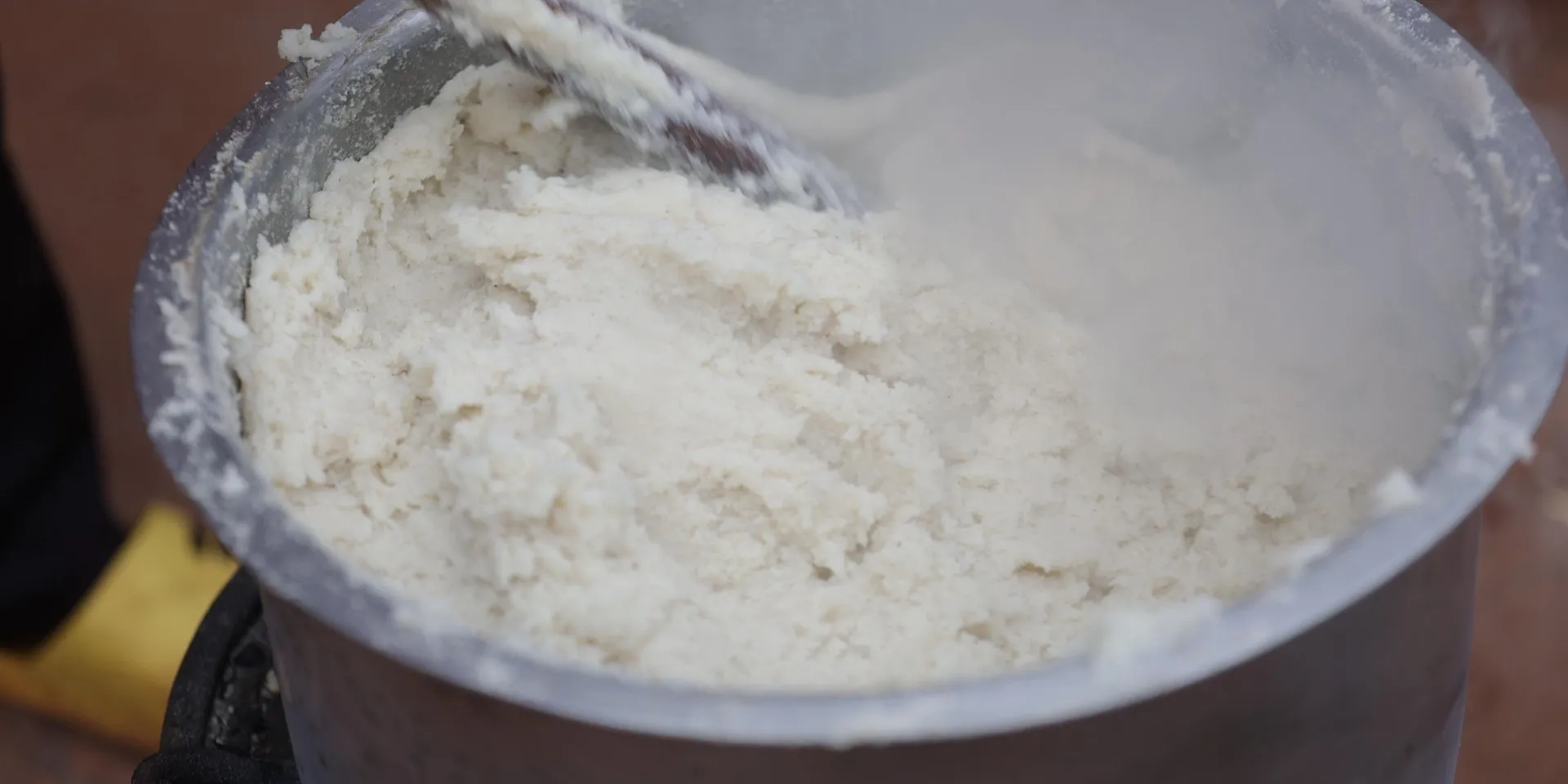
Is Ugali Gluten Free?
Ugali is Kenya's staple food, eaten by the vast majority of the population at least once a day. It is made from maize flour and water, which makes it naturally gluten free. Here's what a celiac needs to know about eating it safely in Kenya.
read more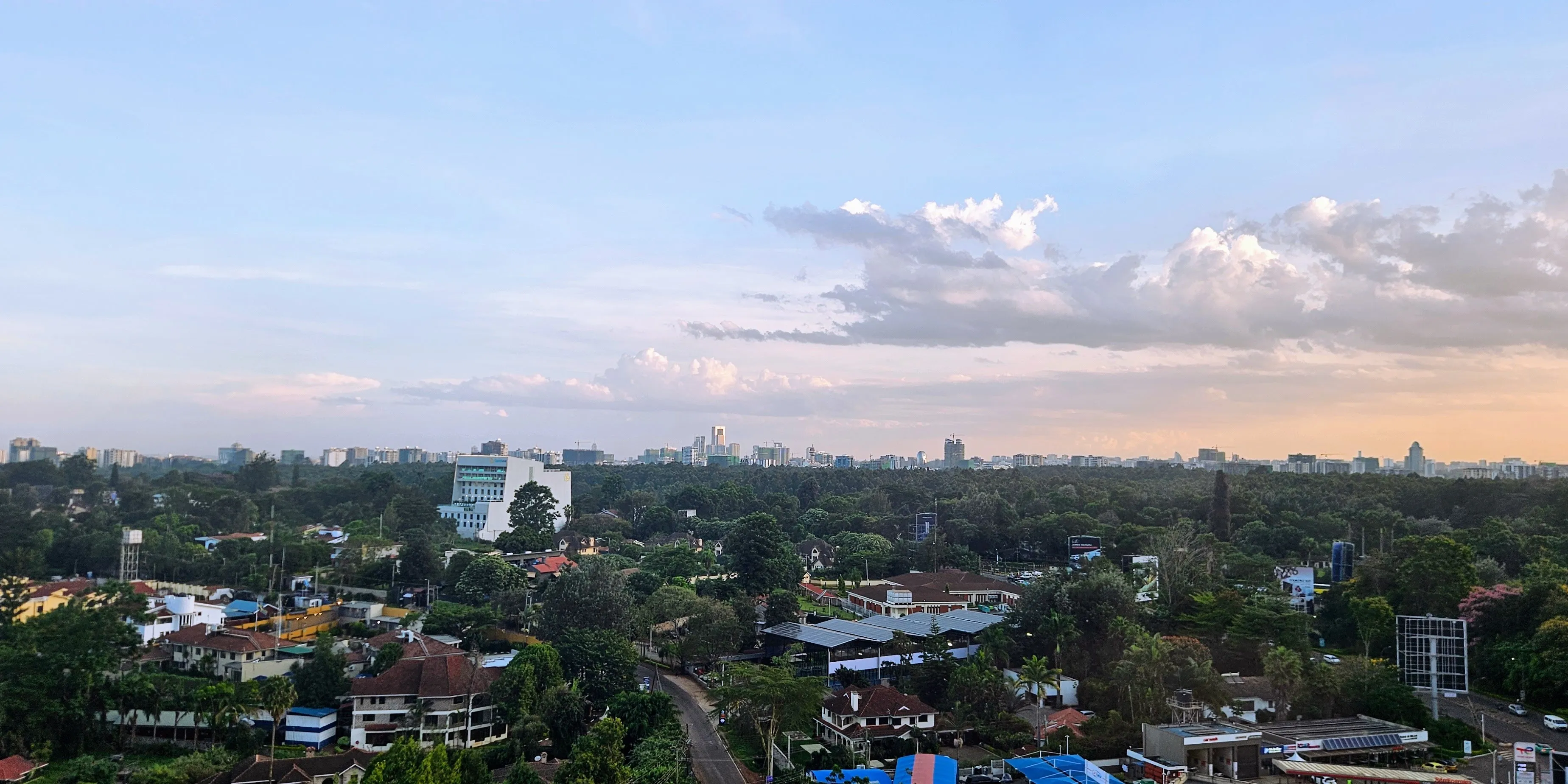
Nairobi: A Gluten Free Guide
Nairobi is a great city to visit as a celiac. Celiac awareness is low, but the food scene is excellent, self-catering is easy, and the traditional Kenyan diet is naturally gluten free friendly. Here is what we learned after nearly a month in the city.
read more
Spain: A Gluten Free Guide
Ahhh Spain, lovely Spain. The weather’s (mostly) good, landscapes varied, and gluten free food is abundant. Celiac disease is well known, and there are some good government and third-party resources to help with eating out gluten free. With a bit of care, you can easily travel in Spain and successfu
read more