Is Ugali Gluten Free?
Yes, ugali is naturally gluten free. It is made from maize flour and water, both of which contain no gluten. As a celiac who has eaten ugali regularly in Kenya, at home, in restaurants and at roadside stalls, I have never had a reaction. It is one of the safest and most filling foods you can eat in the country, and mercifully it is available absolutely everywhere.
What Is Ugali?
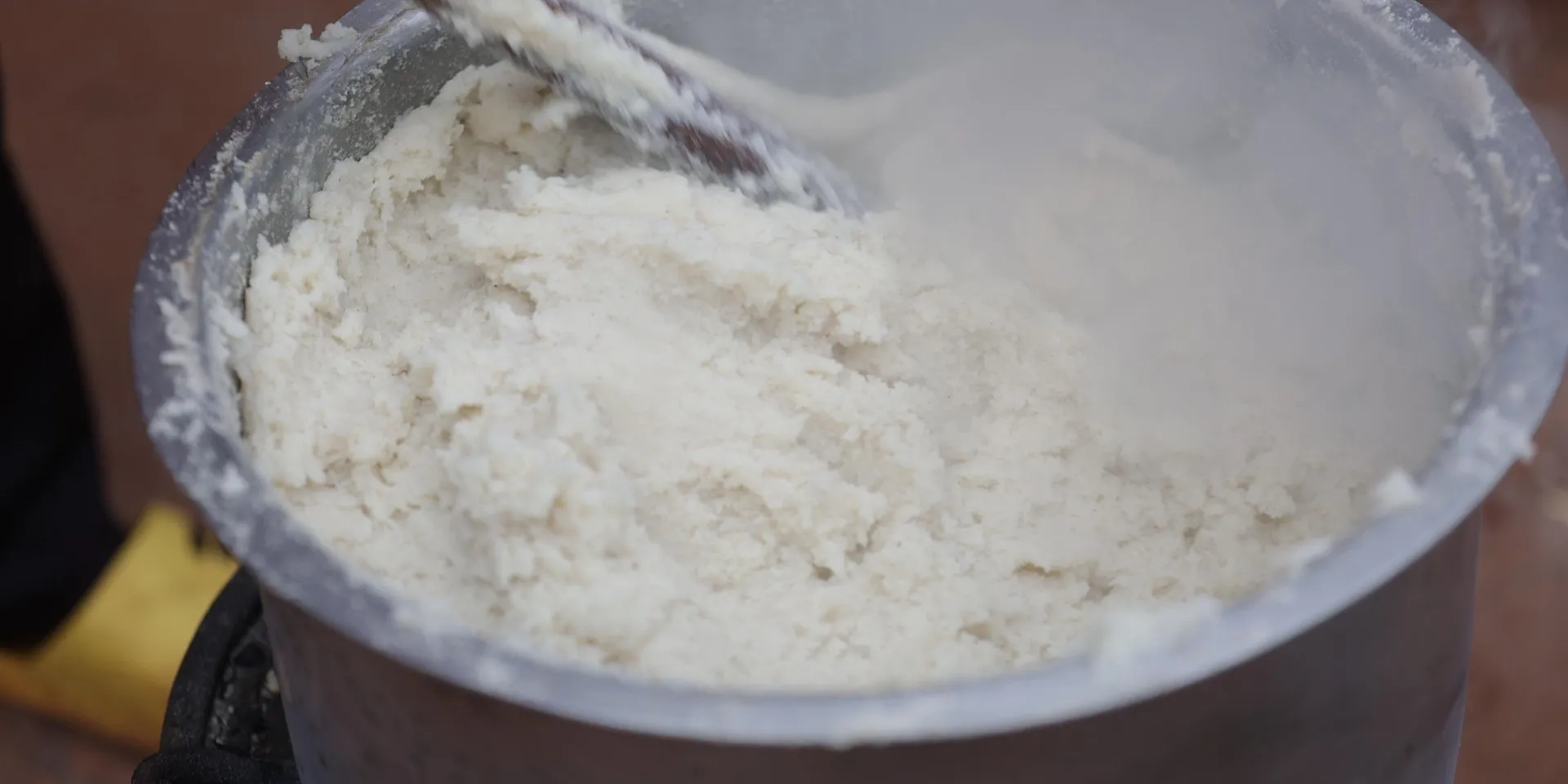
Ugali is Kenya’s staple food, eaten by an estimated 78% of the population and present at most meals in most households. It is a thick, dense porridge made by stirring maize flour (unga wa ugali) into boiling water until it forms a firm, dough-like mass that holds its shape when scooped. The texture sits somewhere between polenta and play dough, which sounds less appealing than it actually is.
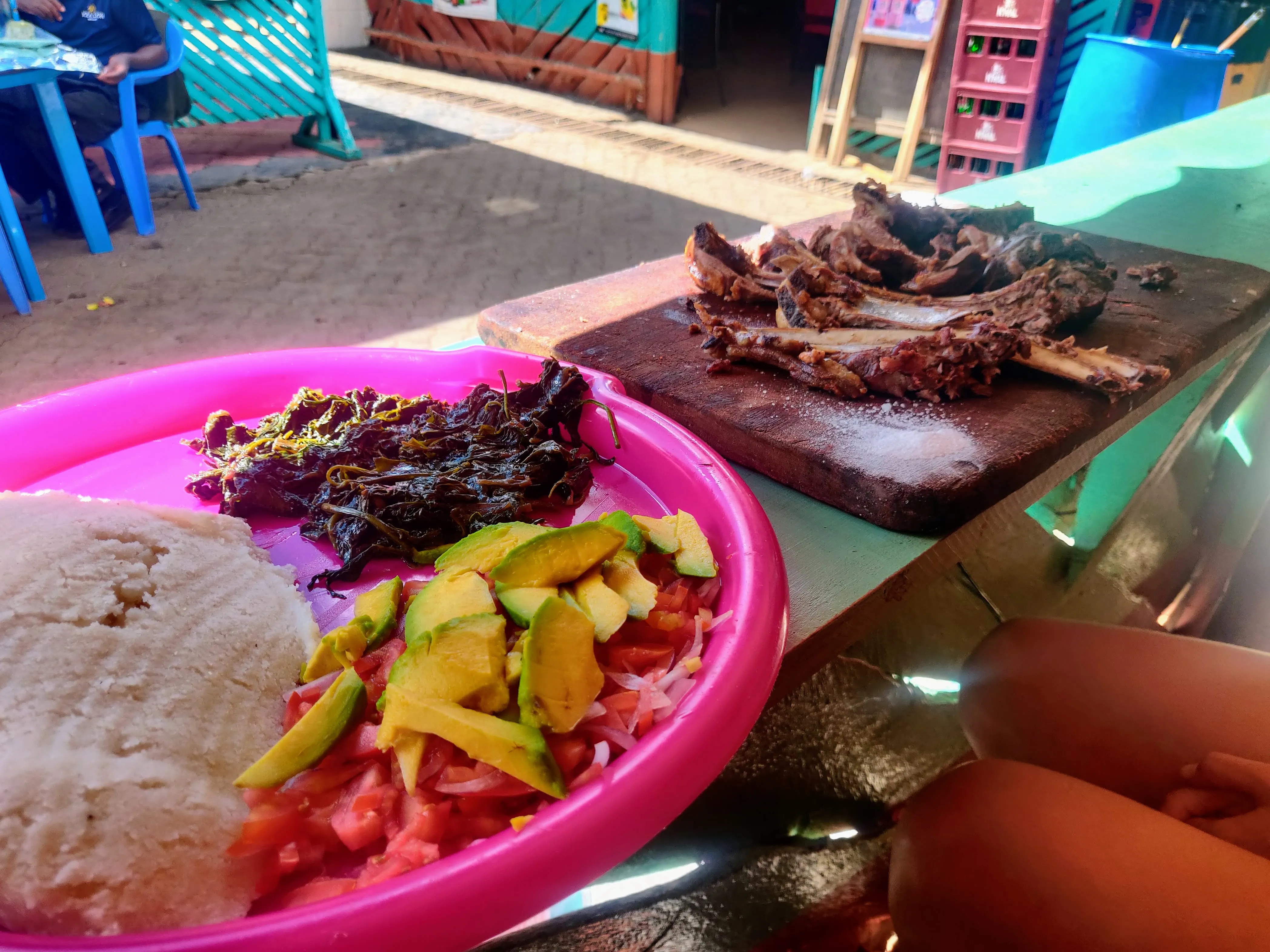
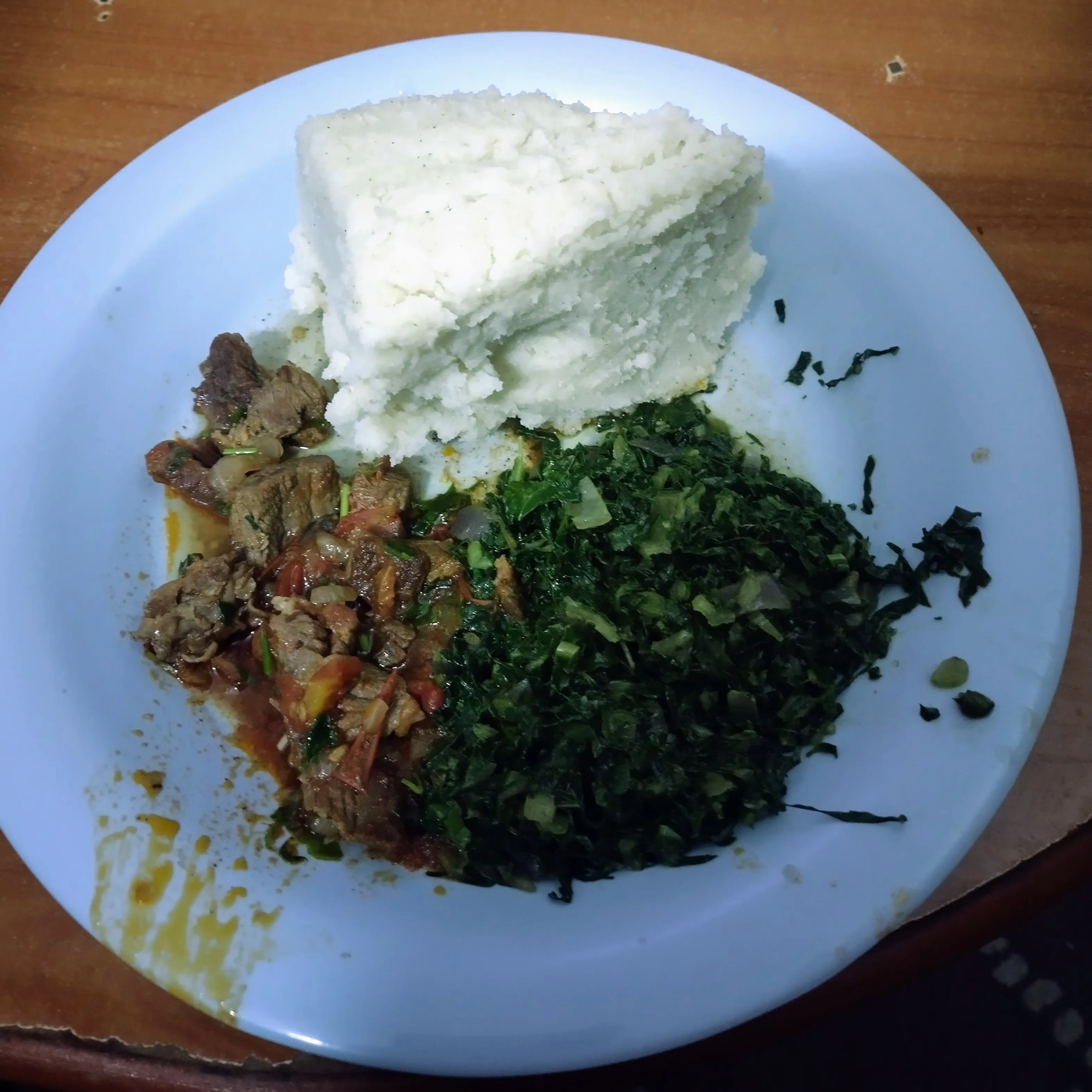
It is not eaten alone. Ugali is always served alongside something: sukuma wiki (sautéed collard greens), nyama choma (grilled meat), fish, bean stew, kachumbari (a tomato and onion salad) or whatever else is going. It serves as both the carbohydrate component of the meal and, traditionally, the utensil — you pull off a small piece, press a hollow into it with your thumb, and use it to scoop up stew or vegetables. No cutlery required.
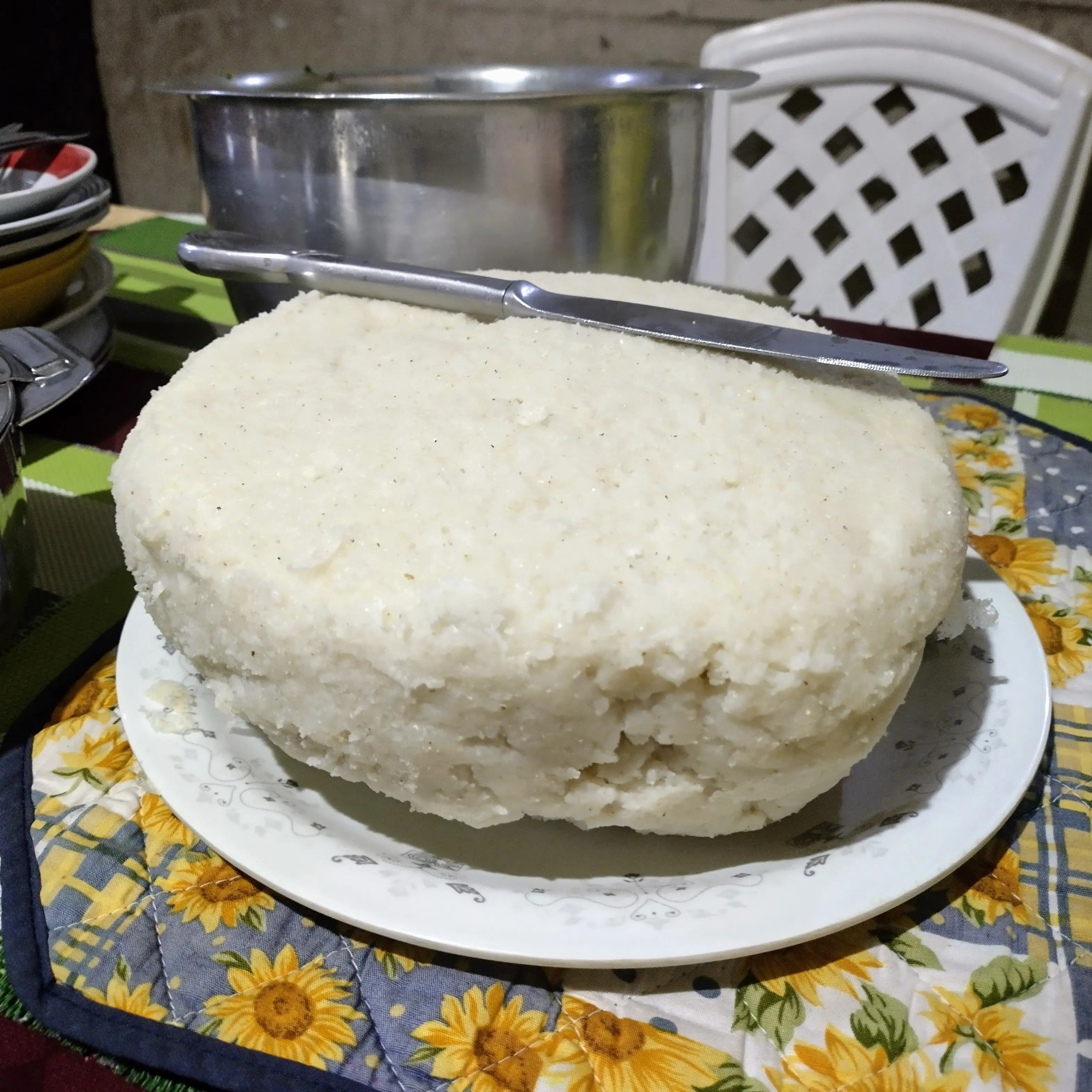
The communal serving style is one of the things I genuinely like about it. A large mound arrives in the middle of the table and everyone tears pieces from it. It is unpretentious, practical and oddly satisfying. I’ll admit the first few times I encountered it I wasn’t entirely sure what I was looking at — some kind of large white blob occupying the centre of the table, apparently the main event. It grew on me quickly.
I have had ugali fresh from a farm where I was volunteering, made from maize that had been milled the same day. That version was noticeably different from the packaged supermarket flour variety: firmer, slightly coarser, with more flavour. The refined packaged ugali is softer and more uniform. Both are good but natutally, the fresh-milled version is better.
Is Ugali Gluten Free?
Yes. The two ingredients are maize flour and water. Maize contains no gluten. The dish is also sugar free and fat free in its traditional preparation, though some people add a knob of butter or margarine at the end.
The one caveat, as with any naturally GF product, is cross-contamination during milling. The major Kenyan maize flour brands are dedicated maize millers rather than mixed-grain processors, which reduces this risk compared to, say, oats milled in a shared facility. That said, none of the mainstream brands carry a certified GF label. For most celiacs this is not a problem in practice, but if you are highly sensitive it is worth being aware of.
I ate ugali most days for three months and never once reacted.
What About Other Types of Ugali?
Maize ugali is the standard, but other grains are also used:
| Type | Flour Used | GF Status |
|---|---|---|
| White ugali (standard) | White maize flour | ✅ Naturally GF |
| Yellow ugali | Yellow maize flour | ✅ Naturally GF |
| Wimbi ugali | Sorghum or finger millet flour | ✅ Naturally GF |
| Cassava ugali | Cassava flour | ✅ Naturally GF |
| Mixed ugali (unga wa dhahabu) | Maize and sorghum blend | ✅ Naturally GF |
| Ugali with wheat added | Some commercial blends | ❌ Not GF — check the label |
The last row is worth noting. A small number of commercial ugali flour blends add wheat for texture or cost reasons. This is not common, but it is worth reading the ingredients on any packaged flour before buying. In a restaurant or at a market stall, standard ugali will almost always be plain maize flour. If you are in any doubt, asking “ni unga wa mahindi?” (is it maize flour?) will usually settle it.
Ugali Flour Brands in Kenya
These are the brands you are most likely to see in Kenyan supermarkets and shops:
| Brand | Notes |
|---|---|
| Jogoo | The most widely recognised brand, produced by Unga Group. Pure maize flour. Widely available across Kenya. |
| Dola | Currently the most popular brand in Kenya by volume. Consistent quality, good availability. Pure maize flour. |
| Taifa | Considered high quality for the price. Pure maize flour. Slightly less widely available than Dola. |
| Soko | Long-established brand. Also produces a whole grain version (Nutrigo) and a sorghum/millet porridge flour. |
| Pembe | A well-known Nairobi brand, less widely available than it used to be. Pure maize flour. |
None of these carry a certified GF label, but all are pure maize flour products with no wheat in the ingredients. If you are buying packaged flour, check the label as a matter of habit. If the ingredients say “unga wa mahindi” (maize flour) and nothing else, you are fine.
What Is Ugali Eaten With?
This is where things get slightly more complicated for a celiac, not because ugali is the problem but because the accompaniments vary. A brief guide:
| Accompaniment | Description | GF Status |
|---|---|---|
| Sukuma wiki | Sautéed collard greens with onion and tomato | ✅ Naturally GF |
| Nyama choma | Grilled or roasted meat | ✅ Naturally GF |
| Kachumbari | Fresh tomato, onion and chilli salad | ✅ Naturally GF |
| Samaki (fish) | Grilled or fried — check it’s not battered | ✅ / ⚠️ Depends on preparation |
| Bean stew (maharagwe) | Stewed beans with tomato and onion | ✅ Usually GF — check no wheat flour added |
| Beef or chicken stew | Varies by restaurant — some use wheat flour to thicken | ⚠️ Ask about thickening agents |
| Githeri | Maize and bean stew — naturally GF | ✅ Naturally GF |
The stew is the thing to check. A home-cooked stew in Kenya is almost always thickened with tomatoes and onions rather than flour. A restaurant stew is less predictable. Worth asking, or watching what goes into it if the kitchen is visible.
Making Ugali at Home
If you want to make it yourself, either in Kenya or back home, the recipe is about as simple as it gets: maize flour and boiling water, stirred vigorously until firm. The ratio is roughly one part flour to two parts water, adjusted depending on how firm you want it. Traditional ugali is firm enough to hold its shape and be eaten by hand. A softer version, closer to polenta, is also possible.
For an authentic result, look for finely milled white maize flour. In the UK and Europe, this is sometimes sold as “unga” in African food shops, or you can use fine white cornmeal as a substitute, though the texture will be slightly different.
For the full guide to eating gluten free in Kenya, including restaurants, supermarkets and celiac awareness, see the Kenya country guide.
Tags :
Share :
Related Posts

Gluten Free Beer in Argentina
Argentina has a unique and up-and-coming gluten free (GF) beer scene. Local laws have enabled 100% GF beers to emerge in the market, and in recent years it has become more available. In this article, I’ll cover what makes the Argentinian GF beer market so unique, where you can buy it, and which beer
read more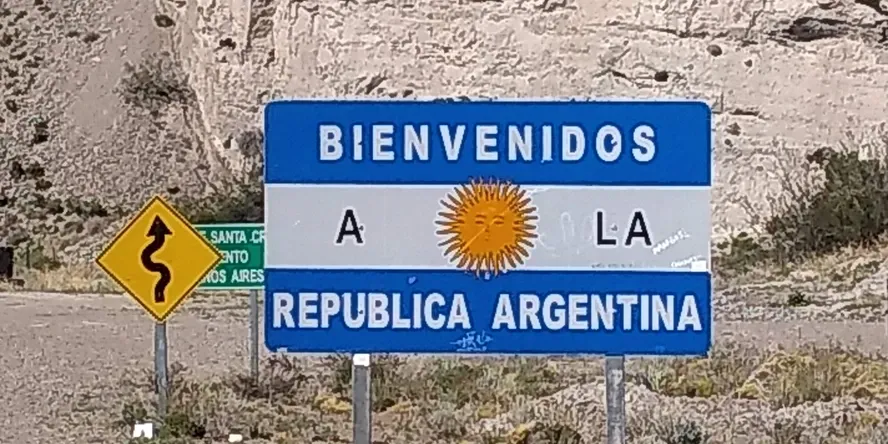
Argentina: A Gluten Free guide
Argentina is surprisingly on it with celiac disease. There is huge awareness of the condition, even in remote parts of the country, and gluten free essentials are widely available in the larger supermarket chains. With a small amount of consideration for which restaurants you visit, it is very feasi
read more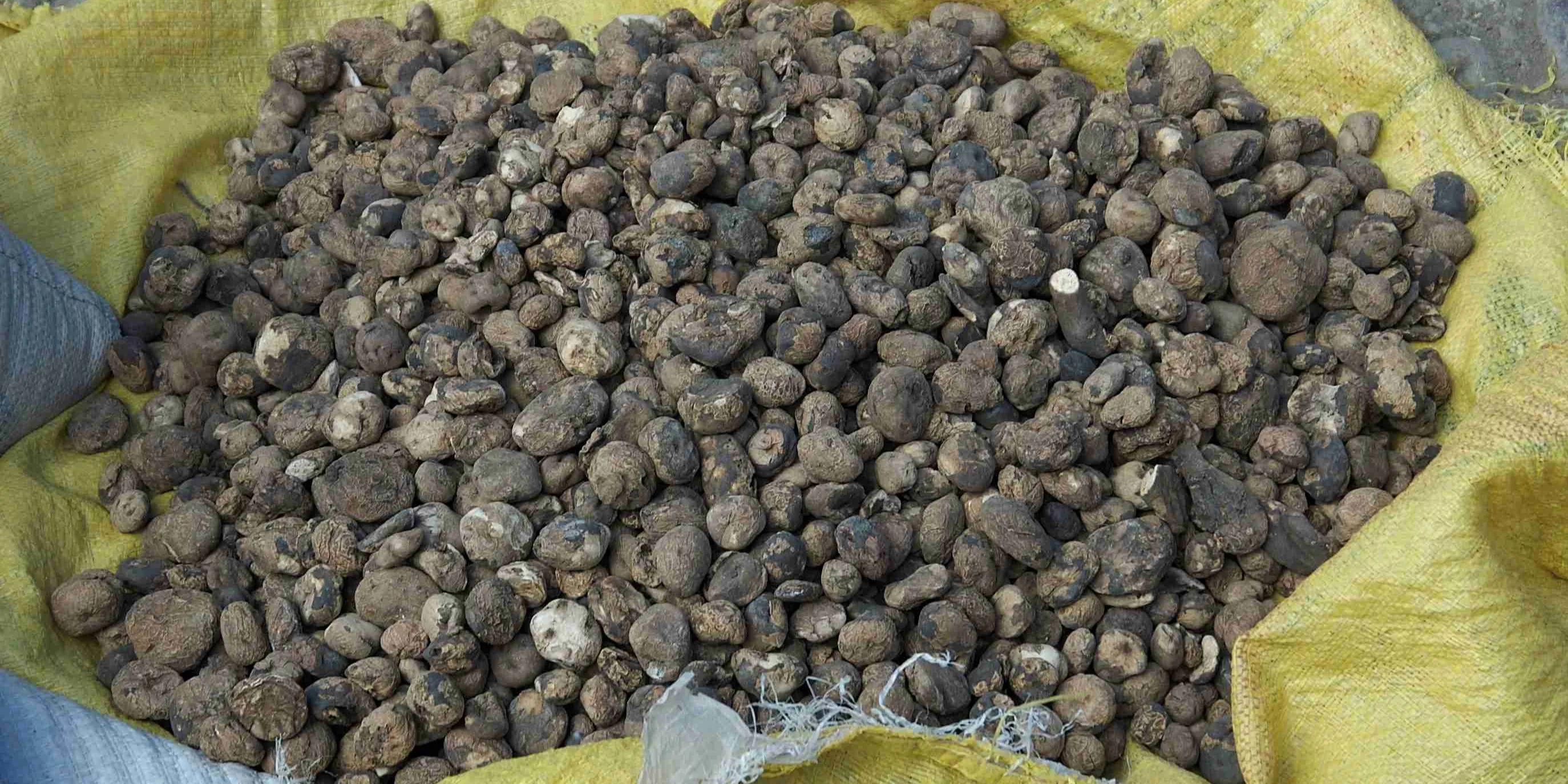
Are Chuños Gluten Free?
Chuños are freeze-dried potatoes, making them naturally gluten free. However, some of the Bolivian and Peruvian dishes they are traditionally used in do contain gluten. They’re a must-try if you’re visiting the region — a unique food item found almost nowhere else in the world.
read more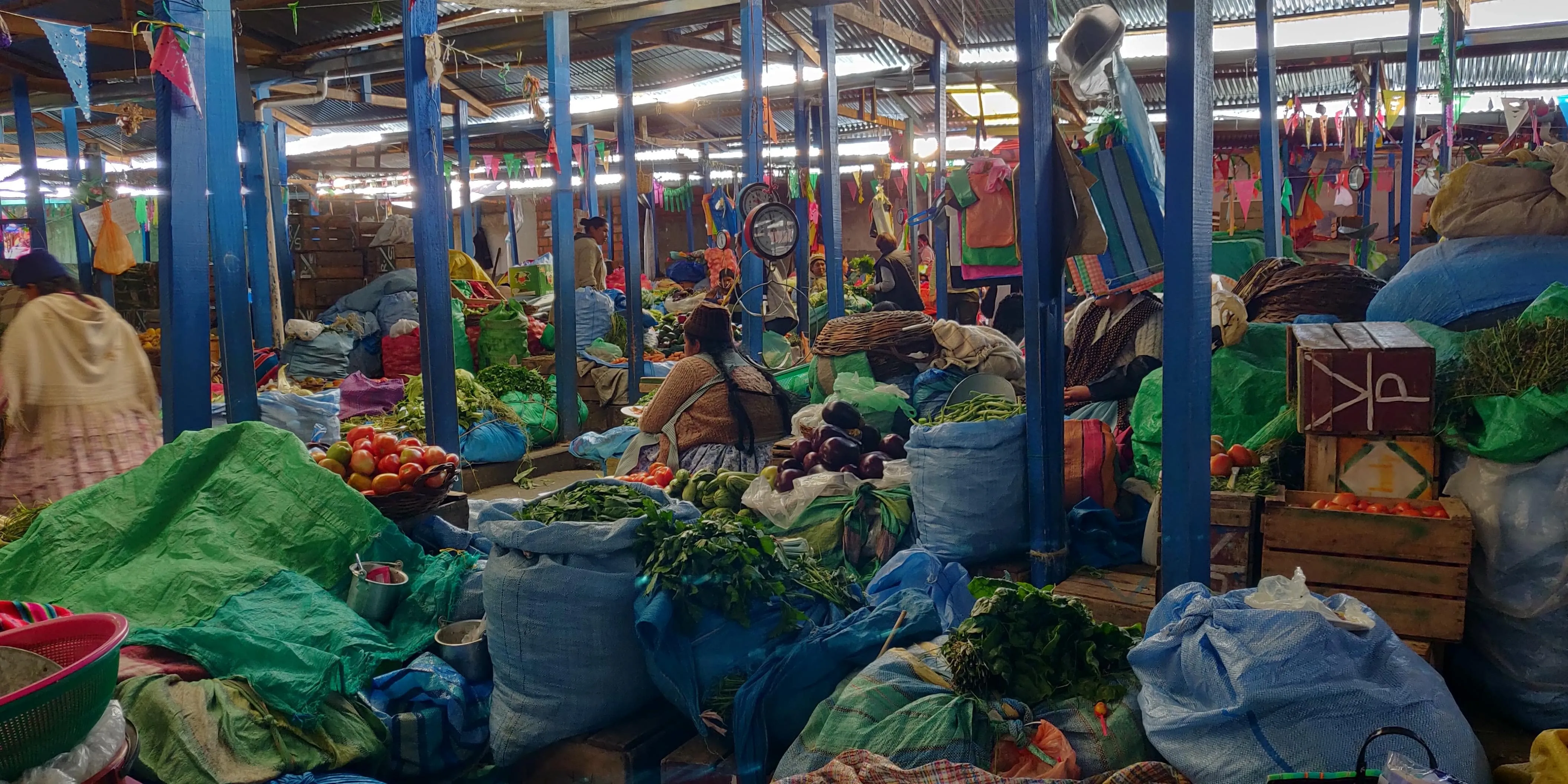
Bolivia: A Gluten Free Guide
Bolivia is one of the more challenging countries to travel through as a celiac. When eating out, there are naturally gluten free dishes, but the level of cross-contamination is high, and wheat flour finds its way to a surprising number of items. If cooking for yourself, naturally gluten free food is
read more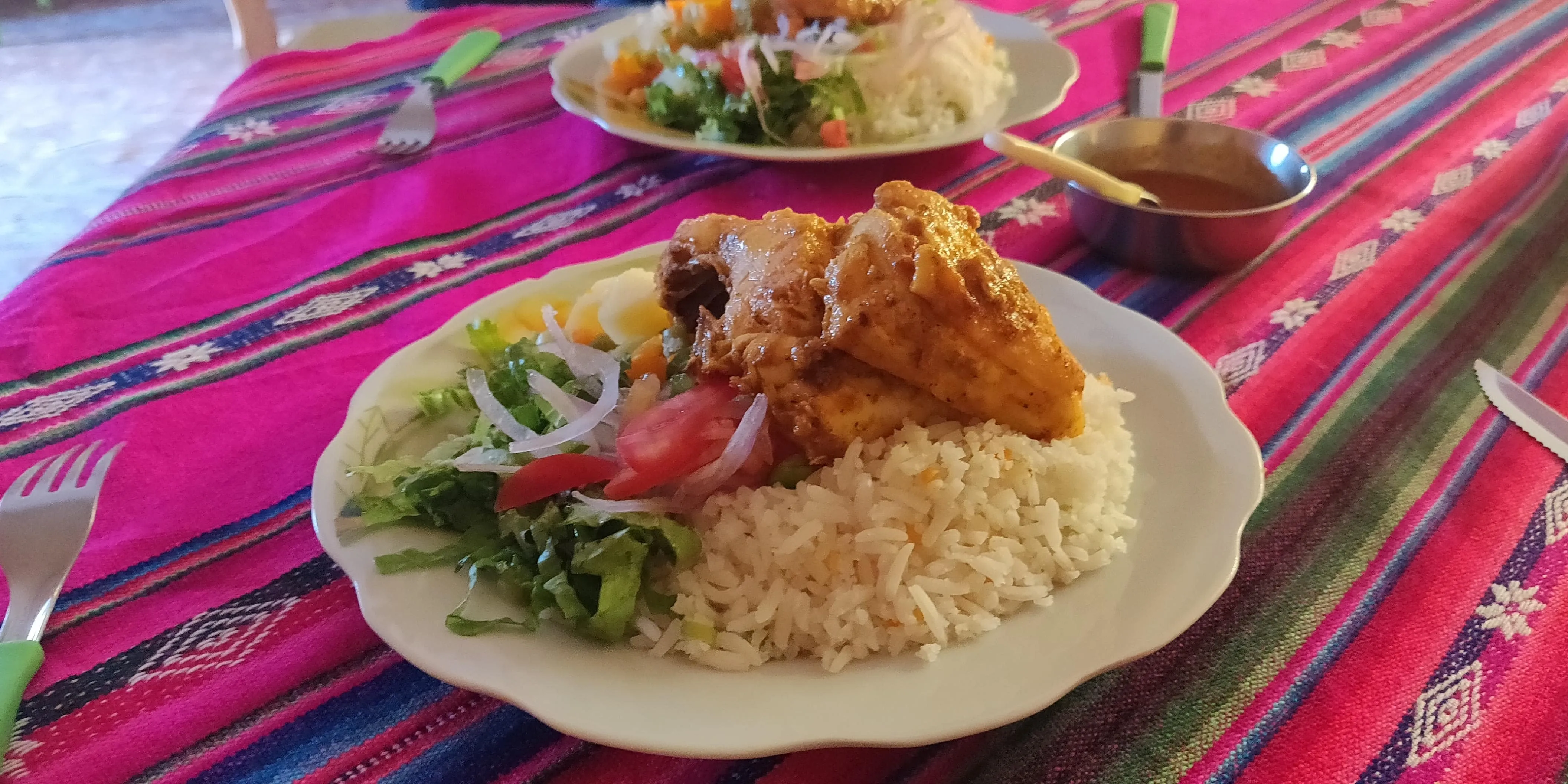
A Complete Guide to Gluten Free Bolivian Restaurant Dishes
Before visiting Bolivia, we did zero research into restaurant food and regretted it deeply. The menus were indecipherable, even with a working knowledge of Spanish. It was difficult to work out what each dish contained, never mind whether it was gluten free or not.
read more
Chile: A Gluten Free Guide
Chile is not the celiac paradise that Argentina is next door, there's no restaurant allergen law, rural options are slim, and staff awareness is inconsistent at best. That said, the Chilean diet leans naturally gluten free, Santiago has a growing dedicated GF scene, and if you're willing to live on
read more
Ecuador: A Gluten Free Guide
Ecuador's traditional diet leans heavily on corn, rice, cassava, and plantains, which makes it a surprisingly good destination for celiacs willing to eat simply. Celiac awareness is low and GF labelling is rare, but the naturally gluten free options, especially through markets and the menu del día,
read more
Is Quinoa Gluten Free?
Yes, quinoa is naturally gluten free. It contains no wheat, barley, or rye, and has been a staple food in the Andes for thousands of years. The catch, and there is one, is cross-contamination. Quinoa is often grown, harvested, and processed alongside gluten-containing grains, which means unlabelled
read more
Mauritania: A Gluten Free Guide
- Mauritania
- Travel
- 22 Mar, 2026
Mauritania is not an easy destination for celiacs. Awareness of gluten and celiac disease is effectively zero, and outside Nouakchott you won't find a single dedicated GF product. That said, the country's cuisine is rice- and meat-heavy enough that eating naturally gluten free is possible — especial
read more
Morocco: A Gluten Free Guide
Morocco is a brilliant place to travel; it has a vibrant culture, interesting landscapes and lovely people. Cycling for 3 months through Morocco taught us that this fantastic country is also one of the toughest for gluten-free travellers. This guide breaks down exactly what food is available off the
read more
Peru: A Gluten Free Guide
Peru is not a country that has caught up with celiac disease. When I was there in 2019, GF labelling was essentially non-existent outside Lima, and restaurant staff in rural areas were more likely to be baffled by the question than helpful. That said, Peru's traditional Andean diet is built on potat
read more
Cusco: A Gluten Free City Guide
Cusco is the most celiac-friendly city in Peru outside Lima, which is not a particularly high bar to clear. That said, the tourist centre has a decent cluster of restaurants that understand the question, mark GF options on their menus, and won't look at you blankly when you mention gluten. The menú
read more
A Gluten Free Guide to Poland
Poland surprised me, but then again, much of Eastern Europe has far surpassed my expectations as a celiac. In the cities and in supermarkets, you're in genuinely good hands: plentiful free-from aisles, strict EU labelling laws, a dedicated certification symbol, and a growing network of certified glu
read more
Gluten Free in Romania
Romania is a country of two speeds for celiacs: Bucharest has a genuinely improving GF scene with certified bakeries and dedicated menus, while rural areas still run almost entirely on wheat. Supermarkets in bigger towns will keep you fed either way.
read more
Senegal: A Gluten Free Guide
Senegal is a manageable country for celiacs, largely because so much of the traditional food is naturally gluten free. Thieboudienne and mafé are safe, filling, cheap, and available everywhere. Supermarkets stock no gluten free substitutes to speak of, so if you rely on GF bread or pasta, you'll nee
read more
Is Mafe Gluten Free?
Mafe is usually gluten free. It's a rich peanut stew made with meat, tomatoes, and vegetables, with no wheat in the traditional recipe. That said, some cooks thicken it with wheat flour, so it's not one you can order blindly without checking.
read more
Is Thieboudienne Gluten Free?
Thieboudienne is naturally gluten free, made from rice, fish, tomatoes, and vegetables. The one caveat is the stock cube used in its preparation, which is worth checking, but the main Senegalese brands are GF.
read more
Gluten Free in Mississippi
Mississippi is a mixed bag for celiacs. Chains and Walmart have your back, but local diners and Southern classics are a minefield of shared fryers and flour-dusted everything. Here's what I learned over two months of work trips.
read more
South India: A Gluten Free Guide
India is a beautiful, diverse country with rich food traditions. The South, in particular, is an excellent destination for gluten-free travellers thanks to its reliance on rice, lentils, coconut, vegetables, and spices. This guide focuses on South India, where we spent three weeks exploring, eating
read more
Is Dosa Gluten Free?
Dosa is naturally gluten free, made from a fermented batter of rice and lentils. Most varieties are safe for celiacs, though a handful of dishes served alongside dosa are worth watching out for.
read more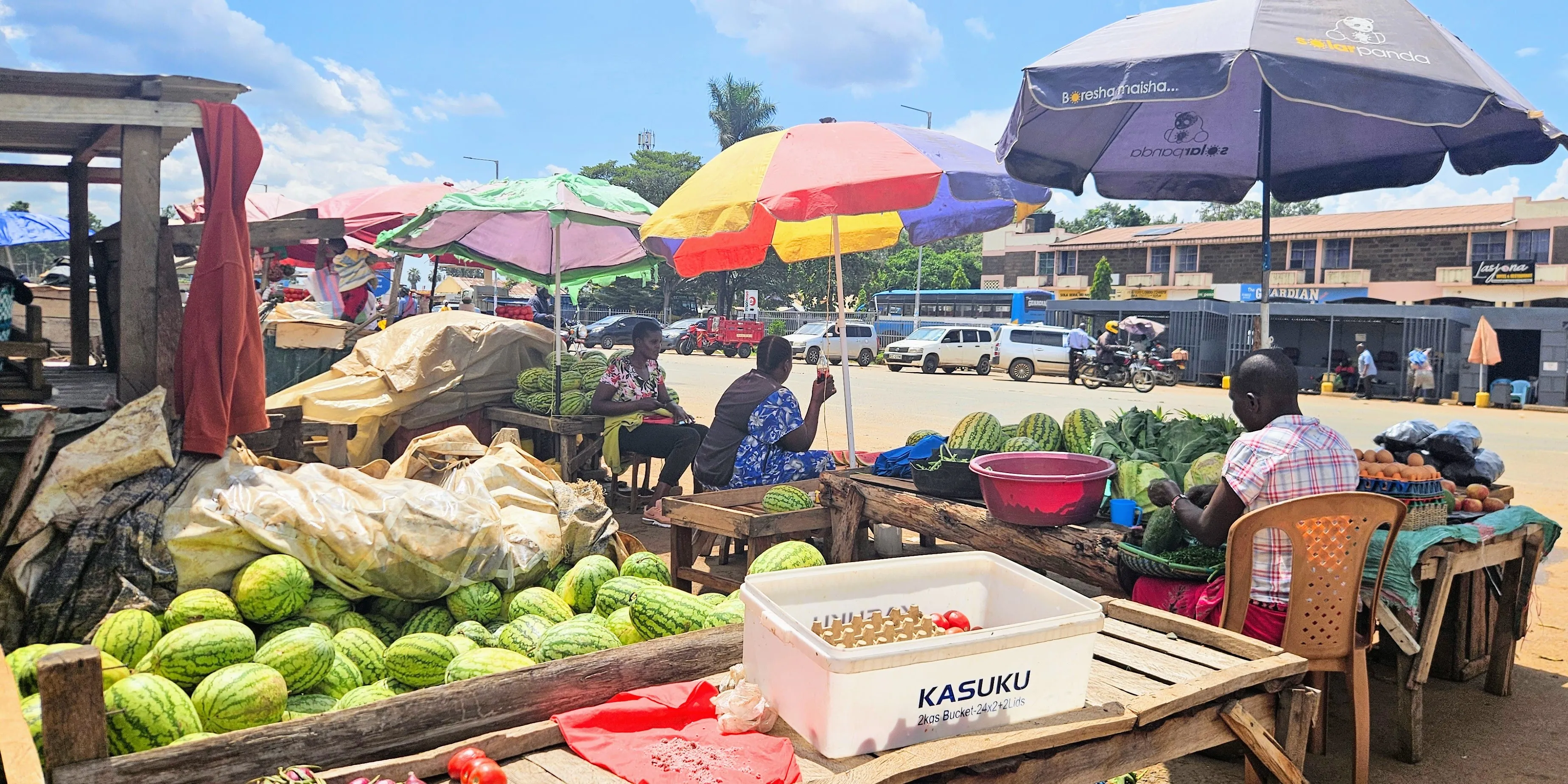
Kenya: A Gluten Free Guide
Kenya is a brilliant country to travel through as a celiac. celiac awareness is virtually zero, but the traditional diet is naturally gluten free, fresh food is abundant, and self-catering is easy and enjoyable.
read more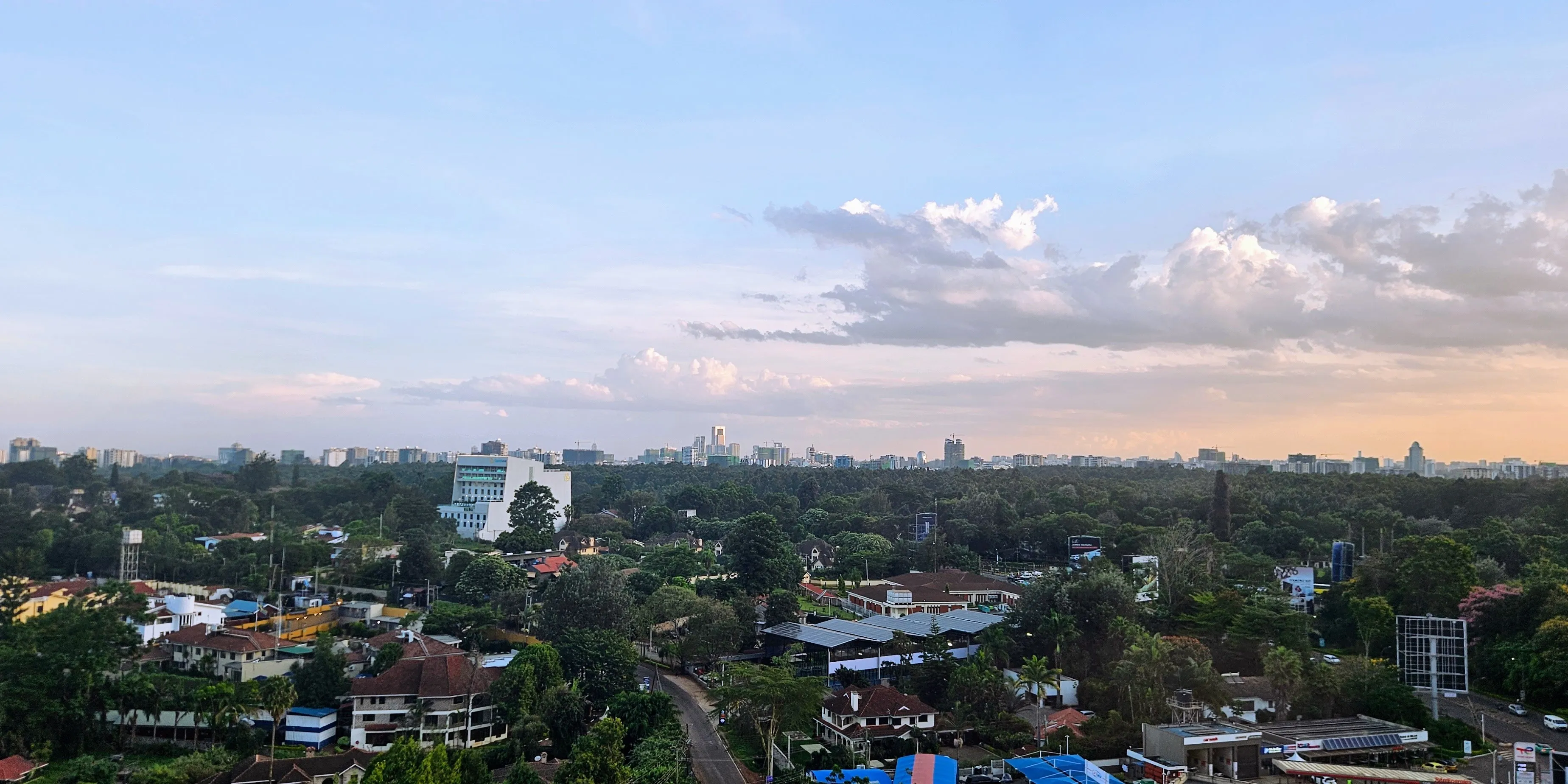
Nairobi: A Gluten Free Guide
Nairobi is a great city to visit as a celiac. Celiac awareness is low, but the food scene is excellent, self-catering is easy, and the traditional Kenyan diet is naturally gluten free friendly. Here is what we learned after nearly a month in the city.
read more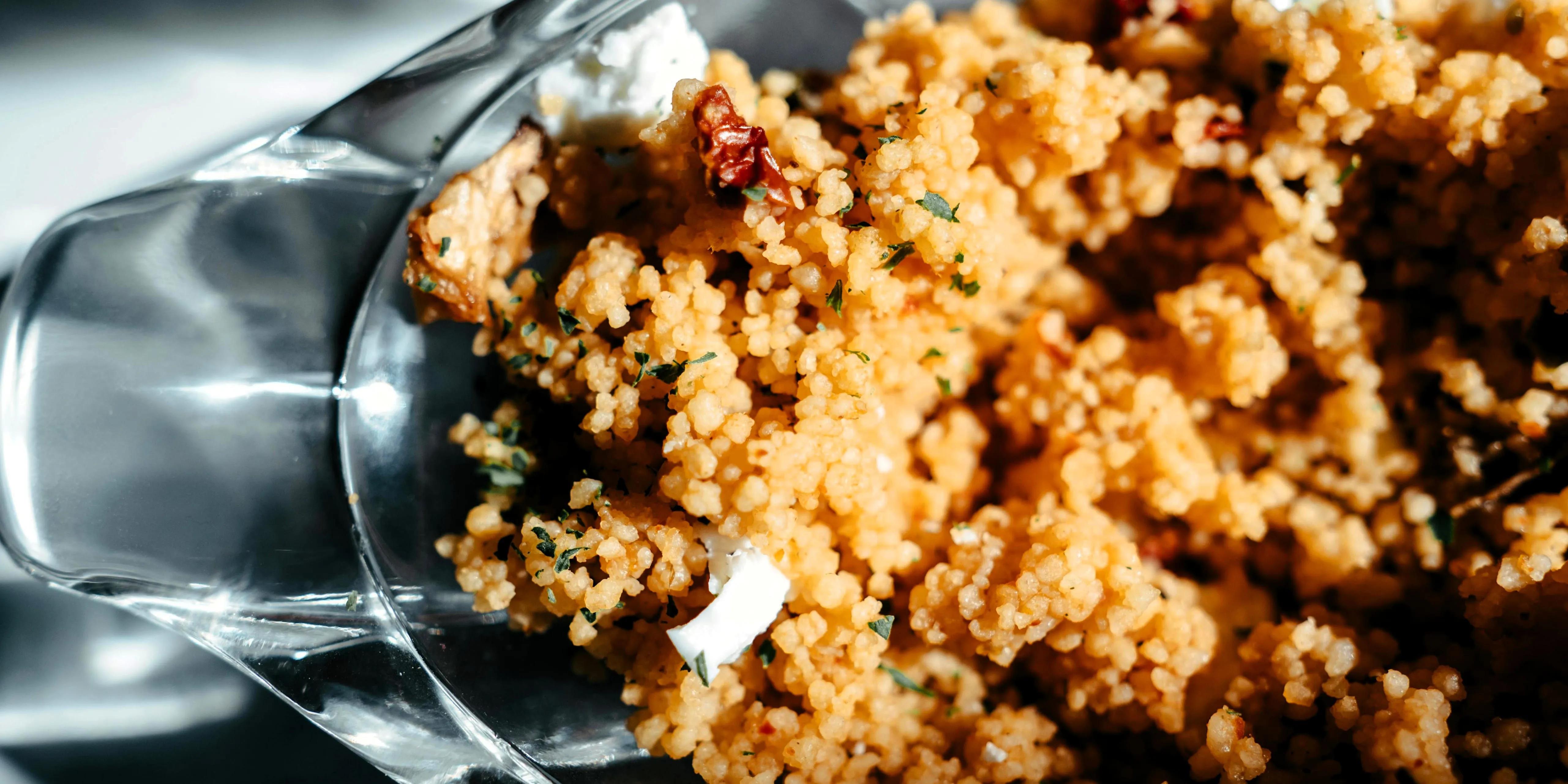
Is Couscous Gluten Free?
In short, no. Traditional couscous in Morocco is not gluten-free and is unsafe for celiacs. Couscous, of Berber origin, has been eaten since ancient times. It’s a cornerstone of Moroccan cuisine and many families eat it traditionally on Fridays, as well as festivals and family gatherings.
read more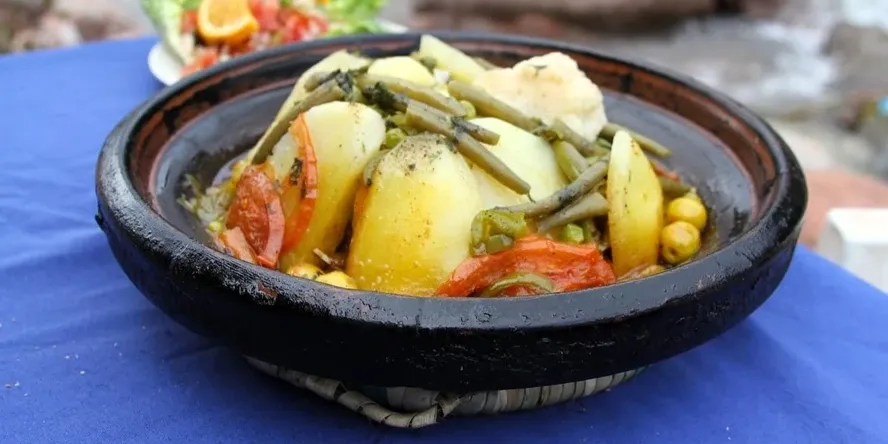
Is Tagine Gluten Free?
In short, yes! Tagine is a cornerstone of the Moroccan diet, and because the traditional recipe is naturally gluten-free, it's generally safe for celiacs. However, it's a variable dish coming in countless shapes and forms across Morocco, so it's always worth being cautious and asking questions befor
read more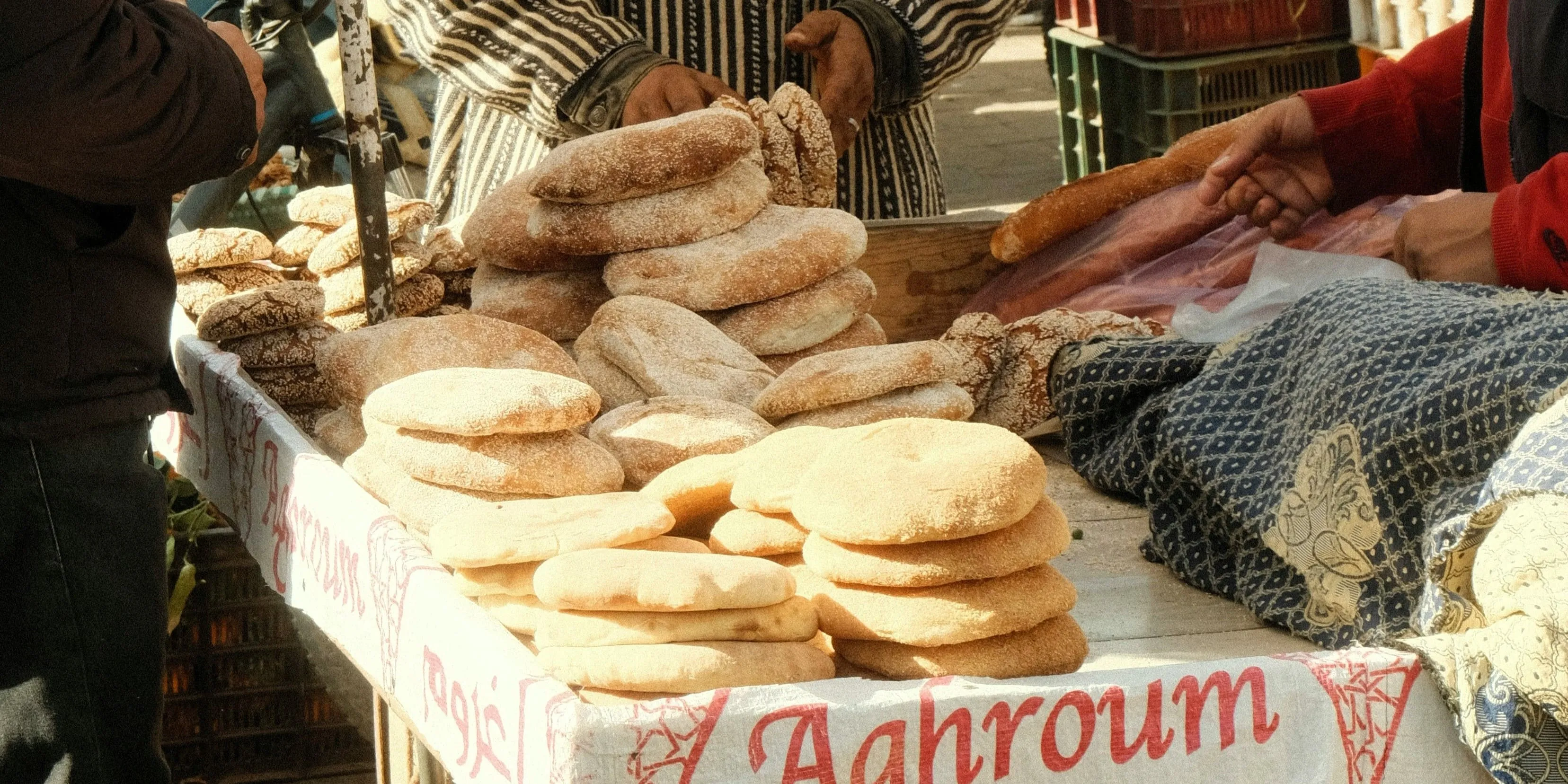
Moroccan Bread: Is Any of it Gluten Free?
No, all Moroccan bread is traditionally made with wheat flour and is unsafe for celiacs.Bread is the cornerstone of Moroccan cuisine, eaten with almost every meal and used to mop up sauces and scoop tagines. As a result, it’s one of the hardest things to avoid when travelling gluten free in Moro
read more