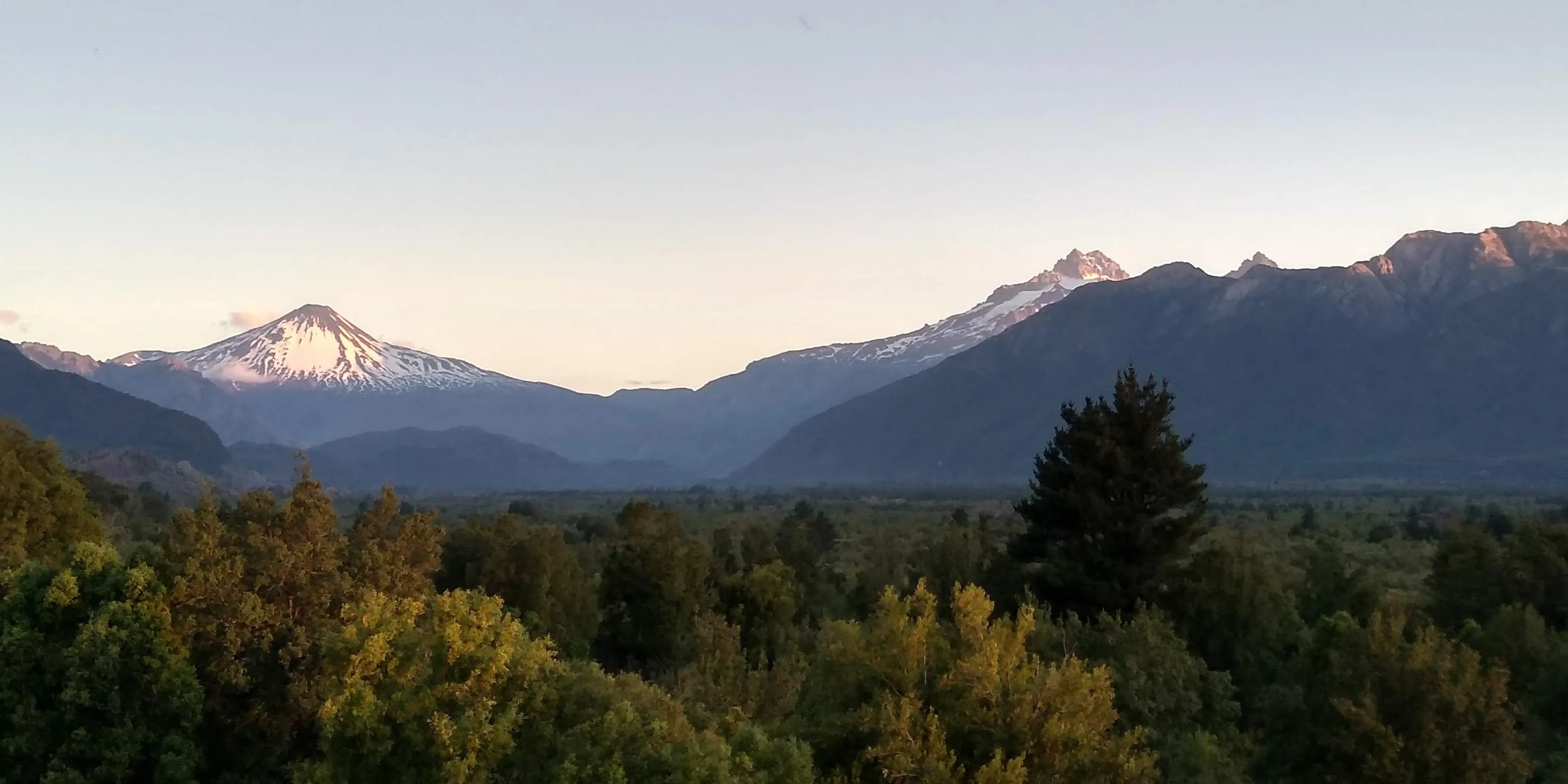
Chile: A Gluten Free Guide
Chile is not the celiac paradise that Argentina is next door. There’s no restaurant allergen labelling law, awareness among food service staff is patchy, and if you’re heading off the beaten track, say, 600km down a remote Patagonian highway, you’re largely on your own. But the Chilean diet leans heavily on naturally gluten free staples: rice, potatoes, seafood, and grilled meat. Santiago, meanwhile, has quietly developed a surprisingly solid dedicated GF scene over the past few years, similar to the likes of Europe. Rural vs city is very much the story here.
Key Points:
- Labelling: A 2022 law requires GF-labelled packaged foods to display a strikethrough wheat symbol and be stocked on dedicated shelves.
- Allergen disclosure: Chile’s Law 20.606 requires packaged foods to declare gluten as an allergen. Restaurant allergen disclosure is not legally required.
- Cities: Santiago has dedicated GF bakeries, restaurants, and gluten free sections in major supermarkets. Valparaíso and tourist towns have some options.
- Rural: Slim pickings. Small towns on the Carretera Austral and elsewhere have basic tiendas with limited packaged goods. You may be lucky and come across GF items, but I wouldn’t count on it. Stock up in larger towns before heading into remote areas.
- Eating out: No legal requirement for menus to flag allergens. Staff awareness varies hugely. If you don’t want to take your chances, stick to simply prepared meat, fish, and potato dishes and communicate clearly.
- Key phrase: “Soy celíaco/a. No puedo comer gluten — trigo, cebada ni centeno. ¿Tiene algo sin gluten?” (“I have celiac disease. I can’t eat gluten — wheat, barley or rye. Do you have anything gluten free?”)
Contents
Personal Experience
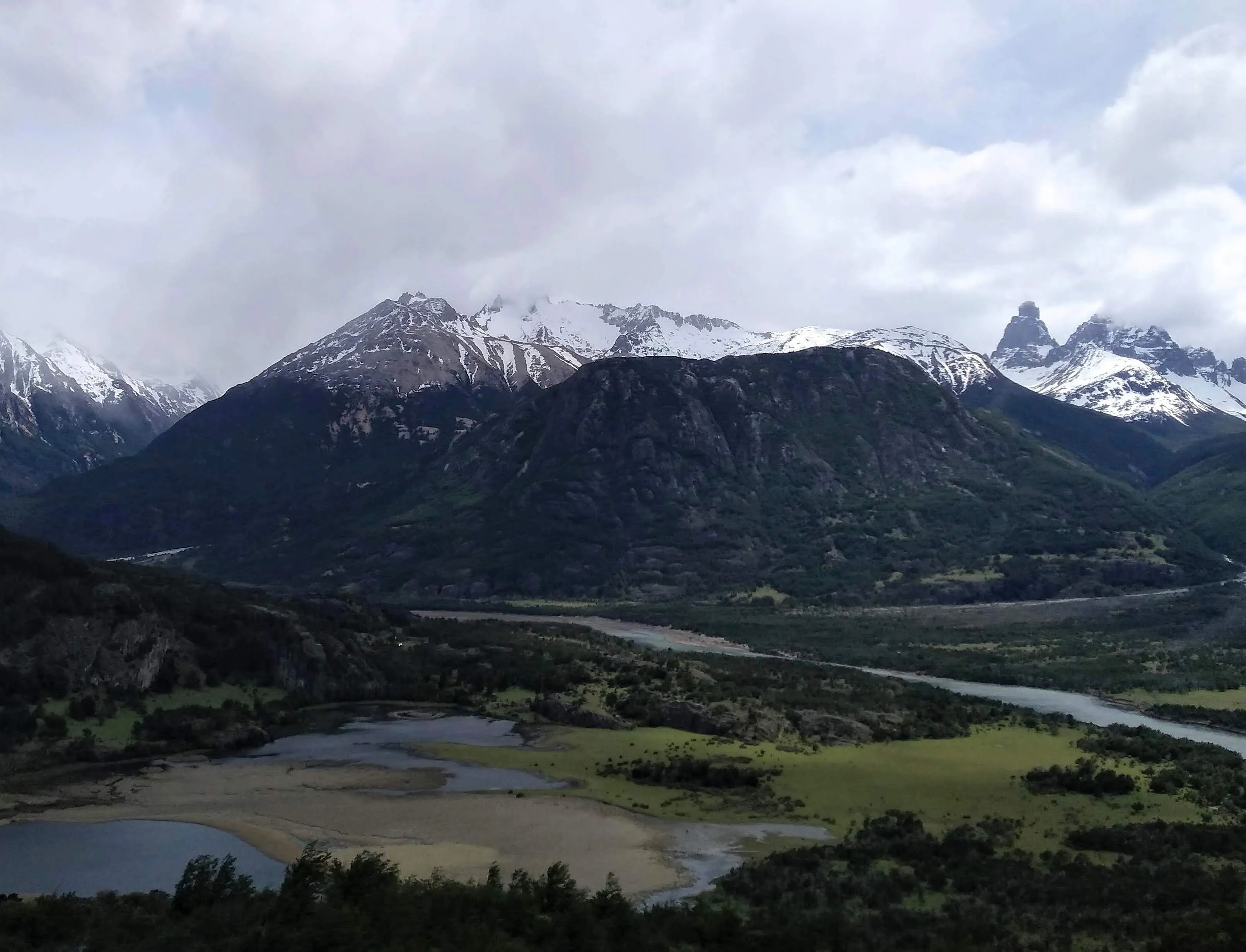
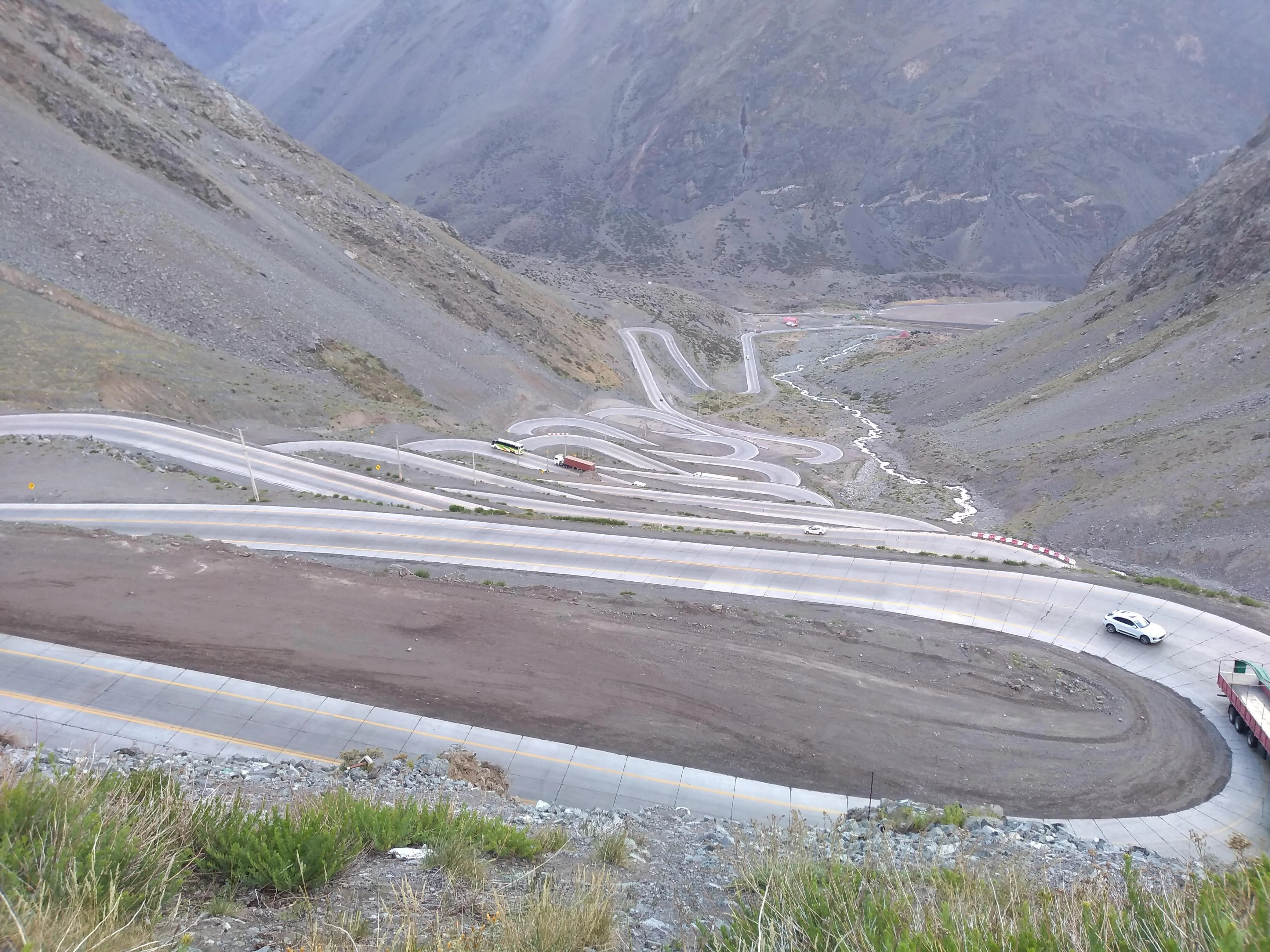
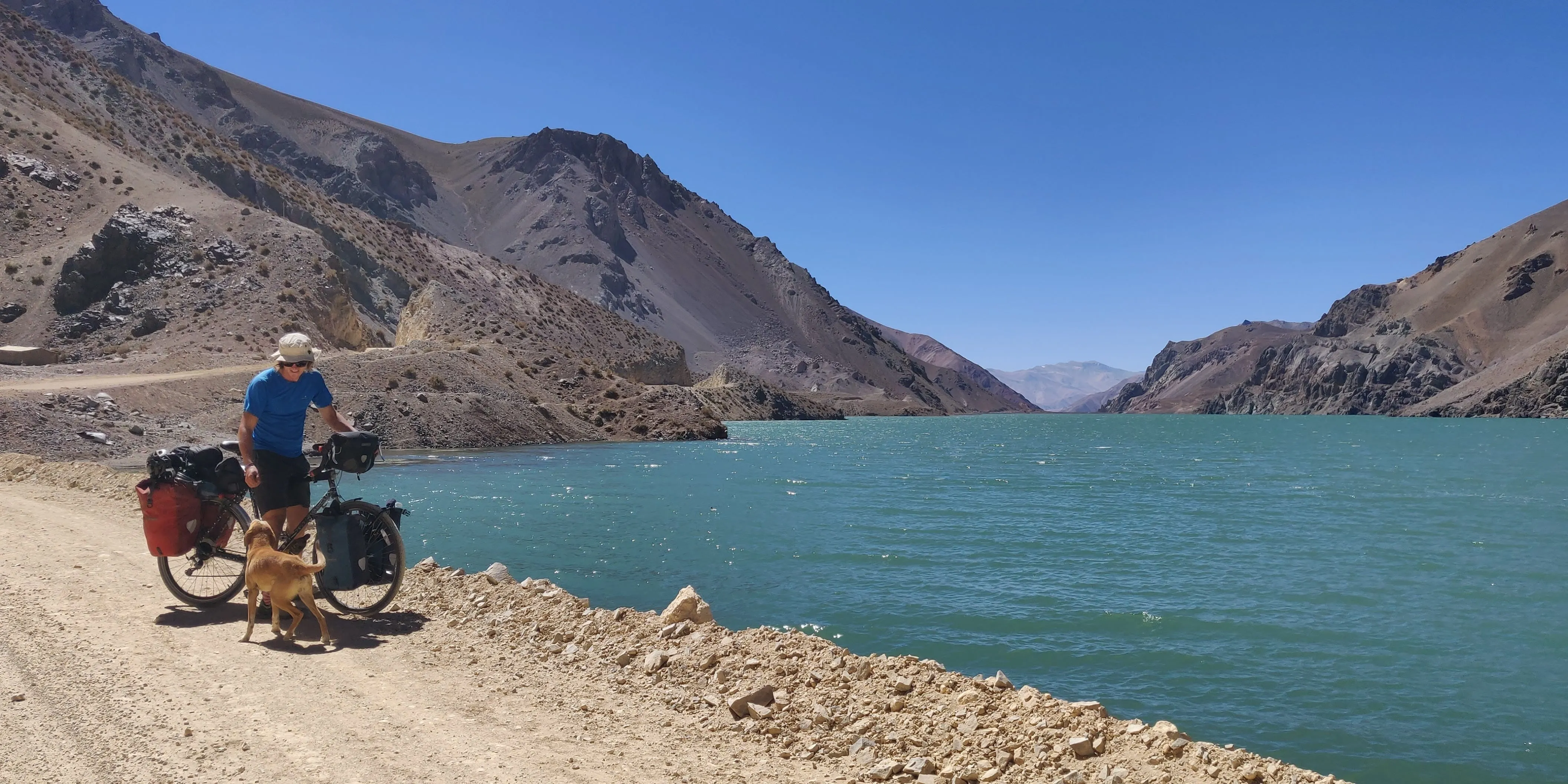
I was in Chile for three months in 2019, cycling from almost the bottom, to almost the top. I’d always wanted to go to this country, mostly becuase of it’s funny shape, although this was a bit of a double-edged sword. It seemed to go on forever.
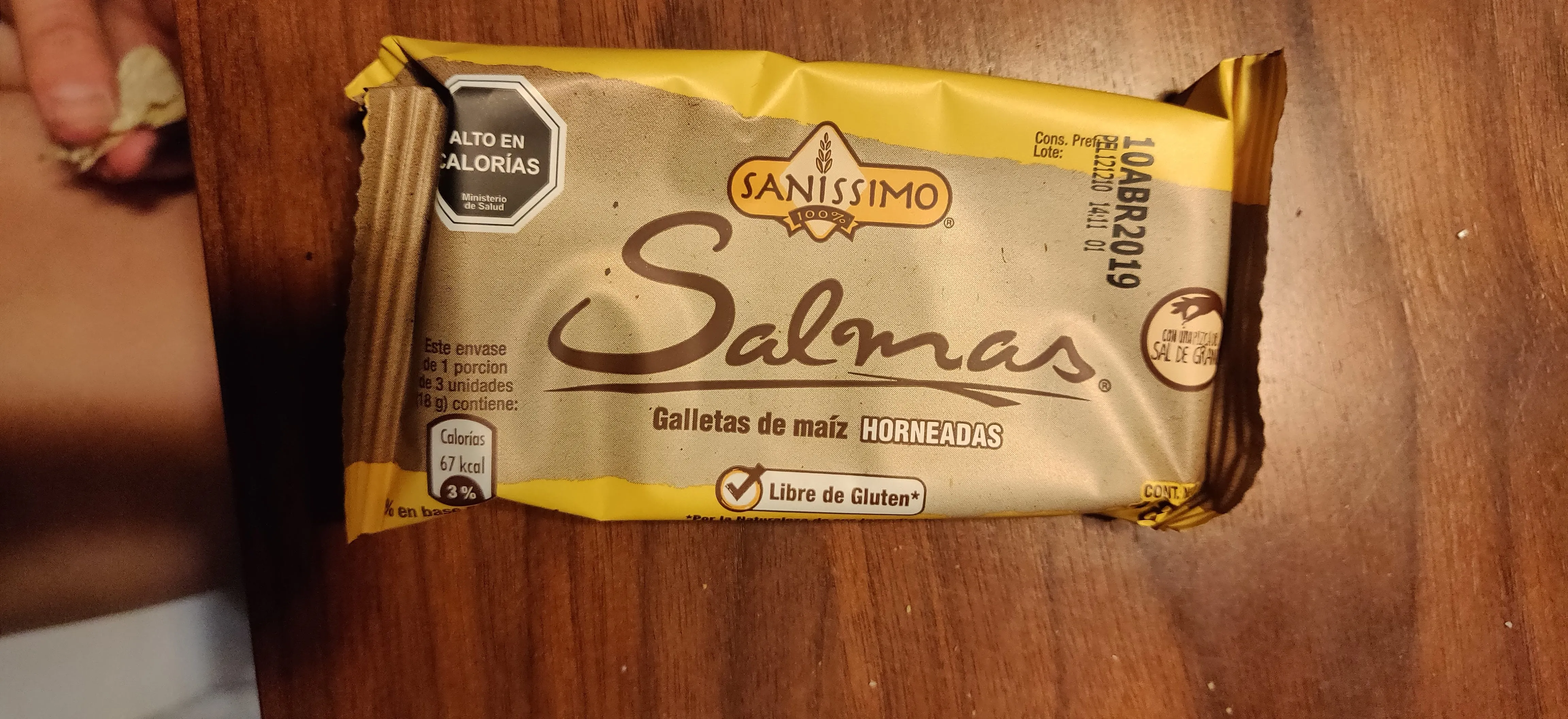
The Carretera Austral section, down in Patagonia, was the hardest food-wise, but also the best in terms of remote scenery. The towns are small and the tiendas basic, but there is enough naturally gluten free food going around that you don’t have to worry. What saved me was that a lot of the packaged snacks such as crisps and chocolate (healthy, I know) happened to be fine for a celiac, even if nothing was labelled as such. I found a GF brownie once in a more touristy area, and despite the hefty price, I was obliged to buy it. Spanish GF digestives appeared on one tiny Patagonian shops’ shelf.
I didn’t eat out in Chile. For South America, restaurants are relatively expensive, and this was the start of my year long, budget cycling trip. I cooked my own food, eating a lot of rice and salchichas (Chiles version of Frankfurters). Annie introduced me to the concept of curry-wurst when she joined me in Chile and it was a culinary revolution.
Further north around the Lake District and Valparaíso things got easier. There were more supermarket options, more packaged GF products, and the general sense that you’re back in a country with a functioning food economy. La Serena felt distinctly more manageable than Cochrane.
Arguably one of the best things was Chile’s absolutely banging wine scene. The perfet drink for a celiac.
Gluten Awareness
Celiac awareness in Chile is growing, but slowly, and very unevenly between city and countryside. In Santiago, you’ll find dedicated GF restaurants run by celiacs, supermarkets with GF sections, and staff who understand what you’re asking. Venture out of the capital and that picture changes quickly.
There is no government-run celiac disease program comparable to Argentina’s, and no national logo for certified GF products. What Chile does have is a reasonably progressive food labelling framework. Law 20.606 — the legislation that brought Chile its now-famous front-of-pack warning labels — requires that any packaged food containing gluten must declare it on the label. A 2022 amendment went further: products that qualify as gluten free must now display a standardised strikethrough wheat logo on the front of pack, and commercial establishments selling labelled GF packaged goods are required to stock them on dedicated shelves or in dedicated sections (with an exemption for micro and small businesses).
This is meaningful progress for supermarket shopping. It is not restaurant law. A 2025 study published in Frontiers in Nutrition examining food service staff knowledge in Chile found significant gaps in celiac and allergen awareness among restaurant workers, with no legal obligation for allergen or gluten disclosure in restaurants. Knowledge was better among managers and more experienced staff, and worse among front-of-house workers — exactly the people you’re asking.
The practical upshot: in Santiago, increasingly, restaurant staff will understand what you’re asking. Elsewhere, learn your Spanish phrases, carry a translation card, and don’t assume.
Eating Out
Chile’s restaurant scene for celiacs is a tale of two countries. Santiago has a legitimate dedicated GF dining scene — fully GF restaurants, GF bakeries, and a growing number of mainstream venues marking GF options. Outside the capital, especially in rural areas, you’re mostly eating simply and hoping for the best.
The good news is that traditional Chilean cooking leans naturally gluten free. Grilled meat and fish, potatoes, rice, and vegetable stews are all staples. The trouble comes with cross-contamination, flour-thickened sauces, and empanadas — which are everywhere and will test your willpower daily.
There is no legal requirement for Chilean restaurants to label allergens on menus. Always communicate your needs clearly to staff and ask about cross-contamination, especially in smaller establishments.
Safer Restaurant Types:
- Parrillas (grill restaurants): Grilled meat or fish with chips or rice is the safest default. Simple, common, and easy to check.
- Marisquerías (seafood restaurants): Seafood stews, ceviche, and grilled fish are generally safe. Paila marina (shellfish stew) and caldillo de congrio (eel stew with vegetables) are classic naturally GF dishes — confirm no flour is used to thicken sauces.
- Dedicated GF establishments: Santiago has several; see below.
- Venezuelan/arepa restaurants: Arepas are made from corn, making them naturally GF. Some Venezuelan-owned spots in Santiago are particularly clued up on cross-contamination.
Challenging Restaurant Types:
- Traditional Chilean restaurants (picadas):* Empanadas, cazuela stew (may be flour-thickened), sopaipillas (fried pumpkin flatbreads — avoid), and pan served with everything are all gluten-containing staples. Dishes may look safe but have hidden flour additions.
- Fast-casual sandwich shops: Chile has a strong sandwich culture — completos, chacarero, barros luco. The bread is the problem, and avoiding these is nearly impossible if you’re cycling and hungry.
- Chinese restaurants: Higher cross-contamination risk from soy sauce; approach with caution.
*In picadas, the kitchen is often tiny and open, meaning everything goes through the same surfaces. Even simple dishes carry cross-contamination risk.
Fast Food Chains:
The usual suspects — McDonald’s, Burger King, KFC, Subway — are present in Chilean cities. None are safe for celiacs in the meaningful sense. Some have GF-labelled menu items but make no cross-contamination guarantees.
Gluten Free Pizza:
Santiago has dedicated GF pizza options. Popolo Pizza sin Gluten and Pizzeria Latinoamericana (Barrio Italia) are both flagged as celiac-aware by the local community.
Dedicated Gluten Free Establishments — Santiago:
Santiago has a small but solid cluster of fully dedicated GF venues, concentrated largely in the Providencia and Barrio Italia neighbourhoods:
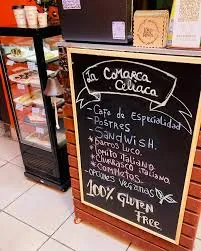
- La Comarca Celiaca — Av. Italia 1423, Providencia. Frequently cited as one of the best dedicated GF restaurants in the city. Fully GF menu, knowledgeable staff. Instagram
- Zöliakie Kaffee — Dr. Manuel Barros Borgoño 168, Providencia. Small café run by a celiac owner. Primarily takeaway, two tables inside. GF empanadas, biscuits, profiteroles. Worth going out of your way for.
- Crumbless Gluten Free Bakery — Dedicated GF bakery.
- Sersayaan Alimentos Sin Gluten — Dedicated GF food producer and shop.
- Quimey Sushi Fusion & Gluten Free — José Victorino Lastarria 282, Santiago. Fully GF sushi and fusion menu.
- Bar Italia — Av. Italia 1213, Providencia. Not fully dedicated but widely rated as celiac-aware, with marked GF menu options.
Using Find Me Gluten Free in Santiago
The Find Me Gluten Free and Atly apps both have high Santiago coverage with community reviews. These are the apps I always consult when looking for somewhere to eat.
Groceries
Supermarket Chains
Chile has a well-developed supermarket network, though GF availability drops significantly outside of major cities and the Santiago metropolitan region.
| Chain | Coverage | GF Availability | Notes |
|---|---|---|---|
| Jumbo | Santiago and major cities; premium positioning | Good | Dedicated “libre de gluten” section online and in-store; stocks over 3,000 “free from” products. Best bet for labelled GF goods. |
| Lider (Walmart Chile) | Nationwide; 300+ stores | Moderate | Dedicated GF section; wide coverage including smaller cities. Budget-friendly. |
| Tottus | Most large cities | Moderate | Mid-range option; some GF products but less range than Jumbo or Lider. |
| Unimarc | Central and southern regions; strong in Valdivia, Osorno, Puerto Montt | Limited | Focus on national/local products. GF range is more limited; useful for fresh produce and basics. |
| Santa Isabel | Residential areas, mid-sized cities | Limited | Smaller format. Good for basics; labelled GF packaged range is thin. |
For rural towns on the Carretera Austral and similar routes, don’t rely on finding labelled GF products. The small tiendas stock basics: bread, wine, tinned goods, eggs and some packaged snacks. Stock up on labelled GF foods in Puerto Montt before heading south, and again in Coyhaique if continuing.
Back in 2019 when I was there, labelled GF products were hard to come by. The 2022 labelling law has since changed that for urban supermarkets — you should now find dedicated GF shelf sections in Jumbo and Lider branches — but rural Chile is still largely unchanged.
Local Shops
Small shops (almacenes or tiendas) in rural and small-town Chile are limited. The honest expectation: bread, eggs, canned fish, jam, rice, pasta, sugar, bottled drinks, and a wall of wine. Labelled GF products are unlikely to appear.
Naturally GF staples to look for:
- Rice (arroz)
- Potatoes (papas)
- Tinned fish (atún, sardinas)
- Eggs (huevos)
- Fresh fruit and vegetables (where available)
- Cheese (queso)
- Manjar (dulce de leche) — the Chilean caramel spread; check brand labels but widely GF. Colun brand dairy products are known to label GF items clearly.
Naturally GF packaged snacks to look for:
- Plain crisps (papas fritas)
- Plain chocolate — check for malt or barley additions
- Yoghurts — Colun brand flags GF products
- Corn-based snacks
- Plain nuts and dried fruit
When checking the packets of food items, the ingredients to look out for are trigo (wheat), cebada (barley), and centeno (rye).
Online Shopping
Obviously not relevant if you’re moving through the country on a bike. For those based in Santiago, both Jumbo (jumboahora.cl) and Lider (lider.cl) offer online delivery with searchable GF product categories.
Dedicated Gluten Free Shops
Santiago has a handful of specialist GF producers and shops, including Sersayaan Alimentos Sin Gluten and Biomercado Sin Gluten (which also does GF pizza).
Words to Remember
| English | Spanish |
|---|---|
| Gluten free | Sin gluten / libre de gluten |
| Wheat | Trigo |
| Barley | Cebada |
| Rye | Centeno |
| Celiac disease | Enfermedad celíaca |
| Ingredients | Ingredientes |
| Cross-contamination | Contaminación cruzada |
| Does it contain…? | ¿Contiene…? |
| Without | Sin |
| I can’t eat… | No puedo comer… |
| Useful phrase | Spanish |
|---|---|
| I have celiac disease and cannot eat gluten. | Tengo enfermedad celíaca y no puedo comer gluten. |
| I cannot eat wheat, barley or rye. | No puedo comer trigo, cebada ni centeno. |
| Even a small amount will make me very ill. | Incluso una pequeña cantidad me pondrá muy enfermo/a. |
| Does this dish contain flour or wheat? | ¿Este plato contiene harina o trigo? |
| Is this cooked in the same oil as breaded foods? | ¿Esto se cocina en el mismo aceite que alimentos con harina? |
| Do you have a gluten free option? | ¿Tiene alguna opción sin gluten? |
| Can the chef prepare something without gluten? | ¿Puede el chef preparar algo sin gluten? |
Conclusions
- Chile is manageable for celiacs. In the cities, GF products are widely available, while in rural areas you’re relying on the naturally gluten free staples.
- The 2022 labelling law means GF products in major supermarkets are now properly labelled and shelved separately — a genuine improvement from a few years ago.
- Santiago has a growing dedicated GF scene. La Comarca Celiaca and Zöliakie Kaffee are the standout spots.
- Rural Chile (Carretera Austral and small southern towns) offers very little in the way of labelled GF products. Stock up before heading into remote areas.
- Much of the Chilean diet is naturally GF: grilled meat, fish, potatoes and rice.
- Restaurant allergen disclosure is not legally required. Learn Spanish food phrases, carry a translation card, and communicate clearly.
Chile is manageable but requires planning, especially outside of Santiago. The capital has dedicated GF restaurants and proper GF sections in major supermarkets. Rural areas are a different story — naturally GF staples are available but labelled GF products are scarce. The naturally meat, fish, and potato-heavy Chilean diet helps. There is no restaurant allergen labelling law, so communicating your needs clearly in Spanish is essential.
Yes, and it’s relatively recent. Chile’s 2022 amendment to Law 20.606 requires GF-labelled packaged foods to display a standardised strikethrough wheat logo on the front of pack, and requires retailers to stock them on dedicated shelves. Allergen disclosure on packaged foods has been required since Law 20.606’s implementation. There is no equivalent requirement for restaurants to declare allergens on menus.
Jumbo and Lider (Walmart Chile) are your best bets, with dedicated “libre de gluten” shelf sections and a reasonable range of labelled products. Jumbo in particular stocks over 3,000 “free from” products. Tottus has some options. Unimarc and Santa Isabel are more limited. Outside of Santiago and major cities, even these chains have reduced GF ranges, and small rural shops are unlikely to stock labelled GF goods.
No — traditional Chilean empanadas are made with wheat flour. They are everywhere and they smell incredible. Santiago does have dedicated GF bakeries and restaurants that make GF empanadas, including Zöliakie Kaffee, which is worth seeking out specifically for this reason.
Yes, but it requires self-sufficiency. Expect basic tiendas with limited stock in most towns — rice, eggs, tinned fish, crisps, and chocolate are your staples. Stock up with labelled GF products in Puerto Montt before you start, and resupply in Coyhaique. Restaurants along the route are simple; eating plain grilled meat or fish is generally the safest approach. I did the southern section in 2019 and came out fine, my diet wasn’t exactly exciting though.
Sources
[1] Carey Abogados, “New Law on the labeling, advertisement, and sales of gluten free foodstuff” (2022), available here.
[2] International Journal of Environmental Research and Public Health, “Why Don’t You [Government] Help Us Make Healthier Foods More Affordable Instead of Bombarding Us with Labels? Maternal Knowledge, Perceptions, and Practices after Full Implementation of the Chilean Food Labelling Law” (2022), available here
[3] Frontiers in Nutrition, “Benchmarking knowledge, attitudes and practices on food allergies and celiac disease among food service staff” (2025), available here.
[4] USDA GAIN Report, “Chile Retail Foods”, available here.
Tags :
Share :
Related Posts
Gluten Free Beer in Argentina
Argentina has a unique and up-and-coming gluten free (GF) beer scene. Local laws have enabled 100% GF beers to emerge in the market, and in recent years it has become more available. In this article, I’ll cover what makes the Argentinian GF beer market so unique, where you can buy it, and which beer
read more
Argentina: A Gluten Free guide
Argentina is surprisingly on it with celiac disease. There is huge awareness of the condition, even in remote parts of the country, and gluten free essentials are widely available in the larger supermarket chains. With a small amount of consideration for which restaurants you visit, it is very feasi
read more
Are Chuños Gluten Free?
Chuños are freeze-dried potatoes, making them naturally gluten free. However, some of the Bolivian and Peruvian dishes they are traditionally used in do contain gluten. They’re a must-try if you’re visiting the region — a unique food item found almost nowhere else in the world.
read more
Bolivia: A Gluten Free Guide
Bolivia is one of the more challenging countries to travel through as a celiac. When eating out, there are naturally gluten free dishes, but the level of cross-contamination is high, and wheat flour finds its way to a surprising number of items. If cooking for yourself, naturally gluten free food is
read more
A Complete Guide to Gluten Free Bolivian Restaurant Dishes
Before visiting Bolivia, we did zero research into restaurant food and regretted it deeply. The menus were indecipherable, even with a working knowledge of Spanish. It was difficult to work out what each dish contained, never mind whether it was gluten free or not.
read more
Ecuador: A Gluten Free Guide
Ecuador's traditional diet leans heavily on corn, rice, cassava, and plantains, which makes it a surprisingly good destination for celiacs willing to eat simply. Celiac awareness is low and GF labelling is rare, but the naturally gluten free options, especially through markets and the menu del día,
read more
Is Quinoa Gluten Free?
Yes, quinoa is naturally gluten free. It contains no wheat, barley, or rye, and has been a staple food in the Andes for thousands of years. The catch, and there is one, is cross-contamination. Quinoa is often grown, harvested, and processed alongside gluten-containing grains, which means unlabelled
read more
Mauritania: A Gluten Free Guide
- Mauritania
- Travel
- 22 Mar, 2026
Mauritania is not an easy destination for celiacs. Awareness of gluten and celiac disease is effectively zero, and outside Nouakchott you won't find a single dedicated GF product. That said, the country's cuisine is rice- and meat-heavy enough that eating naturally gluten free is possible — especial
read more
Morocco: A Gluten Free Guide
Morocco is a brilliant place to travel; it has a vibrant culture, interesting landscapes and lovely people. Cycling for 3 months through Morocco taught us that this fantastic country is also one of the toughest for gluten-free travellers. This guide breaks down exactly what food is available off the
read more
Peru: A Gluten Free Guide
Peru is not a country that has caught up with celiac disease. When I was there in 2019, GF labelling was essentially non-existent outside Lima, and restaurant staff in rural areas were more likely to be baffled by the question than helpful. That said, Peru's traditional Andean diet is built on potat
read more
Cusco: A Gluten Free City Guide
Cusco is the most celiac-friendly city in Peru outside Lima, which is not a particularly high bar to clear. That said, the tourist centre has a decent cluster of restaurants that understand the question, mark GF options on their menus, and won't look at you blankly when you mention gluten. The menú
read more
A Gluten Free Guide to Poland
Poland surprised me, but then again, much of Eastern Europe has far surpassed my expectations as a celiac. In the cities and in supermarkets, you're in genuinely good hands: plentiful free-from aisles, strict EU labelling laws, a dedicated certification symbol, and a growing network of certified glu
read more
Gluten Free in Romania
Romania is a country of two speeds for celiacs: Bucharest has a genuinely improving GF scene with certified bakeries and dedicated menus, while rural areas still run almost entirely on wheat. Supermarkets in bigger towns will keep you fed either way.
read more
Senegal: A Gluten Free Guide
Senegal is a manageable country for celiacs, largely because so much of the traditional food is naturally gluten free. Thieboudienne and mafé are safe, filling, cheap, and available everywhere. Supermarkets stock no gluten free substitutes to speak of, so if you rely on GF bread or pasta, you'll nee
read more
Is Mafe Gluten Free?
Mafe is usually gluten free. It's a rich peanut stew made with meat, tomatoes, and vegetables, with no wheat in the traditional recipe. That said, some cooks thicken it with wheat flour, so it's not one you can order blindly without checking.
read more
Is Thieboudienne Gluten Free?
Thieboudienne is naturally gluten free, made from rice, fish, tomatoes, and vegetables. The one caveat is the stock cube used in its preparation, which is worth checking, but the main Senegalese brands are GF.
read more
Gluten Free in Mississippi
Mississippi is a mixed bag for celiacs. Chains and Walmart have your back, but local diners and Southern classics are a minefield of shared fryers and flour-dusted everything. Here's what I learned over two months of work trips.
read more
South India: A Gluten Free Guide
India is a beautiful, diverse country with rich food traditions. The South, in particular, is an excellent destination for gluten-free travellers thanks to its reliance on rice, lentils, coconut, vegetables, and spices. This guide focuses on South India, where we spent three weeks exploring, eating
read more
Is Dosa Gluten Free?
Dosa is naturally gluten free, made from a fermented batter of rice and lentils. Most varieties are safe for celiacs, though a handful of dishes served alongside dosa are worth watching out for.
read more
Kenya: A Gluten Free Guide
Kenya is a brilliant country to travel through as a celiac. celiac awareness is virtually zero, but the traditional diet is naturally gluten free, fresh food is abundant, and self-catering is easy and enjoyable.
read more
Is Ugali Gluten Free?
Ugali is Kenya's staple food, eaten by the vast majority of the population at least once a day. It is made from maize flour and water, which makes it naturally gluten free. Here's what a celiac needs to know about eating it safely in Kenya.
read more
Nairobi: A Gluten Free Guide
Nairobi is a great city to visit as a celiac. Celiac awareness is low, but the food scene is excellent, self-catering is easy, and the traditional Kenyan diet is naturally gluten free friendly. Here is what we learned after nearly a month in the city.
read more
Spain: A Gluten Free Guide
Ahhh Spain, lovely Spain. The weather’s (mostly) good, landscapes varied, and gluten free food is abundant. Celiac disease is well known, and there are some good government and third-party resources to help with eating out gluten free. With a bit of care, you can easily travel in Spain and successfu
read more