Is Dosa Gluten Free?
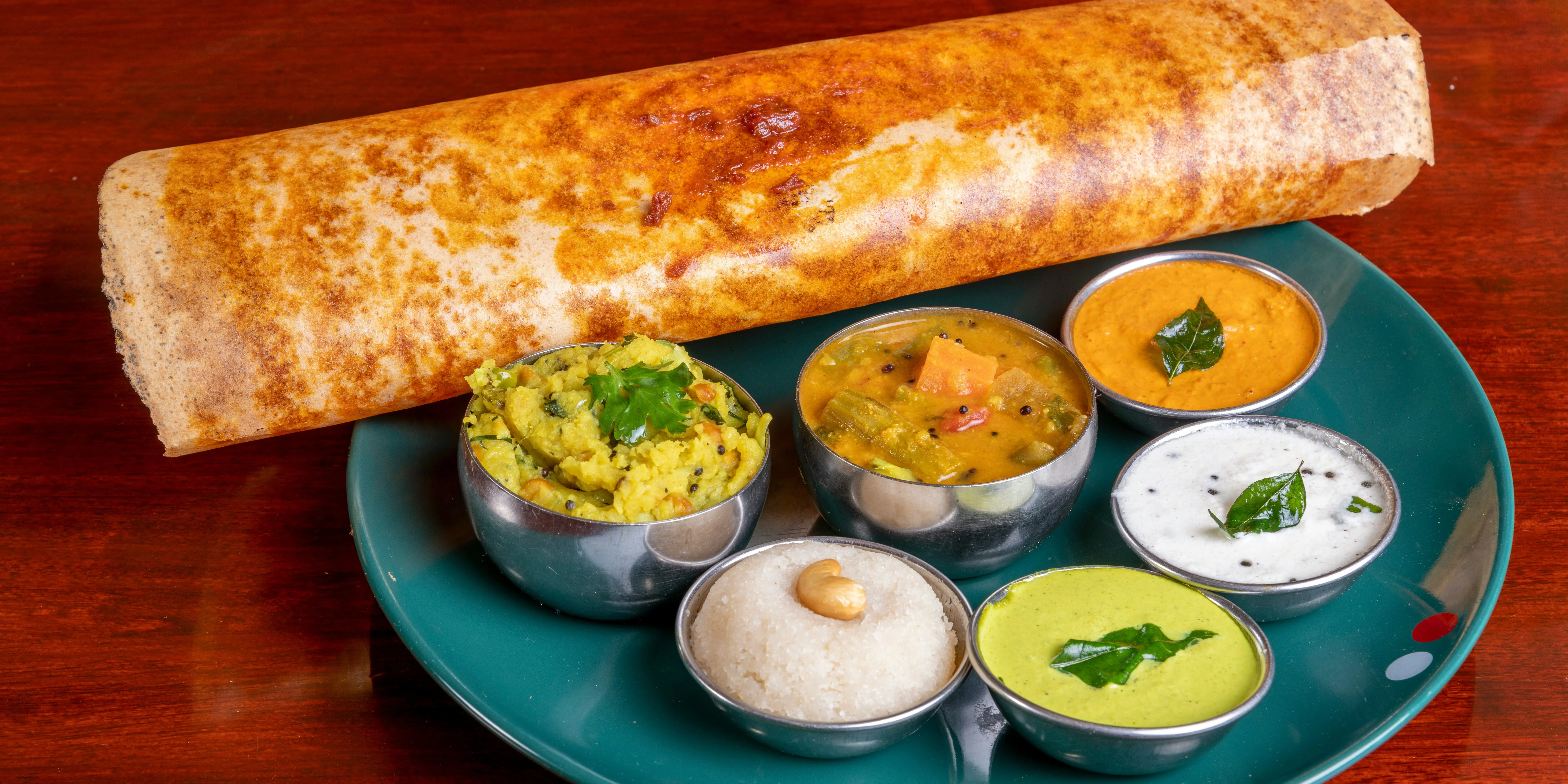
Yep, dosa is naturally gluten free. It’s made from a fermented batter of rice and urad dal (black lentils), with no wheat in sight. We ate dosa constantly throughout our two and a half weeks in India and it became one of our absolute favourite meals. For celiacs, it’s one of the safer things you can order — just be aware that there is a major potential cross-cntamination source, and a few dosa varieties and accompaniments can contain gluten.
What Is Dosa?
Dosa is a thin, crispy crepe originating from South India, though you’ll find it across the whole country. The batter is made by soaking rice and urad dal separately, grinding them into a smooth paste, combining them, and leaving the mixture to ferment overnight. That fermentation gives dosa its distinctive slight sourness and also makes it incredibly light and digestible.
The result is cooked on a large flat griddle (a tawa) spread out thin and wide, and served hot, folded over. At its most basic, a plain dosa is just the crepe itself: golden, crisp at the edges, and deeply satisfying. Most of the time it comes with coconut chutney and sambar, a thin lentil-based vegetable soup.
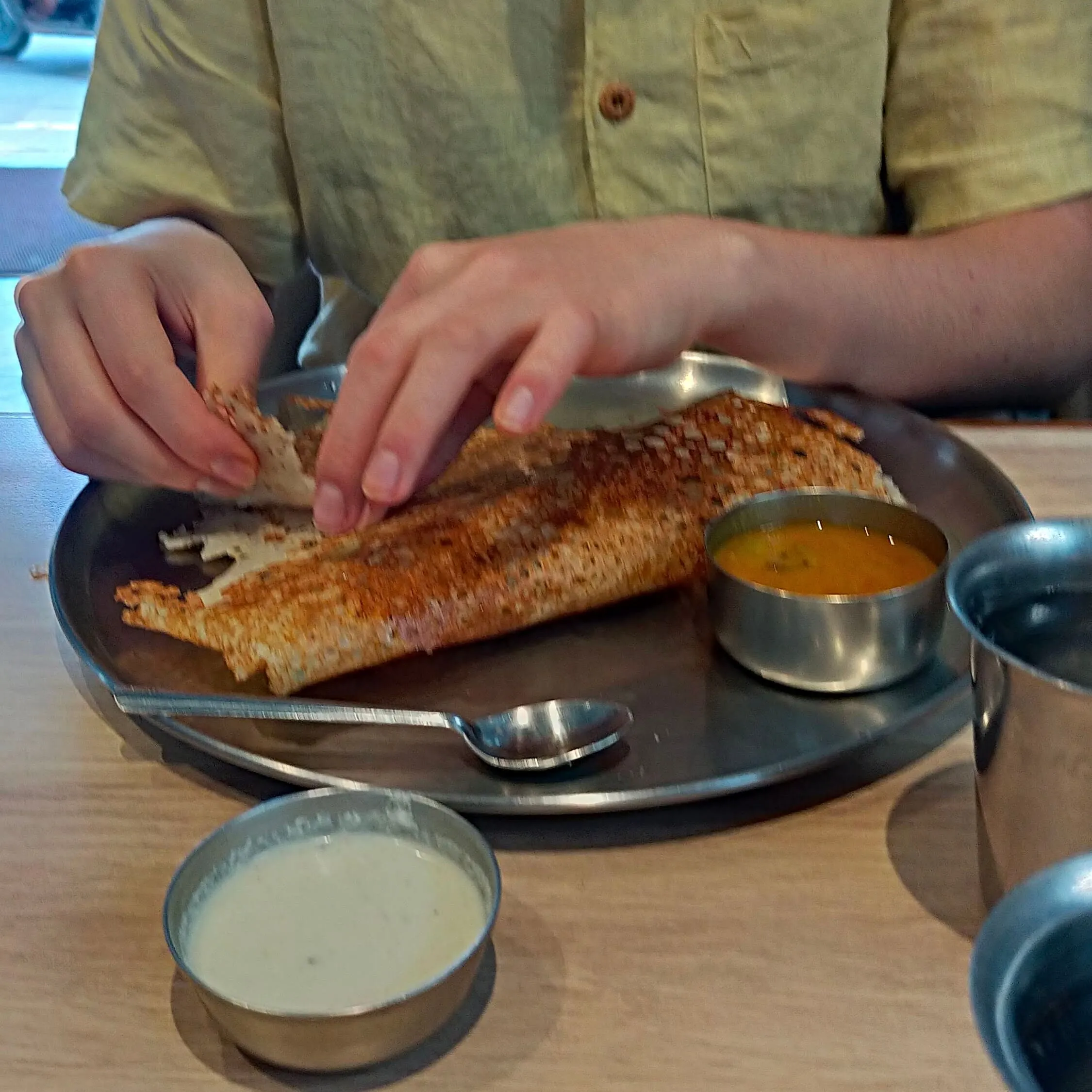
Dosa is a staple of South Indian cuisine, but it’s eaten all over India at all hours of the day. You’ll find it at street stalls, dedicated South Indian restaurants, hotel breakfast buffets, and everywhere in between. It’s cheap, filling, and endlessly variable — there are dozens of regional and restaurant-specific versions.
What Is Dosa Used For?
Dosa is primarily eaten as a meal in itself — breakfast, lunch, or dinner. The crepe is the vehicle; what goes inside or alongside it varies. Some versions are plain, some are stuffed, some are loaded with toppings. The accompaniments are part of the meal: coconut chutney and sambar are the standard pairing, though you’ll often get tomato chutney too.
Most dosa dishes are naturally GF. A few are not, or carry enough risk that it’s worth pausing before ordering.
Gluten-Free Dosa Dishes
| Dish | Description |
|---|---|
| Plain Dosa | The base version — just the fermented rice and lentil crepe. Naturally GF. |
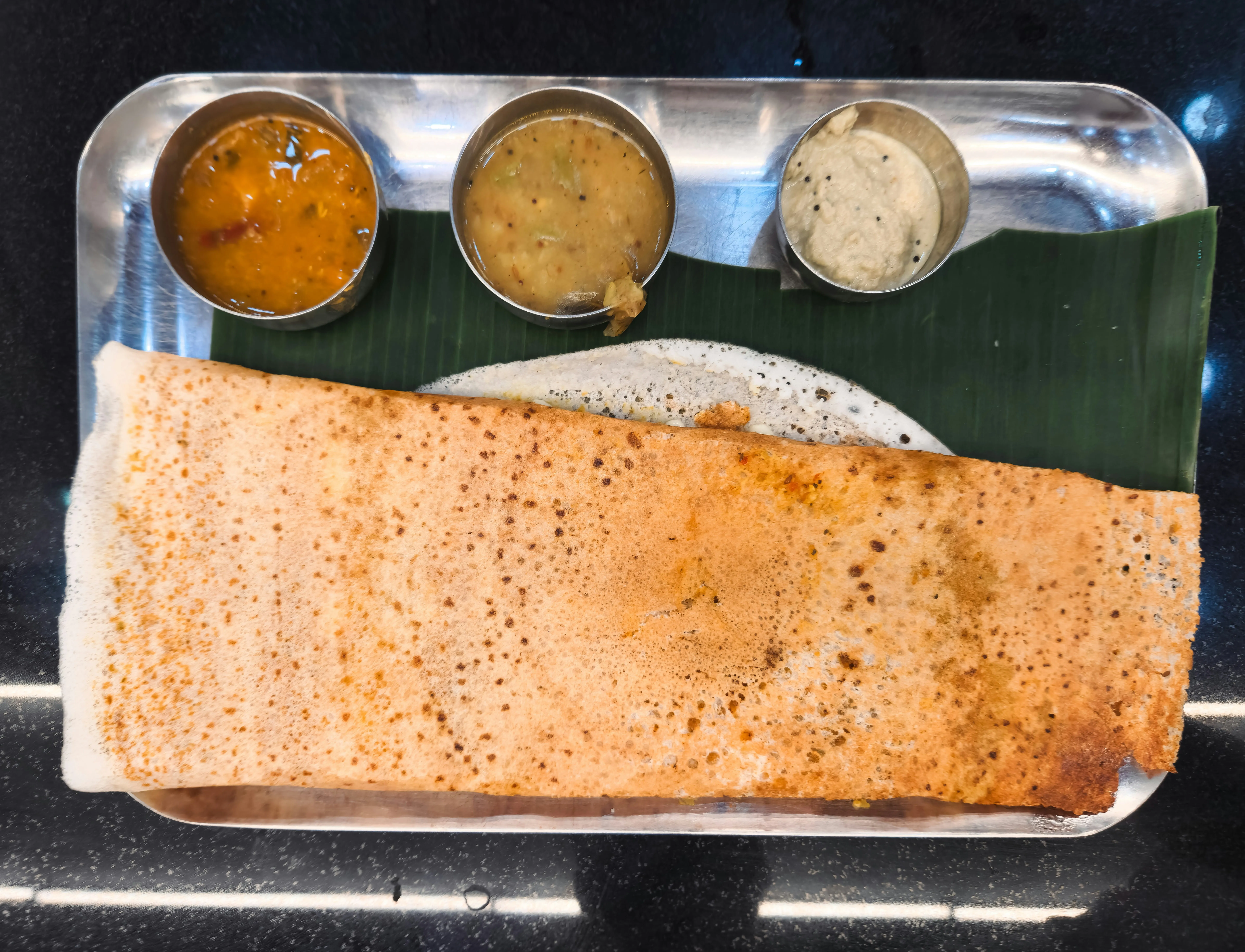
| Masala Dosa | Stuffed with a spiced potato filling (aloo masala). One of the most popular varieties and naturally GF. |
| Set Dosa | Thicker, softer, spongy dosas served in a set of three. Made from the same GF batter. |
| Pesarattu | A green moong dal dosa — no rice, no wheat. Naturally GF and high in protein. |
| Egg Dosa | A plain dosa with a fried egg cooked into it. GF. |
| Onion Dosa | Plain dosa topped with finely chopped onion and green chilli before serving. GF. |
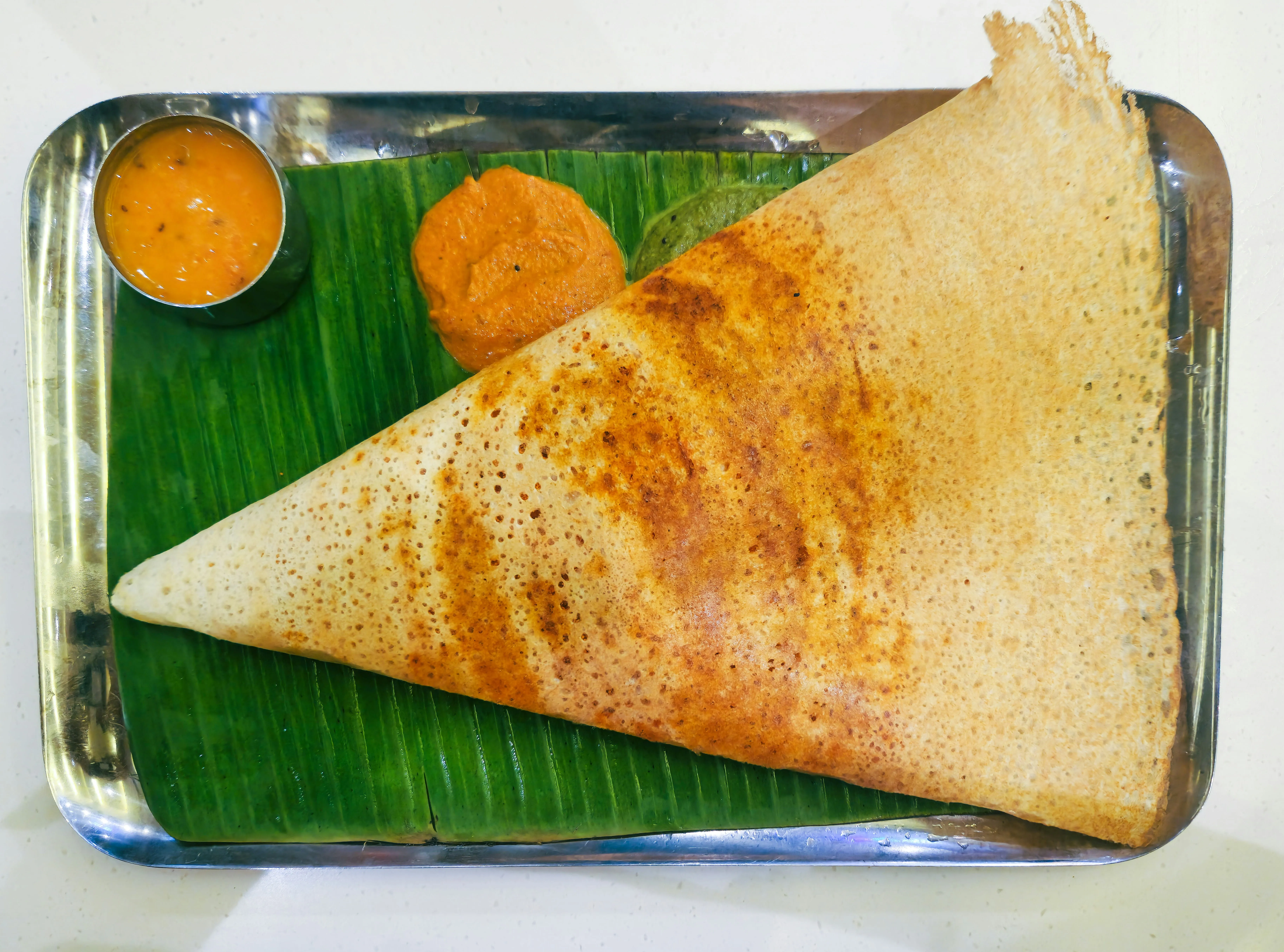
| Paper Dosa | An extra-thin, extra-crispy version of the plain dosa. GF. |
| Ghee Dosa | Finished with a generous pour of clarified butter. GF. |
Gluten-Containing Dosa Dishes
| Dish | Description |
|---|---|
| Rava Dosa | Made with semolina, which is derived from wheat. Skip this one. |
| Rava Masala Dosa | Same as above, with a potato filling. Still not GF. |
| Noodle Dosa | A variant topped or filled with stir-fried noodles. The noodles are typically wheat-based. |
A Note on Cross-Contamination
The tawa — the large flat griddle dosa is cooked on — is also commonly used to cook wheat-based flatbreads like roti, chapati, and paratha. At a dedicated South Indian restaurant, the dosa tawa is typically used for dosa only, which makes it much lower risk. At a general restaurant, dhaba, or street stall where flatbreads are also on the menu, there’s a real chance the same surface is being used for both.
Shared tawa risk
If you’re highly sensitive, it’s worth asking whether the tawa is used for roti or other wheat flatbreads. A dedicated South Indian restaurant is a safer bet than a multi-cuisine spot.
We ate dosa throughout our trip without issue, but we were mostly eating at places that specialised in South Indian food. Much less gluten is used in South Indian food compared to North Indian. Your mileage may vary at a more general kitchen.
The accompaniments — sambar and coconut chutney — are generally GF, but if you’re eating somewhere that makes their own chutneys in-house, it’s worth a quick check. Sambar is made from toor dal and vegetables, so it’s naturally safe.
For a full breakdown of eating out safely as a celiac in India, head to our Gluten Free India guide.
Typically yes, sometime no In some regions, particulary around Bangalore, the dosas are coated in ghee.
Tags :
Share :
Related Posts

Gluten Free Beer in Argentina
Argentina has a unique and up-and-coming gluten free (GF) beer scene. Local laws have enabled 100% GF beers to emerge in the market, and in recent years it has become more available. In this article, I’ll cover what makes the Argentinian GF beer market so unique, where you can buy it, and which beer
read more
Argentina: A Gluten Free guide
Argentina is surprisingly on it with celiac disease. There is huge awareness of the condition, even in remote parts of the country, and gluten free essentials are widely available in the larger supermarket chains. With a small amount of consideration for which restaurants you visit, it is very feasi
read more
Are Chuños Gluten Free?
Chuños are freeze-dried potatoes, making them naturally gluten free. However, some of the Bolivian and Peruvian dishes they are traditionally used in do contain gluten. They’re a must-try if you’re visiting the region — a unique food item found almost nowhere else in the world.
read more
Bolivia: A Gluten Free Guide
Bolivia is one of the more challenging countries to travel through as a celiac. When eating out, there are naturally gluten free dishes, but the level of cross-contamination is high, and wheat flour finds its way to a surprising number of items. If cooking for yourself, naturally gluten free food is
read more
A Complete Guide to Gluten Free Bolivian Restaurant Dishes
Before visiting Bolivia, we did zero research into restaurant food and regretted it deeply. The menus were indecipherable, even with a working knowledge of Spanish. It was difficult to work out what each dish contained, never mind whether it was gluten free or not.
read more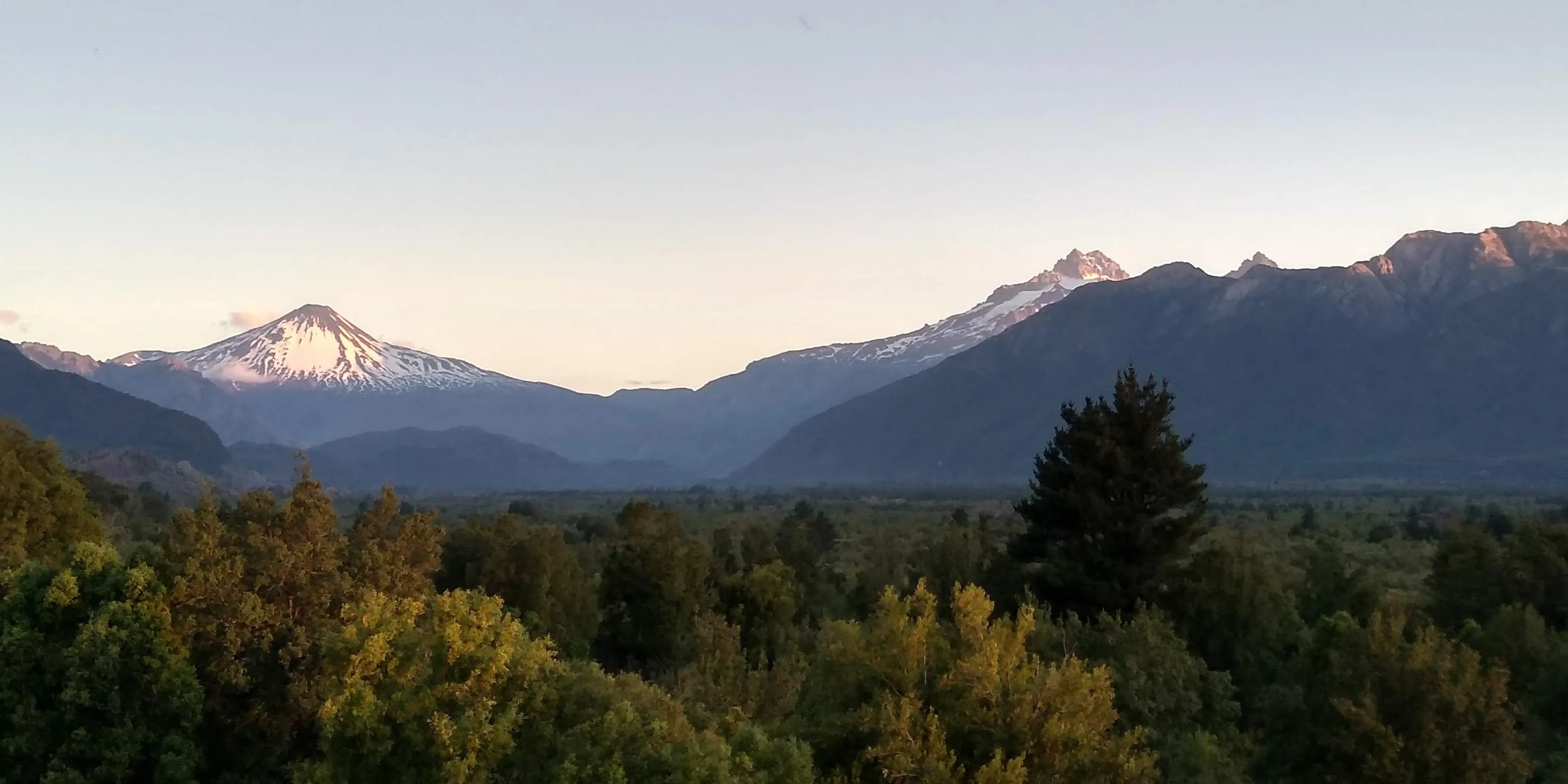
Chile: A Gluten Free Guide
Chile is not the celiac paradise that Argentina is next door, there's no restaurant allergen law, rural options are slim, and staff awareness is inconsistent at best. That said, the Chilean diet leans naturally gluten free, Santiago has a growing dedicated GF scene, and if you're willing to live on
read more
Ecuador: A Gluten Free Guide
Ecuador's traditional diet leans heavily on corn, rice, cassava, and plantains, which makes it a surprisingly good destination for celiacs willing to eat simply. Celiac awareness is low and GF labelling is rare, but the naturally gluten free options, especially through markets and the menu del día,
read more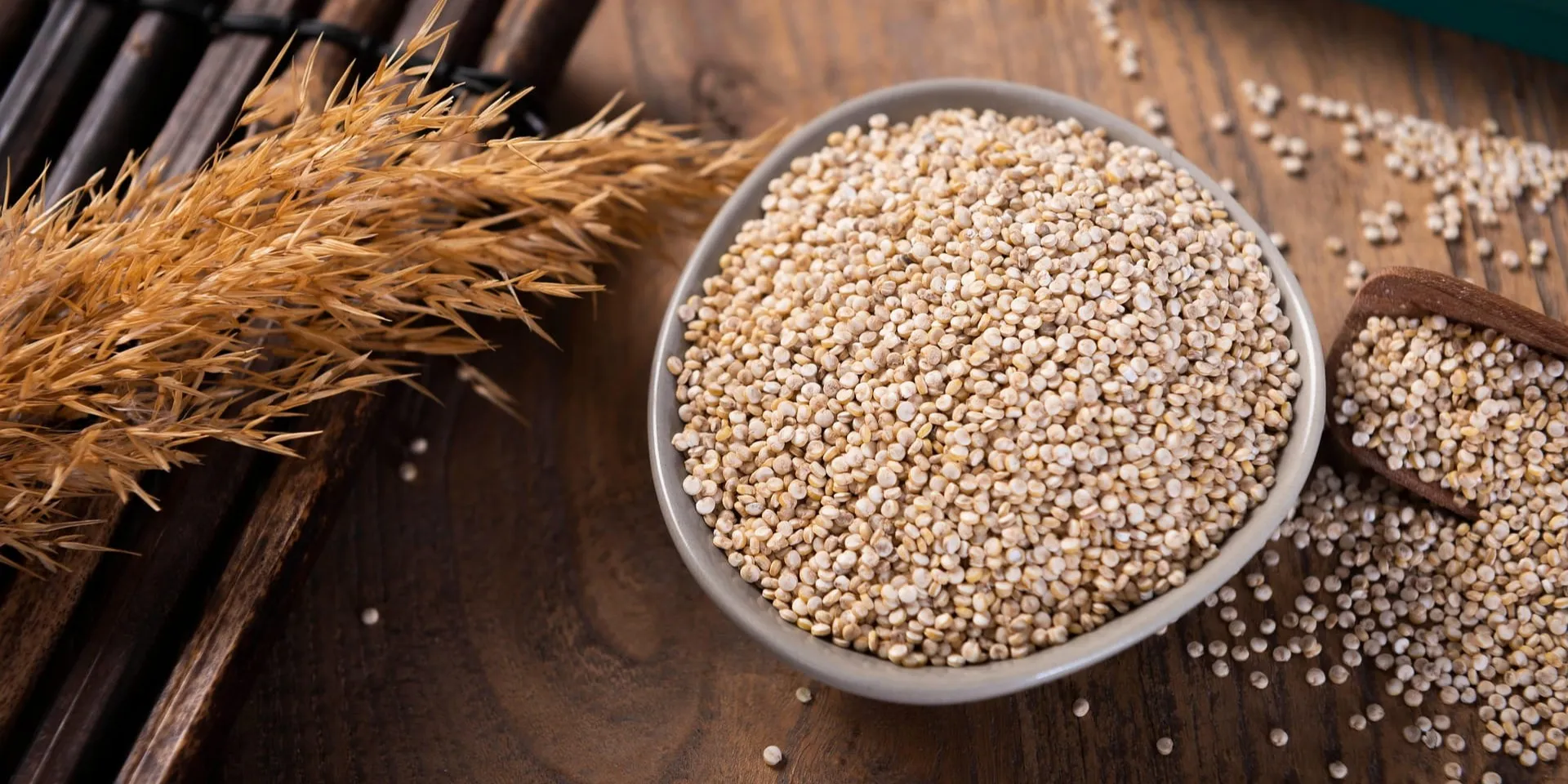
Is Quinoa Gluten Free?
Yes, quinoa is naturally gluten free. It contains no wheat, barley, or rye, and has been a staple food in the Andes for thousands of years. The catch, and there is one, is cross-contamination. Quinoa is often grown, harvested, and processed alongside gluten-containing grains, which means unlabelled
read more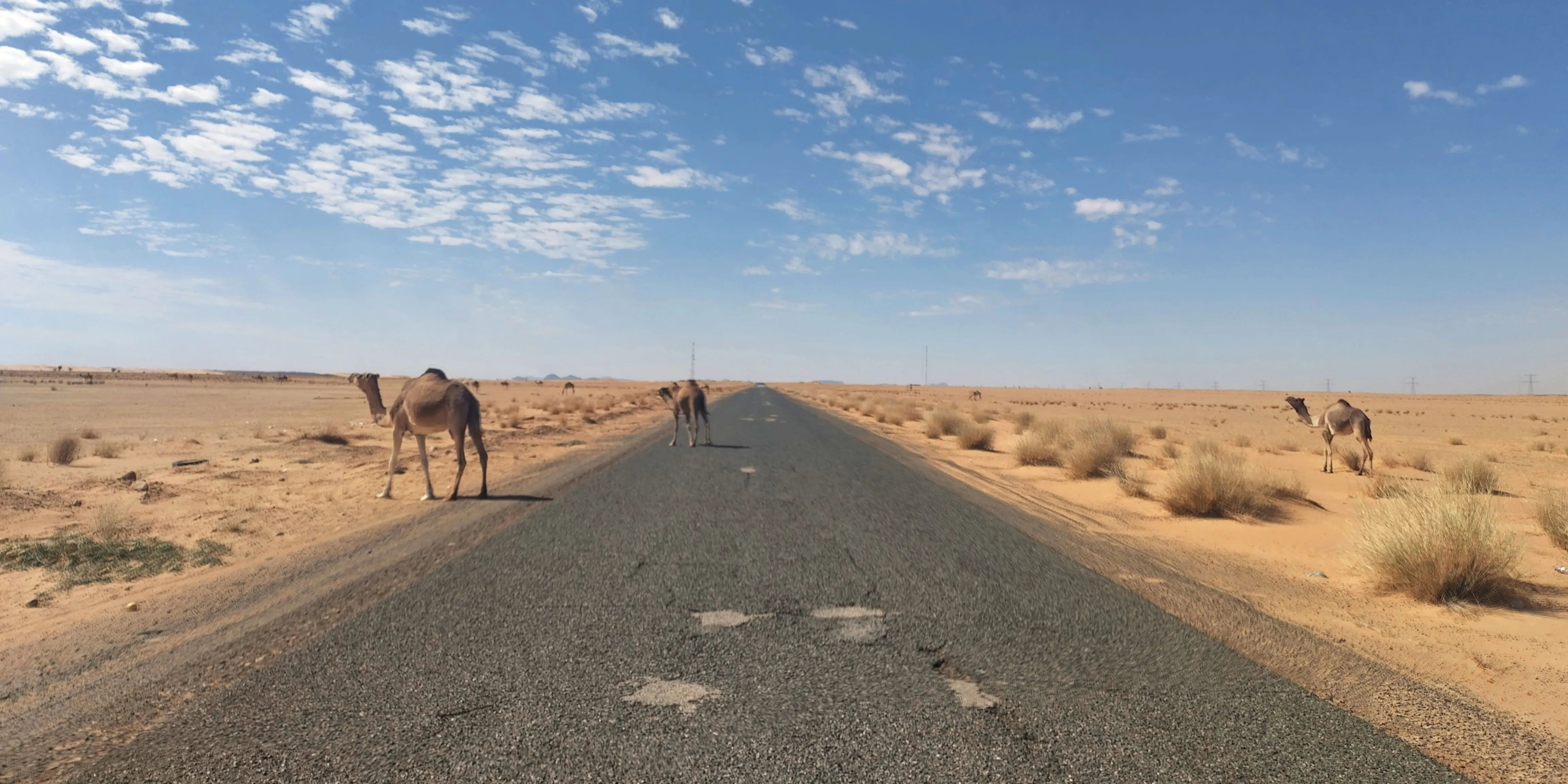
Mauritania: A Gluten Free Guide
- Mauritania
- Travel
- 22 Mar, 2026
Mauritania is not an easy destination for celiacs. Awareness of gluten and celiac disease is effectively zero, and outside Nouakchott you won't find a single dedicated GF product. That said, the country's cuisine is rice- and meat-heavy enough that eating naturally gluten free is possible — especial
read more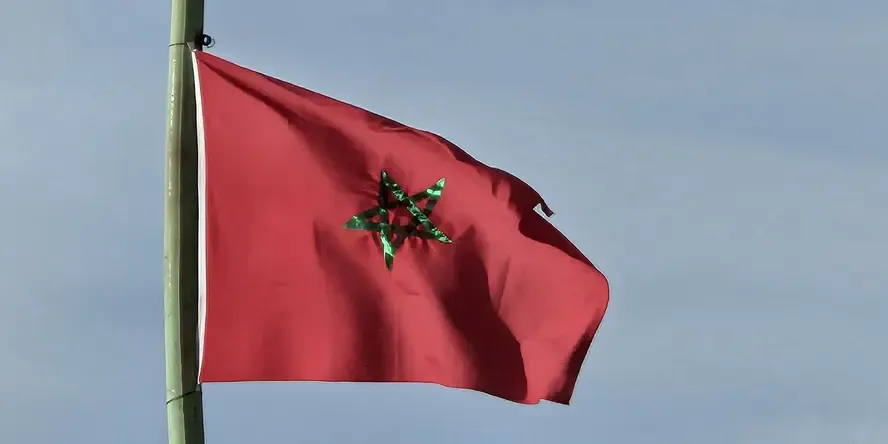
Morocco: A Gluten Free Guide
Morocco is a brilliant place to travel; it has a vibrant culture, interesting landscapes and lovely people. Cycling for 3 months through Morocco taught us that this fantastic country is also one of the toughest for gluten-free travellers. This guide breaks down exactly what food is available off the
read more
Peru: A Gluten Free Guide
Peru is not a country that has caught up with celiac disease. When I was there in 2019, GF labelling was essentially non-existent outside Lima, and restaurant staff in rural areas were more likely to be baffled by the question than helpful. That said, Peru's traditional Andean diet is built on potat
read more
Cusco: A Gluten Free City Guide
Cusco is the most celiac-friendly city in Peru outside Lima, which is not a particularly high bar to clear. That said, the tourist centre has a decent cluster of restaurants that understand the question, mark GF options on their menus, and won't look at you blankly when you mention gluten. The menú
read more
A Gluten Free Guide to Poland
Poland surprised me, but then again, much of Eastern Europe has far surpassed my expectations as a celiac. In the cities and in supermarkets, you're in genuinely good hands: plentiful free-from aisles, strict EU labelling laws, a dedicated certification symbol, and a growing network of certified glu
read more
Gluten Free in Romania
Romania is a country of two speeds for celiacs: Bucharest has a genuinely improving GF scene with certified bakeries and dedicated menus, while rural areas still run almost entirely on wheat. Supermarkets in bigger towns will keep you fed either way.
read more
Senegal: A Gluten Free Guide
Senegal is a manageable country for celiacs, largely because so much of the traditional food is naturally gluten free. Thieboudienne and mafé are safe, filling, cheap, and available everywhere. Supermarkets stock no gluten free substitutes to speak of, so if you rely on GF bread or pasta, you'll nee
read more
Is Mafe Gluten Free?
Mafe is usually gluten free. It's a rich peanut stew made with meat, tomatoes, and vegetables, with no wheat in the traditional recipe. That said, some cooks thicken it with wheat flour, so it's not one you can order blindly without checking.
read more
Is Thieboudienne Gluten Free?
Thieboudienne is naturally gluten free, made from rice, fish, tomatoes, and vegetables. The one caveat is the stock cube used in its preparation, which is worth checking, but the main Senegalese brands are GF.
read more
Gluten Free in Mississippi
Mississippi is a mixed bag for celiacs. Chains and Walmart have your back, but local diners and Southern classics are a minefield of shared fryers and flour-dusted everything. Here's what I learned over two months of work trips.
read more
South India: A Gluten Free Guide
India is a beautiful, diverse country with rich food traditions. The South, in particular, is an excellent destination for gluten-free travellers thanks to its reliance on rice, lentils, coconut, vegetables, and spices. This guide focuses on South India, where we spent three weeks exploring, eating
read more
Kenya: A Gluten Free Guide
Kenya is a brilliant country to travel through as a celiac. celiac awareness is virtually zero, but the traditional diet is naturally gluten free, fresh food is abundant, and self-catering is easy and enjoyable.
read more
Is Ugali Gluten Free?
Ugali is Kenya's staple food, eaten by the vast majority of the population at least once a day. It is made from maize flour and water, which makes it naturally gluten free. Here's what a celiac needs to know about eating it safely in Kenya.
read more
Nairobi: A Gluten Free Guide
Nairobi is a great city to visit as a celiac. Celiac awareness is low, but the food scene is excellent, self-catering is easy, and the traditional Kenyan diet is naturally gluten free friendly. Here is what we learned after nearly a month in the city.
read more
Is Couscous Gluten Free?
In short, no. Traditional couscous in Morocco is not gluten-free and is unsafe for celiacs. Couscous, of Berber origin, has been eaten since ancient times. It’s a cornerstone of Moroccan cuisine and many families eat it traditionally on Fridays, as well as festivals and family gatherings.
read more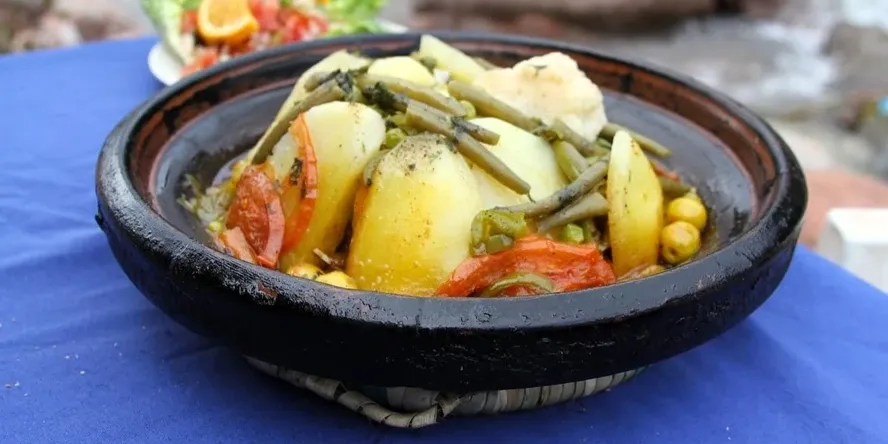
Is Tagine Gluten Free?
In short, yes! Tagine is a cornerstone of the Moroccan diet, and because the traditional recipe is naturally gluten-free, it's generally safe for celiacs. However, it's a variable dish coming in countless shapes and forms across Morocco, so it's always worth being cautious and asking questions befor
read more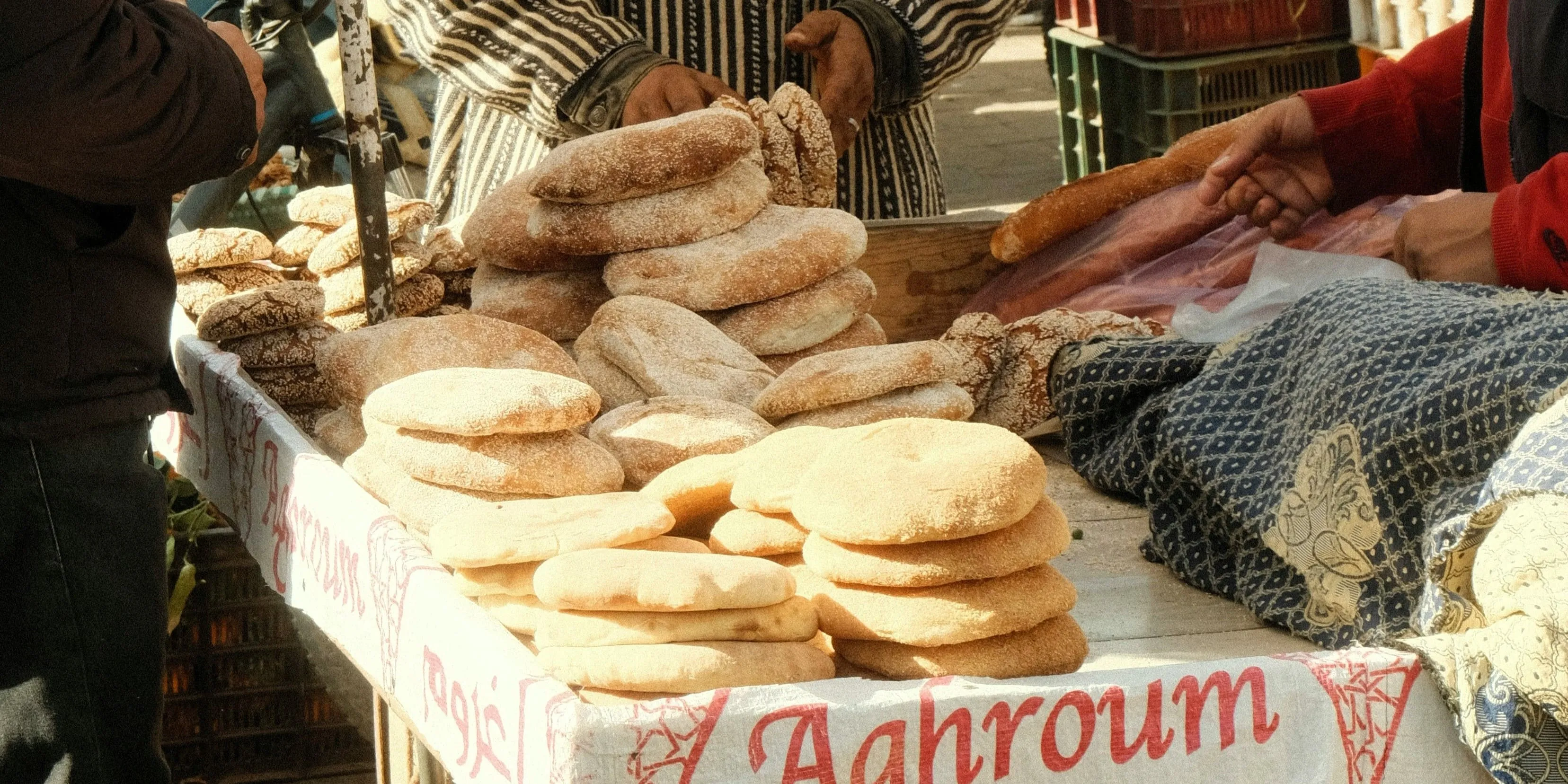
Moroccan Bread: Is Any of it Gluten Free?
No, all Moroccan bread is traditionally made with wheat flour and is unsafe for celiacs.Bread is the cornerstone of Moroccan cuisine, eaten with almost every meal and used to mop up sauces and scoop tagines. As a result, it’s one of the hardest things to avoid when travelling gluten free in Moro
read more