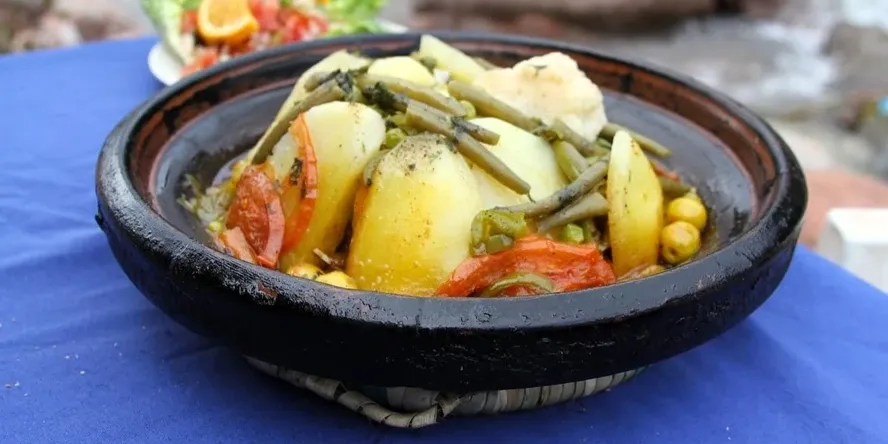
Is Tagine Gluten Free?
In short, yes! Tagine is a cornerstone of the Moroccan diet, and because the traditional recipe is naturally gluten-free, it’s generally safe for celiacs. However, it’s a variable dish coming in countless shapes and forms across Morocco, so it’s always worth being cautious and asking questions before you order.
What exactly is Tagine?
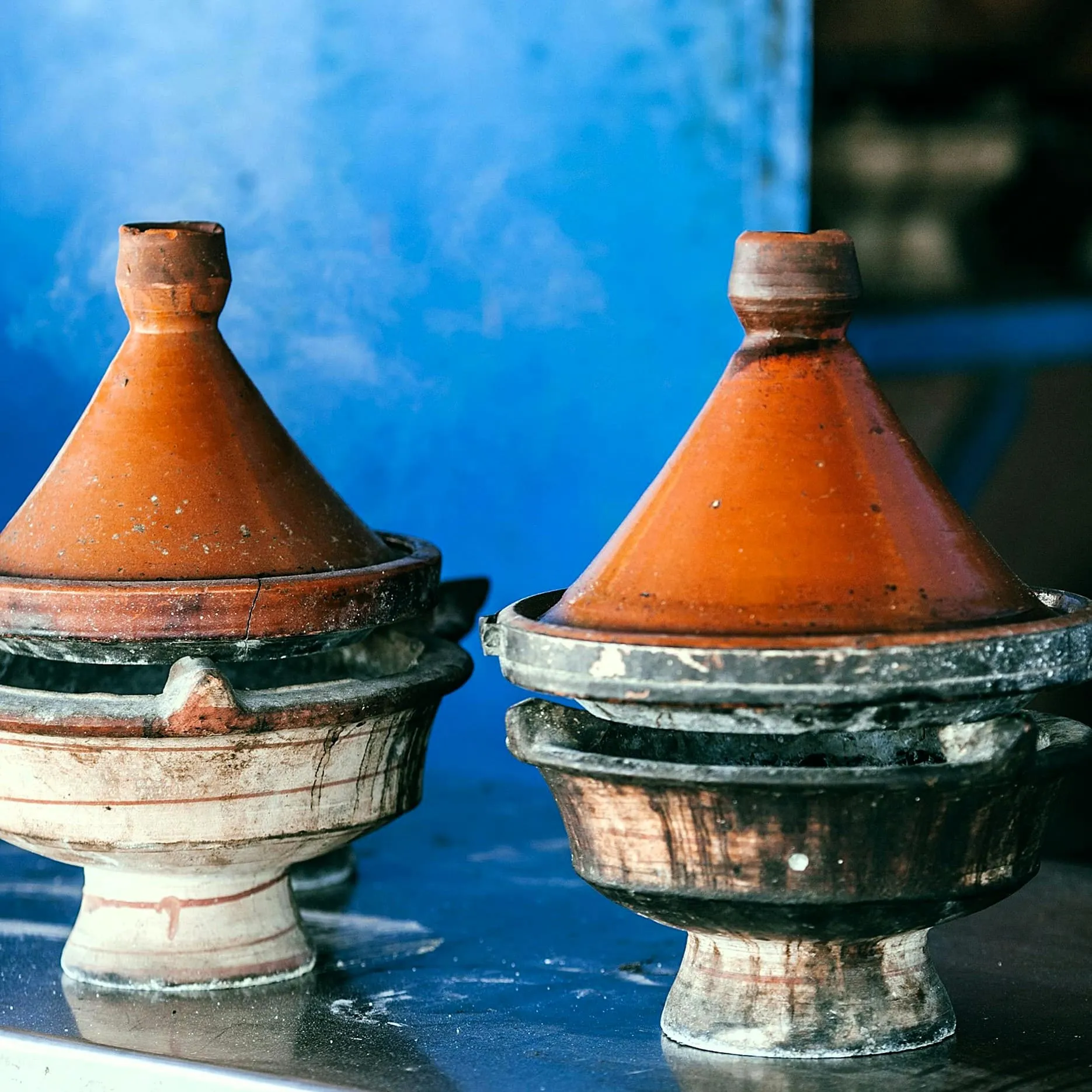
A tagine (or ṭajīn) refers to both the traditional North African dish and the distinctive earthenware pot in which it is traditionally cooked.
The ceramic two-piece vessel, often made from red clay, is believed to originate from the Anti-Atlas Mountains. The design is genius: the cover traps steam, returning the condensed liquid back to the bottom, which allows the dish to be cooked using a minimal amount of water.
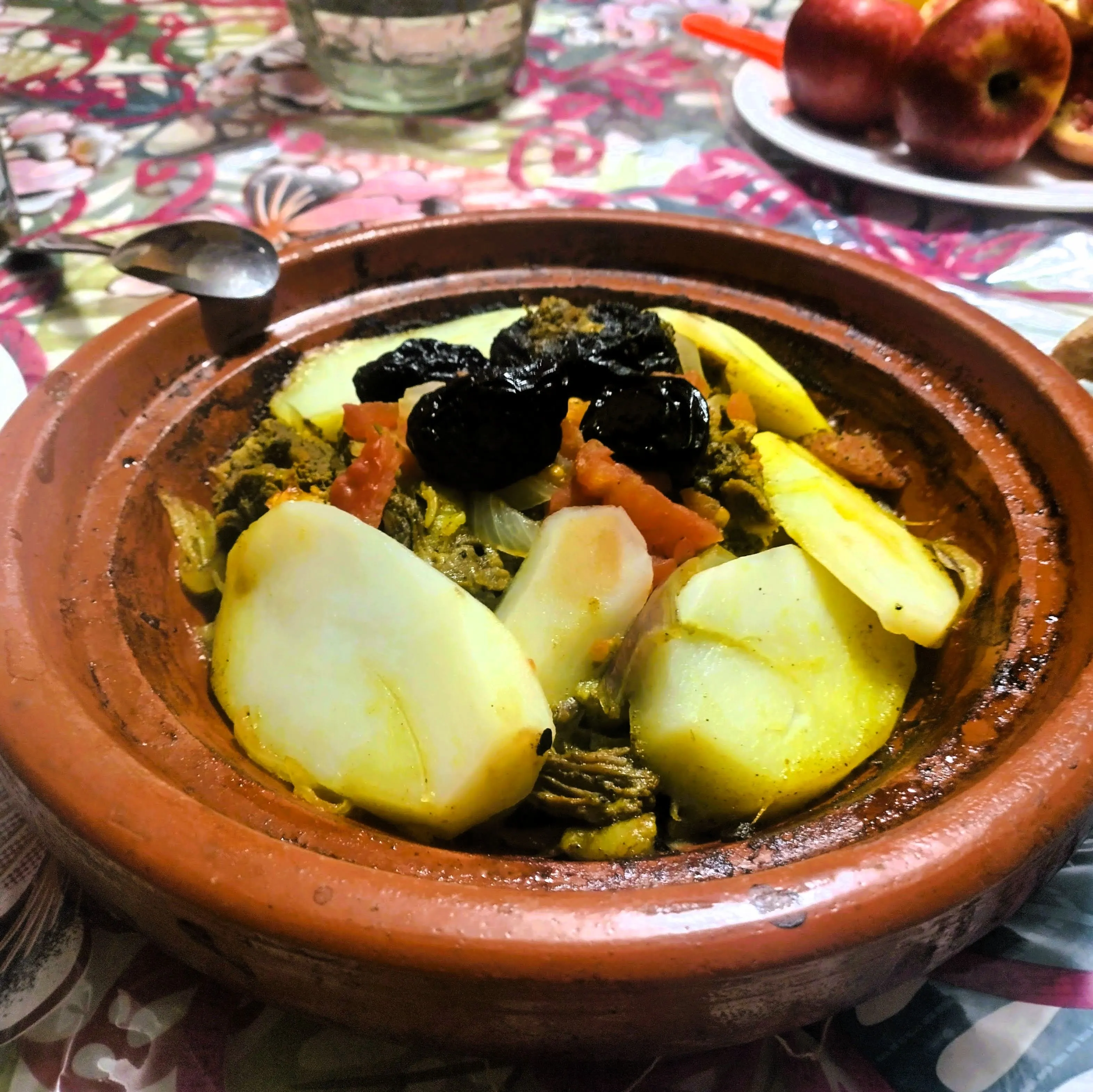
Moroccan tagines are essentially slow-cooked stews. They are typically rich, flavourful mixes of sliced meat, poultry, or fish combined with vegetables or fruit. Common spices include ginger, turmeric, cumin, cinnamon, saffron, and often paprika or chilli in vegetable variants. The famous sweet and sour combination, like lamb with prunes, is a classic of the tagine tradition.
Types of Tagines
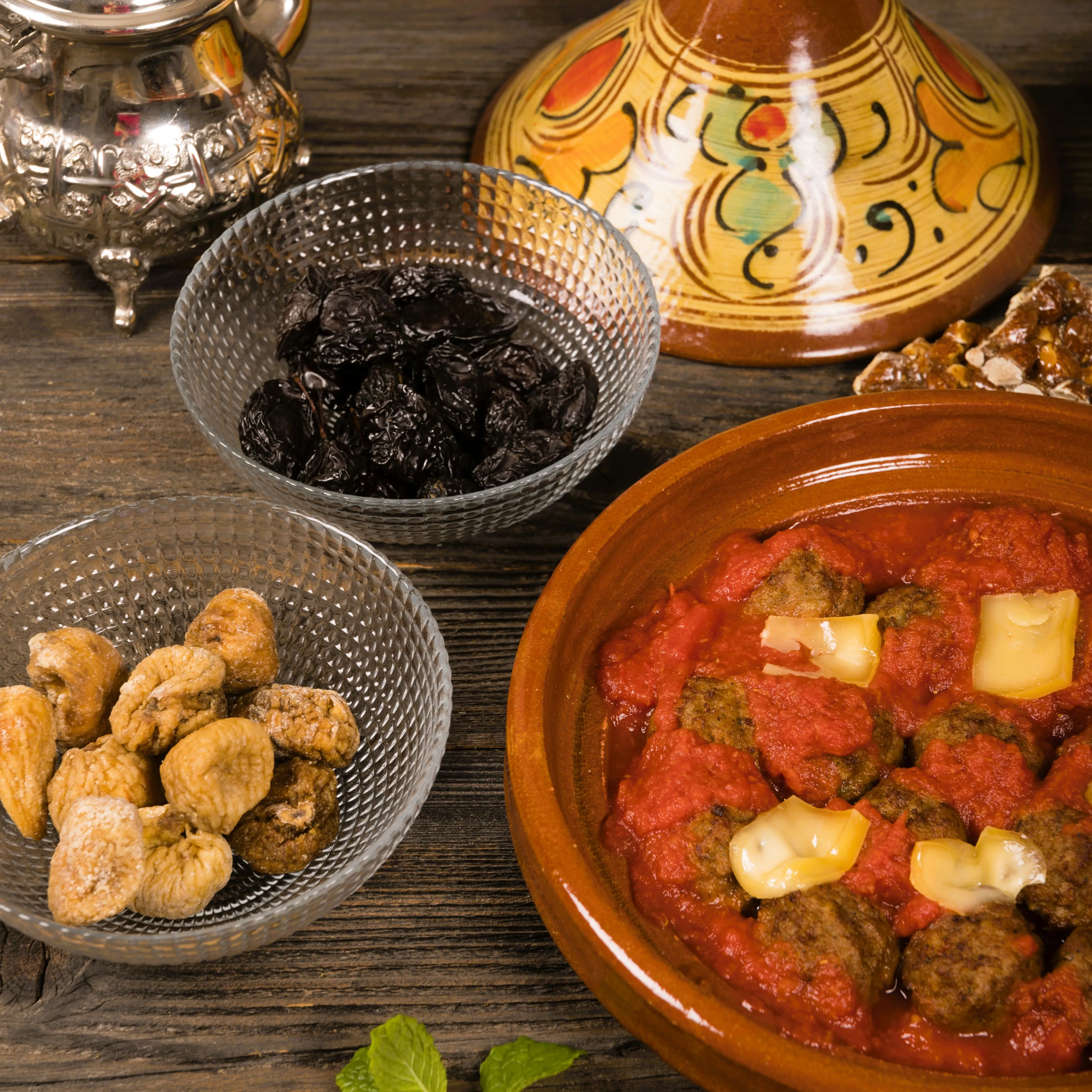
The core, classic tagines are all mixtures of meat and vegetables stewed in the pot, making them inherently gluten-free. The major types you’ll encounter throughout Morocco include:
- Chicken
- Kofta (beef meatballs)
- Beef with fruit (such as apple)
- Vegetable
- Fish (more common in coastal regions)
- Lamb and date
Considerations as a Celiac
Potential Gluten
There are two main sources of hidden gluten you need to watch out for:
- Couscous inclusion: some restaurants, particularly with Chicken and Vegetable Tagines, may cook the dish with couscous mixed in, or serve the tagine on a bed of couscous. This isn’t always listed on the menu, so it’s best to double-check with your server before ordering.
- Stock usage: some restaurants use stock cubes to enhance the flavour of the tagine, especially those with mutton and beef. While Knorr, a major stock brand in Morocco, is gluten free, other local or brands contain wheat. It’s essential to ask the server if stock is used and what kind.
Feeling Full
Tagine is nearly always served with Khobz (bread), and on its own, it’s not the most filling. Our tips to make this dish more satisfying:
- Ask for a swap: Sometimes, you can successfully ask for rice instead of bread.
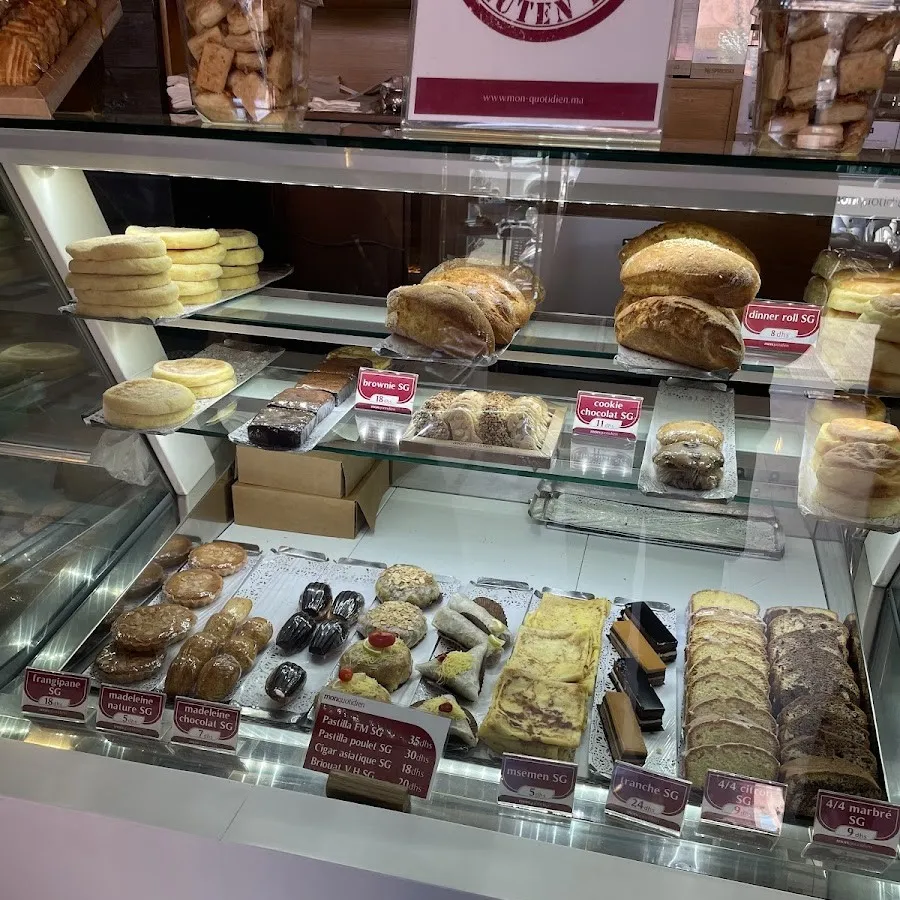
- Bring your own: If you are in a larger city like Marrakesh that has gluten-free bakeries (like Monquotidien). I highly recommend buying some bread in advance and bringing it with you to enjoy with the tagine. Alternatively, you could prepare your own maize breads (using gofio) beforehand.
Cross Contamination
The risk of cross contamination in tagines is generally low, thanks to the cooking method. The ingredients are simply cut up, assembled in the earthenware, covered and left to stew. The main source of gluten in most Moroccan kitchens is bread, which is largely self-contained.
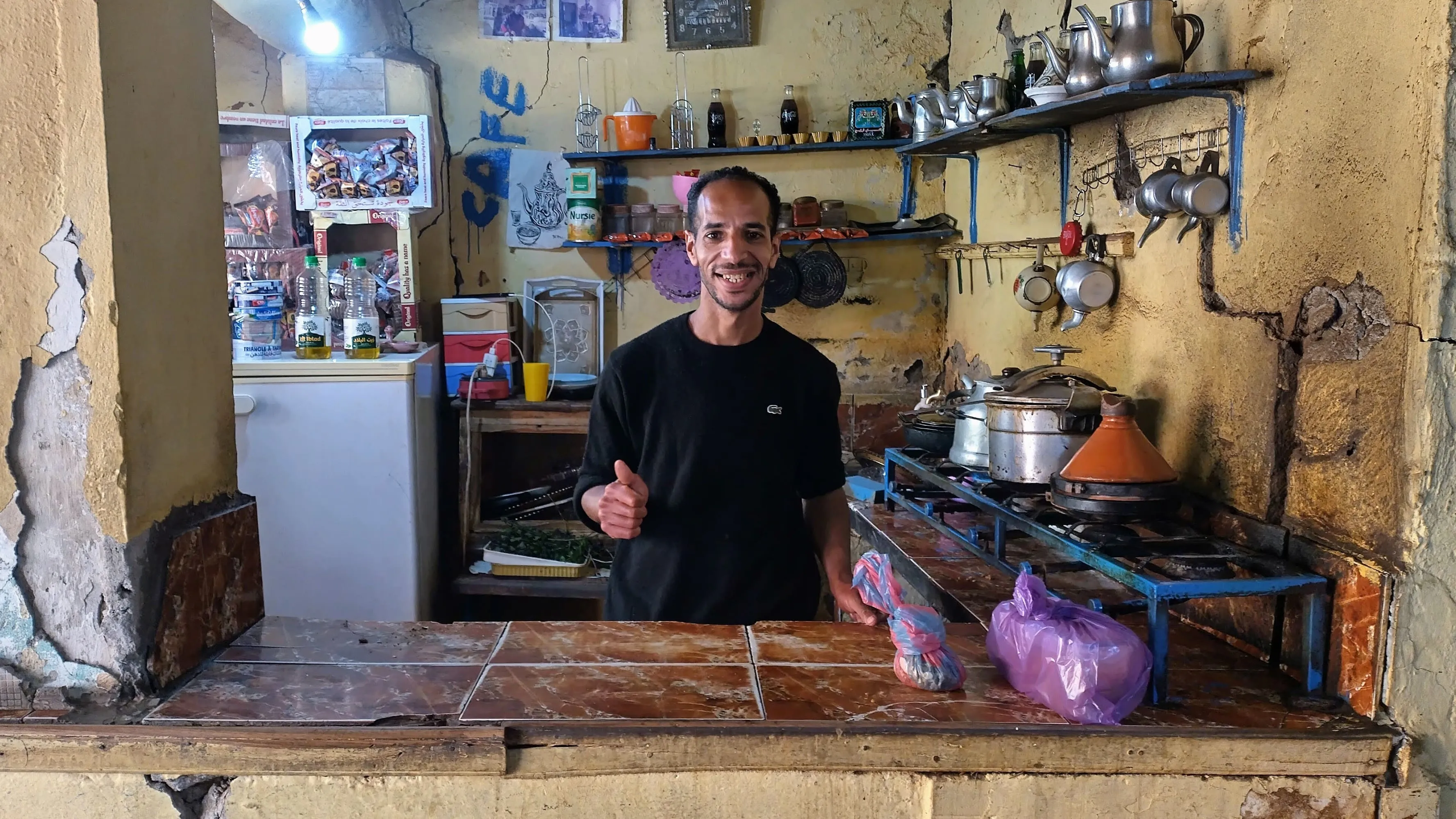
An important consideration is that outside of the tourism areas, awareness of celiac disease and gluten is low, chefs are not generally trained in limiting cross contamination.
Final Thoughts
Tagine is a delicious and integral part of the Moroccan experience, and the good news is that the dish is typically gluten-free by design. The key takeaway for any celiac traveler is that safety hinges entirely on preparation and communication. Never assume, always verify the inclusion of couscous or wheat-based stock. By being vigilant and sticking to simple, naturally gluten-free dishes like tagine, you can enjoy the rich flavors of Moroccan cuisine.

Travelling Gluten-Free in Morocco?
This country is beautiful, but navigating a gluten-free diet where bread (Khobz) is deeply woven into the culture requires planning.
If you are a celiac traveler, our Gluten-Free in Morocco Guide is an essential resource. It provides:
- Communication tools: essential translated allergy phrases to prevent miscommunication in local restaurants.
- Safety strategy: detailed guidance on safe self-catering, sourcing reliable groceries (including GF staples), and tips for managing hospitality.
- Risk assessment: a breakdown of risky dishes and why seemingly safe options like tagine are often served with cross-contamination risk.
This guide details the survival strategies we developed during three months of cycling through Morocco, ensuring you can travel well and eat safely.
Tags :
Share :
Related Posts
Is Couscous Gluten Free?
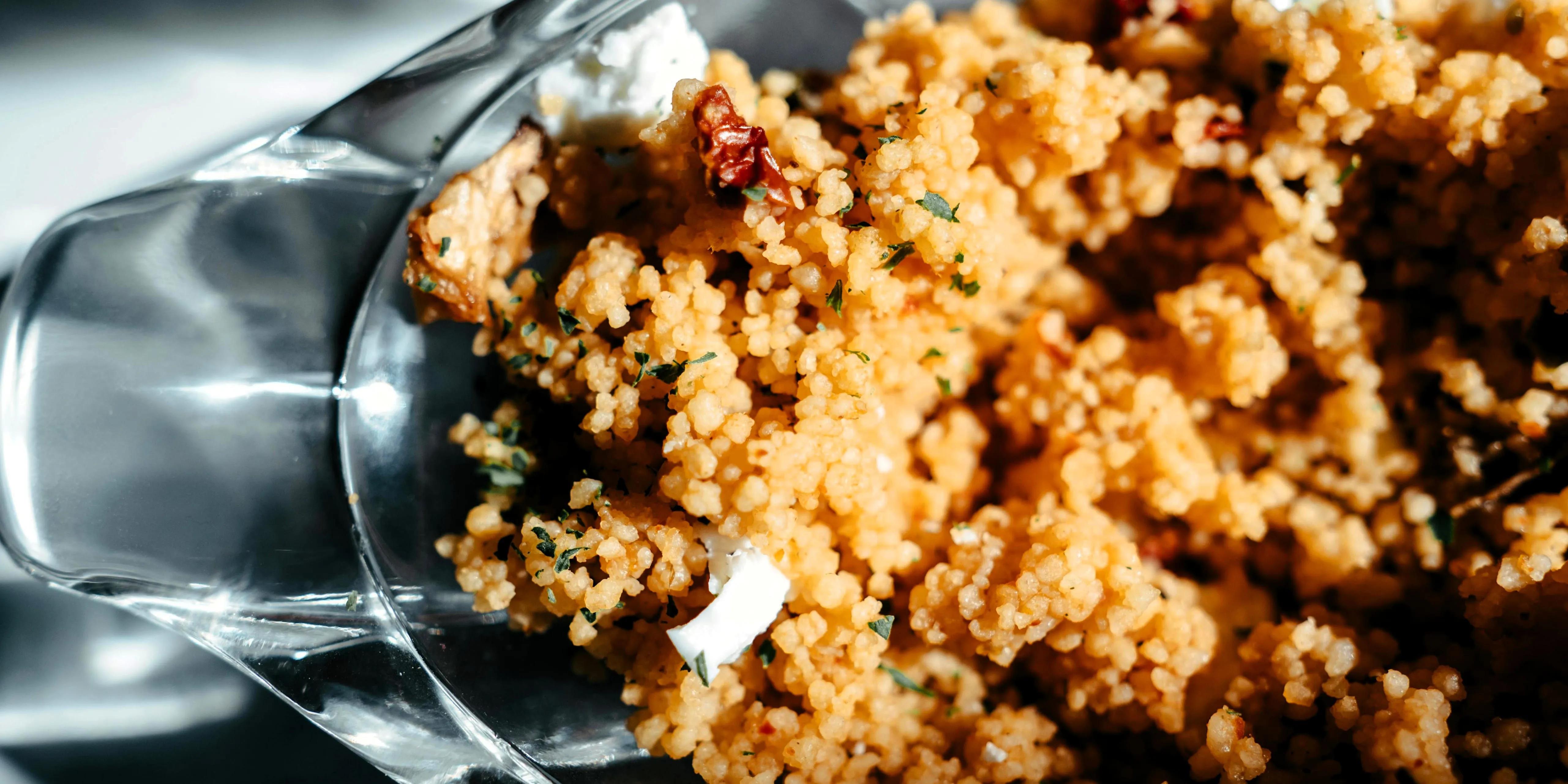
In short, no. Traditional couscous in Morocco is not gluten-free and is unsafe for celiacs. Couscous, of Berber origin, has been eaten since ancient times. It’s a cornerstone of Moroccan cuisine and many families eat it traditionally on Fridays, as well as festivals and family gatherings.
read more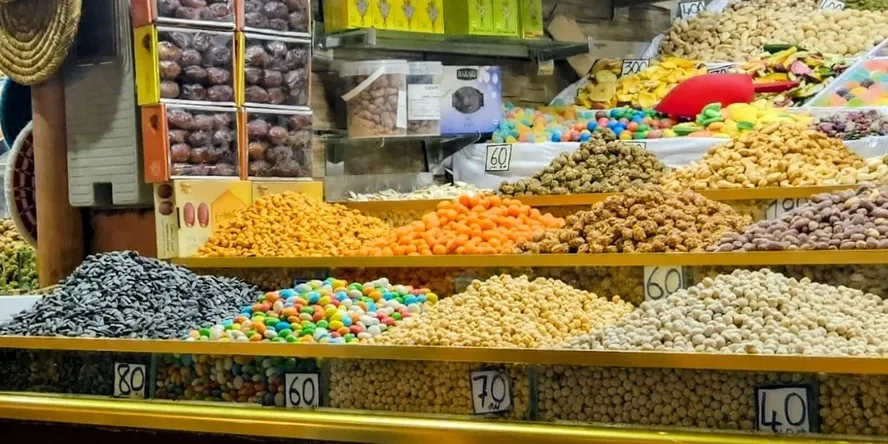
Marrakesh: A Gluten Free Guide
The gluten free food scene in Marrakesh came as a nice surprise during my travels through Morocco: a country with little awareness of celiac disease. It was the first place I visited in which restaurants actively cater to celiacs. There are even bakeries in which you can find gluten free bread.
read more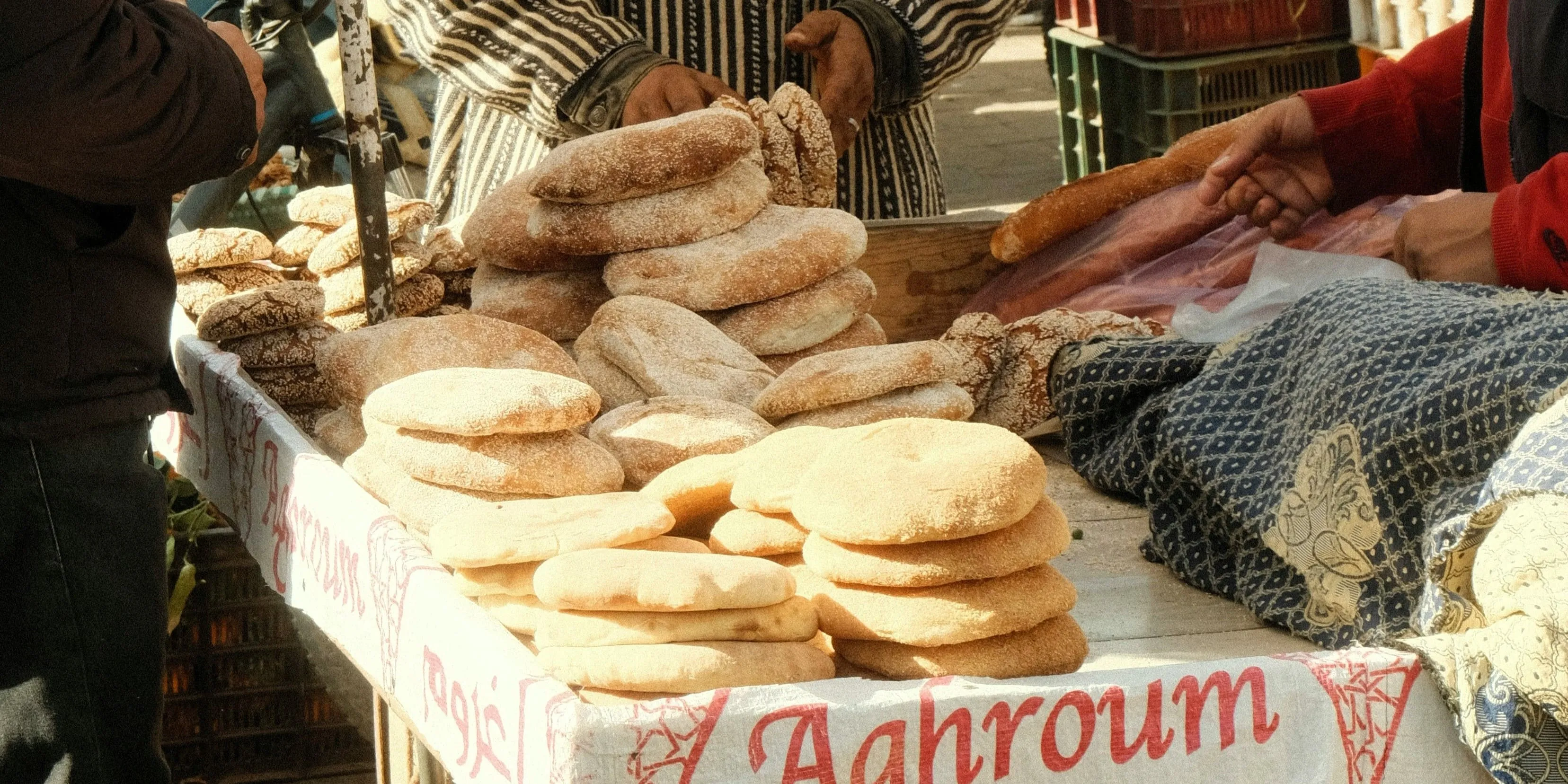
Moroccan Bread: Is Any of it Gluten Free?
No, all Moroccan bread is traditionally made with wheat flour and is unsafe for celiacs.Bread is the cornerstone of Moroccan cuisine, eaten with almost every meal and used to mop up sauces and scoop tagines. As a result, it’s one of the hardest things to avoid when travelling gluten free in Moro
read more
McDonalds Gluten Free: Worldwide Search Tool
Ever wondered if you can get a gluten free McDonald’s in, say, Argentina? Or whether the fries are truly safe in Mauritania? Well wonder no more, the tool in this post will give you the lowdown on eating gluten free at any McDonalds in the world.
read more
Spain: A Gluten Free Guide
Ahhh Spain, lovely Spain. The weather’s (mostly) good, landscapes varied, and gluten free food is abundant. Celiac disease is well known, and there are some good government and third-party resources to help with eating out gluten free. With a bit of care, you can easily travel in Spain and successfu
read more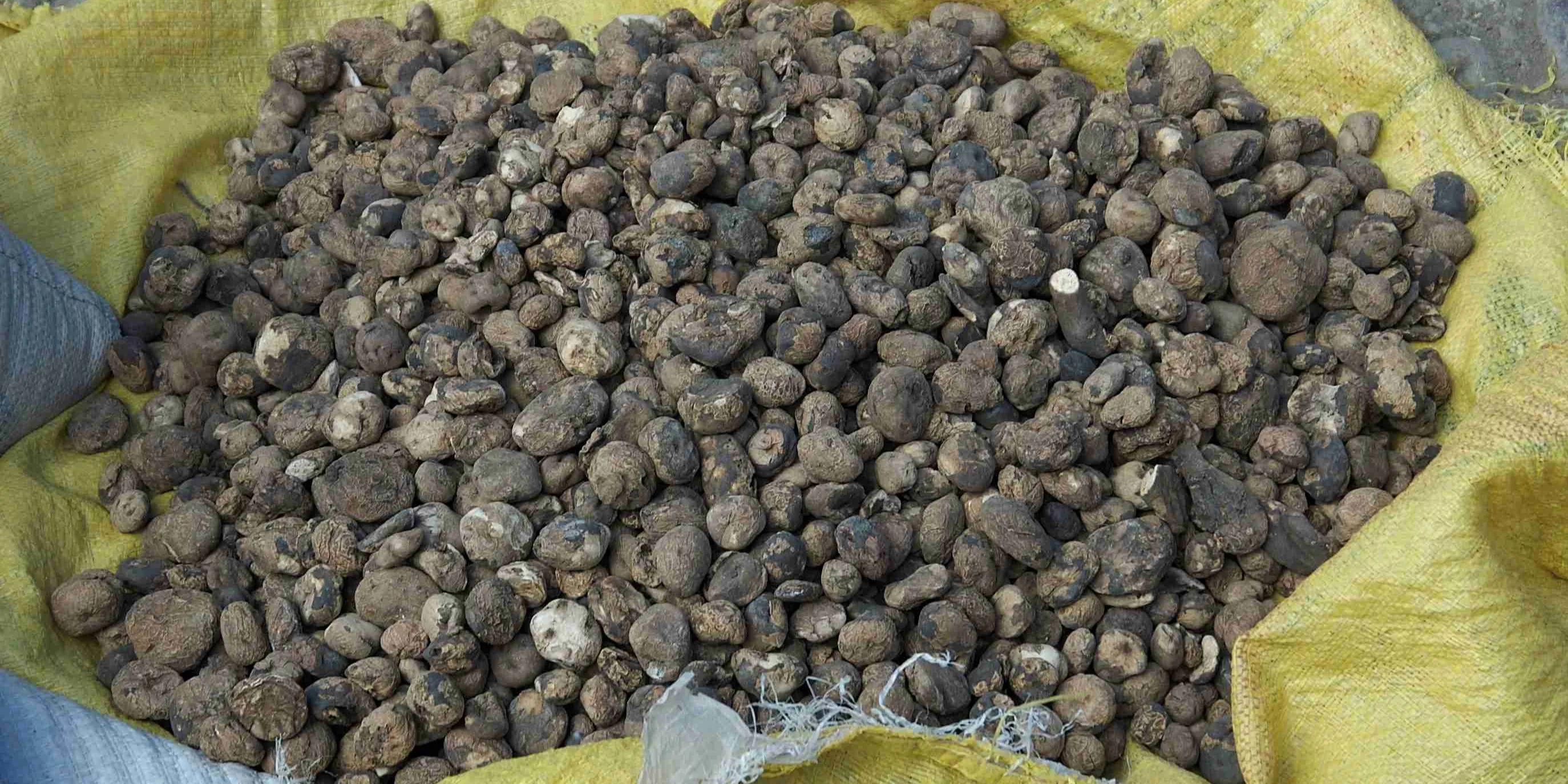
Are Chuños Gluten Free?
Chuños are freeze-dried potatoes, making them naturally gluten free. However, some of the Bolivian and Peruvian dishes they are traditionally used in do contain gluten. They’re a must-try if you’re visiting the region — a unique food item found almost nowhere else in the world.
read more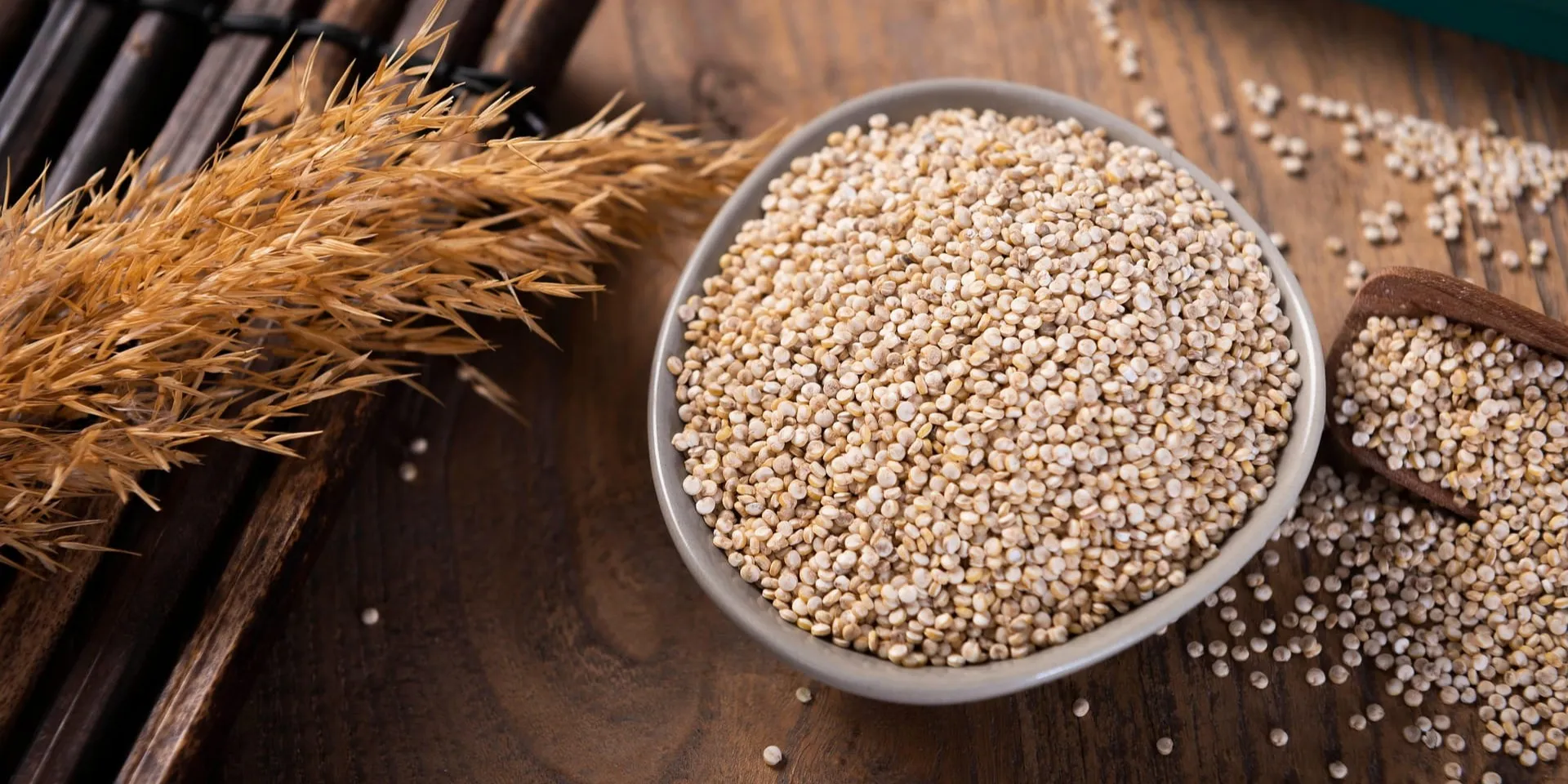
Is Quinoa Gluten Free?
Yes, quinoa is naturally gluten free. It contains no wheat, barley, or rye, and has been a staple food in the Andes for thousands of years. The catch, and there is one, is cross-contamination. Quinoa is often grown, harvested, and processed alongside gluten-containing grains, which means unlabelled
read more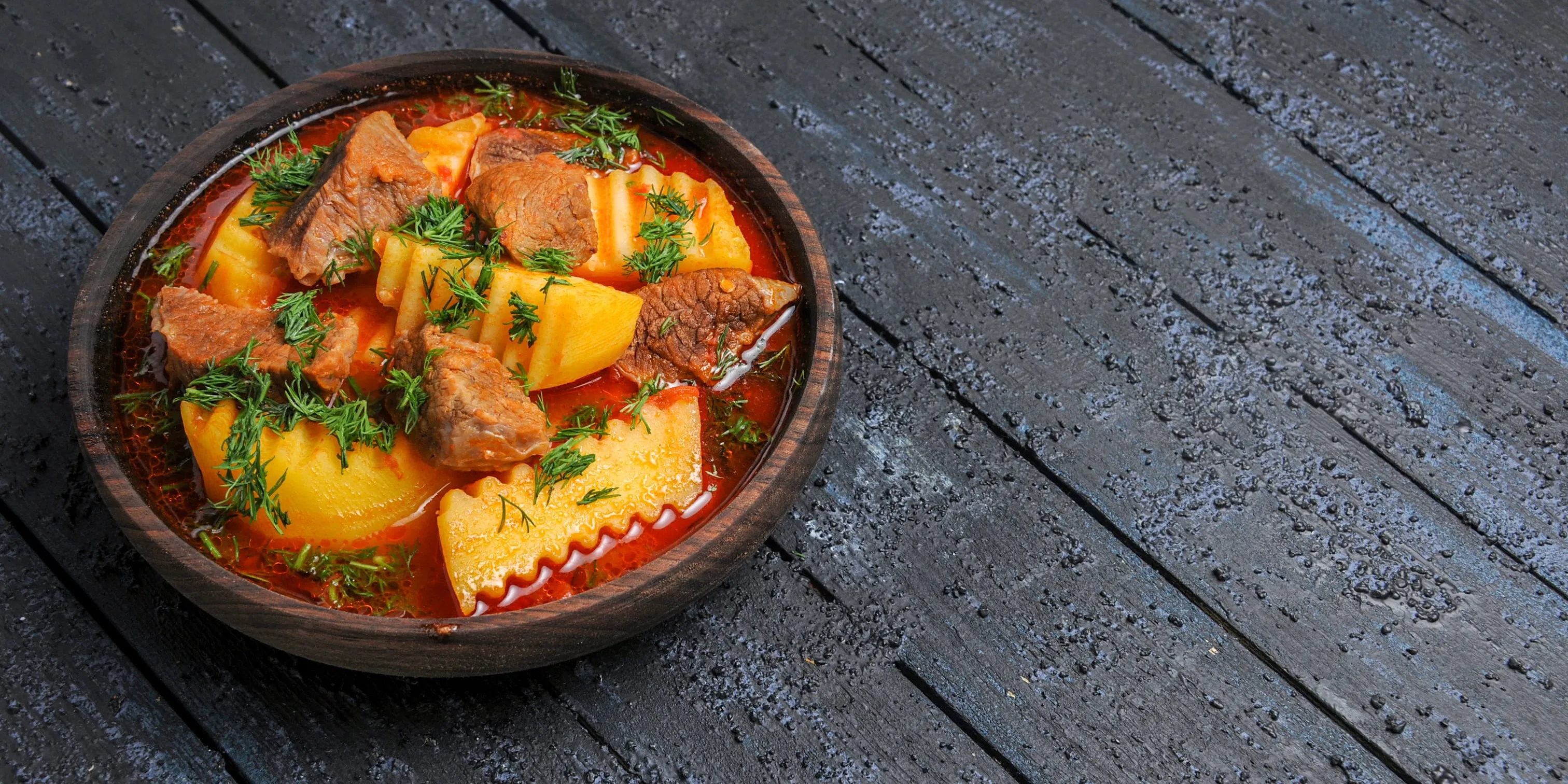
Is Mafe Gluten Free?
Mafe is usually gluten free. It's a rich peanut stew made with meat, tomatoes, and vegetables, with no wheat in the traditional recipe. That said, some cooks thicken it with wheat flour, so it's not one you can order blindly without checking.
read more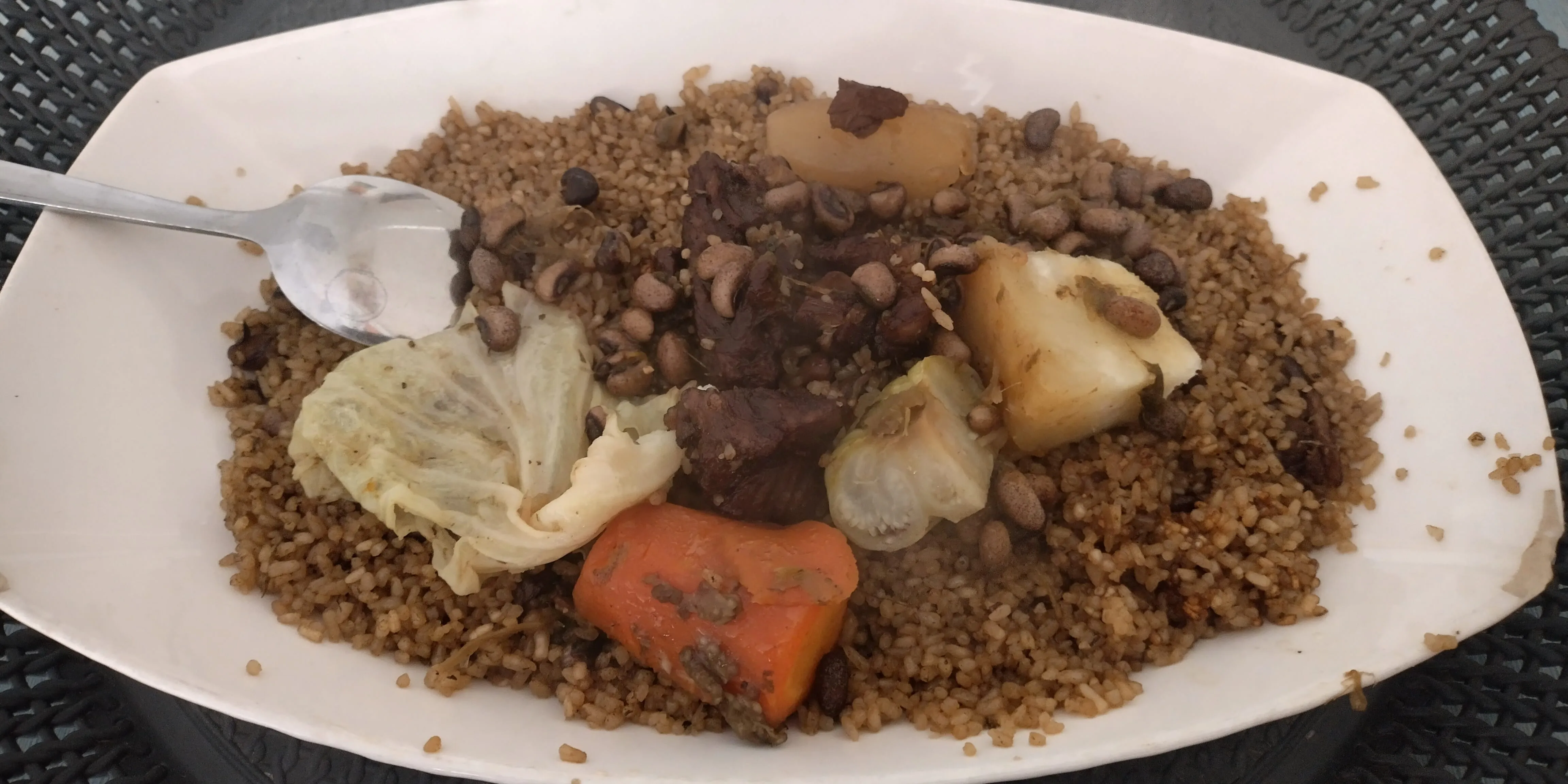
Is Thieboudienne Gluten Free?
Thieboudienne is naturally gluten free, made from rice, fish, tomatoes, and vegetables. The one caveat is the stock cube used in its preparation, which is worth checking, but the main Senegalese brands are GF.
read more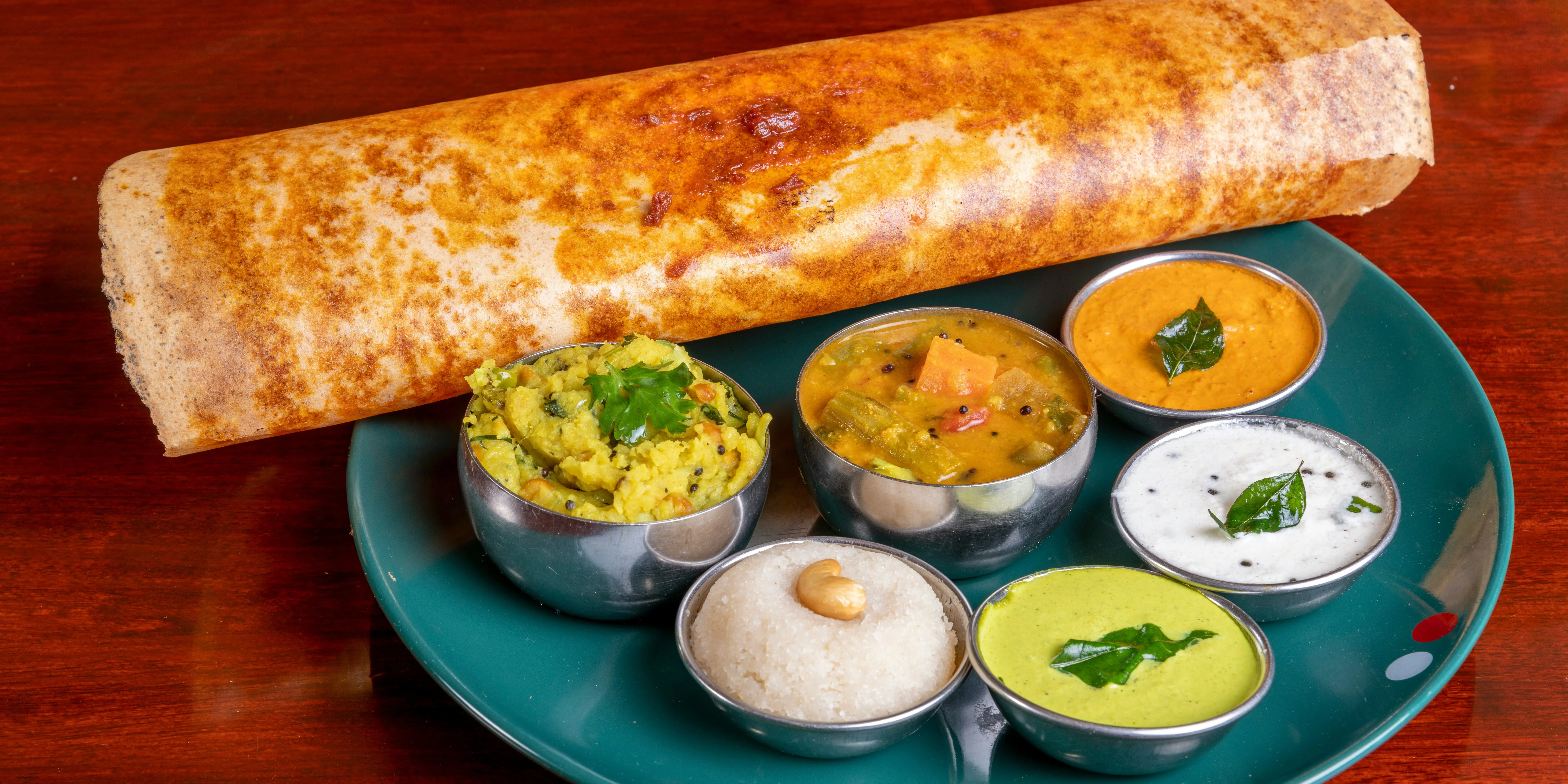
Is Dosa Gluten Free?
Dosa is naturally gluten free, made from a fermented batter of rice and lentils. Most varieties are safe for celiacs, though a handful of dishes served alongside dosa are worth watching out for.
read more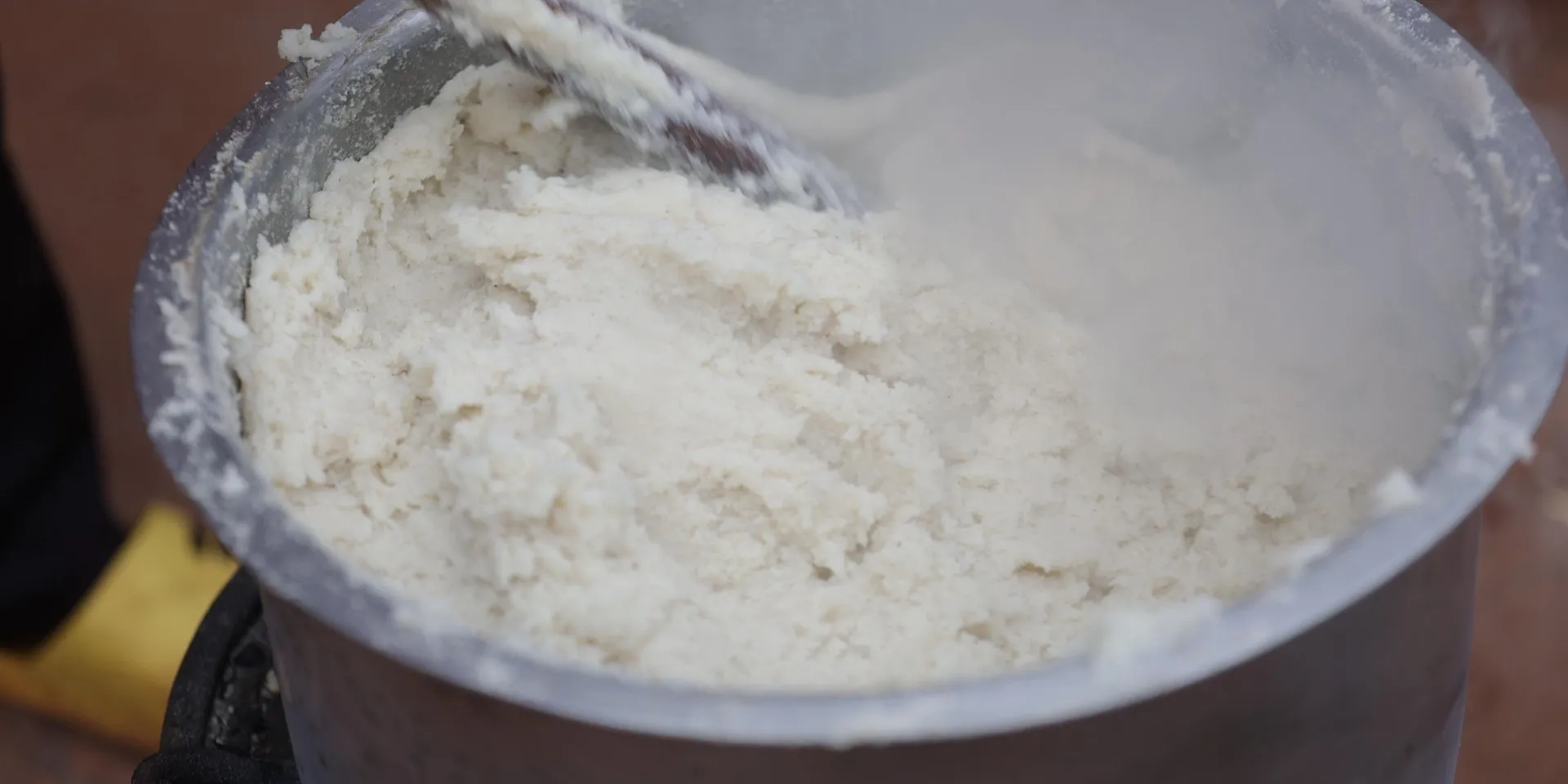
Is Ugali Gluten Free?
Ugali is Kenya's staple food, eaten by the vast majority of the population at least once a day. It is made from maize flour and water, which makes it naturally gluten free. Here's what a celiac needs to know about eating it safely in Kenya.
read more