Is Couscous Gluten Free?
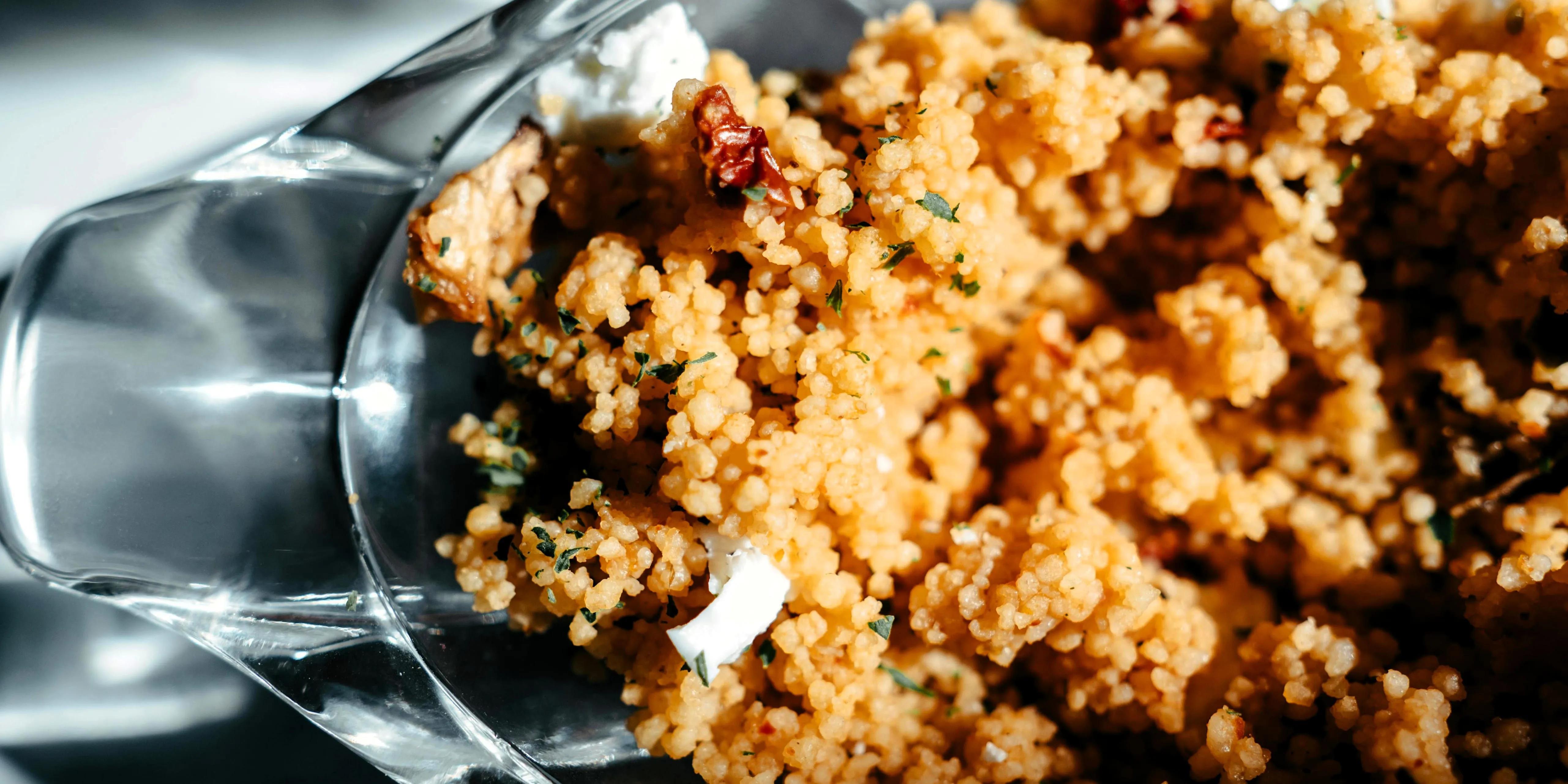
In short, no. Traditional couscous in Morocco is not gluten-free and is unsafe for celiacs.
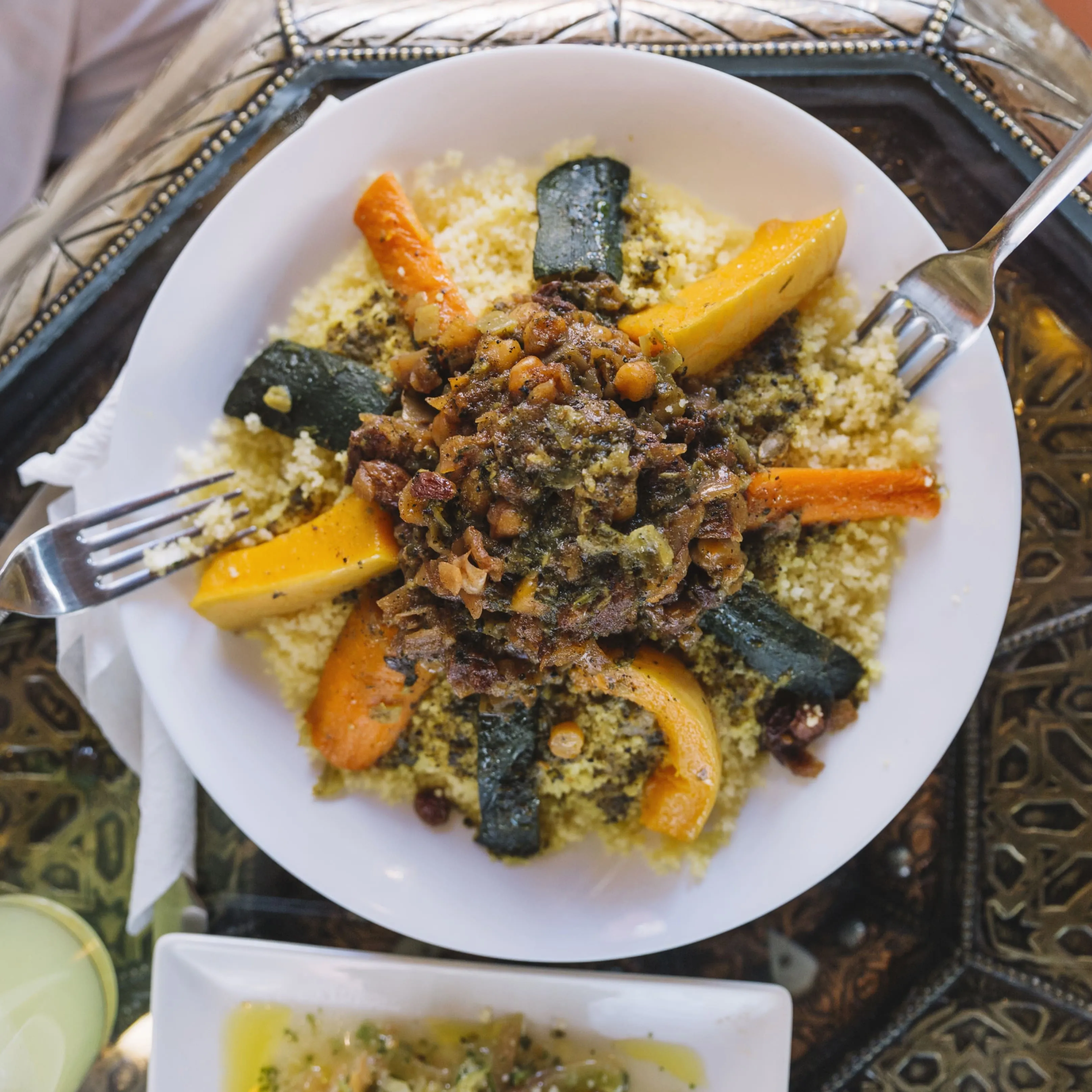
Couscous, of Berber origin, has been eaten since ancient times. It’s a cornerstone of Moroccan cuisine and many families eat it traditionally on Fridays, as well as festivals and family gatherings. Restaurants and accommodation across Morocco will serve traditional couscous made from wheat. [1] [2]
What is Traditional Couscous?
Traditional Moroccan couscous is made of semolina, which is coarsely-ground durum wheat, sometimes combined with fine wheat flour. Consequently, it always contains gluten.
Couscous is commonly mistaken for a grain due to its small round appearance but it’s technically considered a wheat based pasta.
Are There Gluten-free Types of Couscous?
Historically, there have been non-wheat alternatives, but these are rare and not commonly served today:
- Barley couscous (Tchicha): historically widespread, but unsafe for coeliacs
- Cornmeal couscous (Bdez): traditionally found in some rural, arid areas and naturally gluten-free
While corn or rice couscous can occasionally be found in large supermarkets, they are uncommon, expensive, and unreliable. You should not expect to find them in restaurants.
Can Couscous be Made Gluten-Free in Restaurants?
In some tourist areas, particularly cities like Marrakesh, restaurants are more familiar with dietary requests and might offer substitutions. However, even if a gluten-free couscous alternative is available, the cross-contamination risk is high.
Couscous is steamed in a couscoussier, and shared equipment, utensils, and work surfaces are the norm in restaurants. Additionally, the broth used to steam couscous is often made with wheat-based stock cubes or thickeners.
For coeliacs, couscous should generally be considered unsafe.
What Should You Eat Instead?
To enjoy Moroccan food safely, it’s best to focus on dishes that are naturally gluten-free, such as:
- Tagines
- Grilled meats and vegetables
- Rice-based dishes where available
These dishes are common and more likely to be safe for celiacs.
Key Points
- Traditional couscous in Morocco is never gluten-free
- Gluten-free versions exist but are rare and unreliable
- Cross-contamination risk is high, even with alternative grains
- To eat safely, prioritise naturally gluten-free Moroccan dishes like tagine
Sources
[1] 2014, Fatma Çoşkun, Encyclopaedia of the History of Science, Technology, and Medicine in Non-Western Cultures, page 1465 Couscous, available here
[2] 2022, Rifka Hammami 1, Reine Barbar 2, Marie Laurent 3, Bernard Cuq 2, Durum Wheat Couscous Grains: An Ethnic Mediterranean Food at the Interface of Traditional Domestic Preparation and Industrial Manufacturing, available here
Travelling Gluten-Free in Morocco?
This country is beautiful, but navigating a gluten-free diet where bread (Khobz) is deeply woven into the culture requires planning.
If you are a celiac traveler, our Gluten-Free in Morocco Guide is an essential resource. It provides:
- Communication tools: essential translated allergy phrases to prevent miscommunication in local restaurants.
- Safety strategy: detailed guidance on safe self-catering, sourcing reliable groceries (including GF staples), and tips for managing hospitality.
- Risk assessment: a breakdown of risky dishes and why seemingly safe options like tagine are often served with cross-contamination risk.
This guide details the survival strategies we developed during three months of cycling through Morocco, ensuring you can travel well and eat safely.
Tags :
Share :
Related Posts
Is Tagine Gluten Free?
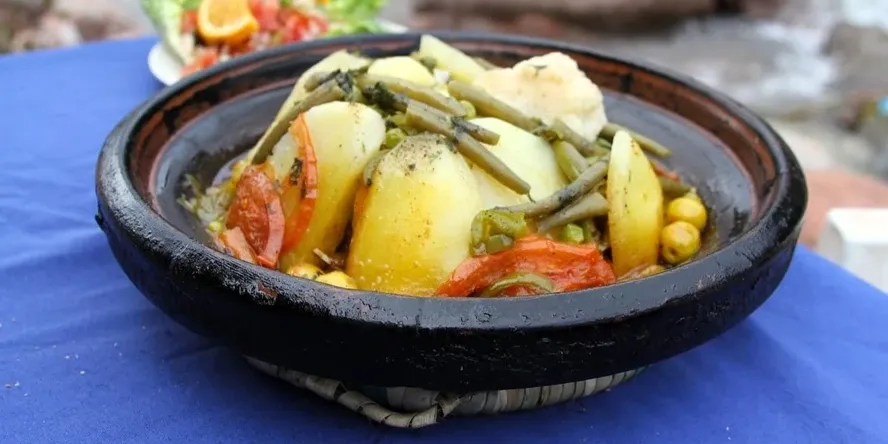
In short, yes! Tagine is a cornerstone of the Moroccan diet, and because the traditional recipe is naturally gluten-free, it's generally safe for celiacs. However, it's a variable dish coming in countless shapes and forms across Morocco, so it's always worth being cautious and asking questions befor
read more
Marrakesh: A Gluten Free Guide
The gluten free food scene in Marrakesh came as a nice surprise during my travels through Morocco: a country with little awareness of celiac disease. It was the first place I visited in which restaurants actively cater to celiacs. There are even bakeries in which you can find gluten free bread.
read more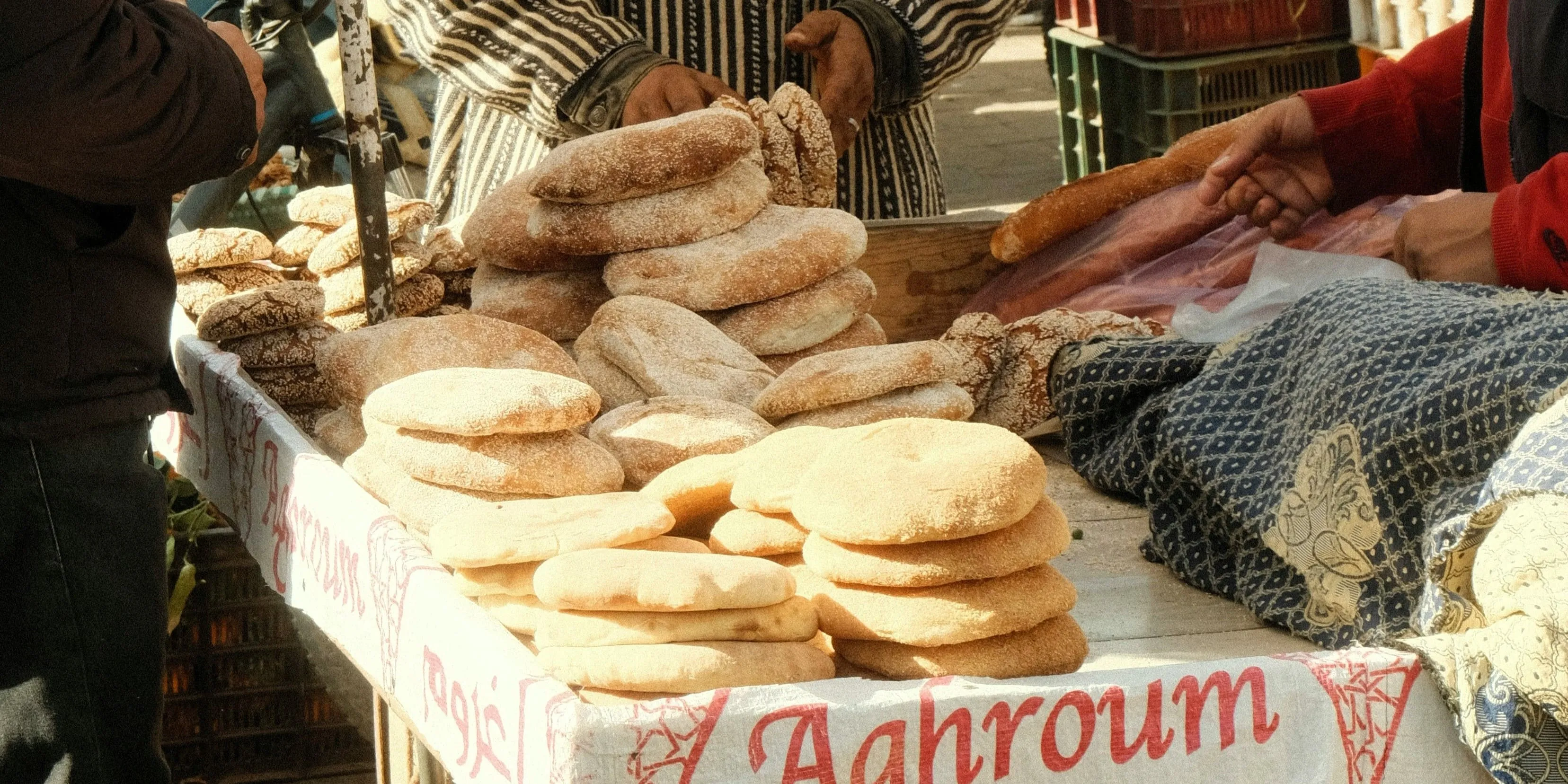
Moroccan Bread: Is Any of it Gluten Free?
No, all Moroccan bread is traditionally made with wheat flour and is unsafe for celiacs.Bread is the cornerstone of Moroccan cuisine, eaten with almost every meal and used to mop up sauces and scoop tagines. As a result, it’s one of the hardest things to avoid when travelling gluten free in Moro
read more
McDonalds Gluten Free: Worldwide Search Tool
Ever wondered if you can get a gluten free McDonald’s in, say, Argentina? Or whether the fries are truly safe in Mauritania? Well wonder no more, the tool in this post will give you the lowdown on eating gluten free at any McDonalds in the world.
read more
Spain: A Gluten Free Guide
Ahhh Spain, lovely Spain. The weather’s (mostly) good, landscapes varied, and gluten free food is abundant. Celiac disease is well known, and there are some good government and third-party resources to help with eating out gluten free. With a bit of care, you can easily travel in Spain and successfu
read more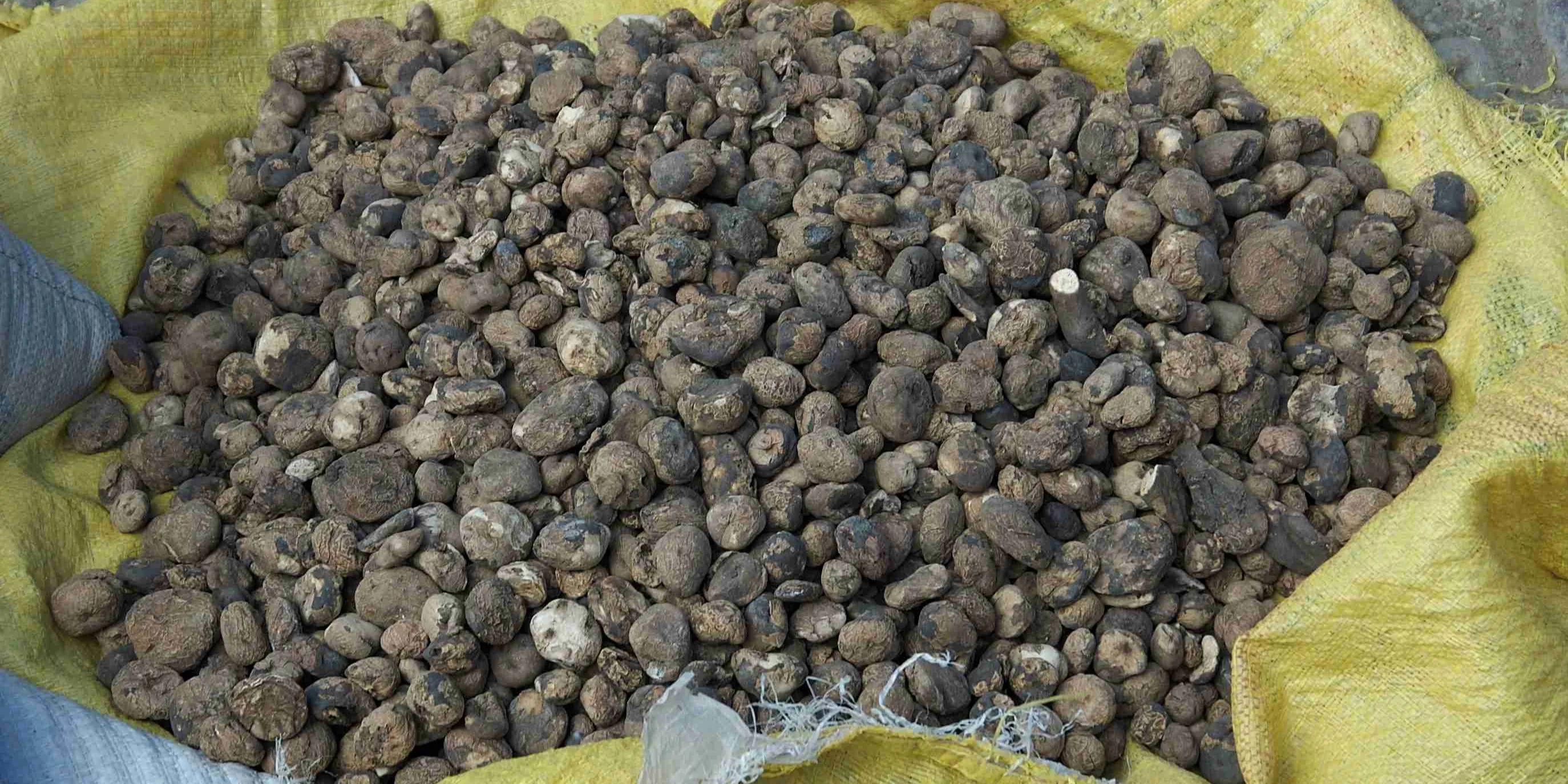
Are Chuños Gluten Free?
Chuños are freeze-dried potatoes, making them naturally gluten free. However, some of the Bolivian and Peruvian dishes they are traditionally used in do contain gluten. They’re a must-try if you’re visiting the region — a unique food item found almost nowhere else in the world.
read more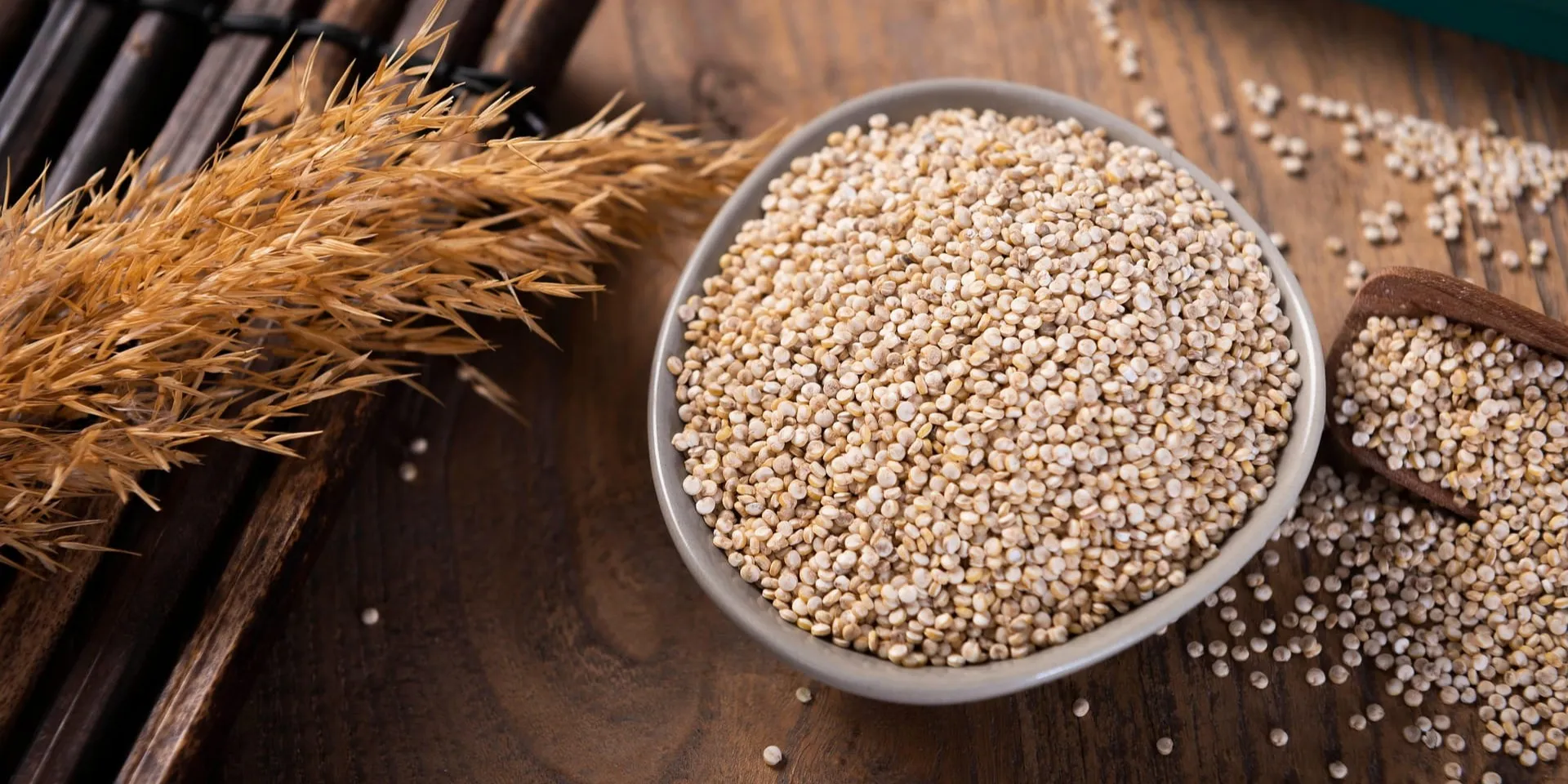
Is Quinoa Gluten Free?
Yes, quinoa is naturally gluten free. It contains no wheat, barley, or rye, and has been a staple food in the Andes for thousands of years. The catch, and there is one, is cross-contamination. Quinoa is often grown, harvested, and processed alongside gluten-containing grains, which means unlabelled
read more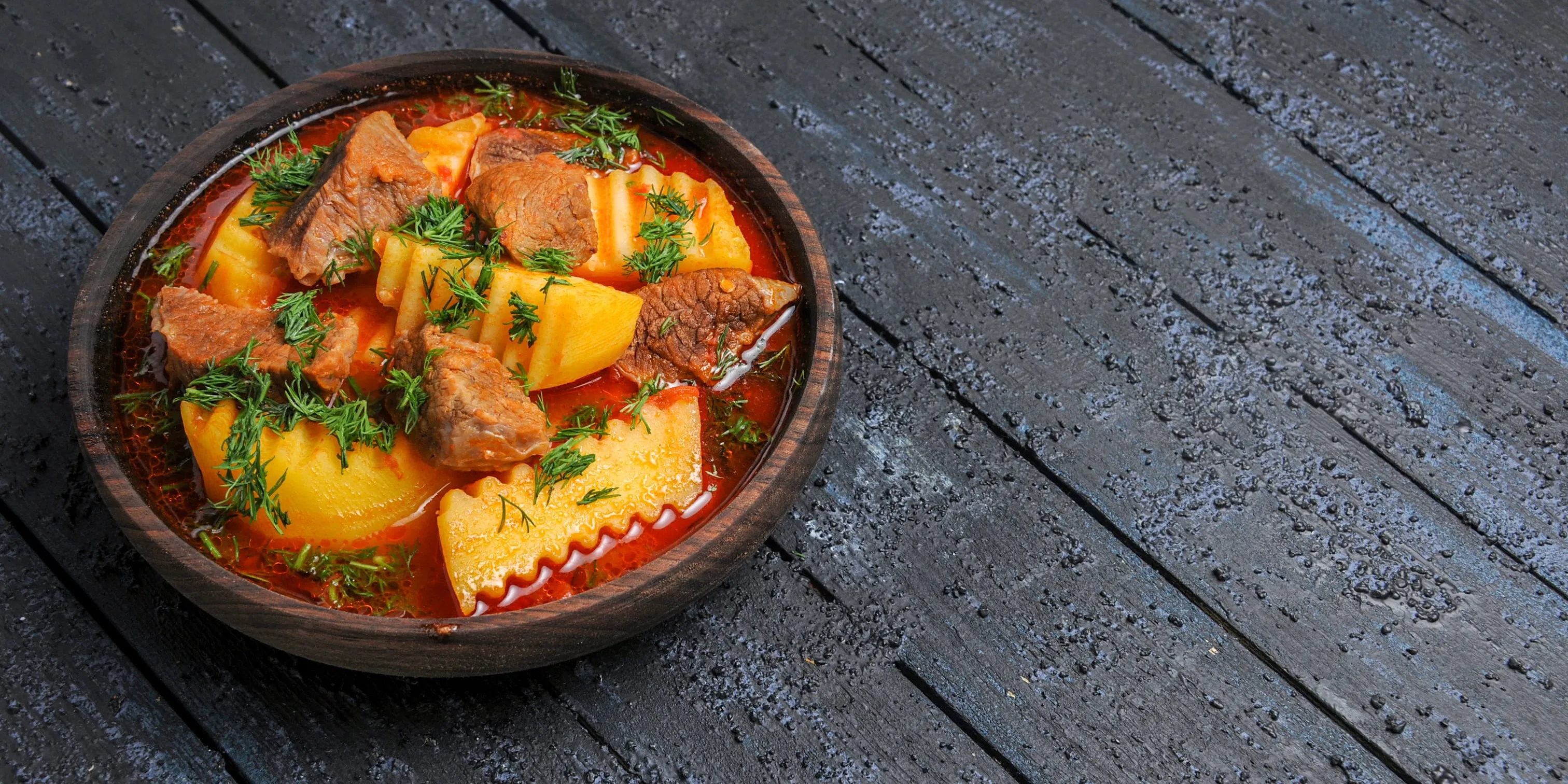
Is Mafe Gluten Free?
Mafe is usually gluten free. It's a rich peanut stew made with meat, tomatoes, and vegetables, with no wheat in the traditional recipe. That said, some cooks thicken it with wheat flour, so it's not one you can order blindly without checking.
read more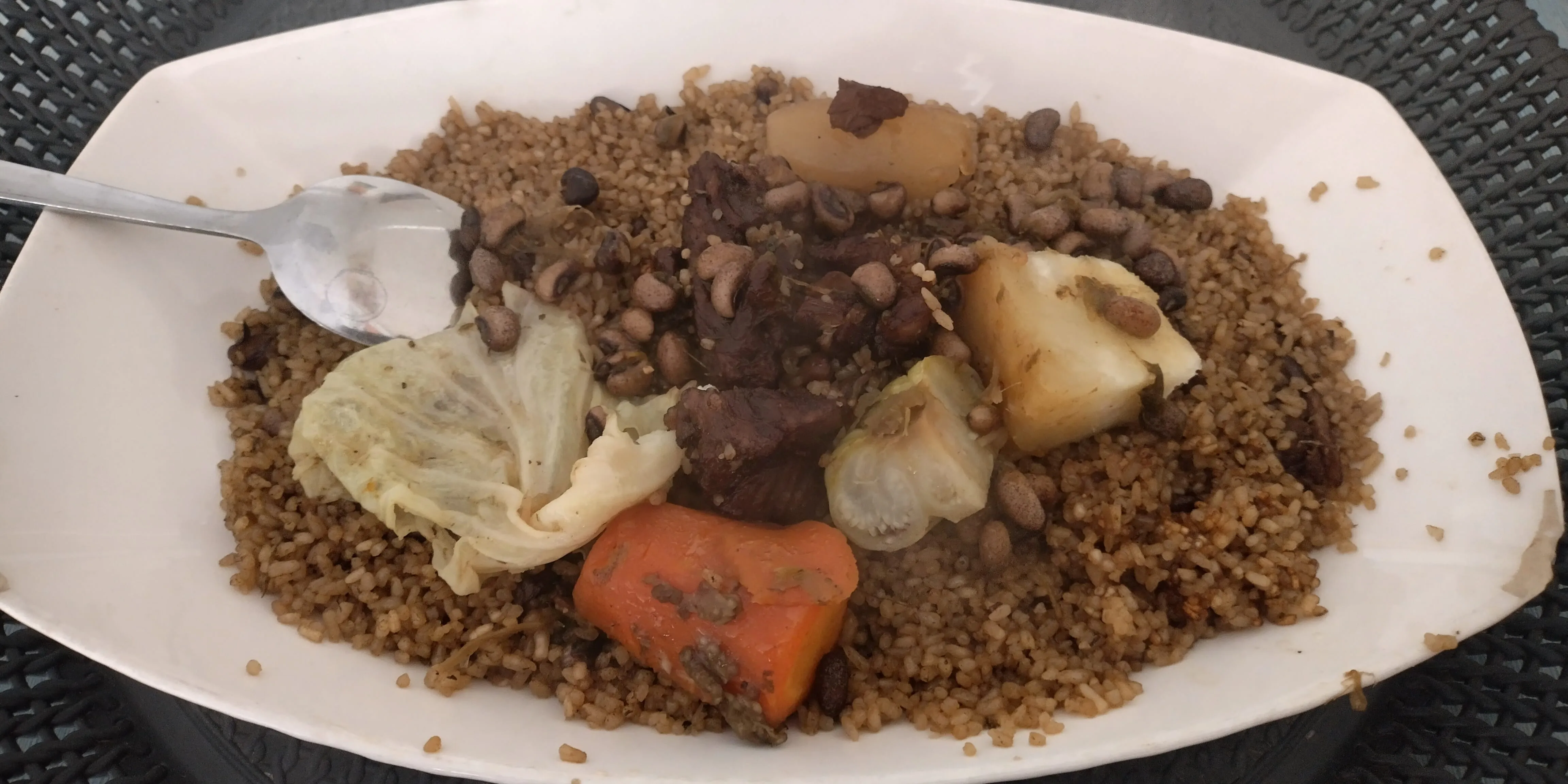
Is Thieboudienne Gluten Free?
Thieboudienne is naturally gluten free, made from rice, fish, tomatoes, and vegetables. The one caveat is the stock cube used in its preparation, which is worth checking, but the main Senegalese brands are GF.
read more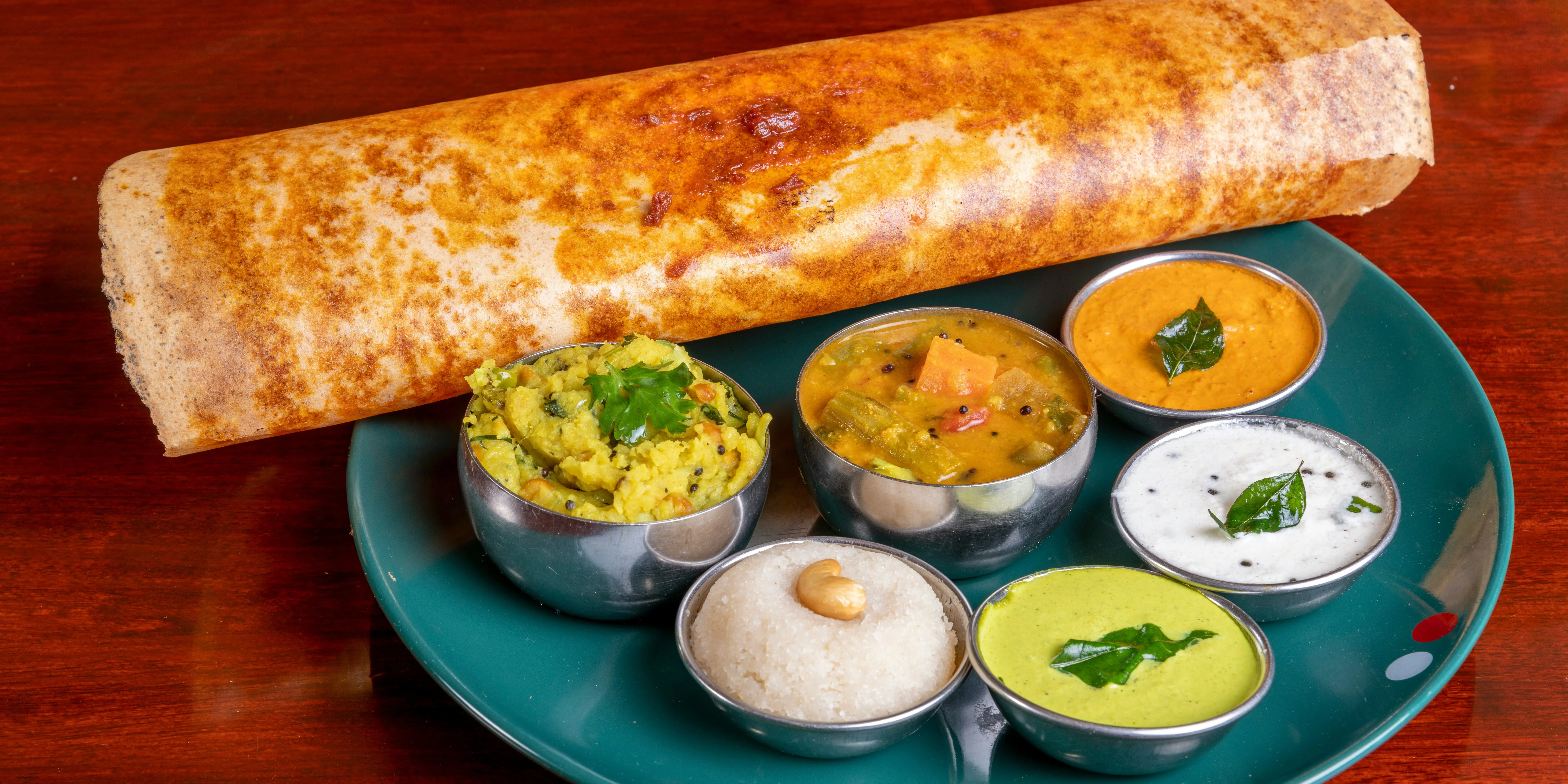
Is Dosa Gluten Free?
Dosa is naturally gluten free, made from a fermented batter of rice and lentils. Most varieties are safe for celiacs, though a handful of dishes served alongside dosa are worth watching out for.
read more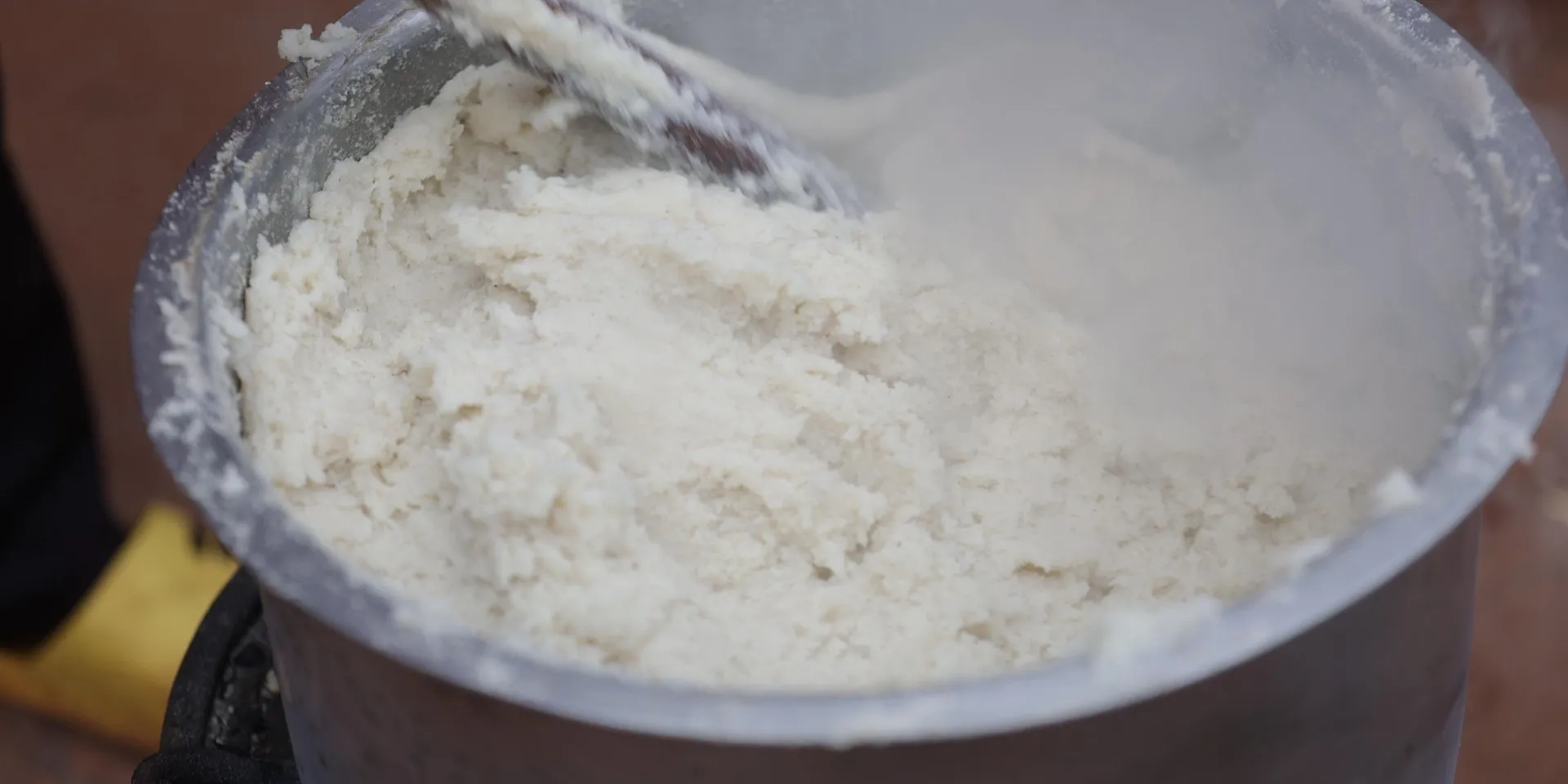
Is Ugali Gluten Free?
Ugali is Kenya's staple food, eaten by the vast majority of the population at least once a day. It is made from maize flour and water, which makes it naturally gluten free. Here's what a celiac needs to know about eating it safely in Kenya.
read more